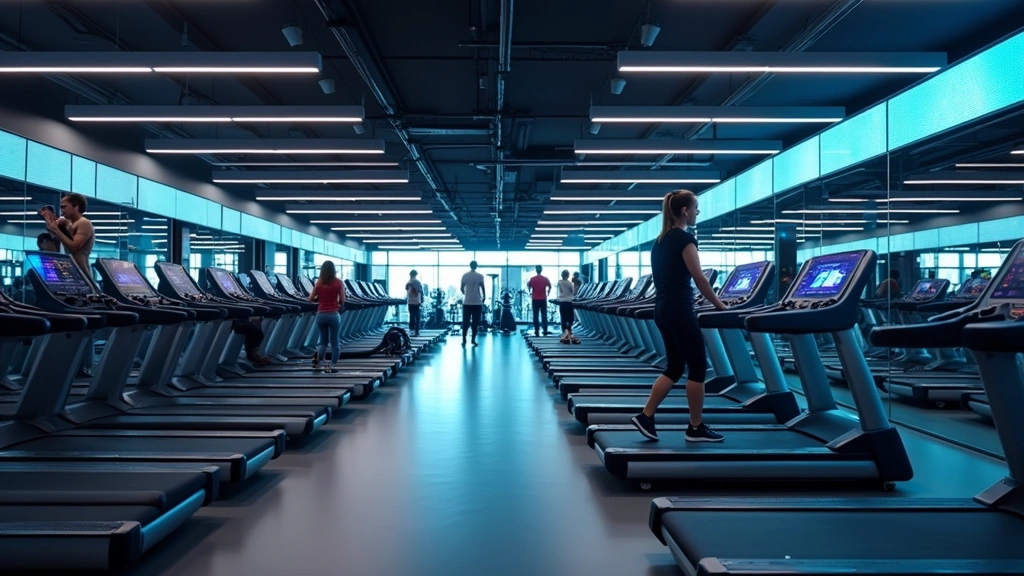
Georgia Tech’s Campus Recreation Center stands as one of the most technologically advanced fitness facilities in higher education, seamlessly blending cutting-edge smart gym equipment with traditional strength training infrastructure. For tech-savvy students and faculty, this 150,000-square-foot complex represents far more than just a place to lift weights—it’s a showcase of how fitness technology and data analytics are revolutionizing the modern gym experience. The facility features integrated wearable connectivity, AI-powered fitness tracking systems, and IoT-enabled equipment that would make any gadget enthusiast’s heart race.
Located in the heart of Georgia Tech’s Atlanta campus, the Rec Center has undergone significant technological upgrades in recent years, transforming it into a hub for students interested in both physical fitness and technical innovation. The integration of smart technology throughout the facility demonstrates how institutions can leverage artificial intelligence applications transforming fitness into a data-driven experience. Whether you’re a computer science major tracking your biometric data or an engineering student optimizing your workout efficiency, the Rec Center offers unprecedented insights into your physical performance.
Smart Equipment & IoT Integration
The Georgia Tech Rec Center’s equipment roster reads like a tech reviewer’s dream specification sheet. The facility features dozens of connected cardio machines from Peloton, Technogym, and Life Fitness, each equipped with embedded touchscreens, Bluetooth connectivity, and real-time performance metrics. These aren’t your standard treadmills—they’re sophisticated pieces of hardware that sync with your personal fitness apps, track cadence and power output with precision sensors, and deliver personalized coaching through integrated AI algorithms.
The strength training section showcases smart resistance machines that automatically adjust weight based on your form and fatigue levels. Technogym’s selection includes their flagship cardio equipment with their cloud-based Wellness Cloud platform, enabling students to access their workout history across multiple sessions. The facility has also integrated Technogym’s Connected Ecosystem, allowing members to stream personalized workouts directly to the equipment’s display screens.
Beyond individual machines, the Rec Center employs an IoT network infrastructure that monitors facility conditions in real-time—air quality, temperature, humidity, and equipment operational status. This backend system ensures optimal workout conditions while allowing maintenance teams to identify equipment issues before they affect users. For tech professionals working at Georgia Tech, this infrastructure represents a practical application of emerging technology implementations in everyday environments.
The facility’s WiFi network extends throughout all training areas, supporting high-bandwidth streaming of fitness content and live virtual classes. Latency has been optimized to sub-50ms, ensuring real-time feedback from connected equipment doesn’t lag. Students in Georgia Tech’s network engineering programs often cite the Rec Center as a practical example of enterprise-grade wireless infrastructure deployment.
Advanced Fitness Tracking Systems
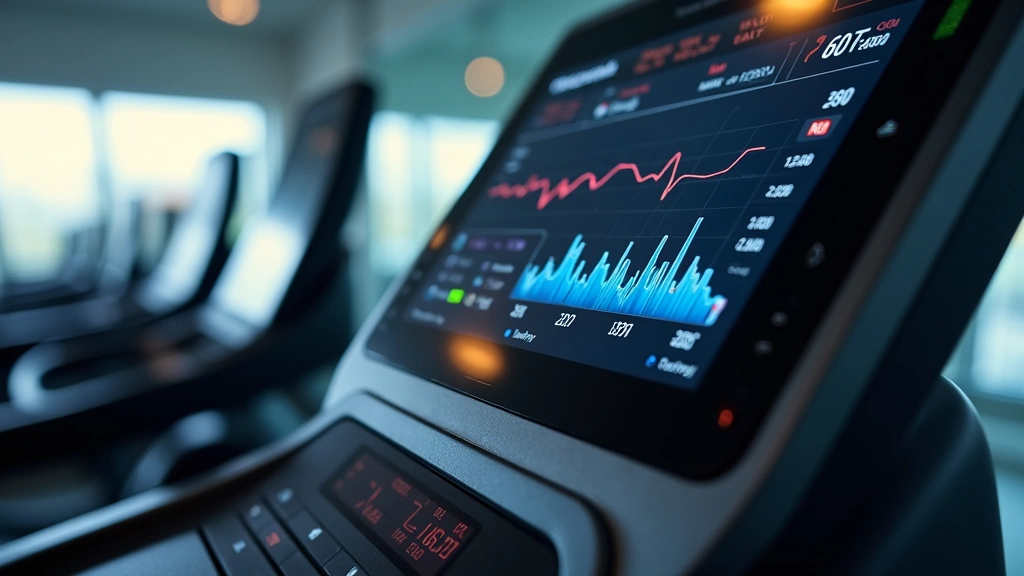
The centerpiece of Georgia Tech’s Rec Center technology is its proprietary fitness tracking dashboard, accessible via mobile app and web portal. Members can monitor over 50 different metrics per workout session, including heart rate variability, estimated VO2 max, power output, and muscular endurance scores. The system employs machine learning algorithms to identify patterns in your training data, providing predictive insights about optimal recovery windows and injury risk factors.
Integration with popular wearables—Apple Watch, Garmin, Fitbit, and Oura Ring—allows seamless data synchronization. The Rec Center’s system acts as a centralized hub, aggregating data from multiple sources into a unified performance dashboard. This ecosystem approach mirrors what you’d find in premium commercial gyms, but the Georgia Tech implementation benefits from constant refinement by the university’s computer science and biomedical engineering students.
The facility employs advanced biometric sensors at check-in stations, providing baseline measurements before each workout. These include body composition analysis using bioelectrical impedance, resting heart rate assessment, and grip strength testing. Data collected feeds directly into your fitness profile, allowing the system to adjust recommended workout intensity and volume. This represents a significant step beyond traditional gym experiences and demonstrates how coding and software development creates practical applications in health and fitness.
The system’s privacy architecture deserves mention—all biometric data is encrypted end-to-end, and members maintain complete control over data sharing permissions. The Rec Center adheres to HIPAA-adjacent standards despite being a university facility, setting it apart from many commercial gyms that monetize user data.
Comprehensive Facilities Overview
The Georgia Tech Rec Center spans 150,000 square feet across multiple levels, housing some of the most extensive fitness amenities in the Southeast. The cardio deck features 80+ connected machines including treadmills, ellipticals, rowing machines, and Assault AirBikes, each with individual entertainment screens and integrated fan systems. The strength training floor occupies 25,000 square feet with comprehensive free weight areas, selectorized machines, and functional training zones.
The facility includes a dedicated technology innovation lab where students can test wearable devices, develop fitness apps, and conduct research on exercise physiology. This space represents a unique intersection of fitness and tech entrepreneurship, with several student startups having launched from projects incubated within the Rec Center’s walls. The lab includes software development stations, biometric testing equipment, and a small cohort space for collaborative projects.
Aquatic facilities include Olympic-sized pools with underwater cameras for form analysis—swimmers can review their stroke mechanics on poolside monitors. The climbing wall features altitude sensors and route-difficulty tracking, gamifying the climbing experience. Basketball courts, racquetball courts, and a 1/8-mile indoor track round out the athletic facilities.
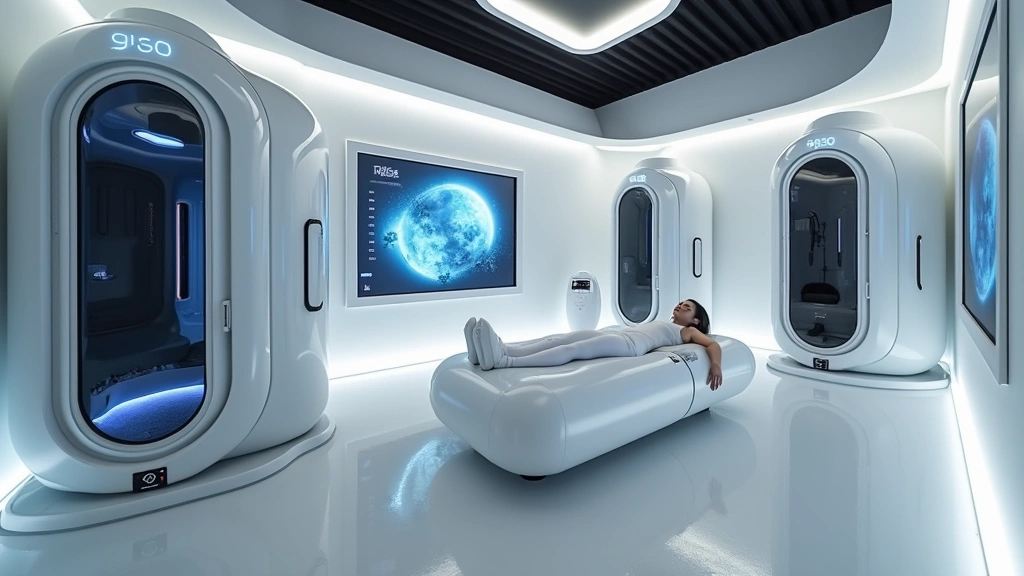
The facility’s recovery and regeneration zone showcases emerging wellness technology including cryotherapy chambers, infrared sauna pods with biometric feedback, and percussive massage devices. Students and staff can book recovery sessions through the mobile app, with equipment automatically adjusting settings based on their fitness profile data.
Membership & Access Technology
Access to the Georgia Tech Rec Center utilizes a sophisticated biometric authentication system rather than traditional key cards. Members register their fingerprints or facial recognition data during enrollment, allowing contactless entry through advanced scanning gates. This system processes over 5,000 entries daily while maintaining security and privacy standards. The technology has proven particularly valuable during health crises, eliminating the need for shared access devices.
The mobile app serves as your digital membership card, providing real-time facility occupancy data, equipment availability status, and class scheduling. You can reserve equipment time slots to avoid crowded periods, a feature particularly valuable for serious lifters during peak hours. The app also displays wait times for popular machines and suggests optimal workout times based on historical traffic patterns.
For non-Georgia Tech affiliates, day passes and short-term memberships can be purchased through the app with digital delivery. The system integrates with campus payment systems for enrolled students, automatically charging monthly membership fees to student accounts. This seamless integration reduces friction and increases engagement compared to traditional gym membership models.
The Rec Center’s reservation system employs predictive algorithms to optimize equipment distribution. If you frequently use specific machines, the system learns your preferences and notifies you when your preferred equipment has availability. This personalization extends to class reservations—the system recommends fitness classes based on your workout history and stated fitness goals.
Performance Analytics Dashboard
Perhaps the most impressive technical feature is the comprehensive analytics dashboard available to all members. This web-based platform visualizes your fitness data across multiple dimensions: strength progression, cardiovascular improvements, body composition changes, and workout consistency metrics. The dashboard employs interactive charts, trend analysis, and predictive modeling to show where your fitness trajectory is heading.
The system calculates your fitness score—a proprietary metric developed by Georgia Tech’s kinesiology department that synthesizes multiple performance indicators into a single comparable number. This score allows members to track overall fitness improvement independent of specific exercises, useful for evaluating cross-training effectiveness. The scoring algorithm continuously evolves as researchers refine the underlying methodology.
Workout history extends back indefinitely, allowing long-term trend analysis impossible in traditional gyms. You can compare your current performance to any previous training period, identify seasonal patterns, and correlate fitness changes with life events. This level of data depth appeals particularly to engineers and data scientists at Georgia Tech who appreciate detailed performance metrics.
The system includes AI-powered workout recommendations that suggest exercises based on your goals, equipment preferences, and injury history. These aren’t generic suggestions—they’re personalized to your specific fitness profile and continuously refined based on your actual performance data. If the system detects you’re under-recovering, it automatically suggests lighter training days or focuses on mobility work.
Tech-Enhanced Wellness Programs
Beyond basic gym access, the Rec Center offers specialized wellness programs heavily integrated with technology. The nutrition coaching program includes AI-powered meal planning software that syncs with your fitness data, adjusting macronutrient recommendations based on your training volume and goals. Members receive personalized nutrition plans through the mobile app with restaurant menu integration for nearby eateries.
The mental wellness program uses biometric feedback from wearables to identify stress patterns and recovery needs. The system can detect when you’re overtraining or under-recovering, automatically suggesting meditation sessions or recommending rest days. This integration of physical and mental health represents an advanced understanding of holistic wellness rarely found in campus recreation facilities.
Group fitness classes leverage live data feedback systems where instructors display real-time heart rate data from all participants on large screens. This gamification element increases engagement and allows instructors to optimize class intensity. Participants can see how their effort compares to classmates, though the system protects privacy by using anonymous identifiers rather than names.
The facility offers personalized coaching through video analysis technology. Coaches record your workout form using high-speed cameras, then provide detailed feedback overlaid on the video. This technology proves invaluable for strength athletes learning complex lifts—they receive frame-by-frame analysis identifying specific form issues that could lead to injury or performance plateaus.
How It Compares to Other Campus Rec Centers
Comparing Georgia Tech’s Rec Center to other major university facilities reveals its position as a technological leader. While schools like Texas A&M and Purdue University operate extensive rec centers, few match Georgia Tech’s integration of smart equipment and data analytics. The University of Michigan’s facility rivals Georgia Tech in scale but lacks the same level of IoT infrastructure and predictive analytics capabilities.
The equipment quality at Georgia Tech exceeds most campus facilities—commercial-grade machines typically found only in premium private gyms. Most university rec centers utilize mid-tier equipment designed for institutional durability rather than performance features. Georgia Tech’s investment reflects the institution’s commitment to supporting student-athletes and health-conscious students with professional-grade facilities.
Regarding technology integration, Georgia Tech’s approach is genuinely innovative. While some commercial gyms offer app-based tracking, few combine comprehensive IoT infrastructure, predictive analytics, and personalized AI recommendations in a unified ecosystem. The Rec Center’s system represents a collaboration between Georgia Tech’s College of Engineering and the athletics department—a synergy unlikely at most universities.
The cost structure is another differentiator. Georgia Tech students access this facility as part of their student fees, making the per-visit cost negligible compared to commercial gyms charging $100+ monthly. Faculty and staff memberships remain significantly cheaper than comparable private facilities while offering superior technology and amenities. This accessibility democratizes access to world-class fitness infrastructure.
FAQ
What equipment brands does Georgia Tech Rec Center use?
The facility primarily features Technogym, Life Fitness, Peloton, and Rogue Fitness equipment. Cardio machines come from Technogym and Life Fitness, while strength equipment includes Technogym selectorized machines and Rogue free weights. The mix ensures variety and allows students to train on equipment they’ll encounter at other facilities.
Can non-Georgia Tech members access the facility?
Yes, the Rec Center offers day passes and short-term memberships to community members. Day passes typically cost $15-20, while monthly memberships range from $60-80 depending on access level. All members gain access to the same equipment and analytics dashboard, though class availability may vary for non-affiliated members.
How does the biometric feedback system work?
Members register biometric data (fingerprint or facial recognition) during enrollment. The system syncs with wearables like Apple Watch and Garmin, aggregating data into a unified dashboard. Sensors at check-in stations provide baseline measurements, while machine-integrated sensors track performance metrics during workouts.
Is personal training available?
The Rec Center employs certified strength and conditioning coaches available for personalized training. Sessions integrate video analysis technology and biometric feedback. Coaches develop customized programs leveraging the facility’s analytics systems to optimize progression and prevent injury.
What makes the Rec Center different from commercial gyms?
The integration of comprehensive data analytics, predictive AI recommendations, and IoT infrastructure distinguishes Georgia Tech’s facility from commercial competitors. The focus on research and student innovation creates a unique environment where members contribute to advancing fitness technology—something major tech platforms and institutions increasingly prioritize.
Can I export my fitness data?
Yes, members can export workout data in multiple formats (CSV, JSON, PDF). The system supports integration with popular fitness platforms, allowing data portability. This user-friendly approach to data ownership reflects privacy-first design principles increasingly important in the tech industry.
Are there specialized programs for injury recovery?
The Rec Center offers rehabilitation programs developed with Georgia Tech’s physical therapy department. The facility includes specialized recovery equipment and coaches trained in post-injury training protocols. Biometric monitoring ensures safe progression during recovery phases, reducing re-injury risk.
How current is the technology?
Georgia Tech continuously upgrades equipment and software systems. The facility typically receives major equipment updates every 3-4 years, ensuring access to latest technology. Software systems receive regular updates, with new features often developed by computer science students through capstone projects.


