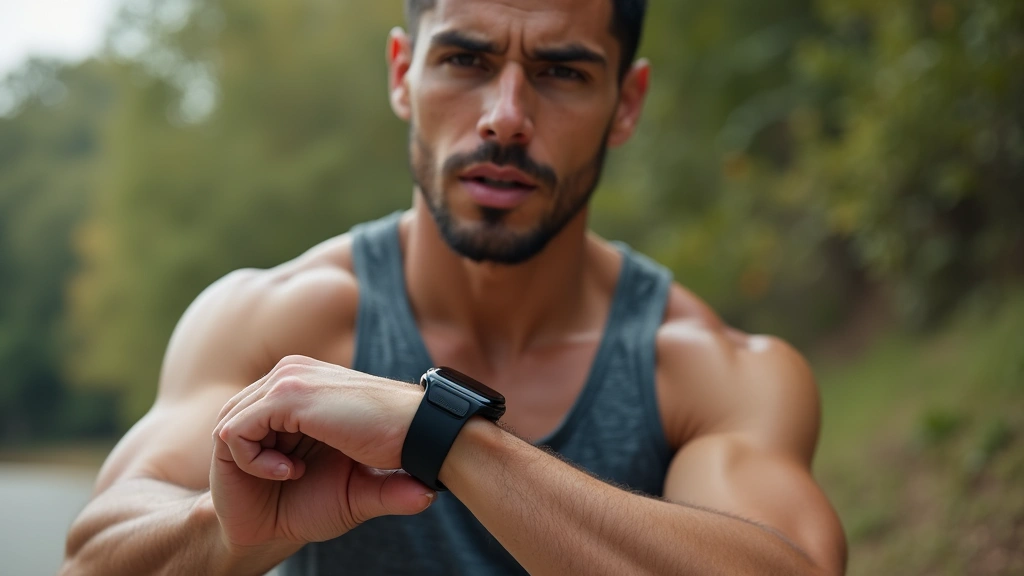
Cardio Tech Gadgets: Top 5 Expert Picks for Heart Health Monitoring
The intersection of fitness and technology has revolutionized how we monitor our cardiovascular health. Whether you’re a professional athlete, fitness enthusiast, or someone managing a cardiac condition, cardio tech gadgets have become essential tools for tracking heart performance, optimizing workouts, and understanding your body’s responses to exercise. Modern wearables and monitoring devices leverage advanced sensors, artificial intelligence, and cloud connectivity to deliver real-time insights that were once only available in clinical settings.
In this comprehensive guide, we’ll explore the five best cardio tech gadgets on the market today, examining their features, accuracy, usability, and value proposition. These devices represent the cutting edge of personal health monitoring technology, each offering unique advantages depending on your specific needs and fitness goals.
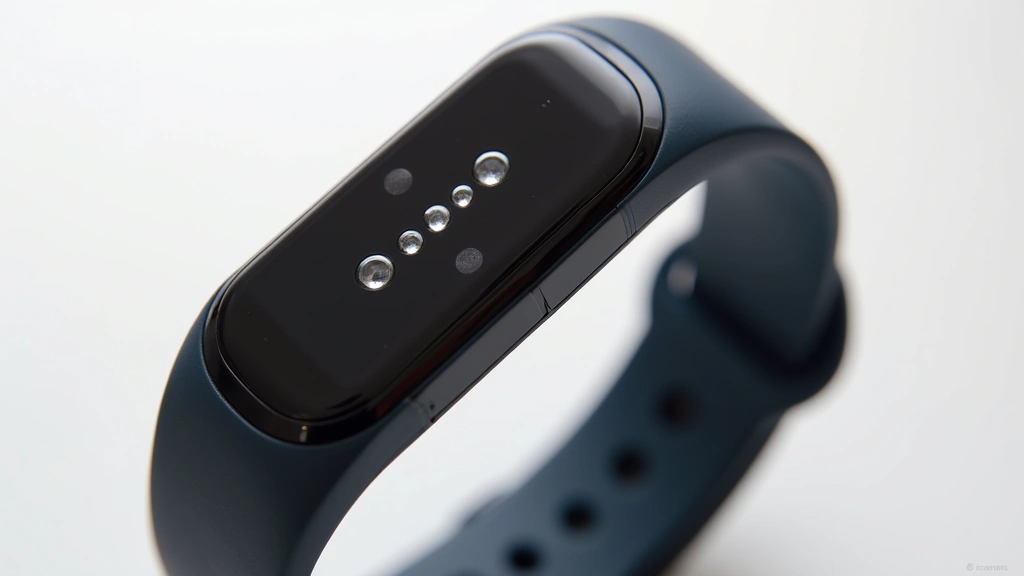
Apple Watch Series 9 with Advanced ECG
The Apple Watch Series 9 represents a significant leap in consumer-grade cardiac monitoring technology. This flagship wearable integrates a sophisticated electrocardiogram (ECG) sensor capable of detecting irregular heart rhythms, including atrial fibrillation (AFib), with clinical-grade accuracy. The device combines traditional heart rate monitoring with advanced algorithms that analyze your cardiovascular patterns throughout the day and during exercise.
What sets the Series 9 apart is its seamless integration with the Apple Health ecosystem and its intuitive interface. The always-on Retina display provides instant access to heart rate data, ECG readings, and cardiac notifications without requiring you to interact with your iPhone. The device can generate an ECG reading in just 30 seconds, displaying results immediately on your wrist. Apple’s deep machine learning integration means the watch becomes smarter over time, learning your baseline cardiac patterns and alerting you to anomalies that warrant medical attention.
For cardio workouts, the Series 9 offers multiple sport modes optimized for different cardiovascular activities—running, cycling, swimming, rowing, and high-intensity interval training (HIIT). Each mode adjusts heart rate zone calculations and provides real-time performance metrics. The blood oxygen sensor works in conjunction with heart rate data to paint a comprehensive picture of your cardiovascular efficiency, particularly valuable during intense training sessions.
The accuracy of the Series 9’s heart rate sensor has been validated against clinical-grade equipment in numerous independent studies. The Verge noted that the ECG functionality matches hospital-grade equipment when worn correctly, though proper placement is critical for optimal readings. Battery life extends to approximately 18 hours of normal use, though intensive cardio tracking with continuous heart rate monitoring may reduce this to 12-14 hours.
Key Specifications:
- ECG sensor with AFib detection
- Continuous heart rate monitoring
- Blood oxygen (SpO2) tracking
- Water resistant to 50 meters
- Wireless connectivity (WiFi, Bluetooth, optional cellular)
- Starting price: $399
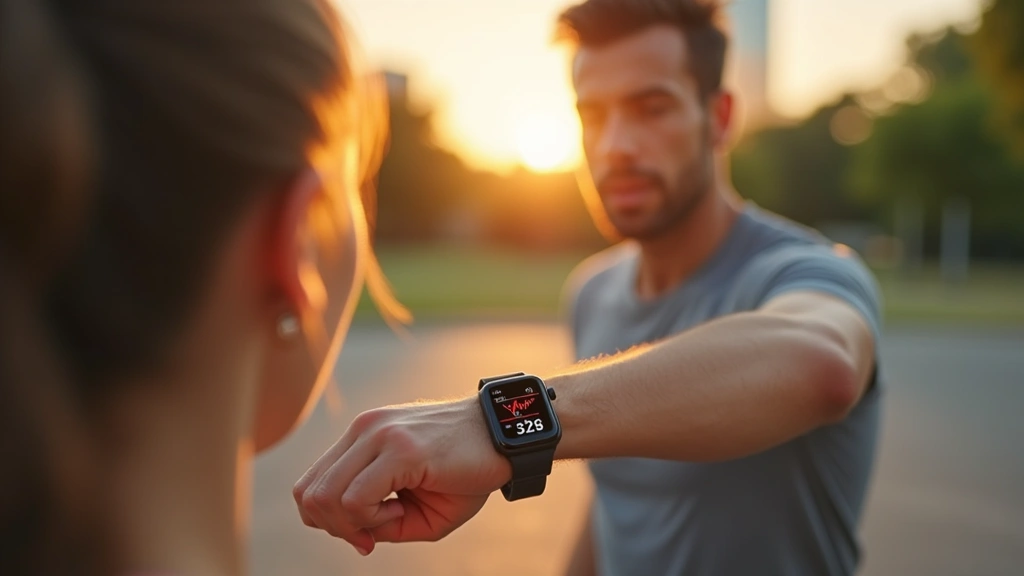
Garmin Epix Gen 2: Professional-Grade Cardiac Monitoring
The Garmin Epix Gen 2 caters to serious athletes and fitness professionals who demand comprehensive cardiovascular data beyond basic heart rate metrics. This multisport smartwatch incorporates Garmin’s proprietary Pulse Ox technology and training load metrics that analyze the cumulative stress on your cardiovascular system. The device tracks training stress score (TSS), which quantifies how hard your body worked during exercise relative to your fitness level.
Garmin’s advanced algorithms provide insights into technology and AI transforming fitness monitoring. The Epix Gen 2 measures VO2 max—your maximum oxygen utilization capacity—with remarkable precision, offering sport-specific VO2 max calculations for running, cycling, and other activities. This metric is crucial for endurance athletes optimizing their training protocols. The device also tracks cardiac efficiency, comparing your heart rate response to the work performed during exercise.
The AMOLED display on the Epix Gen 2 represents a significant advantage over previous generations, offering vibrant, easy-to-read metrics even in bright sunlight. The touchscreen interface combined with physical buttons provides reliable navigation during sweaty workouts when touchscreen responsiveness might be compromised. Battery life reaches up to 11 days in smartwatch mode, extending to 6 days with continuous GPS and heart rate monitoring active.
Recovery tracking features are particularly robust on the Epix Gen 2. The device analyzes your resting heart rate trends, heart rate variability (HRV), and sleep quality to generate recovery status recommendations. This holistic approach helps prevent overtraining syndrome, a condition where excessive cardiovascular stress without adequate recovery impairs performance and increases injury risk. The connected features allow real-time data synchronization with Garmin Connect, enabling detailed analysis on larger screens.
Key Specifications:
- AMOLED touchscreen display
- Multi-GNSS positioning (GPS, GLONASS, Galileo)
- Pulse Ox sensor with altitude acclimation tracking
- Training load and VO2 max monitoring
- Water resistant to 100 meters
- Battery life: 11 days (smartwatch), 6 days (GPS mode)
- Starting price: $699
Polar Vantage V3: Athlete-Focused Heart Intelligence
Polar’s Vantage V3 positions itself as the cardiovascular monitoring specialist among premium sports watches. The Finnish company has built its reputation on heart rate science, and the V3 leverages decades of cardiac research to deliver insights that competitive athletes crave. The device features Polar’s Precision Prime sensor technology, which uses six LEDs and advanced signal processing to capture heart rate data with exceptional accuracy even during high-intensity interval training when movement artifacts typically degrade sensor performance.
The standout feature is Polar’s unique approach to training load analysis through Training Load PRO, which measures acute training load (stress from individual workouts) and chronic training load (cumulative fatigue from weeks of training). This dual-metric system helps athletes identify optimal training windows and recognize when they’re approaching overtraining thresholds. Unlike simpler devices that only track calories burned, the V3 understands the physiological cost of your training in terms of cardiovascular adaptation.
Heart rate variability (HRV) analysis reaches new sophistication on the V3. The device captures beat-to-beat heart rate variations, which reflect your autonomic nervous system’s balance between sympathetic (fight-or-flight) and parasympathetic (rest-and-digest) activation. Athletes use HRV as an early warning system for overtraining, illness, or inadequate recovery. The V3 provides daily HRV status recommendations, helping you decide whether to push hard or ease off based on your physiological readiness.
The recovery tracking extends beyond sleep analysis to include nightly recharge status, which evaluates sleep quality and duration relative to your training load. A low recharge score despite adequate sleep duration might indicate that your nervous system hasn’t fully recovered from recent intense training. This sophisticated feedback loop enables truly personalized training optimization.
Key Specifications:
- Precision Prime heart rate sensor
- Training Load PRO with acute and chronic metrics
- Advanced HRV analysis
- VO2 max estimation (sport-specific)
- GPS with GLONASS support
- Water resistant to 100 meters
- Battery life: 11 days (smartwatch), 40 hours (GPS mode)
- Starting price: $549
Whoop 4.0: Recovery and Strain Optimization
The Whoop 4.0 takes a fundamentally different approach to cardio tech by focusing almost exclusively on recovery metrics rather than traditional workout tracking. This wristband eschews a display in favor of a companion smartphone app, allowing the device to remain incredibly thin and lightweight while housing advanced sensors. The philosophy centers on the principle that recovery determines performance—you don’t get faster or stronger during workouts, but during the recovery periods afterward.
The strain metric quantifies daily cardiovascular stress from all sources—exercise, stress, sleep deprivation, and even caffeine consumption. The recovery metric analyzes your heart rate variability, resting heart rate, and sleep data to assess your readiness for intense training. The device uses machine learning to understand your individual patterns, creating personalized baseline metrics that become more accurate as the system learns your physiology over weeks and months.
Whoop’s subscription model ($180 annually after initial hardware purchase) provides access to comprehensive cardiovascular analytics, including strain and recovery trends, sleep staging (light, deep, REM), and performance recommendations. The app integrates with popular fitness platforms and can import workout data from other devices, providing a unified view of how training stress and recovery interact.
The real advantage of Whoop 4.0 emerges for athletes managing multiple training modalities or dealing with high cumulative stress. The device captures strain from non-exercise sources—emotional stress, illness, poor sleep, travel—that traditional sports watches miss. This holistic approach reveals why you might feel fatigued despite adequate sleep, or why your performance fluctuates seemingly randomly. CNET’s testing confirmed that Whoop’s recovery predictions align closely with athlete-reported subjective recovery feelings.
The wristband design allows 24/7 wear in any condition—shower, pool, gym, or sleep—without concerns about durability or water damage. The battery lasts five days between charges, and the slim form factor won’t interfere with other wearables or athletic equipment.
Key Specifications:
- 5-LED optical heart rate sensor
- HRV and resting heart rate tracking
- Advanced sleep staging analysis
- Strain and recovery metrics
- Water resistant to 6 meters
- Battery life: 5 days
- Hardware cost: $349; Subscription: $180/year
Fitbit Premium: Accessible Cardiovascular Analytics
Fitbit Premium represents the most accessible entry point for comprehensive cardio tech monitoring. Since Google’s acquisition of Fitbit, the platform has integrated Fitbit devices with Google Health ecosystem, creating synergies that enhance the value proposition. While Fitbit devices lack the premium build quality of Garmin or Apple watches, they excel at democratizing cardiovascular monitoring, delivering clinical-grade insights at consumer-friendly price points.
The latest Fitbit models incorporate optical heart rate sensors comparable in accuracy to premium competitors, coupled with Google’s machine learning algorithms that analyze your cardiac patterns. Fitbit Premium subscription ($119.99 annually) unlocks advanced features including detailed heart rate zone analysis, personalized breathing exercises tailored to your resting heart rate, and sleep insights that correlate sleep quality with cardiovascular health.
Fitbit’s strength lies in its integration with Google Fit and its emphasis on preventive health. The platform educates users about heart rate zones—different intensity levels where your cardiovascular system responds differently to exercise. Understanding which zone you’re training in helps optimize workouts for specific goals: zone 2 (aerobic base building) differs fundamentally from zone 4 (anaerobic threshold training), and most recreational athletes spend insufficient time in zone 2 despite its importance for endurance.
The devices are available in multiple form factors—traditional watches, fitness trackers, and hybrid smartwatches—allowing you to choose based on personal preference and use case. A TechPulseHunter blog review noted that Fitbit’s user interface excels at presenting complex data accessibly, making cardiovascular science understandable for non-technical users.
Battery life varies by model but typically ranges from 5-7 days, and the devices sync seamlessly with Android and iOS platforms. The ecosystem supports third-party app integration, allowing you to export data to platforms like Strava for social fitness tracking.
Key Specifications:
- Optical heart rate sensor
- Heart rate zone tracking
- Sleep staging and analysis
- SpO2 monitoring
- Water resistant to 50 meters
- Battery life: 5-7 days
- Starting price: $99.95; Premium subscription: $119.99/year
IMAGE_2
Choosing the Right Cardio Tech Gadget for Your Needs
Selecting the optimal cardio tech gadget depends on several factors beyond raw specifications. Consider your primary use case: Are you an elite athlete requiring professional-grade analytics, a fitness enthusiast optimizing workouts, or someone monitoring a cardiac condition? The cardiac ultrasound technician career perspective emphasizes that even consumer devices should provide accurate, reliable data when used correctly.
Your ecosystem matters significantly. Apple Watch integrates seamlessly within the Apple ecosystem, leveraging Siri, Health app, and other native features. Garmin and Polar devices excel for athletes using sport-specific platforms like TrainingPeaks or Strava. Fitbit integrates with Google services, making it ideal for Android users. Whoop works across ecosystems but requires a subscription commitment.
Budget considerations extend beyond initial hardware cost. Premium devices like Apple Watch or Garmin Epix offer one-time purchases with optional subscription services. Whoop requires ongoing subscription regardless of hardware cost. Fitbit Premium adds annual fees but maintains lower hardware costs. Calculate total cost of ownership over 3-5 years to make informed decisions.
Accuracy requirements vary by use case. For competitive athletes, sensor accuracy within 2-3 beats per minute matters significantly. For general fitness, accuracy within 5 beats per minute suffices. For clinical cardiac monitoring, only devices with FDA clearance (like Apple Watch’s ECG) should be relied upon for medical decisions.
Consider the best tech stocks perspective on wearable companies—those with strong R&D investments consistently improve their products. Garmin, Apple, and Polar have demonstrated sustained commitment to cardiovascular monitoring innovation, while some competitors have stagnated.
IMAGE_3
Advanced Features and Future Trends in Cardio Tech
The cardio tech landscape continues evolving rapidly. Emerging technologies include non-invasive blood pressure monitoring through photoplethysmography (PPG) sensors, continuous glucose monitoring integration for understanding how nutrition affects cardiovascular performance, and AI-powered anomaly detection that identifies irregular patterns before they become clinically significant.
Machine learning algorithms are becoming increasingly sophisticated at predicting cardiovascular events. Some devices now analyze subtle changes in heart rate variability, sleep patterns, and activity levels to identify early warning signs of illness or overtraining syndrome days before symptoms appear. This predictive capability transforms devices from passive monitors to proactive health coaches.
The integration of software development expertise into wearable platforms has accelerated feature releases and algorithmic improvements. Over-the-air updates now deliver new analysis capabilities to existing hardware, extending device lifespan and improving data quality retroactively.
Interoperability standards are improving, allowing data from different manufacturers to integrate into unified health platforms. This trend empowers users to choose devices based on features rather than ecosystem lock-in, fostering healthy competition and innovation.
FAQ
What is the most accurate cardio tech gadget for heart rate monitoring?
The Apple Watch Series 9 and Garmin Epix Gen 2 demonstrate the highest accuracy in independent testing, with heart rate measurements typically within 2-3 beats per minute of clinical-grade equipment. Polar Vantage V3 also performs exceptionally well due to its specialized Precision Prime sensor technology. Accuracy depends significantly on proper wear position and skin contact quality.
Can I rely on consumer cardio tech gadgets for medical diagnosis?
Only devices with FDA clearance for specific functions should be relied upon for medical diagnosis. The Apple Watch Series 9’s ECG function is FDA-approved for AFib detection, but it should not replace professional medical evaluation. Always consult healthcare providers before making medical decisions based on wearable data.
Which cardio tech gadget is best for swimmers?
The Apple Watch Series 9, Garmin Epix Gen 2, and Fitbit devices are all water-resistant to 50+ meters and support swim tracking with specialized algorithms that filter out water interference from heart rate sensors. Garmin and Polar devices offer more detailed swim metrics including lap counting and stroke type analysis.
How often should I replace my cardio tech gadget?
Quality devices typically remain relevant for 3-5 years. However, advances in sensor technology and algorithmic improvements may warrant upgrades every 2-3 years for serious athletes seeking cutting-edge analytics. Casual users can extend device lifecycles to 4-5 years without significant capability gaps.
What is heart rate variability and why does it matter for cardio training?
Heart rate variability (HRV) measures the time intervals between consecutive heartbeats. Higher HRV typically indicates better cardiovascular fitness and parasympathetic (recovery) nervous system activation. Athletes use HRV as an early indicator of overtraining, illness, or inadequate recovery, helping optimize training intensity and timing.
Do I need a subscription to use cardio tech gadgets effectively?
No, but subscriptions unlock advanced features. Apple Watch and Garmin devices function fully without subscriptions, though premium features enhance insights. Whoop’s subscription model is essential—the device is essentially useless without it. Fitbit Premium adds value but isn’t required for basic functionality.


