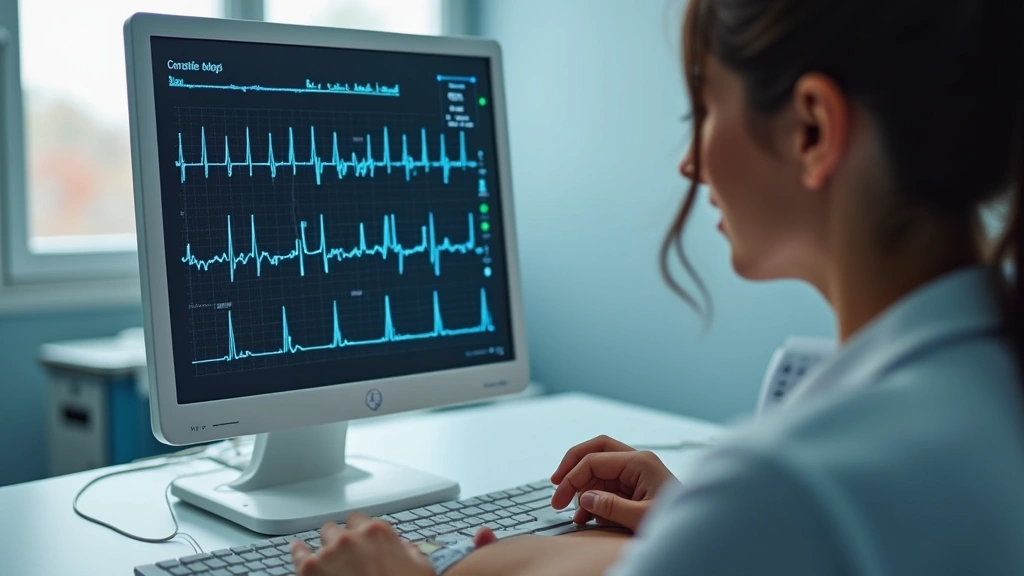
Certified EKG Tech Tools: Expert Recommendations for Medical Professionals
The electrocardiogram (EKG) remains one of the most critical diagnostic tools in modern healthcare, and certified EKG technicians play a vital role in patient care. Whether you’re just beginning your certification journey or looking to upgrade your existing toolkit, selecting the right equipment can significantly impact diagnostic accuracy and workflow efficiency. This comprehensive guide explores the best certified EKG tech tools available today, featuring detailed specifications, practical recommendations, and expert insights to help you make informed purchasing decisions.
As healthcare technology continues to evolve, certified EKG technicians must stay equipped with instruments that combine reliability, precision, and ease of use. The market offers numerous options ranging from traditional analog devices to cutting-edge digital systems, each with distinct advantages for different clinical environments. Understanding the nuances of each tool category will empower you to select equipment that enhances your professional capabilities and improves patient outcomes.
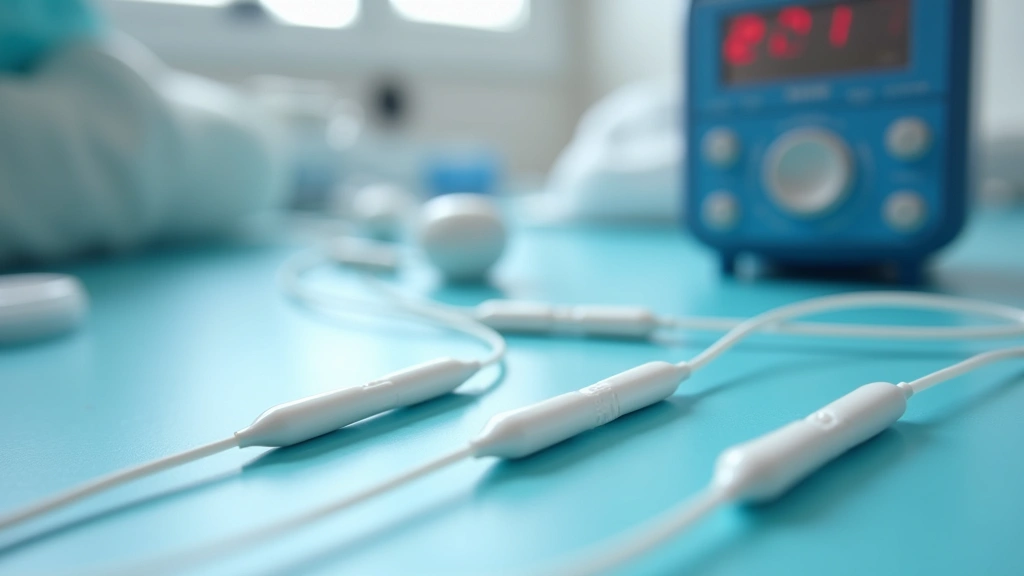
Understanding EKG Equipment Standards and Certification
Certified EKG technicians must work with equipment that meets rigorous FDA and international standards. The FDA regulates all diagnostic EKG devices as Class II medical devices, requiring manufacturers to demonstrate substantial equivalence to predicate devices. Understanding these standards ensures you’re working with reliable, clinically validated equipment that produces accurate diagnostic information.
The certification process for EKG devices involves comprehensive testing for signal fidelity, noise rejection, and artifact detection. Look for equipment bearing the FDA 510(k) clearance, which indicates the device has undergone proper regulatory review. Additionally, seek tools certified by organizations like the Association for the Advancement of Medical Instrumentation (AAMI), which establishes performance standards for cardiac monitoring equipment.
When evaluating certified EKG tech tools, prioritize devices with 12-lead simultaneous acquisition capabilities, which provide superior diagnostic accuracy compared to sequential recording methods. The sampling rate should be at least 500 Hz (samples per second) to accurately capture high-frequency cardiac signals. Sensitivity and specificity for arrhythmia detection represent critical performance metrics that directly impact clinical decision-making.
As you explore our technology blog resources, you’ll discover how modern medical electronics apply principles similar to those discussed in ceramic capacitor applications, which are fundamental components in EKG signal conditioning circuits.
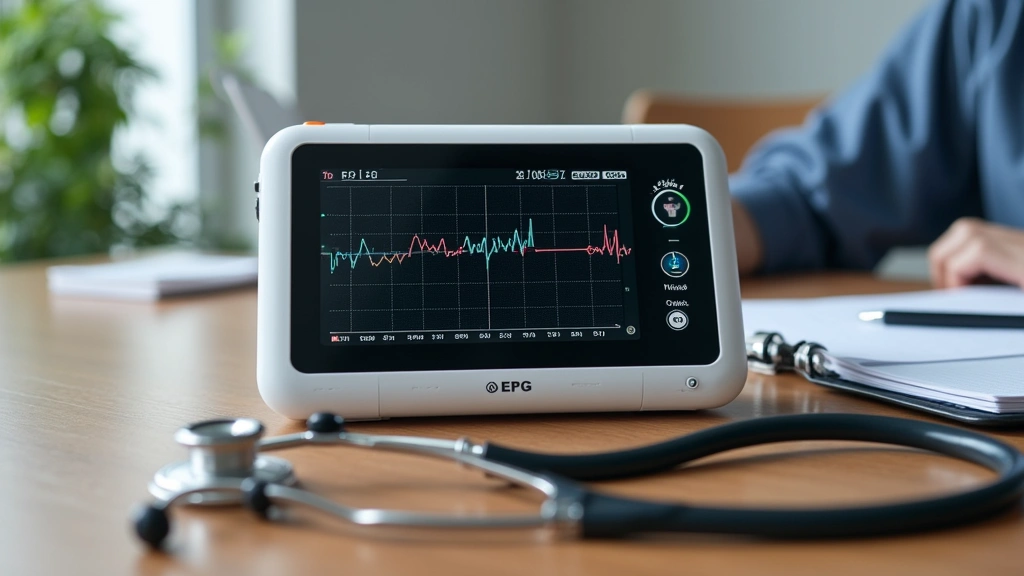
Top Digital EKG Machines for Professional Use
The GE MAC 5500 represents the gold standard in hospital and clinic settings, offering exceptional diagnostic capabilities with intuitive operation. This 12-lead system features simultaneous acquisition of all cardiac signals, reducing total acquisition time to approximately 10 seconds. The device includes advanced interpretive algorithms developed through analysis of millions of EKGs, providing clinicians with highly accurate preliminary interpretations while emphasizing the importance of physician oversight.
Key specifications include:
- Display resolution: 7-inch color touchscreen with high-definition graphics
- Paper speed options: 25 and 50 mm/second for flexible documentation
- Storage capacity: Internal memory for 500+ patient records with secure encryption
- Connectivity: HL7 interface for seamless EMR integration
- Battery backup: 4-hour continuous operation on internal battery
The Philips PageWriter TC70 offers excellent value for smaller clinical environments and private practices. This compact system delivers professional-grade diagnostics without the complexity of larger platforms. The device weighs just 8 pounds and measures 11x9x3 inches, making it ideal for mobile cardiac screening programs. Its innovative design incorporates auto-calibration functionality that ensures consistent signal quality throughout the day.
For detailed insights on upgrading healthcare technology infrastructure, review our guide on system upgrades and performance optimization, which applies similar principles to EKG device configuration.
The Mortara ELI 380 stands out for its exceptional noise rejection and artifact detection capabilities, particularly valuable in challenging environments like emergency departments or ambulances. This system features proprietary signal processing that maintains diagnostic accuracy even in high-interference settings. The 3-channel simultaneous recording reduces patient contact time while maintaining full 12-lead diagnostic information.
Portable and Mobile EKG Solutions
Portable EKG devices have revolutionized cardiac screening in remote locations and community health settings. The AliveCor Kardia mobile device represents a breakthrough in consumer-accessible cardiac monitoring, utilizing smartphone technology for convenient EKG recording. While not a replacement for clinical-grade systems, it serves as an excellent screening tool for identifying potential arrhythmias in asymptomatic populations.
The Vitalograph CARDIO50 provides a middle ground between consumer devices and full clinical systems. This battery-powered unit weighs 2.5 pounds and operates for approximately 8 hours on standard AA batteries, making it ideal for fieldwork and remote health initiatives. The device features a thermal printer for immediate hardcopy records and Bluetooth connectivity for wireless data transmission to central monitoring stations.
Key advantages of portable systems include:
- Rapid deployment in emergency response scenarios
- Reduced patient anxiety in non-hospital environments
- Improved access to cardiac screening in underserved communities
- Enhanced mobility for occupational health programs
- Cost-effectiveness for high-volume screening applications
When selecting portable EKG devices, verify they meet the same diagnostic standards as stationary systems. Check for FDA clearance and compare specifications for sampling rate, filter bandwidth, and interpretive accuracy. Battery life, durability, and connectivity options significantly impact practical utility in field settings.
Essential Accessories and Supplies
High-quality electrodes represent the foundation of accurate EKG recording. Disposable Ag/AgCl electrodes with integrated conductive gel provide superior signal quality and reduce patient skin irritation. Premium electrodes like 3M Red Dot or Medtronic Physio-Control products feature hydrogel formulations that maintain electrical conductivity throughout extended monitoring periods.
Electrode specifications to evaluate:
- Adhesive strength: Secure contact for 24-48 hours without skin damage
- Conductivity: Impedance <2000 ohms for optimal signal transmission
- Hypoallergenic composition: Suitable for sensitive or compromised skin
- Packaging: Individual sealed packets maintaining sterility and hydration
- Cost: Typically $0.15-0.40 per electrode in bulk ordering
EKG cables and lead wires require periodic inspection and replacement. Damaged insulation or corroded connectors introduce noise and signal artifacts that compromise diagnostic accuracy. Invest in shielded, twisted-pair cables from reputable manufacturers like Philips or GE, which cost $150-400 per set but provide years of reliable service.
Paper for thermal and impact printers must meet specific thickness and sensitivity standards. Standard 80mm x 20m rolls designed for EKG use provide optimal recording quality. Consider purchasing in bulk to maintain cost efficiency, with typical pricing around $3-8 per roll depending on specifications.
Maintenance supplies including electrode gel, alcohol prep pads, and cleaning solutions ensure device longevity and infection control compliance. Budget approximately $200-400 annually for routine maintenance consumables per device.
Software Integration and Data Management
Modern EKG systems increasingly emphasize software integration with hospital information systems and electronic medical records. Advanced AI and technology integration now enables automated rhythm analysis and trend monitoring across patient populations.
DICOM (Digital Imaging and Communications in Medicine) compliance has become essential for interoperability between EKG devices and clinical IT infrastructure. Systems supporting DICOM allow secure transmission of EKG data to central repositories, enabling cardiologists to review studies remotely and maintain comprehensive patient records.
Cloud-based EKG management platforms offer significant advantages:
- Centralized storage with HIPAA-compliant encryption
- Accessible review from any internet-connected device
- Automated backup preventing data loss
- Longitudinal analysis tracking cardiac changes over time
- Integration with telemedicine platforms for remote consultations
When evaluating software solutions, prioritize systems with intuitive interfaces that minimize technician training time. Look for features including patient demographic management, automatic report generation, and customizable workflow templates that match your facility’s protocols.
Data security represents a critical consideration in software selection. Verify that systems implement end-to-end encryption, multi-factor authentication, and audit logging that tracks all access to patient information. Compliance with HIPAA regulations, GDPR requirements for international operations, and state-specific privacy laws ensures legal and ethical data handling.
Maintenance and Calibration Best Practices
Regular maintenance extends device lifespan and ensures consistent diagnostic accuracy. Establish a preventive maintenance schedule that includes monthly functional testing, quarterly calibration verification, and annual comprehensive service by qualified technicians.
Functional testing procedures include:
- Signal simulation: Verify device accurately displays standard test patterns at known frequencies
- Electrode impedance testing: Confirm all lead connections maintain proper electrical characteristics
- Display verification: Check screen brightness, color accuracy, and touchscreen responsiveness
- Connectivity testing: Validate EMR interface, printer function, and wireless capabilities
- Battery performance: Confirm adequate charge capacity and backup duration
Calibration verification ensures measurement accuracy for critical parameters like heart rate, QT interval, and amplitude measurements. Most manufacturers recommend annual factory calibration, with documentation retained for regulatory compliance. Devices drifting outside acceptable parameters should be removed from clinical service immediately.
Environmental considerations significantly impact EKG device performance. Maintain operating temperatures between 50-104°F (10-40°C) and humidity levels of 30-75% to prevent condensation and component degradation. Avoid direct sunlight exposure, electromagnetic interference sources, and physical vibration that can damage sensitive electronics.
Budget Considerations and ROI Analysis
Initial capital investment for EKG equipment varies dramatically based on device sophistication and intended application. A basic portable system costs $2,000-5,000, while comprehensive 12-lead hospital systems range from $15,000-40,000. When planning budgets, factor in accessories, software licenses, maintenance contracts, and training costs.
Return on investment calculations should consider:
- Volume metrics: Number of EKGs performed daily, weekly, or annually
- Reimbursement rates: Insurance and government payment for EKG services
- Operational efficiency: Time saved through automation reducing technician labor costs
- Diagnostic accuracy: Improved patient outcomes reducing readmissions and complications
- Facility requirements: Space, power, and IT infrastructure needs
Leasing options provide flexibility for facilities with uncertain volume projections or limited capital budgets. Typical lease arrangements cost $400-800 monthly for clinical-grade systems, including maintenance and technical support. This approach transfers equipment risk to the vendor while preserving capital for other priorities.
For healthcare technology professionals exploring career advancement, consider reviewing emerging technology skills that complement certified EKG technician credentials, particularly programming languages used in medical device development.
Negotiating volume discounts with manufacturers can reduce per-unit costs significantly. Facilities purchasing multiple devices often receive 15-30% discounts plus complimentary training and extended warranty periods. Building relationships with manufacturer representatives provides access to beta testing opportunities and advance notice of new product launches.
Total cost of ownership over a 5-year device lifecycle typically ranges from $25,000-60,000 for clinical systems when including purchase price, maintenance, consumables, and staff training. Comparing these costs against revenue generated and clinical benefits justifies investment in quality equipment.
FAQ
What certifications do I need to operate certified EKG tech equipment?
Most states require certified EKG technicians to complete an accredited training program (typically 4-8 weeks) and pass the National Healthcareer Association (NHA) or American Medical Technologists (AMT) certification examination. Continuing education requirements vary by state, generally ranging from 12-20 hours annually. Verify specific requirements with your state’s healthcare licensing board.
How often should EKG devices be calibrated?
Manufacturers recommend annual factory calibration, with monthly in-house functional testing to verify continued accuracy. Devices showing measurement discrepancies exceeding ±5% should be recalibrated immediately. Documentation of all calibration activities is essential for regulatory compliance and quality assurance.
Can portable EKG devices provide the same diagnostic accuracy as hospital systems?
Portable devices meeting FDA standards provide equivalent diagnostic accuracy for rhythm identification and basic measurements. However, full interpretation often requires cardiologist review, particularly for complex arrhythmias. Clinical context and patient history remain essential for accurate diagnosis regardless of equipment type.
What’s the average lifespan of an EKG machine?
Clinical-grade EKG systems typically function reliably for 7-10 years with proper maintenance. Thermal printers and batteries may require replacement every 3-5 years. Portable devices often have shorter lifespans of 4-6 years due to increased physical stress and battery degradation.
How do I ensure HIPAA compliance with EKG data storage?
Implement end-to-end encryption for data transmission and storage, use HIPAA-compliant cloud platforms with Business Associate Agreements, maintain comprehensive audit logs of all system access, and ensure staff training on privacy regulations. Regular security assessments and penetration testing identify vulnerabilities before they compromise patient data.
What’s the difference between 12-lead simultaneous and sequential EKG recording?
Simultaneous recording captures all 12 leads at identical time intervals, providing superior accuracy for rhythm analysis and measurement consistency. Sequential recording acquires leads in sequence, introducing timing variations that can distort measurements and complicate arrhythmia interpretation. Simultaneous systems represent the diagnostic standard for clinical use.


