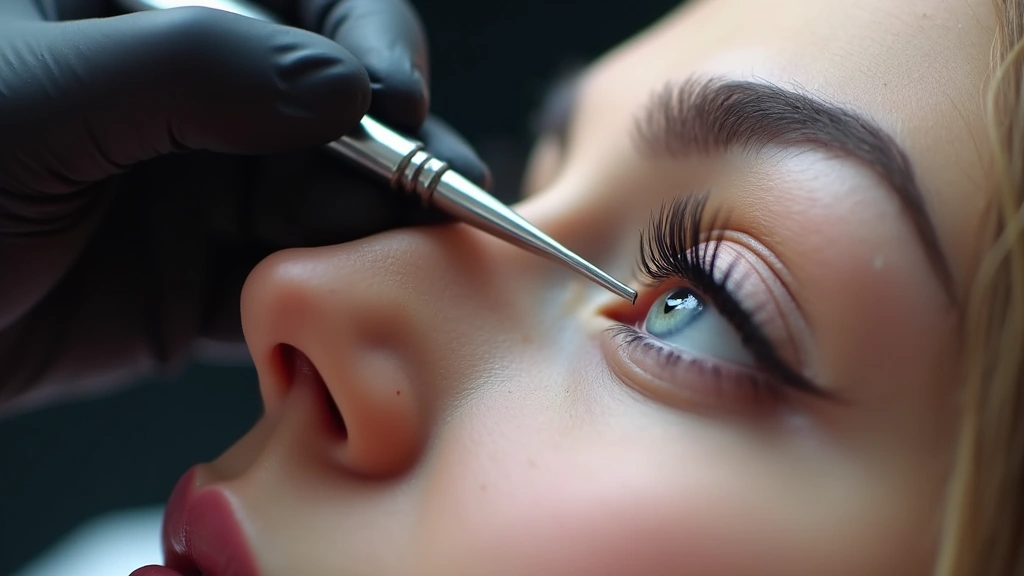
Certified Lash Tech Guide: Expert Tips Revealed
Becoming a certified lash tech requires dedication, precision, and mastery of specialized techniques that transform eye aesthetics. The beauty industry demands professionals who understand not only the artistry behind lash extensions but also the technical knowledge required to deliver safe, stunning results. This comprehensive guide reveals insider secrets from industry experts, covering everything from certification pathways to advanced application methods that set certified professionals apart from untrained practitioners.
The demand for qualified lash technicians continues surging as eyelash extensions evolve into a multi-billion dollar industry segment. Whether you’re aspiring to become certified or seeking to understand what qualifies a true professional, this guide provides actionable insights backed by industry standards and expert recommendations. Certified lash techs invest hundreds of hours in training, mastering volumization techniques, understanding adhesive chemistry, and developing the steady hands required for precision work that lasts 3-6 weeks.
Certification Requirements and Training Standards
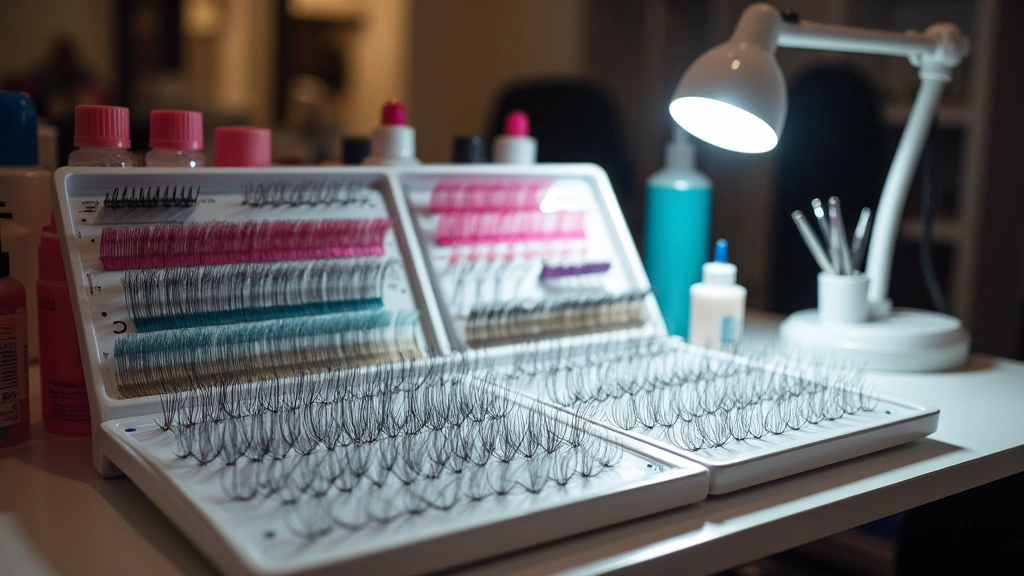
A certified lash tech must complete rigorous training programs that vary by state and country. Most reputable certification programs require 150-500 hours of hands-on instruction, theoretical knowledge, and practical examinations. The certification process validates that technicians understand lash anatomy, adhesive chemistry, application safety, and client communication skills essential for professional success.
Training programs accredited by beauty industry boards cover fundamental competencies including natural lash structure, growth cycles, and the physiological factors affecting extension retention. Students learn to identify different lash types—from fine and sparse to thick and curly—and adapt their techniques accordingly. Learning methodologies in certified programs emphasize hands-on practice over passive instruction, with students completing 50+ full sets before certification attempts.
Certification exams test both theoretical knowledge and practical skills. Written examinations assess understanding of adhesive composition, lash curl classifications, eye anatomy, and safety protocols. Practical exams require technicians to complete full lash sets within time limits while maintaining quality standards. Industry certification bodies establish benchmarks ensuring certified professionals meet consistent standards across regions.
Continuing education requirements keep certified lash techs current with evolving techniques and products. Many certification programs mandate 20-40 annual continuing education hours to maintain credentials. This ensures professionals stay informed about new adhesive formulations, lash material innovations, and emerging application methods that enhance client results.
Essential Tools and Equipment Specifications
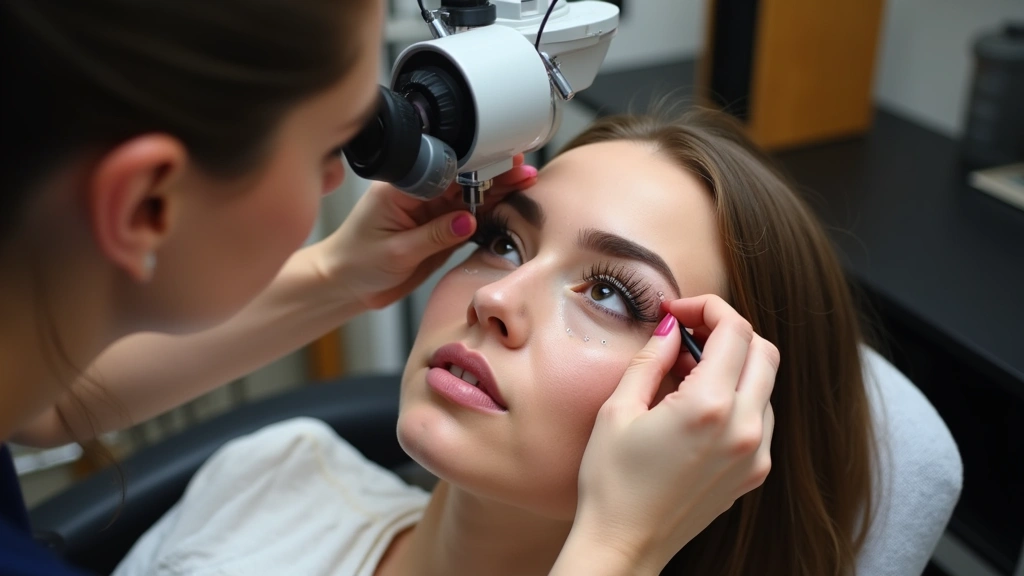
Professional-grade tools separate certified technicians from amateurs. The foundation of quality lash work begins with precision instruments engineered for delicate eye work. A certified lash tech invests in tweezers specifically designed for lash extension application, typically costing $30-$150 per pair for high-quality options.
Tweezers come in multiple styles: isolation tweezers for separating natural lashes, application tweezers for holding extensions, and volume tweezers for creating fan-shaped lashes. The best certified professionals maintain 3-5 tweezers of different types, rotating them to prevent fatigue during extended application sessions. Stainless steel construction ensures durability and prevents rust, while precision-ground tips maintain accuracy across hundreds of applications.
Adhesive selection dramatically impacts results and client safety. Certified lash techs use professional-grade cyanoacrylate adhesives specifically formulated for eyelash extensions, not general-purpose super glues. Premium adhesives from manufacturers like Lady Glue Boss and Flirt Lashes offer superior retention, minimal fumes, and hypoallergenic formulations. Adhesive viscosity ranges from thin (faster setting, better for volume) to thick (slower setting, better for classic sets), requiring certified techs to select appropriate formulations for each client.
Lighting equipment ensures precision work impossible under standard illumination. Professional lash stations require color-corrected LED lights providing 5000K temperature and minimum 500 lux brightness. Many certified technicians invest in magnifying lamps with integrated lighting, costing $200-$800, enabling clear visualization of natural lash placement and adhesive application points.
Lash extension materials vary significantly in quality and composition. Certified professionals use silk, mink, or synthetic lashes manufactured to precise specifications. Synthetic lashes offer affordability and durability, while silk and mink provide softer aesthetics at premium prices. Curl patterns range from J (natural) to CC (dramatic), with certified techs maintaining inventory of 15-30 curl variations to match client preferences and natural lash characteristics.
Advanced Application Techniques
Master-level certified lash techs employ sophisticated application methods that maximize retention and aesthetic appeal. The classic technique involves bonding individual extensions to single natural lashes, requiring meticulous isolation and precise adhesive placement. Expert practitioners complete classic sets in 90-120 minutes while maintaining consistent lash placement and natural appearance.
Volume lashing represents an advanced specialization where certified techs create hand-made or pre-made fans—multiple thin extensions bonded to single natural lashes. This technique requires exceptional steady hands and understanding of weight distribution, as improper volume application stresses natural lashes and causes premature shedding. Certified volume specialists complete training specifically in fan creation, learning to make 2D-6D fans with consistent density and shape.
Hybrid lashing combines classic and volume techniques, offering balanced density and texture. A certified hybrid specialist strategically places volume fans alongside classic lashes, creating dimensional effects while maintaining natural lash health. This technique demands expertise in both application methods and artistic visualization of final results.
Mapping techniques distinguish professional certified techs from untrained practitioners. Before application begins, certified professionals map natural lash placement, identifying gaps and density variations. This strategic planning ensures extensions fill sparse areas while avoiding overloading strong lashes. Expert mappers spend 15-20 minutes planning before touching adhesive, resulting in superior final aesthetics.
Retention techniques extend lash longevity beyond standard 3-6 week cycles. Certified techs use isolation methods preventing adjacent lash bonding, precise adhesive application minimizing excess, and proper curing techniques ensuring complete polymerization. Advanced practitioners teach clients specific aftercare routines—avoiding oil-based products, gentle cleansing, and proper brushing—that measurably extend retention.
Client Consultation and Patch Testing Protocols
Professional certified lash tech services begin with comprehensive consultations establishing client goals, assessing natural lash health, and identifying potential contraindications. Certified practitioners spend 15-30 minutes understanding client lifestyle, aesthetic preferences, and maintenance commitment before proceeding with applications.
Natural lash assessment involves magnified examination of lash density, curl pattern, length, and overall health. Certified techs identify conditions like lash loss from extensions, alopecia, or eyelid sensitivity that might contraindicate treatment. Thorough assessment prevents damage to compromised lashes and ensures client satisfaction through realistic expectation-setting.
Patch testing protects clients with adhesive sensitivity or unknown allergies. Professional certified programs mandate patch tests 24-48 hours before full application, using small adhesive amounts on the eyelid to monitor for reactions. This critical safety protocol prevents allergic reactions affecting the delicate eye area, protecting both client health and technician liability.
Lash style selection requires certified professionals to recommend options matching client eye shape, face structure, and lifestyle. Almond-shaped eyes suit diverse styles, while hooded eyes benefit from outer corner emphasis. Certified consultants discuss curl intensity, length variations, and density preferences while managing unrealistic expectations about volume or drama achievable with natural lash foundations.
Documentation standards distinguish certified practices from unregulated services. Professional techs maintain detailed client records including lash assessments, adhesive sensitivity history, style selections, and application dates. This documentation protects technicians legally while enabling consistent quality across repeat appointments.
Safety Standards and Sanitation Practices
Certified lash techs maintain rigorous sanitation protocols protecting clients from infection and contamination. Professional standards require single-use applicators, sterile tweezers, and sanitized work surfaces between clients. Certified practitioners use hospital-grade disinfectants on all tools, replacing tweezers in ultrasonic cleaners between applications.
Adhesive safety requires proper ventilation, fume extraction, and client positioning. Professional lash stations incorporate fume extraction systems removing cyanoacrylate vapors that cause eye irritation and respiratory discomfort. Certified techs position clients with eyelids properly closed, preventing adhesive contact with eyes while allowing complete visibility for precise application.
Eye health protection involves understanding conditions contraindicated for lash extensions. Certified professionals refuse service to clients with active eye infections, severe allergies, or eyelid conditions requiring medical attention. This professional boundary-setting protects client health and prevents complications from unsafe applications.
Adhesive allergy management requires certified techs to understand cyanoacrylate sensitivity and provide alternative options. Low-fume adhesives, hypoallergenic formulations, and extended patch testing protocols accommodate sensitive clients. Some certified specialists maintain inventory of medical-grade adhesives specifically formulated for allergy-prone individuals.
Lash extension removal requires certified expertise preventing natural lash damage. Professional removal involves specialized adhesive removers dissolving bonds without pulling natural lashes, taking 15-30 minutes per eye. Certified techs never recommend DIY removal methods risking lash loss and eyelid irritation.
Building Your Lash Tech Business
Successful certified lash techs develop business acumen complementing technical skills. Pricing strategies for certified professionals typically range $150-$400 for initial full sets, reflecting training investment, overhead costs, and regional market rates. Business development experts recommend certified techs research local market rates, considering experience level, location prestige, and client demographics.
Client retention directly impacts profitability, with certified techs focusing on exceptional service, clear communication, and consistent results. Maintenance appointments every 2-3 weeks generate recurring revenue, while referral programs incentivize client advocacy. Certified professionals who excel at communication and manage expectations enjoy 70-80% retention rates, significantly outperforming average practitioners.
Marketing strategies for certified lash techs emphasize credentials, before-and-after portfolios, and client testimonials. Social media platforms showcase application precision and style diversity, while professional certifications build trust with potential clients. Tech-savvy marketing approaches incorporating digital portfolios and online booking systems streamline client acquisition.
Professional development separates thriving certified techs from stagnant practitioners. Continuing education in new techniques, advanced styling, and business management keeps practitioners competitive. Many successful certified techs invest in advanced certifications—such as volume specialization or remedial lash training—commanding premium pricing and attracting demanding clientele.
Studio setup requires significant investment for certified professionals. Comfortable client beds ($300-$1000), professional lighting ($200-$800), and ergonomic seating ($200-$600) create environments supporting quality work during extended sessions. Home-based operations save overhead while requiring dedicated space meeting sanitation standards and local business codes.
FAQ
How long does certified lash tech training take?
Comprehensive certification programs typically require 150-500 hours of training, translating to 4-12 weeks of full-time study or 3-6 months of part-time training. Reputable programs combine theoretical instruction with extensive hands-on practice before certification attempts.
What’s the difference between certified and non-certified lash techs?
Certified lash techs complete standardized training, pass examinations, and maintain continuing education requirements. Non-certified practitioners may lack formal training in safety protocols, adhesive chemistry, and proper application techniques, increasing risks of allergic reactions, lash damage, and unsatisfactory results.
How much do lash extensions cost from certified professionals?
Initial full sets from certified techs range $150-$400 depending on location, experience, and technique complexity. Maintenance appointments cost $60-$150. Premium certified specialists in major cities command higher rates reflecting expertise and clientele demand.
Can I become a certified lash tech without prior beauty experience?
Yes, quality certification programs accept students without beauty backgrounds, providing comprehensive foundational training. However, artistic ability, steady hands, attention to detail, and genuine interest in client service significantly impact success rates and progression speed.
How often should I get lash extension fills?
Natural lashes shed on 60-90 day cycles, requiring maintenance fills every 2-3 weeks to maintain density. Certified techs recommend regular fills over full replacements, extending extension longevity and reducing natural lash stress.
What aftercare do certified techs recommend?
Professional certified techs recommend avoiding oil-based products, water exposure for 24-48 hours post-application, gentle cleansing with extension-safe products, and daily brushing with provided lash combs. Proper aftercare extends retention significantly, often adding 1-2 weeks to lash longevity.
Are there different certifications for various lash techniques?
Yes, certified professionals can specialize through advanced certifications in volume lashing, hybrid techniques, remedial lash training, and lash removal. These specializations require additional 20-100 hours of focused training, enabling certified techs to offer specialized services commanding premium pricing.
How do certified lash techs handle allergic reactions?
Professional certified techs conduct patch tests before full application, maintain allergy documentation, offer low-fume adhesive alternatives, and know when to refer clients to medical professionals. Comprehensive allergy protocols prevent complications while protecting technician liability.


