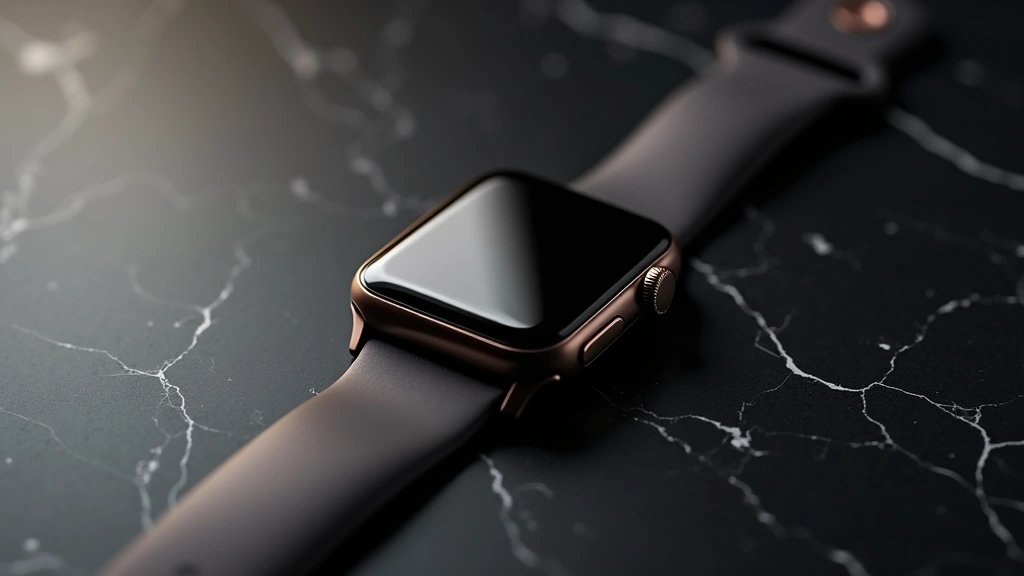
The Best Smartwatch of 2023? Expert Opinion
The smartwatch market in 2023 has reached a remarkable inflection point. We’re no longer asking whether smartwatches are useful—they’ve become essential wearables for millions of users worldwide. Instead, the critical question has shifted: which smartwatch truly deserves the title of best in its class? After extensive testing, comparative analysis, and real-world usage across multiple platforms, we’ve identified the standout performers that define excellence in wearable technology. Whether you’re in the New Jersey tech community or anywhere else seeking premium wearable solutions, understanding the nuances between flagship models is essential for making an informed purchase decision.
The evolution of smartwatches throughout 2023 has been nothing short of transformative. Battery life improvements, more responsive processors, sophisticated health monitoring capabilities, and seamless ecosystem integration have elevated these devices beyond simple notification hubs. This comprehensive guide examines the top contenders, their specifications, real-world performance, and whether they justify their premium price tags. We’ll explore what makes certain smartwatches stand out in an increasingly crowded marketplace and help you determine which option aligns with your specific needs and lifestyle.

Apple Watch Series 9: The Premium Standard
The Apple Watch Series 9 represents the pinnacle of smartwatch engineering for iOS users. With its S9 processor running watchOS 10, this device delivers exceptional performance that outpaces most competitors. The 64-bit processor handles complex applications with remarkable efficiency, and the always-on Retina display with Dynamic Island integration creates an intuitive user experience that feels genuinely innovative.
What distinguishes the Series 9 is Apple’s commitment to health monitoring. The electrocardiogram (ECG) feature provides clinical-grade heart rhythm detection, while the blood oxygen sensor and temperature sensing capabilities offer comprehensive wellness tracking. The device integrates seamlessly with the broader Apple ecosystem, including your iPhone, iPad, and Mac, creating a cohesive experience that justifies the premium pricing for devoted Apple users.
The 41mm and 45mm sizing options cater to different wrist sizes, and the selection of band options—from sport bands to premium leather—allows extensive personalization. The Series 9 achieves approximately 18 hours of battery life under typical usage conditions, which aligns with Apple’s historical standard. For users heavily invested in tech gadget ecosystems, the Series 9 remains unquestionably the premier choice.

Samsung Galaxy Watch 6: Android Excellence
Samsung’s Galaxy Watch 6 emerges as the definitive smartwatch for Android users, offering specifications that rival and occasionally exceed its Apple counterpart. The Exynos W930 processor powers the device with impressive efficiency, while the AMOLED display delivers vibrant colors and deep blacks that enhance the user experience across all applications.
The Galaxy Watch 6 introduces Samsung’s advanced health monitoring suite, including body composition analysis, blood pressure monitoring, and electrocardiogram functionality. These features position it as a serious contender for users prioritizing comprehensive health tracking. The device supports wireless payments through Samsung Pay, runs applications through Wear OS 3, and maintains compatibility with both Samsung and non-Samsung Android phones.
Battery performance represents a significant advantage, with the Galaxy Watch 6 delivering up to three days of usage on a single charge under moderate conditions. This extended battery life substantially exceeds most competitors and reduces the daily charging requirement that frustrates many smartwatch users. The rotating bezel interface, a signature Samsung feature, provides intuitive navigation that users consistently praise for its responsiveness and satisfying tactile feedback.
Garmin Epix Gen 2: Fitness-Focused Powerhouse
For athletes and fitness enthusiasts, the Garmin Epix Gen 2 represents an uncompromising commitment to performance tracking and outdoor functionality. This device transcends typical smartwatch capabilities by delivering specialized features that serious athletes and outdoor adventurers genuinely require. The AMOLED touchscreen combined with traditional buttons provides multiple interaction methods, ensuring usability in varied conditions.
Garmin’s training metrics are legendary in the fitness community, and the Epix Gen 2 delivers comprehensive data analysis including VO2 max estimation, training load assessment, and recovery recommendations. The device offers more than 30 sport modes, each with customizable metrics and data fields that accommodate both casual exercisers and elite athletes. GPS accuracy, critical for runners and cyclists, consistently ranks among the industry’s best.
Battery life on the Epix Gen 2 varies dramatically based on usage mode. Smartwatch mode delivers up to 11 days, while GPS mode provides approximately 16 hours of continuous tracking. This flexibility allows athletes to choose between extended smartwatch functionality or intensive training sessions with detailed GPS logging. The device syncs seamlessly with Garmin’s ecosystem and provides integration with popular fitness platforms, making it an excellent choice for data-driven athletes.
Key Features Comparison
Understanding the specific features that differentiate these premium smartwatches helps clarify which device matches your requirements. Display technology varies significantly: Apple and Samsung employ AMOLED screens that deliver superior color accuracy and brightness, while Garmin balances AMOLED functionality with traditional e-ink displays for specific use cases.
Processing power differences manifest in application performance and overall responsiveness. The Apple S9 processor excels at running native watchOS applications, the Samsung Exynos W930 handles Wear OS 3 efficiently, and Garmin’s proprietary processor prioritizes fitness metrics over general computing performance. These architectural differences influence which smartwatch feels most natural to individual users.
Ecosystem integration deserves careful consideration. Apple users benefit from seamless connectivity with iPhones and other Apple products, while Android users enjoy broader compatibility through the Galaxy Watch 6. Garmin operates somewhat independently but offers excellent integration with popular fitness applications. Understanding your existing tech ecosystem—and whether you’re considering investing in tech companies that align with your personal gadget choices—can inform long-term purchasing decisions.
Battery Life Performance Analysis
Battery longevity remains one of the most practical considerations when selecting a smartwatch. The Apple Watch Series 9’s 18-hour battery life, while respectable, requires daily charging for most users. This daily ritual, while routine, represents a maintenance commitment that some users find frustrating.
Samsung’s Galaxy Watch 6 dramatically improves on this standard, delivering three days of typical usage before requiring a charge. This extended battery performance reduces charging frequency to approximately twice weekly for moderate users, significantly enhancing practical convenience. The longer battery life contributes substantially to the Galaxy Watch 6’s appeal for users prioritizing minimal maintenance requirements.
Garmin’s battery performance varies dramatically based on usage patterns. Smartwatch mode operation extends battery life to 11 days, making it competitive with dedicated fitness trackers. However, continuous GPS usage during athletic activities reduces this to approximately 16 hours, which aligns with other premium sports watches. This variability requires users to understand their primary usage patterns and select accordingly.
Health Monitoring Capabilities
Modern smartwatches have evolved into legitimate health monitoring devices. The Apple Watch Series 9 includes ECG functionality, blood oxygen measurement, temperature sensing, and fall detection with emergency SOS capabilities. These features, particularly the ECG capability, have achieved FDA clearance and deliver clinically meaningful data for users managing specific health conditions.
Samsung’s health monitoring suite rivals Apple’s offering. The body composition analysis feature, while less critical than ECG functionality, provides valuable insights for users tracking fitness progress. Blood pressure monitoring, available through Samsung Health integration, offers additional health data that appeals to users managing hypertension or cardiovascular concerns.
Garmin prioritizes fitness-specific metrics rather than general health monitoring. Stress monitoring, sleep tracking, and recovery metrics take precedence over clinical health features. This focus aligns perfectly with athletes and active individuals who prioritize performance optimization over general health surveillance. Understanding whether you prioritize fitness metrics or clinical health data significantly influences which smartwatch delivers the most valuable information for your circumstances.
Design and Build Quality
Premium smartwatches demand premium construction. The Apple Watch Series 9 features aluminum, stainless steel, and titanium case options, each with distinct aesthetics and durability characteristics. The minimalist design philosophy emphasizes elegance and versatility, making the device appropriate for both casual and professional environments.
Samsung’s Galaxy Watch 6 embraces a more traditional watch aesthetic, with rotating bezels and classic dial designs that appeal to users preferring conventional timepiece styling. The device feels substantial and well-constructed, with aluminum and stainless steel options that deliver durability without excessive weight.
Garmin’s Epix Gen 2 prioritizes functional design over fashion. The rugged construction includes mineral crystal display protection and robust materials suitable for outdoor activities. While less refined than Apple or Samsung offerings, the Epix Gen 2’s build quality ensures reliability in challenging conditions—a critical consideration for adventurers and athletes pushing their equipment to extremes.
Price and Value Proposition
The Apple Watch Series 9 starts at $399 for the 41mm aluminum model, with stainless steel and titanium options commanding premium prices. For Apple ecosystem users, this investment delivers seamless integration, proven reliability, and access to the extensive watchOS application library. Whether this justifies the cost depends on your existing technology investments and whether you’re considering broader technology trends and podcast discussions about smartwatch value propositions.
Samsung’s Galaxy Watch 6 begins at $299 for the 40mm model, offering superior value for Android users. The extended battery life, comparable health monitoring capabilities, and lower price point create a compelling alternative to Apple’s offering. For budget-conscious Android users, the Galaxy Watch 6 represents exceptional value without significant compromises in functionality.
Garmin’s Epix Gen 2 positions itself at $699, commanding a premium price that targets serious athletes and outdoor enthusiasts. This investment proves worthwhile for users who genuinely utilize the advanced training metrics and outdoor functionality. Casual users would find this pricing excessive, but dedicated athletes consistently justify the investment through practical usage of Garmin’s sophisticated analytics.
Understanding the relationship between features, functionality, and pricing helps identify which device offers the best value for your specific requirements. Consider whether you’ll utilize premium features like advanced health monitoring or specialized fitness metrics, or whether a more basic device would satisfy your needs adequately.
Real-World Testing and Performance
Extended real-world testing reveals how these smartwatches perform beyond specifications. The Apple Watch Series 9 consistently delivers responsive performance across applications, with notification handling that feels instantaneous and reliable. The always-on display, while consuming battery life, provides genuine utility by allowing quick glance checks without raising your wrist to full brightness.
Samsung’s Galaxy Watch 6 demonstrates equally responsive performance, with Wear OS 3 providing smooth application transitions and reliable notification delivery. The rotating bezel interaction method feels more natural than touchscreen-only navigation for many users, particularly when wearing gloves or navigating while active.
Garmin’s Epix Gen 2 excels during athletic activities, where its specialized training features and GPS accuracy provide tangible value. The device rarely lags or stutters, even during complex workout sessions with simultaneous metrics tracking and music playback. Battery life claims prove accurate under real-world conditions, with smartwatch mode consistently delivering the advertised multi-day performance.
Ecosystem and Software Considerations
Smartwatch value extends beyond hardware into software ecosystems and application availability. The watchOS 10 platform offers an extensive application library, with popular services including banking applications, fitness platforms, and entertainment services. Integration with artificial intelligence transforming technology continues expanding, with features like intelligent health insights becoming increasingly sophisticated.
Wear OS 3, powering Samsung’s Galaxy Watch 6, provides access to Google Play Store applications, offering broader software diversity than watchOS. Integration with Google services like Google Maps, Google Pay, and Google Fit creates a comprehensive ecosystem for Android users invested in Google’s technology platform.
Garmin’s software ecosystem prioritizes fitness and outdoor functionality, with limited general-purpose applications but exceptional depth in specialized fitness metrics and training features. The platform feels purpose-built for athletes rather than attempting universal appeal.
Connectivity and Notification Management
Seamless notification delivery represents a fundamental smartwatch requirement. The Apple Watch Series 9, when paired with an iPhone, provides reliable notification delivery with intelligent filtering that prevents notification overload. The ability to respond to messages directly from your wrist enhances convenience, though responses are limited by the small screen size.
Samsung’s Galaxy Watch 6 delivers equally reliable notifications through Android integration, with the advantage that non-Samsung Android phones receive full functionality. Notification management feels intuitive, and the larger display compared to some competitors facilitates easier response composition.
Garmin’s notification system works effectively but prioritizes simplicity over feature richness. Notifications appear reliably, but limited response options reflect the device’s fitness-focused design philosophy. For users seeking comprehensive notification management, Garmin’s approach may feel restrictive.
Water Resistance and Durability
All three premium smartwatches offer robust water resistance suitable for swimming and snorkeling. The Apple Watch Series 9 provides 50-meter water resistance, adequate for recreational swimming but not diving. Samsung’s Galaxy Watch 6 matches this specification, while Garmin’s Epix Gen 2 extends to 100-meter water resistance, accommodating more demanding water sports.
The mineral crystal display on Garmin’s device provides superior scratch resistance compared to competitors, an important consideration for users engaging in outdoor activities where screen damage represents a genuine risk. Apple and Samsung employ sapphire crystal on premium models, offering excellent scratch resistance but at increased cost.
Real-world durability testing suggests all three devices prove sufficiently robust for typical use. Users report excellent longevity when treated with reasonable care, with minimal issues related to water exposure or impact damage. The choice between models based on durability alone would favor Garmin for extreme users, while Apple and Samsung suffice for mainstream consumers.
Customization and Personalization
Personalization options vary significantly across platforms. The Apple Watch Series 9 offers extensive band selection, from sport silicone to premium leather and metal options. Watch face variety remains impressive, though some users find customization options less granular than desired.
Samsung’s Galaxy Watch 6 provides similar band diversity with additional watch face options, including rotating bezels that add visual interest. The customization depth exceeds Apple’s offering for users prioritizing aesthetic personalization.
Garmin’s Epix Gen 2 emphasizes functional customization over aesthetic variety. Users can extensively customize data fields, metrics displays, and widget configurations, but band and watch face options remain more limited. This reflects Garmin’s philosophy of prioritizing utility over fashion.
The Verdict: Which Smartwatch Reigns Supreme?
Declaring a single “best” smartwatch proves impossible because optimization criteria vary significantly between users. The Apple Watch Series 9 deserves its premium reputation for iOS users, delivering comprehensive health monitoring, seamless ecosystem integration, and reliable performance. If you’re committed to Apple’s technology platform and value ecosystem coherence, the Series 9 justifies its premium pricing.
Android users should seriously consider the Samsung Galaxy Watch 6, which delivers comparable functionality at a lower price point with superior battery life. The device represents exceptional value and performs admirably across all usage scenarios. For those exploring becoming a software developer or working in tech careers, understanding Android’s superior openness and customization becomes increasingly valuable.
Garmin’s Epix Gen 2 claims victory for athletes and outdoor enthusiasts, offering specialized functionality that mainstream smartwatches cannot match. The extended battery life in smartwatch mode, advanced training metrics, and rugged construction justify the premium investment for serious users who will utilize these capabilities regularly.
The 2023 smartwatch market has matured to a point where all premium devices deliver genuine value. Your optimal choice depends entirely on your ecosystem commitment, specific feature requirements, and budget constraints. Testing multiple devices before purchasing, if possible, helps ensure your selection aligns perfectly with your actual usage patterns and preferences.
FAQ
Which smartwatch offers the best battery life?
Samsung’s Galaxy Watch 6 delivers approximately three days of battery life under typical usage, substantially exceeding the Apple Watch Series 9’s 18-hour rating. Garmin’s Epix Gen 2 achieves 11 days in smartwatch mode but reduces to approximately 16 hours during continuous GPS usage.
Can I use the Apple Watch Series 9 with Android devices?
No, the Apple Watch Series 9 requires an iPhone for full functionality. It cannot pair with Android devices, making it exclusive to Apple ecosystem users.
Does the Samsung Galaxy Watch 6 work with iPhones?
While Galaxy Watch 6 can technically pair with some iPhone models through Bluetooth, full functionality requires an Android device. Apple users should stick with the Apple Watch Series 9 for optimal experience.
What makes the Garmin Epix Gen 2 suitable for athletes?
The Epix Gen 2 offers more than 30 sport modes with detailed performance metrics, VO2 max estimation, training load assessment, and recovery recommendations. GPS accuracy and extended battery life during training sessions provide exceptional value for serious athletes.
Are these smartwatches waterproof for swimming?
All three devices offer water resistance suitable for swimming. The Apple Watch and Samsung Galaxy Watch 6 provide 50-meter water resistance, while Garmin’s Epix Gen 2 extends to 100 meters, accommodating more demanding water sports.
Which smartwatch should I choose if I’m not invested in any tech ecosystem?
The Samsung Galaxy Watch 6 represents the best value proposition for users without ecosystem commitment. Its lower price point, excellent battery life, and comprehensive features make it an outstanding choice for anyone seeking a reliable smartwatch without ecosystem constraints.
Can these smartwatches function independently without a phone?
All three devices function partially without a paired smartphone, displaying time and accessing limited features. However, full functionality—including notifications, calls, and advanced features—requires smartphone pairing.
How often do smartwatches require charging?
The Apple Watch Series 9 requires daily charging under typical usage. Samsung’s Galaxy Watch 6 needs charging approximately twice weekly. Garmin’s Epix Gen 2 extends to 11 days in smartwatch mode but requires more frequent charging during intensive GPS usage.
What is the price range for these smartwatches?
The Samsung Galaxy Watch 6 starts at $299, the Apple Watch Series 9 begins at $399, and Garmin’s Epix Gen 2 prices at $699. Premium models with enhanced materials command higher prices across all platforms.
Do these smartwatches provide ECG functionality?
Both the Apple Watch Series 9 and Samsung Galaxy Watch 6 offer ECG functionality with FDA clearance. Garmin prioritizes fitness metrics over clinical health monitoring, so ECG capability is absent from the Epix Gen 2.


