Table of Contents
Introduction
Picture this: You’re browsing for a new couch online, and instead of squinting at tiny photos and hoping for the best, you point your phone at your living room and—boom—there it is. The exact sofa you’re considering, sitting right there in your space. You can walk around it, see how it looks next to your coffee table, even check if it blocks that tricky corner you always forget about. This isn’t some sci-fi fantasy anymore. It’s happening right now, thanks to Augmented Reality (AR) completely changing how we shop.
Here’s the thing about retail—it’s always been about connection. The connection between what you want and what’s actually available, between imagining something and experiencing it. AR is bridging that gap in ways we never thought possible. When you look at the latest technology trends 2025, you’ll notice AR isn’t working alone. It’s teaming up with artificial intelligence and the Internet of Things to create this incredible retail ecosystem. Smart inventory that knows what you want before you do? Real-time personalization that actually gets you? Yeah, we’re talking about a complete game-changer here.
And let’s be honest—shopping today is different. We want everything faster, more personalized, and frankly, more convenient than ever before. (Who has time to drive to three different stores just to compare throw pillows?) AR gets this. It’s not just about making products look pretty—though it definitely does that. It’s about helping you make better decisions. Think fewer returns because you actually knew what you were getting. Better conversion rates because customers can truly visualize their purchase. The whole supply chain benefits too, as we explore in technology in supply chain management. Plus, when you need help, AR-powered customer service can guide you through exactly what you’re looking at, creating that seamless experience we all crave. There’s fascinating insight into this in technology for customer service.
Now, here’s where it gets really interesting. AR and artificial intelligence are becoming best friends in the retail world. While you’re virtually trying on that jacket, AI is analyzing your style preferences, past purchases, and even similar customers’ choices to suggest the perfect accessories. It’s like having a personal shopper who actually knows you—and never judges your 2 AM impulse shopping. If you dive into artificial intelligence in retail, you’ll see how AI handles the smart stuff behind the scenes while AR creates the magic you can see and touch. Combined with solid e-commerce marketing strategies, retailers are creating experiences that feel less like shopping and more like… well, fun.
What You’ll Learn in This Guide
Ready to dive into how augmented reality is reshaping retail? We’re going to explore this fascinating world together, covering everything from the basics to the cutting-edge stuff. Here’s what’s in store:
- Understanding Augmented Reality in Retail: We’ll break down what AR actually is (without the tech jargon) and show you how it’s creating those “wow” moments in stores and online.
- Benefits of AR Implementation: Discover why retailers are investing big in AR—from happier customers to fewer returns to sales numbers that actually make sense.
- Use Cases Demonstrated: See real examples of AR in action, from virtual try-ons that actually work to interactive displays that make shopping feel like playing a game.
- Challenges and Future Trends: Let’s get real about the hurdles retailers face and peek into what’s coming next (spoiler: it involves a lot more AI integration and mobile innovation).
What comes next isn’t just theory and predictions. We’re talking real-world examples, genuine insights from people who’ve been there, and practical advice whether you’re running a retail empire or just curious about why your shopping experience suddenly got so much cooler. This guide works for everyone—retailers looking to stay competitive, tech enthusiasts who love seeing innovation in action, or anyone who’s ever wondered how their phone can magically show them what furniture looks like in their actual room.
We’ll start by examining how AR actually works in retail environments. No technical mumbo-jumbo—just clear explanations of how businesses and shoppers both win. You’ll see actual case studies of people virtually trying on everything from makeup to motorcycles (yes, really), and how this technology boosts confidence in purchasing decisions. We’ll also dig into how AR makes shopping more personal, because who doesn’t want an experience that actually fits their style and needs?
But we won’t sugarcoat the challenges either. Implementing AR isn’t always smooth sailing, and we’ll talk about the real obstacles businesses face when they decide to take this leap. Looking ahead, we’ll explore the exciting fusion of AR with AI that’s creating smarter, more intuitive shopping environments—something the future of artificial intelligence touches on beautifully. Mobile AR is exploding, omnichannel strategies are getting more sophisticated, and frankly, we’re just getting started. By the time you finish reading, you’ll not only understand what’s happening in retail right now, but you’ll be ready for what’s coming next.
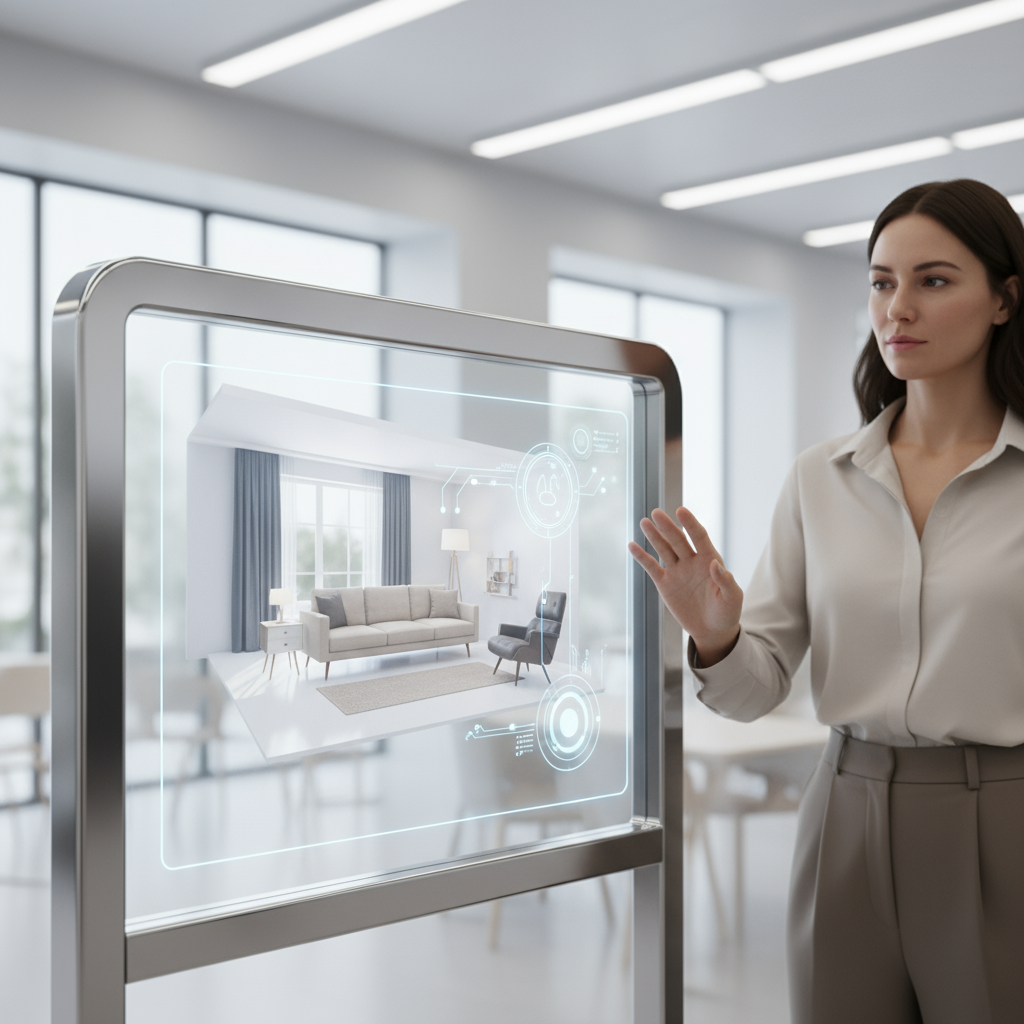
Picture this: you’re shopping for a new couch, but instead of squinting at tiny product photos and crossing your fingers it’ll look good in your living room, you can actually see it there—right in your space, perfectly positioned next to your coffee table. That’s augmented reality in retail, and it’s changing everything about how we shop. Retailers aren’t just jumping on the AR bandwagon because it’s trendy (though it definitely is). They’re using it because it solves real problems that both shoppers and businesses face every day. Think about it—how many times have you bought something online only to return it because it wasn’t quite what you expected? AR is tackling that head-on, creating shopping experiences that feel more like magic than technology. We’re going to dive into exactly how AR is reshaping retail, from the game-changing benefits it brings to the real-world applications that are already making waves. By the time we’re done here, you’ll understand why smart retailers are racing to get on board—and how this technology could give businesses a serious edge over their competition.
Benefits of Using AR in Retail
Let’s get real about what AR actually does for retailers. The biggest win? Customer engagement that actually means something. When shoppers can interact with products in ways they’ve never experienced before, something interesting happens—they stick around longer. Whether they’re in your store or browsing your app, they’re spending more time with your brand. And we all know what more engagement typically leads to, right? Better sales. Take virtual try-ons, for example. Instead of wondering “Will this lipstick shade work with my skin tone?” customers can see it instantly. Or imagine testing out how that new bookshelf fits in your bedroom corner before you buy it. This isn’t just cool technology—it’s problem-solving technology that makes people feel confident about their purchases.
Here’s where it gets even better: fewer returns. You know that sinking feeling when a customer returns something because it “wasn’t what they expected”? AR helps eliminate that disappointment before it happens. When people can actually see how something looks, fits, or works in their real environment, those ugly surprise returns drop significantly. That’s money back in your pocket and happier customers who got exactly what they wanted. Plus, there’s the competitive advantage angle. While your competitors are still relying on static product photos, you’re offering experiences that feel like they’re from the future. That kind of innovation doesn’t go unnoticed by customers. Speaking of innovation, AR fits perfectly with other tech advances that are modernizing retail, including the broader AI revolution that’s transforming everything from inventory management to customer service in this comprehensive AI retail transformation guide.
Key Aspects of Benefits of Using AR in Retail
Here’s what retailers are seeing when they implement AR solutions:
- Enhanced Customer Engagement: AR provides interactive experiences that captivate customers, increasing both in-store and online shopping duration, which boosts brand loyalty and sales opportunities.
- Improved Sales and Conversion Rates: Visualization tools allow shoppers to preview products realistically before purchase, reducing hesitation and facilitating confident buying decisions.
- Reduced Product Returns: AR’s ability to demonstrate fit, scale, and appearance helps align customer expectations with reality, decreasing return rates and associated costs.
- Competitive Differentiation: Using AR positions retailers as innovators, offering unique, memorable shopping experiences that differentiate them from competitors and drive customer preference.
Now that we’ve covered why AR matters for retailers, let’s look at how it’s actually being used in the wild. The applications we’re about to explore show just how creative businesses are getting with this technology—and how it’s solving real problems for both shoppers and store owners.
Use Cases of AR in Retail
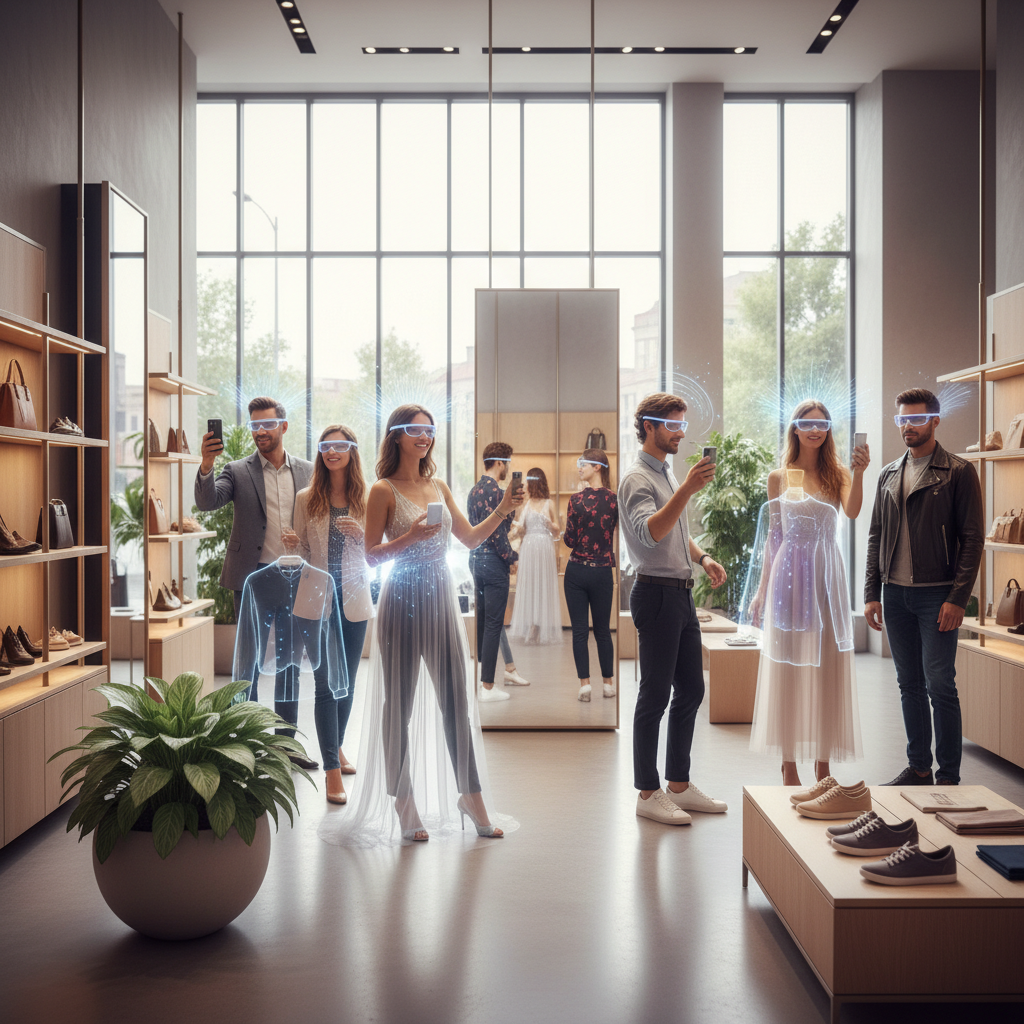
So what does AR in retail actually look like in practice? Let’s start with virtual try-ons—probably the most obvious but still incredibly powerful application. Fashion retailers are letting customers “wear” clothes, test makeup shades, and try on accessories without ever touching the physical items. Sounds simple, but the impact is huge. Customers love it because they can experiment with bold colors or styles they might never have risked trying in a traditional fitting room. Retailers love it because these virtual try-ons are driving real sales increases and keeping people engaged with their brands for longer periods.
But furniture and home décor? That’s where AR really shines. Ever tried to imagine how a dining table will look in your space based on website measurements? It’s basically impossible. With AR, customers point their phone camera at their room and boom—there’s the table, perfectly scaled and positioned. No more guessing, no more “I hope this works” purchases. Then you’ve got interactive displays that are turning boring store visits into something actually engaging. Instead of reading product specs on a tiny tag, customers can pull up detailed demos, watch how-to videos, or explore features through AR interfaces. It’s like having a personal shopping assistant built into the display itself.
The really exciting part is how sophisticated these applications are becoming. We’re not talking about gimmicky filters anymore—this is serious technology that integrates seamlessly with mobile apps and creates genuinely useful shopping experiences. As businesses explore these possibilities, they’re finding inspiration in how other industries are using similar technologies to transform their operations, like the innovations happening in customer service technology transformations and construction technology innovations.
Key Aspects of Use Cases of AR in Retail
These AR applications are transforming how people shop right now:
- Virtual Try-Ons: Enable customers to digitally try clothing, eyewear, makeup, or accessories, enhancing confidence and enjoyment in product selection without physical interaction.
- Product Visualization: Use AR to display furniture, appliances, or décor in a shopper’s actual environment, helping gauge space, style compatibility, and fit before purchase.
- Interactive In-Store Displays: Engage shoppers with AR-powered kiosks or displays offering demos, tutorials, and detailed product information that encourage exploration and education.
- Enhanced Mobile Shopping: Mobile AR apps allow customers to access immersive retail experiences anytime and anywhere, supporting omnichannel strategies for seamless customer journeys.

Here’s the thing about Augmented Reality in retail—it’s completely changing the game. And I mean that in the best possible way. When you can overlay digital content onto the real world, shopping becomes something entirely different. More immersive. More engaging. Suddenly, customers aren’t just imagining how that couch might look in their living room—they’re actually seeing it there. The results? Retailers are seeing better customer engagement, higher sales, and (here’s a big one) way fewer returns. Because when people can really visualize what they’re buying, they feel confident about their choices.
Now, let’s be honest—this transformation isn’t happening without some bumps in the road. The investment costs can be steep. Technical integrations can get messy. And convincing customers to try something new? That takes time and patience. But here’s what’s exciting: as AR technology gets better and mobile apps become more sophisticated, these hurdles are getting smaller. Smart retailers are already combining AR with AI-powered analytics to create shopping experiences that feel almost magical—personalized recommendations, instant feedback, seamless transitions between online and in-store shopping. We’re not just talking about a cool tech feature anymore. This is becoming essential for staying competitive.
So how do you actually make the most of AR’s potential? Start by exploring how it works alongside other technologies. The combination of AR and AI is particularly powerful for creating smarter shopping solutions—you can dive deeper into this in our guides on technology for customer service and artificial intelligence in retail. And since AR doesn’t exist in a vacuum, it’s worth understanding where it fits within broader tech trends. Our comprehensive guides on latest technology trends 2025 and e-commerce marketing strategies will help you build a retail operation that’s ready for whatever comes next. Don’t forget about the behind-the-scenes stuff either—your supply chain needs to keep up with all this innovation, which is why technology in supply chain management is worth exploring.
But wait—there’s more to consider than just the tech itself. Any major digital transformation comes with financial and operational challenges that you need to plan for. Cloud computing, AI integration, staff training—it all adds up. That’s why having solid financial planning becomes crucial during these shifts. Sometimes the best business move is making sure you have a strong foundation before diving into new technology. If you’re thinking about building that financial safety net, this external resource on how to build an emergency fund offers some practical steps.
You’ve got the knowledge. You’ve got the resources. Now it’s time to take action. Whether you’re a retailer looking to implement AR or a shopper curious about what’s coming next, embrace this change with confidence. Stay curious about what’s possible with technology. And remember—the future of retail isn’t just about going digital. It’s about creating experiences that people actually remember and enjoy. AR gives you the tools to make that happen. The question isn’t whether this technology will transform retail (it already is). The question is: are you ready to be part of that transformation?
Frequently Asked Questions
-
What is augmented reality in retail?
- Think of augmented reality as a way to blend the digital and physical worlds while you shop. It overlays digital images or information onto what you’re seeing in real life, so you can interact with products virtually and make better buying decisions.
-
How does AR improve the shopping experience?
- AR makes shopping more interactive and confidence-building. You can see how furniture looks in your actual room, try on clothes or makeup virtually, and get detailed product info through interactive displays. It’s like having a crystal ball for your purchases.
-
What are common uses of AR in retail?
- The most popular applications include virtual try-ons for clothing and cosmetics, furniture placement tools that show how pieces look in your space, and interactive store displays that give you detailed product information and demos at the touch of a screen.
-
What challenges exist in implementing AR in retail?
- The main hurdles are pretty practical: high upfront costs, tricky technical integration with existing systems, and the ongoing challenge of teaching customers how to use and trust new technology. But these barriers are getting smaller as the tech improves.
-
What does the future hold for AR in retail?
- We’re heading toward even smarter, more personalized shopping experiences. Think AR that learns your preferences through AI, mobile apps that work seamlessly everywhere, and shopping experiences that flow effortlessly between physical stores and digital platforms.