North Metro Tech Gadgets: Latest Innovations Explored
The North Metro region has emerged as a thriving hub for technology enthusiasts and early adopters seeking the latest innovations in consumer electronics. From cutting-edge smartphones to revolutionary smart home devices, the landscape of tech gadgets continues to evolve at an unprecedented pace. This comprehensive guide explores the most compelling innovations currently reshaping how we interact with technology in our daily lives.
Whether you’re a seasoned tech professional or a casual consumer looking to upgrade your digital ecosystem, understanding the current gadget landscape is essential. The North Metro tech scene reflects broader industry trends, with emphasis on AI integration, sustainability, and enhanced user experiences. We’ll dive deep into the most significant product categories, their specifications, real-world applications, and what makes them worthy additions to your tech arsenal.
Flagship Smartphones and Mobile Computing
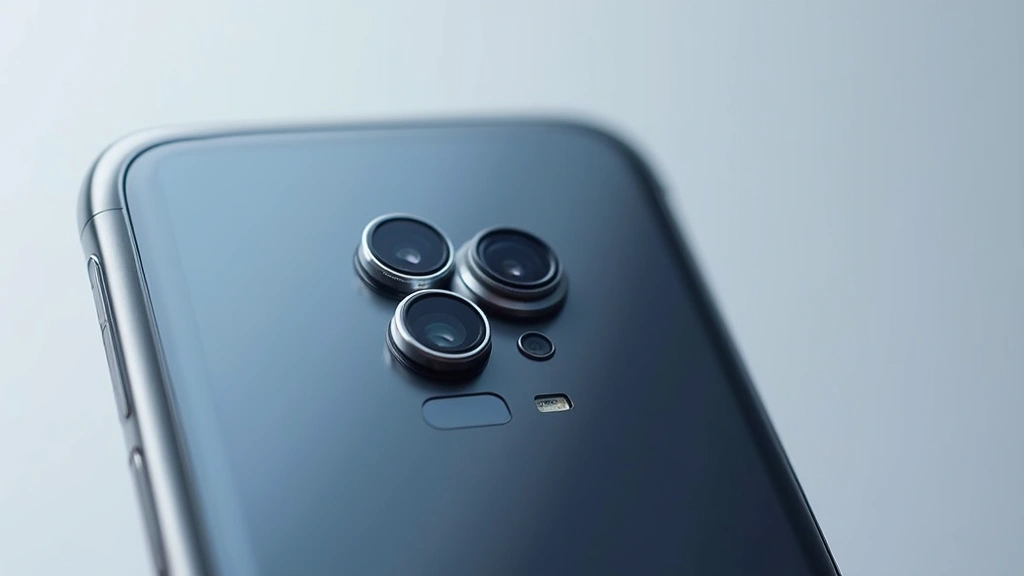
Smartphone technology represents the most visible frontier of gadget innovation, and the North Metro region has embraced the latest flagship models with enthusiasm. Current-generation smartphones feature processors with 3nm architecture, delivering processing speeds exceeding 3.5GHz with improved thermal management. These devices incorporate advanced computational photography, leveraging dedicated neural engines for real-time image processing and AI-enhanced features.
The latest flagship phones from major manufacturers boast 120Hz to 240Hz refresh rate displays with adaptive technology that optimizes battery consumption. Display specifications typically include AMOLED technology with 1440p resolution, 500+ nits peak brightness, and color accuracy exceeding DCI-P3 standards. Battery capacity ranges from 4,500mAh to 5,000mAh, with fast charging protocols delivering 65W to 120W charging speeds, enabling 0-80% charging in approximately 20-30 minutes.
Camera systems have become increasingly sophisticated, with primary sensors ranging from 48MP to 200MP resolution. These sensors utilize larger pixel sizes (1.0µm to 1.4µm) and advanced stabilization mechanisms including optical image stabilization (OIS) with gyroscopic sensors. Ultra-wide lenses provide 114-120° field of view, while telephoto modules offer 3x to 10x optical zoom with periscope designs in premium models.
For those interested in the broader implications of technology advancement, exploring technology and artificial intelligence transforming our future provides valuable context. Additionally, TechPulse Hunter Blog offers comprehensive coverage of mobile device releases and comparative analysis of flagship specifications.
Smart Home Ecosystem Integration
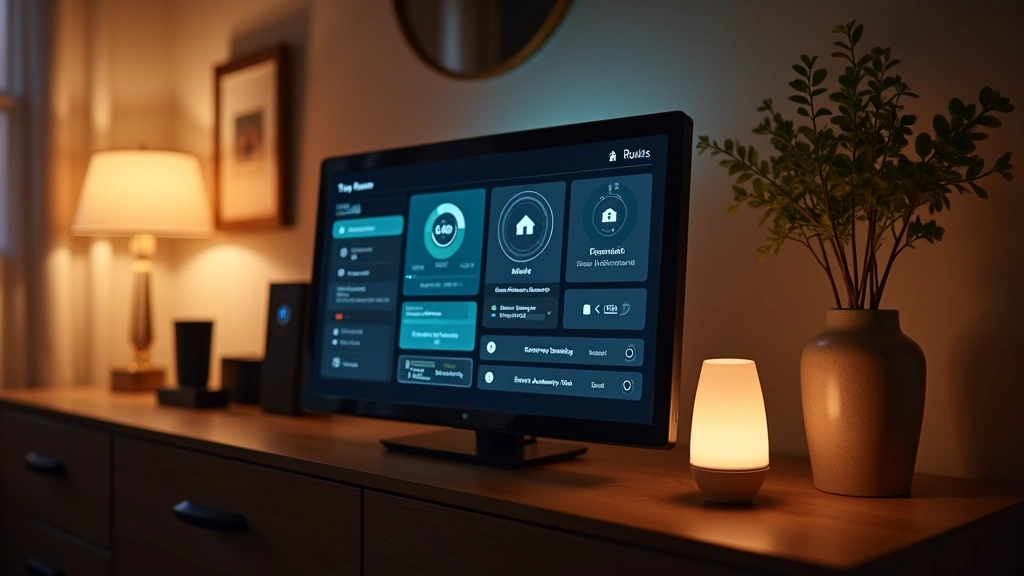
Smart home technology has evolved beyond novelty to become essential infrastructure in modern residences. The North Metro region shows strong adoption of integrated smart home ecosystems combining multiple device categories under unified control platforms. These ecosystems leverage voice assistants, mobile applications, and cloud-based automation to streamline daily operations.
Smart speakers have become increasingly sophisticated, with models featuring 6-8 microphone arrays for superior voice recognition in noisy environments. Processing capabilities now include local AI inference, enabling privacy-conscious users to perform voice commands without constant cloud connectivity. Premium models integrate premium audio drivers delivering 40W+ of amplified output with spatial audio processing.
Smart lighting systems utilize Zigbee and Matter protocols for reliable low-latency control, with individual bulbs offering 16 million color options and brightness adjustment from 1% to 100%. Color temperature adjustment ranges from 2000K (warm) to 6500K (cool), enabling circadian rhythm optimization for improved sleep quality. Integration with motion sensors and ambient light detectors enables automated scenarios that respond to environmental changes in real-time.
Climate control devices now incorporate machine learning algorithms that adapt to occupancy patterns, weather forecasts, and energy pricing schedules. Smart thermostats feature 0.5°C temperature precision with multi-zone control capabilities. These systems integrate with cloud computing benefits for businesses infrastructure, enabling remote monitoring and optimization from anywhere globally.
Security systems have reached new sophistication levels, with cameras offering 4K resolution at 30fps, night vision with infrared LEDs providing 30-foot range, and AI-powered person detection distinguishing between humans and animals. Smart locks feature biometric authentication including fingerprint and facial recognition, with mechanical override capabilities and temporary access codes for guests.
Wearable Technology Advancements
Wearable devices represent one of the fastest-growing segments in the gadget market, with North Metro consumers showing particular interest in health-focused innovations. Modern smartwatches integrate advanced sensors tracking heart rate variability, blood oxygen saturation (SpO2), and electrocardiogram (ECG) functionality with clinical-grade accuracy.
Contemporary wearables feature processors comparable to smartphones from 5-7 years ago, enabling sophisticated on-device processing without constant smartphone connectivity. Battery technology has improved dramatically, with premium models offering 7-14 days of battery life through optimized software and display technologies. AMOLED displays with 1.4-1.9 inch diagonal provide sufficient real estate for meaningful information presentation while maintaining compact form factors.
Fitness tracking capabilities have become exceptionally detailed, with sensors monitoring running cadence, stride length, ground contact time, and vertical oscillation. These metrics enable personalized coaching recommendations and injury prevention insights. Swimming-specific tracking includes stroke detection, distance calculation, and pool size calibration for accurate lap counting.
Sleep tracking has evolved significantly, utilizing accelerometer data and heart rate variability analysis to differentiate sleep stages. Advanced models incorporate SpO2 monitoring to detect sleep apnea indicators and respiratory disturbances. This health-focused approach aligns with broader artificial intelligence applications transforming the future of personalized health monitoring.
Augmented reality glasses represent an emerging wearable category, with prototypes featuring 50-degree field of view, micro-OLED displays, and real-time translation capabilities. These devices incorporate spatial computing for gesture recognition and eye-tracking for intuitive interaction models.
Laptop and Desktop Innovations
Computing devices continue evolving with architectural innovations that prioritize efficiency and performance density. Modern laptop processors feature 8-12 cores with specialized neural processing units delivering 16-40 TOPS of AI inference capability. These designs achieve single-threaded performance exceeding 2,400 points in industry benchmarks while consuming 15-25W during typical workloads.
Display technology in premium laptops has reached exceptional quality, with 14-16 inch panels featuring 2560×1600 resolution at 120Hz refresh rates. Color accuracy specifications include 100% DCI-P3 coverage with Delta E values below 1.0. Anti-glare coatings reduce reflections by 40% while maintaining clarity, and matte finishes minimize fingerprint visibility.
Memory configurations now standardize at 16GB minimum for mainstream models, with premium configurations offering 32GB or 64GB of unified memory architecture. This approach eliminates traditional CPU-GPU memory bottlenecks, improving performance in creative workflows. Storage utilizes PCIe 5.0 NVMe drives delivering 7,000MB/s+ sequential read speeds.
Thermal management has improved substantially through vapor chamber designs and optimized fan curves. Premium laptops maintain CPU temperatures below 80°C during sustained workloads while keeping fan noise below 35dB in everyday use. Battery technology improvements have extended runtime to 18-22 hours in light usage scenarios, with fast charging enabling 50% charge in 30 minutes using 67W+ adapters.
For those considering technology investments, reviewing best tech stocks to invest in provides perspective on manufacturing companies leading these innovations. Desktop systems continue offering superior performance, with workstation-class hardware supporting professional applications including 3D rendering, video editing, and scientific computation.
Audio Technology Revolution
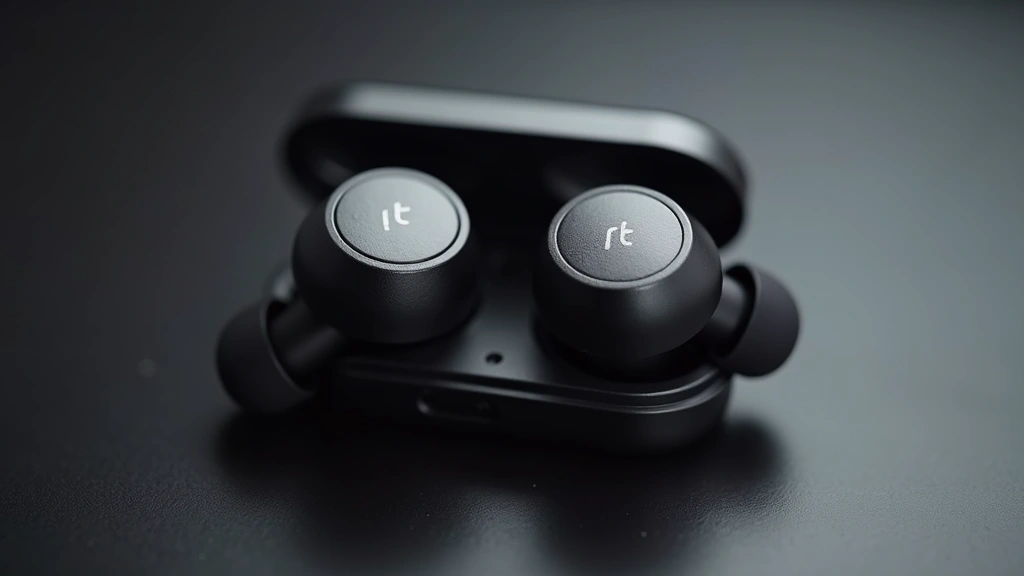
Audio gadgets have undergone remarkable transformation, with wireless earbuds achieving sound quality comparable to wired predecessors while offering unprecedented convenience. Current flagship models feature multi-driver configurations with 6-12mm woofers and balanced armature tweeters, delivering frequency response from 20Hz to 20kHz with minimal distortion.
Active noise cancellation (ANC) technology has advanced significantly, with algorithms utilizing up to 8 microphones per earbud for superior isolation. Modern ANC systems attenuate external noise by 30-40dB across frequency ranges, particularly effective for low-frequency rumble like aircraft engines and traffic noise. Transparency modes allow environmental sound passthrough with adjustable levels, enabling conversation without removing earbuds.
Spatial audio processing creates immersive soundscapes through head-tracking technology, with gyroscopic sensors monitoring head position and adjusting audio perspective accordingly. This technology enhances movie watching and gaming experiences, creating three-dimensional audio fields that respond to head movements in real-time.
Battery technology in premium wireless earbuds now delivers 6-8 hours of continuous playback, with charging cases extending total runtime to 30-40 hours. Fast charging enables 1-2 hours of playback from 5-10 minute charging sessions. Wireless charging compatibility has become standard, with some models supporting Qi charging and multi-device charging scenarios.
For creative professionals, best video editing software 2025 recommendations often highlight audio editing capabilities, demonstrating how gadgets and software ecosystems interrelate. Studio-grade headphones continue offering superior reference accuracy, with closed-back designs providing 30dB isolation and frequency response tolerances within ±2dB.
Gaming Peripherals and Performance
Gaming gadgets represent a specialized category where performance specifications directly impact competitive advantage and immersion levels. High-end gaming mice feature 32,000 DPI sensors with polling rates up to 8,000Hz, enabling 0.125ms response time precision. Optical switches provide 100-million-click durability with sub-1ms actuation times, while ergonomic designs accommodate various grip styles.
Mechanical keyboards for gaming utilize individual mechanical switches with response times between 1-2ms. Customizable switch types allow users to select actuation force (45-80 grams) and tactile feedback preferences. RGB lighting synchronized across devices creates immersive aesthetic experiences, with per-key customization enabling complex lighting patterns.
Gaming monitors have achieved remarkable specifications, with high-end models featuring 27-32 inch displays, 1440p-4K resolution, and 144Hz-360Hz refresh rates. Panel technologies include IPS for color accuracy, TN for response times, and VA for contrast ratios. Variable refresh rate technologies (G-Sync and FreeSync) eliminate screen tearing, while local dimming zones enhance perceived contrast in HDR content.
Headset technology for gaming incorporates gaming-specific features including spatial audio processing for directional sound cues, boom microphones with noise cancellation for team communication, and lightweight designs enabling extended wear comfort. Surround sound processing creates positional audio awareness, crucial for competitive gaming scenarios.
Graphics technology continues advancing, with discrete GPUs offering ray tracing acceleration, DLSS upscaling, and machine learning-enhanced rendering. These technologies enable 4K gaming at 100+ fps in demanding titles, providing visual fidelity previously impossible. VR headsets have achieved consumer viability, with resolution approaching 4K per eye and refresh rates reaching 120Hz for motion sickness reduction.
FAQ
What specifications matter most when choosing a smartphone?
Processor performance, camera system quality, battery capacity, and display technology rank as primary considerations. Evaluate processor benchmarks (Geekbench scores), camera megapixels combined with sensor size, battery life under realistic usage, and display refresh rates. Consider your primary use case—photography enthusiasts prioritize camera specs, while mobile gamers emphasize processor performance and display quality.
How do I evaluate smart home device compatibility?
Check for Matter protocol support, which provides universal compatibility across ecosystems. Verify smartphone app availability for your platform (iOS or Android), cloud service requirements, and local control capabilities for privacy-conscious users. Read independent reviews from The Verge and CNET for compatibility insights and real-world performance assessment.
Are wearables accurate for health tracking?
Heart rate monitoring accuracy typically ranges from 90-98% compared to medical devices. Blood oxygen measurements vary by wearable quality, ranging from 85-95% accuracy. Sleep tracking provides directional insights rather than clinical-grade data. For medical-critical applications, consult healthcare professionals rather than relying solely on wearable data.
What laptop specifications suit creative professionals?
Prioritize processor core count (10+ cores), RAM (32GB minimum), color-accurate displays (100% DCI-P3), and dedicated graphics for rendering tasks. Storage should feature fast NVMe drives (7,000MB/s+). Consider thermal performance under sustained workloads and port selection for peripheral connectivity. Professional-grade laptops from major manufacturers typically exceed these specifications.
How important is audio equipment quality for gaming?
Audio quality significantly impacts gaming immersion and competitive performance. Spatial audio processing enables directional sound cue detection, crucial for competitive shooters. Comfort matters substantially for extended gaming sessions. Invest in reputable gaming audio brands offering quality construction and customer support. Budget options exist that provide adequate performance without premium pricing.


