
Chattahoochee Tech Mountain View: Campus Visit Insights
Chattahoochee Technical College’s Mountain View campus represents a significant hub for technology education and workforce development in Georgia’s competitive tech landscape. This comprehensive campus visit review explores the facilities, academic programs, student experience, and overall infrastructure that make this institution a noteworthy destination for aspiring tech professionals. Whether you’re considering enrollment or evaluating educational partnerships, understanding what this campus offers is essential for making informed decisions about your technology career path.
The Mountain View campus has undergone substantial modernization to support hands-on learning in emerging technology fields. From state-of-the-art computer labs to collaborative learning spaces, the facility design reflects current industry standards. This detailed analysis provides insights into what students and visitors can expect when exploring this educational technology center.
Campus Infrastructure and Facilities
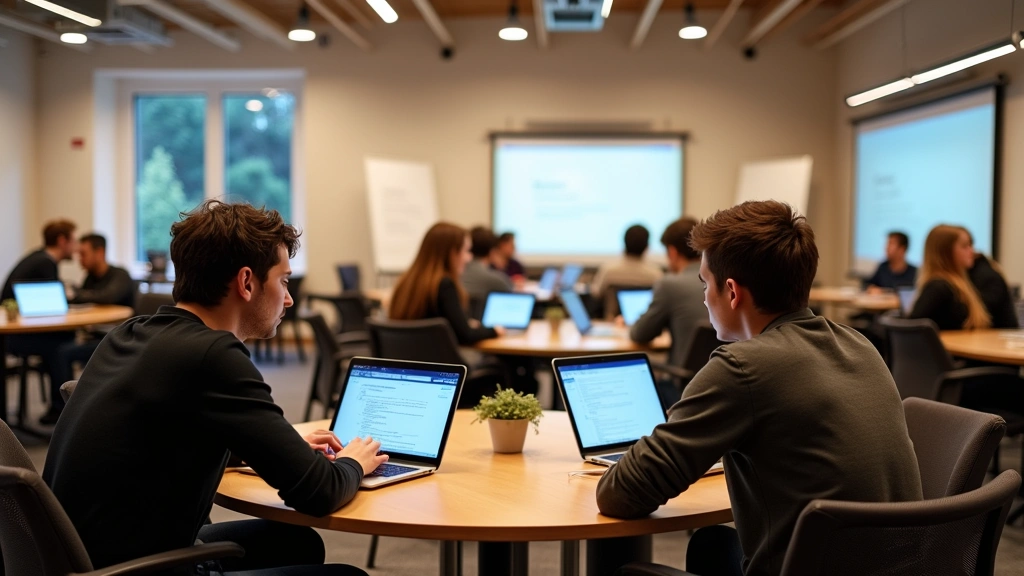
The Mountain View campus spans multiple buildings designed with modern educational technology principles. The main academic building houses collaborative spaces with flexible furniture arrangements that support both traditional classroom instruction and group project work. Natural lighting throughout the facility reduces eye strain during extended computer work, and climate-controlled environments maintain optimal conditions for sensitive equipment.
The campus library serves as more than just a book repository—it functions as a technology commons where students can access research databases, specialized software, and expert librarians trained in technical subject matter. High-speed internet connectivity throughout the campus ensures seamless access to cloud-based learning platforms and remote collaboration tools. The network infrastructure supports simultaneous access for hundreds of users without latency issues, critical for programming courses and real-time collaborative development.
Parking facilities are abundant and conveniently located, with dedicated spots for faculty and accessible parking near main entrances. The campus also features outdoor study areas with weather-resistant seating, allowing students to work in natural environments during favorable conditions. Security systems include card-access entry points and surveillance coverage, providing students with a safe learning environment.
When considering career opportunities at Chattahoochee Tech, understanding the physical campus environment helps prospective students envision their educational journey. The infrastructure investments demonstrate institutional commitment to quality technical education.
Academic Programs and Specializations
Chattahoochee Tech Mountain View offers diverse degree and certificate programs aligned with current industry demands. The Computer Information Systems program provides comprehensive training in networking, database administration, and systems management. Students gain hands-on experience with enterprise-level software used by major corporations, ensuring immediate workplace relevance.
The Software Development program focuses on full-stack development capabilities, covering front-end technologies, back-end frameworks, and database design. Curriculum includes agile methodology training, version control systems, and collaborative development practices essential for modern software teams. Students build portfolio projects throughout their studies, demonstrating competency to potential employers.
Web Development specialization teaches responsive design principles, user experience considerations, and modern web frameworks. The program emphasizes accessibility standards and performance optimization, preparing graduates for roles in digital agencies and corporate web teams.
Cybersecurity programs address the growing demand for security professionals. Students learn network security fundamentals, ethical hacking concepts, penetration testing methodologies, and compliance frameworks. Lab environments simulate real-world attack scenarios, allowing safe experimentation with security tools and defensive techniques.
The Data Analytics program combines statistics, database querying, and visualization tools. Students work with real datasets and industry-standard analytics platforms, preparing them for roles in business intelligence and data-driven decision-making positions.
For those exploring pathways to become a software developer, the institution offers structured progression from foundational coding to advanced application development. The curriculum aligns with current programming languages and future-ready skills that employers actively seek.
All programs maintain partnerships with industry professionals who contribute to curriculum development and guest lectures. This ensures students learn relevant technologies and industry best practices rather than outdated methodologies.
Technology Labs and Equipment
The computer labs feature current-generation workstations with specifications matching professional development environments. High-performance processors, adequate RAM for resource-intensive applications, and solid-state drives ensure smooth operation during intensive computational tasks. Multiple operating systems are available, allowing students to develop cross-platform applications.
Networking labs include physical switches, routers, and cabling infrastructure for hands-on network configuration training. Students practice implementing network topologies, configuring security protocols, and troubleshooting connectivity issues on actual hardware rather than simulation software alone.
Cybersecurity labs provide isolated network segments where students can practice defensive techniques without affecting campus infrastructure. Virtualization technology allows rapid deployment of various operating systems and applications for testing purposes.
The software development labs maintain current versions of integrated development environments, version control systems, and project management tools. Students use the same tools as professional development teams, eliminating the learning curve when transitioning to industry positions.
Database labs feature enterprise-grade database management systems where students practice query optimization, index design, and performance tuning. Real-world database scenarios teach practical skills beyond basic SQL syntax.
The IT help desk operates from campus, providing technical support while simultaneously serving as a training ground for support specialist students. This dual-purpose approach ensures quality support while offering practical experience in real-world technical support scenarios.
Student Experience and Support Services
Academic advising services help students select appropriate courses, plan semester schedules, and navigate degree requirements. Advisors understand industry demands and can recommend electives that enhance marketability for specific career paths.
Tutoring services offer one-on-one and group instruction in challenging subjects. Peer tutors—often advanced students who recently mastered the material—provide relatable explanations and study strategies.
Career services assist with resume development, interview preparation, and job search strategies. Staff members have connections with local employers and can facilitate internship placements. Students participate in mock interviews and practice technical assessments before formal job applications.
The student organization structure includes tech clubs focused on specific interests like cybersecurity, web development, and game design. These organizations host speaker events, organize hackathons, and facilitate networking with industry professionals. Participation demonstrates initiative to potential employers and builds professional networks while still in school.
Disability services ensure students with diverse needs access accommodations supporting academic success. Assistive technology, note-taking services, and alternative testing arrangements enable full participation in the educational experience.
Mental health and counseling services support student wellbeing. The demanding nature of technology education occasionally creates stress, and professional counselors help students develop coping strategies and maintain balance.
The student commons provides comfortable spaces for breaks between classes. Vending machines offer beverages and snacks, and comfortable seating encourages informal study groups and social interaction.
Career Outcomes and Job Placement
Graduates from Chattahoochee Tech Mountain View programs report strong employment outcomes within months of completion. The institution tracks graduate placement rates and salary information, demonstrating the value of education investments.
Employers actively recruit from the campus, recognizing that graduates possess both theoretical knowledge and practical skills. On-campus recruiting events bring hiring managers to interview students before graduation. Many students secure positions before completing their final semester.
The alumni network provides ongoing support and professional development opportunities. Graduates often mentor current students, offering insights into workplace expectations and career progression. Networking events facilitate connections that lead to job opportunities and professional growth.
Starting salaries for technology graduates typically exceed regional averages for comparable education levels. Salary progression accelerates quickly as graduates gain experience and demonstrate competency. Many graduates transition from entry-level positions to specialized roles or leadership positions within five years.
Exploration of leading tech recruiting firms reveals that many actively recruit from Chattahoochee Tech, indicating strong institutional reputation and consistent graduate quality.
Graduate testimonials highlight the practical preparation that accelerated their professional success. Many credit specific projects, lab experiences, and instructor mentoring with preparing them for workplace realities beyond textbook knowledge.
Admission Process and Requirements
Admission to Chattahoochee Tech Mountain View programs requires high school graduation or equivalent credential. The application process is straightforward, accepting online submissions with required transcripts and demographic information.
Placement testing assesses foundational skills in mathematics and English. Results determine whether students need developmental coursework before enrolling in degree-level classes. This system ensures students possess necessary prerequisites for success in technical courses.
International students follow additional procedures including credential evaluation and English proficiency verification. The institution supports international enrollment, recognizing the value of diverse perspectives in technology education.
Program prerequisites vary by specialization. Some advanced programs require completion of foundational courses or demonstrated programming experience. Advisors help students determine appropriate starting points based on background and goals.
Financial aid processes include federal loans, grants, and institutional scholarships. The financial aid office assists students in maximizing aid eligibility and understanding repayment obligations.
Flexible scheduling accommodates working professionals. Evening and online sections allow students to maintain employment while pursuing education. This accessibility supports adult learners seeking career transitions or advancement.
Campus Culture and Community
The Mountain View campus fosters a collaborative learning environment where students support each other’s success. Study groups form organically, with students recognizing that explaining concepts to peers deepens their own understanding.
Diversity and inclusion initiatives ensure students from varied backgrounds feel welcomed and supported. The institution recognizes that diverse teams produce better solutions and actively cultivates inclusive classroom dynamics.
Faculty maintain office hours and remain accessible for questions beyond scheduled class time. Many instructors have current industry experience, bringing real-world context to theoretical concepts. This accessibility and practical expertise create mentoring relationships that extend beyond formal coursework.
The campus hosts technology conferences and speaker series featuring industry leaders. These events inspire students, provide networking opportunities, and showcase emerging technologies shaping the industry.
Community partnerships create internship opportunities and collaborative projects. Students work on real client projects, applying classroom learning to authentic business problems. These experiences build portfolios and professional networks simultaneously.
The technology commons serves as a gathering space where students with shared interests collaborate on projects. Equipment access extends beyond scheduled classes, allowing independent project work and exploration.

Athletic and recreational opportunities provide balance to intense academic programs. Campus wellness initiatives recognize that physical health supports academic performance and overall student success.
FAQ
What are the typical class sizes in technology programs?
Most lecture courses maintain 25-35 students, allowing meaningful instructor-student interaction. Lab sections are smaller, typically 15-20 students, ensuring adequate equipment access and personalized guidance during hands-on work.
How current is the technology taught in programs?
Curriculum undergoes annual reviews with industry advisory boards ensuring relevance. Equipment receives regular updates, and instructors pursue professional development to maintain current expertise. While cutting-edge technologies may lag slightly behind industry bleeding-edge, students learn established, widely-used tools with strong job market demand.
Can students access labs outside scheduled class times?
Yes, students with valid campus ID access computer labs during extended hours. This flexibility supports project work, independent learning, and skill development beyond formal coursework requirements.
Are internships required or optional?
Most programs recommend but don’t require internships. However, career services actively facilitate placement, and many students pursue internships recognizing the competitive advantage in job searches.
What is the student-to-faculty ratio?
The ratio typically ranges from 18:1 to 22:1, supporting accessible faculty interaction while maintaining manageable class sizes for effective instruction and assessment.
Do programs offer online or hybrid options?
Many courses offer online or hybrid delivery, accommodating diverse student schedules. Lab-intensive courses may require in-person attendance for hands-on work, while theory-focused courses adapt well to online delivery.
How does Chattahoochee Tech support career transitions?
Career services, flexible scheduling, and curriculum designed for adult learners facilitate successful transitions. Many students successfully shift careers, leveraging transferable skills while developing technology expertise.
What certifications do graduates earn?
Depending on program selection, graduates may earn industry-recognized certifications including CompTIA Security+, Microsoft certifications, and AWS credentials. Some certifications are embedded in curriculum, while others are optional pursuits supported by institutional resources.
For comprehensive information about technology education and career development, explore additional resources on TechPulseHunter. Understanding different educational pathways and evaluating institutions thoroughly supports informed decision-making about your technology career investment.
Visiting the Mountain View campus provides invaluable insights that complement online research. Speaking with current students, observing classroom dynamics, and exploring facilities firsthand reveal details that marketing materials cannot convey. Schedule a campus tour to experience the learning environment and envision yourself as part of the Chattahoochee Tech community.


