
Why Choose Texas Tech? Christian Anderson’s Guide to Excellence in Engineering and Technology
Texas Tech University stands as one of the premier institutions for technology and engineering education in the United States, and for students like Christian Anderson, the choice to attend represents a transformative decision. With world-class faculty, cutting-edge research facilities, and a vibrant campus culture, Texas Tech offers unparalleled opportunities for aspiring tech professionals. Whether you’re considering a degree in computer science, electrical engineering, or software development, understanding what makes Texas Tech exceptional through the lens of current students provides invaluable insight into your future educational journey.
Christian Anderson’s experience at Texas Tech reveals why thousands of students choose this Lubbock-based powerhouse annually. The university combines rigorous academic standards with practical industry experience, preparing graduates for leadership roles in technology and innovation. From hands-on laboratory work to internship opportunities with Fortune 500 companies, Texas Tech delivers the comprehensive education that modern tech careers demand. This comprehensive guide explores the reasons Christian and countless others have found their calling at Texas Tech University.
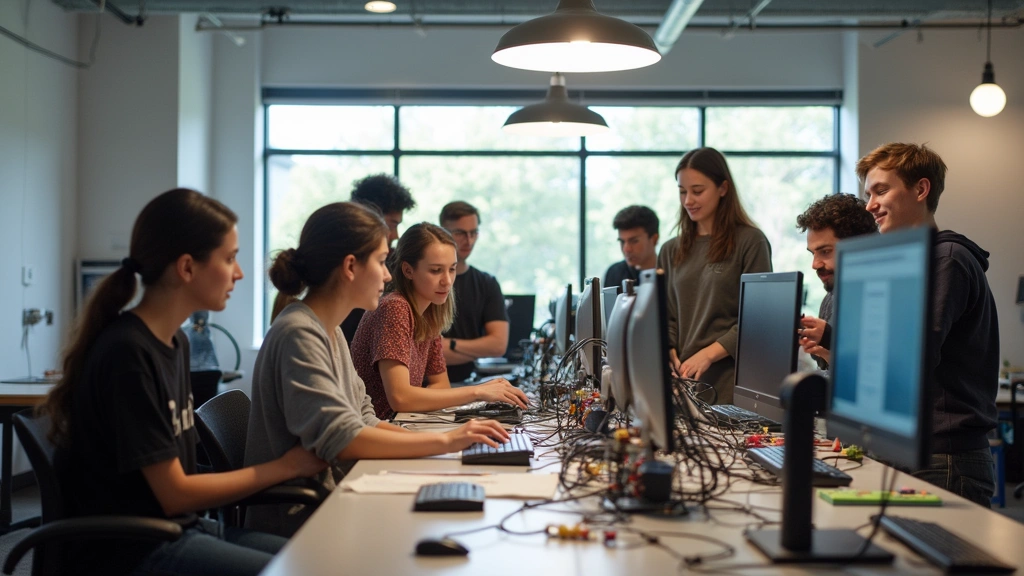
Academic Excellence and Engineering Programs
Texas Tech University’s engineering and computer science programs consistently rank among the nation’s finest. The Whitacre College of Engineering offers specialized degree paths that align perfectly with contemporary industry needs. Christian Anderson chose Texas Tech specifically for its comprehensive curriculum that balances theoretical knowledge with practical application. The university’s engineering programs are ABET-accredited, ensuring that degrees meet the highest professional standards recognized globally.
The computer science and engineering departments at Texas Tech provide students with expertise in emerging technologies. Whether studying artificial intelligence, cybersecurity, or software architecture, students benefit from faculty who remain at the forefront of technological advancement. Our guide on top programming languages in 2025 complements the curriculum students encounter, bridging academic learning with industry-relevant skills. Christian emphasizes that the coursework demands excellence while remaining accessible to dedicated students.
The engineering program curriculum covers:
- Core Computer Science: Data structures, algorithms, software engineering, and database management
- Emerging Technologies: Machine learning, cloud architecture, and cybersecurity protocols
- Professional Development: Technical writing, project management, and team collaboration
- Elective Specializations: Blockchain, IoT systems, and advanced networking
Faculty members maintain active research agendas while teaching, bringing real-world insights directly into classrooms. This dual commitment ensures that lectures feature current industry challenges and solutions rather than outdated theoretical frameworks. Christian notes that professors frequently reference their own research projects, creating natural connections between course material and professional practice.
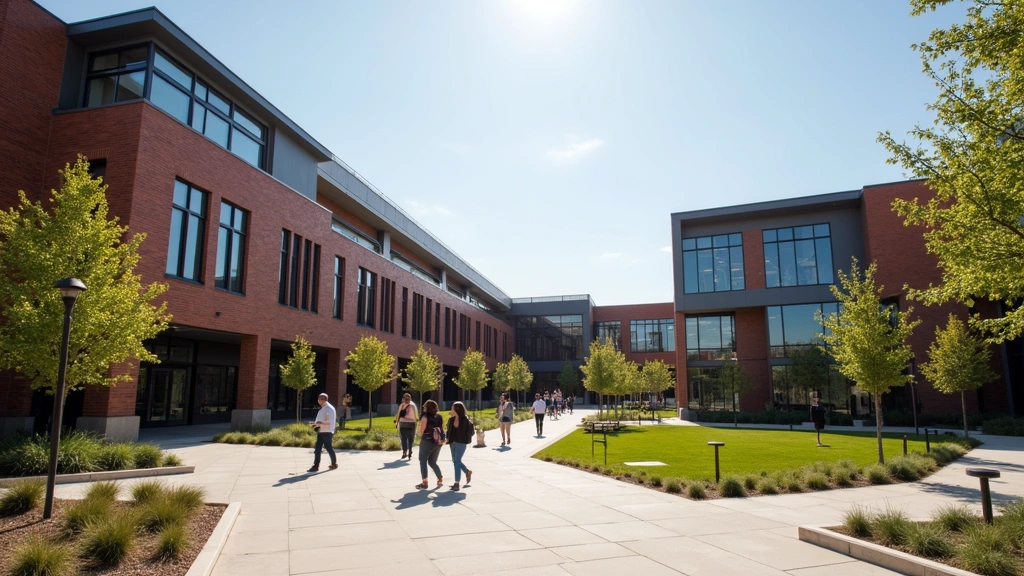
Campus Culture and Student Life
Beyond academics, Texas Tech cultivates a vibrant community where students thrive personally and professionally. Christian Anderson highlights the inclusive campus environment where technology enthusiasts find their people. The student organizations related to technology number in the dozens, ranging from competitive robotics clubs to AI research groups. These extracurricular communities provide networking opportunities and hands-on experience outside formal coursework.
The campus itself reflects modern educational values with contemporary facilities, green spaces, and technology-enabled learning environments. Student dormitories feature high-speed internet infrastructure, collaborative study spaces, and maker labs where students prototype ideas. The recreation and wellness facilities ensure that students maintain work-life balance, crucial for managing demanding engineering coursework. Christian emphasizes that while academics consume significant time, Texas Tech encourages holistic student development.
Student life at Texas Tech includes:
- Technology Clubs: IEEE student branch, ACM programming competitions, robotics teams
- Social Events: Homecoming celebrations, tech expos, networking mixers with industry professionals
- Residential Life: Living-learning communities for engineering students, peer mentoring programs
- Cultural Activities: Diversity organizations, faith-based groups, recreational sports leagues
The campus location in Lubbock provides a balanced environment—large enough to offer urban amenities yet intimate enough to foster genuine community connections. Students develop lasting friendships and professional networks that extend far beyond graduation. Christian describes his experience as transformative, noting that college friendships evolved into professional collaborations and business partnerships.
Research Opportunities and Innovation
Texas Tech’s commitment to research excellence distinguishes it from many peer institutions. The university receives substantial funding for research projects, creating abundant opportunities for undergraduate and graduate students to participate in groundbreaking work. Christian Anderson engaged in research during his sophomore year, an experience he credits with clarifying his career direction and building his professional portfolio.
The research facilities at Texas Tech rival those of much larger universities. Students gain access to specialized laboratories featuring state-of-the-art equipment for hardware development, software testing, and systems integration. The university’s focus on artificial intelligence applications transforming the future means that AI research spans multiple departments, offering students diverse perspectives on this critical technology.
Research centers and initiatives include:
- Artificial Intelligence Research: Machine learning applications, neural networks, autonomous systems
- Cybersecurity Research: Network security, cryptography, threat analysis
- Advanced Manufacturing: 3D printing, robotics automation, systems optimization
- Renewable Energy Technology: Solar systems, energy storage, smart grid development
Participation in research strengthens graduate school applications and employment prospects significantly. Students who contribute to published research papers or conference presentations gain competitive advantages in job markets. Christian’s research experience resulted in conference presentations and professional publications, credentials that proved invaluable during his internship and job search processes. The hands-on research experience translates directly to workplace competencies that employers highly value.
Career Preparation and Job Placement
Texas Tech’s career services office provides comprehensive support for student professional development. The career preparation pipeline begins early, with freshman seminars addressing resume writing, interview skills, and professional networking. Christian worked with career counselors throughout his studies, receiving personalized guidance aligned with his specific career aspirations in software development.
The university’s location in the growing technology hub of Lubbock, combined with its national reputation, attracts major employers for on-campus recruiting. Students benefit from becoming a software developer pathways that include internship opportunities with leading technology companies. These internships provide paid work experience, professional mentorship, and often lead directly to full-time employment offers.
Job placement statistics for Texas Tech engineering graduates exceed 95%, with average starting salaries competitive with or exceeding national averages for engineering disciplines. The alumni employment network creates additional opportunities, as graduates working at major technology firms frequently recruit from their alma mater. Christian’s own internship resulted from a connection made through the alumni network, demonstrating the tangible value of Texas Tech’s professional community.
Career development resources available to students:
- Resume Services: Professional review and optimization for technical roles
- Interview Preparation: Mock interviews, behavioral coaching, technical interview practice
- Networking Events: Career fairs, company information sessions, alumni meetups
- Internship Coordination: Partnership development, placement assistance, academic credit options
The university’s emphasis on practical skills ensures that graduates hit the ground running in professional roles. Rather than requiring extensive on-the-job training, Texas Tech graduates typically contribute meaningfully from day one, a reputation that makes employers eager to hire from the program.
Technology Infrastructure and Resources
Modern technology education demands world-class computing infrastructure, and Texas Tech delivers comprehensively. The computing resources available to students include high-performance computing clusters, cloud computing platforms, and specialized software licenses that students might otherwise struggle to access. Christian utilized these resources extensively for coursework projects, research work, and personal skill development.
The university provides:
- High-Speed Internet: Fiber-optic backbone supporting research and learning needs
- Computing Clusters: Access to supercomputing resources for research projects
- Software Licenses: Professional development tools, programming environments, and design software
- Learning Platforms: Online course management systems, virtual labs, and simulation environments
- Maker Spaces: 3D printers, electronics labs, and prototyping facilities
The library and information systems at Texas Tech provide access to millions of academic resources, research databases, and technical journals. Students can access the latest academic papers, industry reports, and technical documentation essential for advanced coursework. This comprehensive resource access eliminates barriers to learning and research participation that might exist at less well-funded institutions.
Additionally, the university maintains partnerships with major technology companies that provide software, hardware, and other resources to students. These partnerships sometimes include funding for student projects, device discounts for students, and early access to emerging technologies. Christian benefited from several such partnerships, acquiring professional development tools at minimal cost and gaining exposure to cutting-edge technologies before broader market release.
Financial Accessibility and Scholarships
Cost represents a significant consideration for prospective students, and Texas Tech addresses this concern through robust financial aid programs. The university offers merit-based scholarships, need-based aid, and specialized funding for students in technology disciplines. Christian received substantial scholarship support that made his Texas Tech education financially feasible, removing financial stress that might otherwise have impacted academic performance.
Financial aid options include:
- Merit Scholarships: Academic achievement-based awards ranging from partial to full tuition coverage
- Need-Based Aid: Grants and loans determined by financial circumstances
- Work-Study Programs: On-campus employment opportunities providing income and experience
- Engineering-Specific Funding: Scholarships sponsored by engineering firms and professional organizations
- Graduate Assistantships: Research and teaching positions providing tuition benefits and stipends
The university’s commitment to financial accessibility ensures that talented students from all economic backgrounds can attend. Christian emphasizes that financial constraints should not deter qualified students from applying, as the financial aid office works diligently to create affordable pathways for deserving students. Many graduates report that their investment in a Texas Tech education returned exponentially through career opportunities and earning potential.
When considering the total cost of education, prospective students should factor in the strong return on investment. Texas Tech graduates command competitive salaries, and the university’s network facilitates career advancement. The best laptops for students 2025 guide suggests that technology investments pay dividends, and similarly, investing in Texas Tech education typically yields substantial professional returns.
Alumni Network and Industry Connections
The Texas Tech alumni network represents one of the institution’s most valuable assets. With over 150,000 living alumni worldwide, graduates maintain strong connections to their alma mater and to each other. Christian benefited immediately from alumni connections, receiving mentorship from established professionals and securing internship opportunities through alumni referrals.
The alumni engagement programs create ongoing value throughout graduates’ careers. Regional alumni chapters host networking events, professional development seminars, and social gatherings that strengthen the community. These connections facilitate job opportunities, business partnerships, and collaborative ventures that extend far beyond graduation. Christian remains actively involved with Texas Tech’s alumni association, serving as a mentor to current students and recruiting for his employer.
The alumni network provides:
- Mentorship Programs: Pairing students with experienced professionals in their field
- Career Assistance: Job leads, interview coaching, and professional networking
- Continuing Education: Professional development workshops and industry seminars
- Business Networking: Entrepreneur resources, investment connections, and partnership opportunities
- Social Community: Regional gatherings, university events, and online forums
Major technology companies actively recruit from the Texas Tech alumni network, recognizing the quality and reliability of graduates. The employer relationships cultivated over decades create preferential hiring pipelines that benefit current students and recent graduates. Companies like Microsoft, Google, Apple, and IBM maintain strong relationships with Texas Tech, frequently recruiting on campus and through alumni channels.
The TechPulseHunter blog features latest technology news, and similarly, Texas Tech keeps its community informed about emerging industry trends, alumni achievements, and university innovations. This ongoing communication maintains engagement and ensures that the institution remains relevant to professional development needs of its graduates.
Why Christian Chose Texas Tech
Christian Anderson’s decision to attend Texas Tech reflected careful consideration of multiple factors. He evaluated academic reputation, program quality, campus environment, financial aid, and career prospects. After visiting campus and speaking with current students and faculty, Christian felt confident that Texas Tech offered the comprehensive education and supportive community he sought.
Christian’s perspective resonates with many prospective students: Texas Tech provides an excellent education at a reasonable cost within a supportive community environment. The university’s commitment to student success, combined with its strong industry connections and research opportunities, creates an ideal setting for developing future technology leaders. His journey from freshman uncertainly to confident professional validates the Texas Tech experience for countless students.
The decision to attend Texas Tech has proven transformative for Christian, opening doors to internships, research opportunities, professional networks, and ultimately, a rewarding career in technology. His success reflects the university’s effectiveness in preparing graduates for professional excellence and personal fulfillment.
Frequently Asked Questions
What makes Texas Tech’s engineering program distinctive?
Texas Tech’s engineering programs combine ABET accreditation with hands-on research opportunities, faculty actively engaged in cutting-edge projects, and strong industry partnerships. The curriculum balances theoretical foundations with practical applications, preparing graduates for immediate professional contribution.
How accessible is Texas Tech financially?
Texas Tech offers comprehensive financial aid including merit scholarships, need-based grants, work-study opportunities, and engineering-specific funding. The financial aid office works with students to create affordable pathways, and many graduates report strong return on investment through career earnings.
What career support services does Texas Tech provide?
The university provides resume services, interview preparation, career counseling, internship coordination, and on-campus recruiting events. Career services begin early in students’ academic careers and continue throughout their enrollment and beyond graduation.
Are research opportunities available to undergraduate students?
Yes, Texas Tech encourages undergraduate participation in research projects. Students can engage in research through coursework, independent study, or paid research assistant positions. This experience strengthens graduate school applications and professional credentials.
How strong is the Texas Tech alumni network?
With over 150,000 living alumni worldwide, the Texas Tech network provides mentorship, job opportunities, business partnerships, and professional development support. Alumni actively recruit for their employers and support current students’ career development.
What technology resources are available to students?
Students access high-performance computing clusters, specialized software licenses, maker spaces, fiber-optic internet infrastructure, and comprehensive library resources. These resources support both coursework and independent research projects.


