Chrysler Tech Center: Innovation Hub Overview
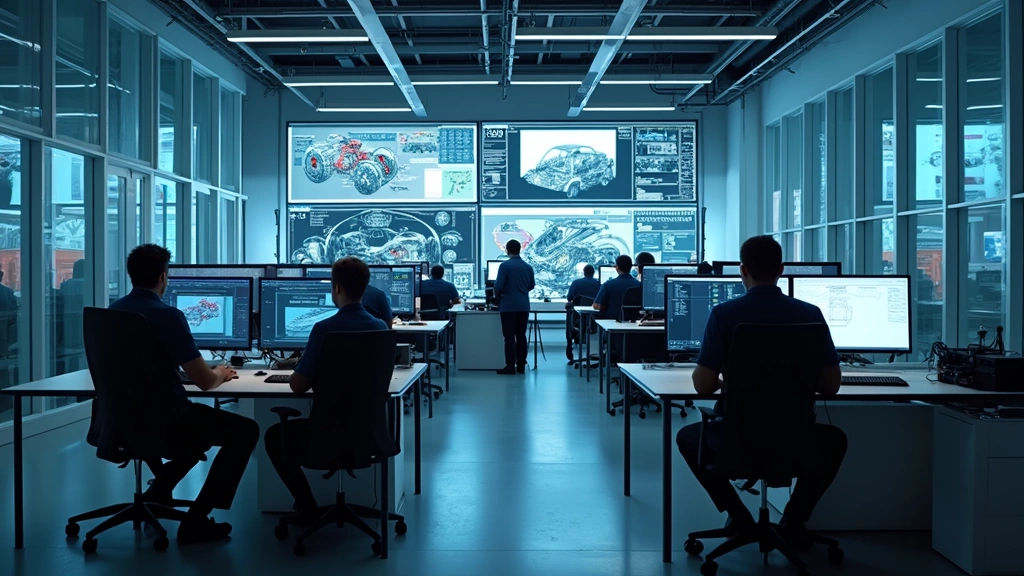
The Chrysler Tech Center in Auburn Hills, Michigan stands as one of the automotive industry’s most sophisticated research and development facilities. This sprawling innovation hub represents decades of engineering excellence and cutting-edge technological advancement, serving as the creative backbone of Chrysler’s vehicle design and development operations. Located in the heart of Michigan’s automotive corridor, the facility encompasses over 3.5 million square feet of dedicated workspace where engineers, designers, and technologists collaborate to shape the future of transportation.
Since its opening in 1991, the Chrysler Tech Center has evolved into a world-class destination for automotive innovation, housing state-of-the-art laboratories, testing facilities, and design studios. The center employs thousands of talented professionals who work on everything from advanced propulsion systems to autonomous driving technologies. Understanding what makes this facility tick provides valuable insights into how major automotive manufacturers maintain competitive advantages in an increasingly technology-driven industry.
Facility Overview and Architecture
The Chrysler Tech Center spans an impressive 3.5 million square feet across a 504-acre campus in Auburn Hills, Michigan. The architectural design itself reflects the facility’s commitment to innovation and employee collaboration. The main building features a distinctive design that has become iconic in the automotive industry, with its unique shape and modern construction serving as a testament to Chrysler’s forward-thinking approach to workspace design.
The facility was designed by renowned architect Richard Meier and completed in 1991, representing a significant investment in the company’s future. The campus layout encourages cross-functional collaboration, with design studios, engineering departments, and testing facilities strategically positioned to facilitate communication between different teams. This thoughtful arrangement has proven instrumental in accelerating development cycles and fostering innovative solutions to complex automotive challenges.
The center’s infrastructure includes dedicated areas for vehicle assembly prototyping, where engineers can rapidly construct and test new vehicle concepts. Climate-controlled environments protect sensitive testing equipment and ensure consistent conditions for evaluating vehicle performance. The facility also features extensive parking areas where test vehicles undergo real-world evaluation before market release, allowing engineers to observe vehicle behavior across various driving conditions and scenarios.
Within the campus, you’ll find multiple buildings dedicated to specific functions, from aerodynamics testing to materials science laboratories. The interconnected nature of these facilities means that teams can quickly move between different departments, facilitating the collaborative approach that modern artificial intelligence applications and digital tools enable. This physical and organizational structure mirrors the kind of integrated thinking necessary for developing next-generation vehicles.
Design and Engineering Capabilities
The design studios at the Chrysler Tech Center represent some of the most advanced facilities in the automotive world. These spaces employ cutting-edge digital design technology alongside traditional clay modeling techniques. Designers work with sophisticated computer-aided design (CAD) software that allows them to visualize vehicles in three-dimensional space, test aerodynamics virtually, and iterate rapidly on design concepts.
The engineering departments tackle everything from powertrain development to electrical systems integration. Teams specializing in internal combustion engines work alongside colleagues focused on electric vehicle technology, ensuring Chrysler maintains expertise across the full spectrum of propulsion technologies. This dual-track approach positions the company to respond to shifting market demands and regulatory requirements effectively.
Advanced simulation capabilities allow engineers to test vehicle behavior under extreme conditions without building physical prototypes. Finite element analysis software enables stress testing of components, while computational fluid dynamics tools predict aerodynamic performance with remarkable accuracy. These virtual testing methodologies dramatically reduce development time and costs while improving overall vehicle quality and safety.
The facility also houses specialized teams working on autonomous driving systems, infotainment platforms, and vehicle connectivity features. These groups leverage expertise in software development, sensor integration, and data processing to create the intelligent vehicles that define modern transportation. Collaboration with external technology partners and universities strengthens the center’s capability to stay current with rapidly evolving technological landscapes.
Manufacturing engineers at the center work on production efficiency, developing assembly processes and tooling strategies that will eventually be deployed at manufacturing plants worldwide. This integration of design and manufacturing expertise during the development phase ensures vehicles can be produced efficiently while maintaining quality standards. The hands-on approach to manufacturing problem-solving distinguishes this facility from purely design-focused centers.
Advanced Testing Infrastructure
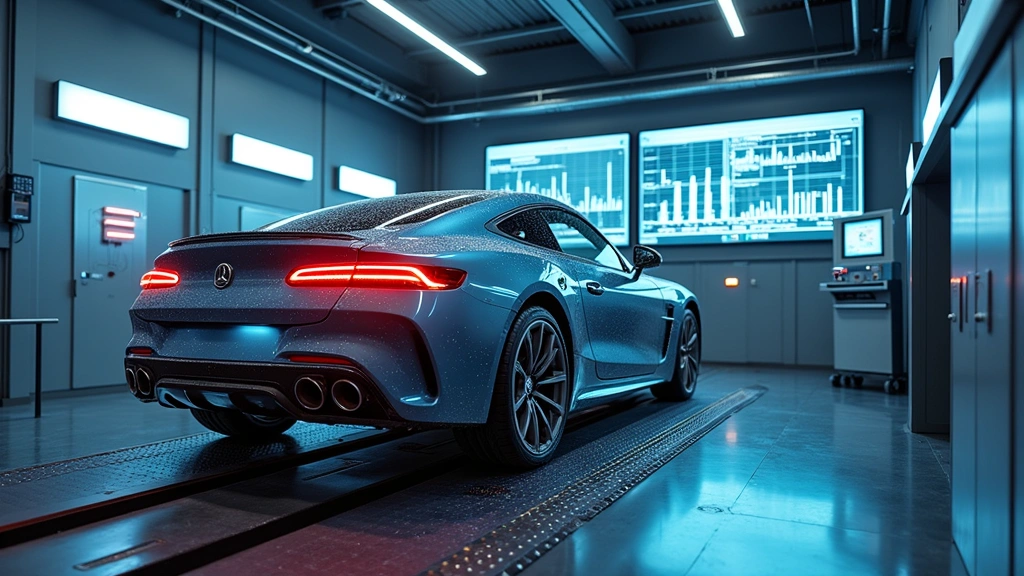
The Chrysler Tech Center’s testing capabilities represent a massive competitive advantage in vehicle development. The facility includes climate chambers that can simulate temperatures ranging from -40 to 140 degrees Fahrenheit, allowing engineers to evaluate vehicle performance across extreme environmental conditions. These chambers test everything from battery performance to material behavior, ensuring vehicles perform reliably regardless of climate.
Dynamometer testing facilities enable engineers to evaluate engine performance, transmission behavior, and overall powertrain efficiency in controlled laboratory conditions. Multiple dynamometer stations allow simultaneous testing of different vehicle configurations, accelerating the development timeline. Real-time data collection during these tests provides engineers with detailed insights into performance characteristics, enabling rapid optimization.
The center features a state-of-the-art vehicle testing track where prototype vehicles undergo real-world evaluation. This dedicated track allows engineers to assess handling characteristics, braking performance, and overall vehicle dynamics in a controlled yet realistic environment. Road simulation equipment can replicate various road surfaces and conditions, subjecting vehicles to the kinds of stresses they’ll encounter during actual use.
Crash testing facilities meet and exceed regulatory requirements, allowing Chrysler to validate safety systems and structural integrity before vehicles reach consumers. These tests provide crucial data for refining safety features and ensuring compliance with increasingly stringent safety standards. The ability to conduct comprehensive crash testing in-house accelerates the development and validation process.
Noise, vibration, and harshness (NVH) testing laboratories identify and eliminate unwanted sounds and vibrations that could compromise vehicle quality. Specialized equipment isolates vehicles and measures vibration frequencies, helping engineers pinpoint sources of noise and develop solutions. This attention to detail significantly enhances the driving experience and customer satisfaction.
Sustainability Initiatives
The Chrysler Tech Center itself demonstrates commitment to environmental responsibility through multiple sustainability initiatives. The facility incorporates energy-efficient systems, renewable energy sources, and waste reduction programs. Green building practices employed during construction and ongoing operations minimize the center’s environmental footprint while serving as a living laboratory for sustainable technologies.
Research teams at the center focus heavily on reducing vehicle emissions and improving fuel efficiency. Work on lightweight materials, advanced engine technologies, and powertrain optimization directly supports the automotive industry’s transition toward more sustainable transportation solutions. Cloud computing benefits enable collaborative analysis of environmental data, helping teams identify efficiency improvements across vehicle platforms.
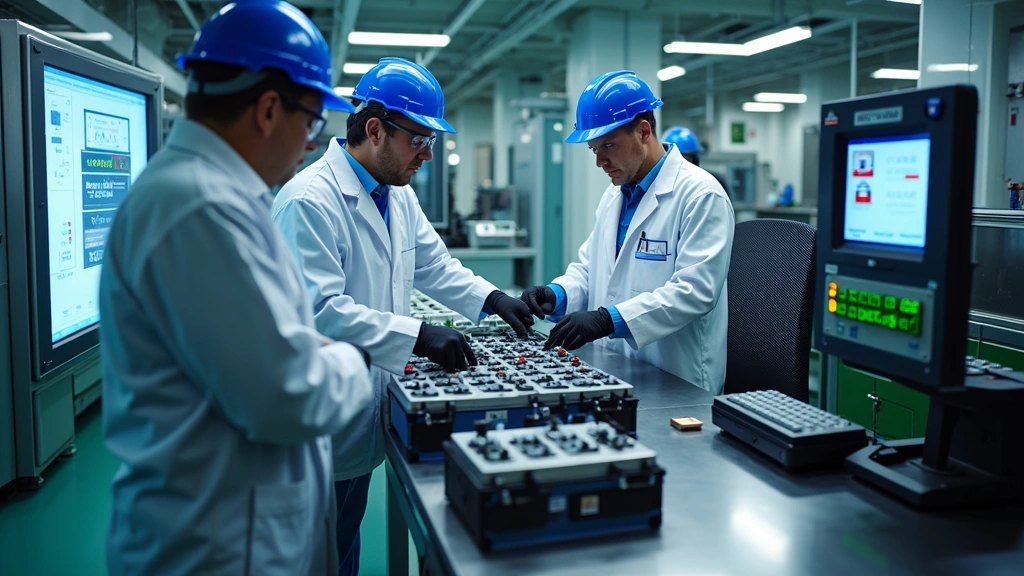
Electric vehicle development represents a major focus area, with dedicated teams working on battery technology, electric motor design, and charging infrastructure integration. As the industry shifts toward electrification, the center’s expertise in EV development becomes increasingly valuable. Advanced battery testing facilities evaluate performance, longevity, and safety characteristics of battery systems.
Materials science research explores sustainable alternatives to traditional automotive materials, investigating everything from recycled plastics to bio-based composites. These investigations aim to reduce environmental impact while maintaining the performance and safety standards automotive customers expect. The center’s commitment to sustainability research positions Chrysler as an industry leader in environmental responsibility.
Technology Integration and Innovation
Modern vehicle development at the Chrysler Tech Center increasingly incorporates digital technologies that would have seemed like science fiction just years ago. Augmented reality tools allow designers and engineers to visualize components in context, facilitating better decision-making during the design phase. Virtual reality environments enable teams to experience vehicles before physical prototypes exist, identifying potential issues early in development.
Data analytics capabilities have become central to vehicle development, with teams analyzing vast amounts of information from testing facilities, customer feedback, and real-world vehicle performance. Machine learning algorithms identify patterns that might escape human analysis, suggesting optimizations that improve vehicle performance and reliability. This data-driven approach represents a fundamental shift in how vehicles are engineered and refined.
The integration of artificial intelligence applications throughout the development process accelerates innovation while improving outcomes. AI assists in design optimization, predicts component failures before they occur, and helps identify market opportunities. The center’s investment in AI capabilities positions Chrysler to leverage these transformative technologies effectively.
Connected vehicle technologies developed at the center enable vehicles to communicate with infrastructure, other vehicles, and cloud-based services. These capabilities support the development of autonomous driving systems and provide customers with enhanced safety, convenience, and entertainment features. The center’s expertise in vehicle connectivity and software integration strengthens Chrysler’s position in the rapidly evolving automotive technology landscape.
Cybersecurity research ensures that connected vehicles remain secure against emerging threats. As vehicles become increasingly digital, protecting customer data and preventing unauthorized vehicle control becomes paramount. Dedicated security teams work on encryption, authentication, and threat detection systems that safeguard vehicle systems and user information.
Career Opportunities
The Chrysler Tech Center represents a premier destination for engineering and technology professionals seeking careers at the forefront of automotive innovation. The facility employs thousands of engineers, designers, software developers, and technicians across multiple disciplines. For those interested in how to become a software developer in the automotive sector, the center offers exceptional opportunities to work on real-world problems with significant impact.
Entry-level positions often involve working alongside experienced engineers on specific components or systems, providing hands-on experience with professional development tools and methodologies. Internship programs allow students to gain practical experience while contributing to actual vehicle development projects. The collaborative environment fosters rapid learning and skill development.
Mid-career professionals find opportunities to lead teams, manage projects, and shape the strategic direction of vehicle development initiatives. The center values innovation and encourages employees to pursue novel solutions to technical challenges. Professional development programs support continuous learning and skill advancement throughout careers.
The facility also offers opportunities for those interested in best tech stocks and investment perspectives, as Chrysler’s innovation capabilities directly influence investor confidence and company performance. Understanding how facilities like this drive technological advancement provides valuable context for automotive industry analysis.
Working at the Chrysler Tech Center provides exposure to cutting-edge technologies, collaboration with world-class talent, and the satisfaction of contributing to vehicles that millions of people will drive. The compensation packages, benefits, and career growth opportunities make the center an attractive destination for automotive professionals at all career stages.
FAQ
Where exactly is the Chrysler Tech Center located?
The Chrysler Tech Center is located in Auburn Hills, Michigan, approximately 30 miles north of Detroit. The 504-acre campus sits in Michigan’s automotive corridor, providing convenient access to suppliers, partners, and other industry resources. The Auburn Hills location offers a strategic position within the heart of American automotive manufacturing.
What is the size of the Chrysler Tech Center?
The facility spans 3.5 million square feet of dedicated workspace across its 504-acre campus. This extensive space accommodates design studios, engineering laboratories, testing facilities, administrative offices, and prototype assembly areas. The scale of the facility reflects Chrysler’s substantial commitment to research and development.
Can the public tour the Chrysler Tech Center?
The Chrysler Tech Center is a secure facility with limited public access. While group tours are occasionally available for educational institutions and qualified organizations, general public touring is restricted. Security measures protect proprietary information and ensure the safety of ongoing development activities.
What types of vehicles are developed at the Tech Center?
The center handles development for all Chrysler, Dodge, Jeep, and Ram vehicles, spanning sedans, SUVs, trucks, and specialty vehicles. Teams work on everything from compact economy cars to full-size pickup trucks, ensuring the breadth of Chrysler’s product portfolio benefits from the facility’s advanced capabilities.
How does the Tech Center contribute to automotive industry innovation?
The facility drives innovation through advanced testing, simulation, and design capabilities that accelerate development cycles and improve vehicle quality. Research into emerging technologies like autonomous driving, electrification, and connectivity positions the center at the forefront of automotive industry transformation. Collaborations with universities and technology partners extend the center’s innovation reach.
What role does sustainability play at the facility?
Sustainability is integrated throughout operations and research activities, from facility energy efficiency to vehicle development focused on emissions reduction and electrification. The center serves as a laboratory for sustainable technologies and practices, demonstrating Chrysler’s commitment to environmental responsibility and supporting the industry’s transition toward cleaner transportation solutions.


