
Cincinnati vs Texas Tech: The Ultimate Tech Gadget Showdown for College Students
When comparing two major universities like the University of Cincinnati and Texas Tech University, most people think about athletics, academics, or campus life. But what about the tech ecosystem? Both institutions have become powerhouses in technology education and innovation, attracting students who demand cutting-edge gadgets and digital infrastructure. This comprehensive gadget showdown examines which university environment better supports modern tech-savvy students, from campus computing resources to student-friendly device ecosystems.
Cincinnati and Texas Tech represent two distinct approaches to technology integration in higher education. Cincinnati, nestled in Ohio’s tech corridor, emphasizes cooperative education and real-world tech applications. Texas Tech, located in Lubbock, has invested heavily in research facilities and emerging technologies. For students considering either school, understanding the technological landscape—including available gadgets, computing resources, and tech support—can significantly impact their college experience and career preparation.

Campus Computing Infrastructure and Device Support
The University of Cincinnati has invested substantially in its computing infrastructure, featuring state-of-the-art computer labs across multiple campus locations. The institution provides comprehensive access to enterprise-grade software, including Adobe Creative Cloud, Microsoft Office 365, and specialized engineering applications. Cincinnati’s IT department maintains modern desktops and workstations in dedicated learning spaces, with particular strength in their engineering and business schools. The campus supports both Windows and Mac ecosystems, recognizing diverse student preferences.
Texas Tech’s computing infrastructure is equally impressive, with the university maintaining one of the most robust campus networks in the region. Their IT services department has implemented a bring-your-own-device (BYOD) policy that empowers students to use their preferred gadgets while maintaining security standards. Texas Tech’s computing labs feature high-performance machines suitable for resource-intensive applications like CAD software, 3D rendering, and data analysis. The university has also prioritized accessibility, ensuring all computing facilities accommodate students with disabilities.
When evaluating best laptops for students, both universities support the latest MacBook Pro models, Dell XPS series, and HP Spectre devices. Cincinnati tends to favor industry-standard equipment, while Texas Tech encourages students to choose devices matching their specific academic programs. Both institutions offer device financing programs and partnerships with manufacturers for discounted pricing.
Laptop and Mobile Device Recommendations
For Cincinnati students, the university recommends high-performance laptops capable of running professional-grade software. Engineering students benefit from machines with dedicated graphics cards, while business and liberal arts students can succeed with mid-range specifications. The recommended specifications typically include Intel Core i7 processors (or Apple M-series equivalents), 16GB RAM minimum, and 512GB SSD storage. Cincinnati’s IT department provides detailed device recommendations on their official website, updated annually to reflect current technology standards.
Texas Tech students receive similarly detailed guidance, with program-specific recommendations. Computer science majors might opt for high-end gaming laptops that double as development machines, while liberal arts students can work effectively on ultrabooks. Texas Tech’s recommendation list emphasizes value, often suggesting previous-generation flagship devices that offer exceptional performance at reduced prices. The university has negotiated special pricing with retailers, allowing students to save 15-25% on popular models.
Mobile devices represent another critical consideration. Both universities have optimized campus systems for iOS and Android, with seamless integration for student email, learning management systems, and campus services. Cincinnati and Texas Tech both support mobile authentication through institutional apps, reducing friction when accessing campus resources. For note-taking and productivity, both student bodies heavily utilize iPad Pro models paired with Apple Pencils, leveraging the technology integration principles that extend to personal devices.
External resource: The Verge’s comprehensive laptop reviews provide independent assessments of devices recommended by both universities. Additionally, CNET’s mobile device coverage offers detailed specifications and real-world performance testing.
Tech Support and IT Services Comparison
Cincinnati’s IT Help Desk operates extended hours, with support available via phone, email, chat, and in-person visits at multiple campus locations. The university maintains a comprehensive knowledge base covering device setup, software installation, network troubleshooting, and security protocols. Response times typically range from 2-4 hours for urgent issues, with phone support available until 8 PM weekdays. Cincinnati also provides technology training workshops covering productivity software, data management, and cybersecurity awareness.
Texas Tech’s IT Services division operates similarly comprehensive support systems, with the advantage of 24/7 phone support for critical issues. Their help desk staff receives specialized training in common student devices and software, enabling faster resolution times. Texas Tech has invested in AI-powered chatbots that handle routine troubleshooting, reducing wait times for complex issues. The university’s IT department also maintains an extensive YouTube channel with video tutorials covering everything from VPN setup to advanced software features.
Both institutions prioritize cybersecurity, providing free antivirus software, VPN access, and security awareness training. Cincinnati emphasizes personal device security through mandatory security training for all students. Texas Tech implements zero-trust network architecture, ensuring secure access to campus resources regardless of device type or location. This security focus means students at both universities benefit from enterprise-grade protection typically reserved for corporate environments.
The latest technology news frequently highlights university IT innovations, and both Cincinnati and Texas Tech regularly implement emerging security standards ahead of industry timelines.
Emerging Technologies and Innovation Labs
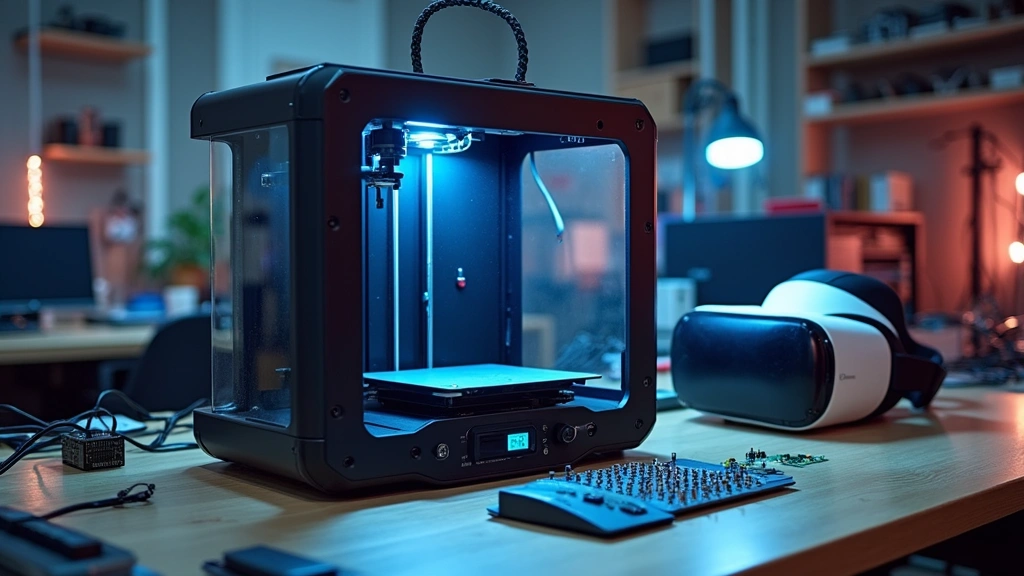
Cincinnati’s innovation ecosystem includes the University of Cincinnati Innovation Hub, which provides students access to 3D printers, laser cutters, electronics prototyping equipment, and virtual reality systems. The makerspaces operate on a membership model, with free access for students and nominal fees for extended use. Students can develop gadgets from concept to prototype, gaining practical experience with emerging technologies. The university’s partnership with artificial intelligence applications research centers provides undergraduates opportunities to work on cutting-edge AI projects.
Texas Tech operates multiple innovation spaces, including the TTU Innovation Hub and specialized labs in engineering disciplines. The university has invested heavily in augmented reality (AR) and virtual reality (VR) technologies, with dedicated spaces for immersive learning and development. Texas Tech’s Manufacturing and Robotics Lab provides students hands-on experience with industrial-grade equipment, preparing them for advanced technical careers. The university’s commitment to blockchain technology includes dedicated labs where students explore cryptocurrency, smart contracts, and distributed systems.
Both universities support student entrepreneurship through technology competitions and startup incubators. Cincinnati’s student-led tech clubs focus on areas like cybersecurity, mobile app development, and data science. Texas Tech’s student organizations emphasize hardware development and IoT (Internet of Things) projects. These ecosystems ensure students stay current with cloud computing benefits and other transformative technologies shaping their industries.
Student Tech Budgets and Affordability
Cincinnati recognizes that technology represents a significant investment for students. The university’s official device recommendations include budget-friendly options, with solid alternatives available under $800. Cincinnati’s partnership with Dell and Lenovo provides educational pricing, typically offering 20-30% discounts on business-class laptops. The university also maintains a device loan program for students experiencing financial hardship, ensuring technology access doesn’t become a barrier to education.
Texas Tech approaches affordability through aggressive negotiation with manufacturers and retailers. The university’s recommended device list explicitly identifies budget tiers, from $600 ultrabooks to $2,000+ powerhouse machines. Texas Tech’s IT department publishes annual cost-of-ownership analyses, helping students understand total expenses including software, peripherals, and maintenance. The university offers interest-free payment plans through partnerships with educational financing providers.
Both institutions include technology fees in their comprehensive student charges, typically ranging from $100-200 per semester. These fees fund campus computing labs, network infrastructure, IT support, and software licenses. Cincinnati’s model provides broader software access, while Texas Tech’s approach emphasizes network performance and security infrastructure. Students interested in becoming software developers find both universities offer excellent value through included development tools and cloud computing credits.
Wireless Connectivity and Network Performance
Cincinnati’s campus network infrastructure supports gigabit-speed wireless connectivity across all academic buildings, residence halls, and outdoor spaces. The university has implemented Wi-Fi 6 technology in high-density areas, ensuring reliable connections even during peak usage times. Network security implements institutional authentication, with separate networks for guest access and IoT devices. Cincinnati’s IT department actively monitors network performance, with average latency under 20 milliseconds and uptime exceeding 99.9%.
Texas Tech’s network infrastructure represents one of the university’s crown jewels, featuring extensive fiber-optic backbone and distributed Wi-Fi 6 access points. The university has invested in software-defined networking (SDN) architecture, enabling dynamic bandwidth allocation based on usage patterns. Texas Tech’s network supports seamless roaming across campus, with devices maintaining connections while moving between access points. The university’s commitment to network performance ensures online classes, video streaming, and cloud-based applications function flawlessly.
Both institutions implement network management policies balancing openness with security. Cincinnati allows unlimited bandwidth for academic purposes while implementing fair usage policies for entertainment streaming. Texas Tech prioritizes academic traffic but permits reasonable personal use without restrictions. Students at both universities enjoy network performance comparable to commercial data centers, with reliability that exceeds most residential internet services.
Gaming and Entertainment Gadgets
Cincinnati’s student body includes significant gaming communities, with support for gaming laptops and dedicated gaming devices. The university’s computing labs include gaming-capable machines, though primarily for academic purposes. Student organizations host gaming tournaments, and residence halls support high-speed internet suitable for competitive gaming. Cincinnati’s esports program has grown substantially, with dedicated gaming facilities featuring high-refresh-rate monitors and gaming peripherals. Students frequently utilize gaming laptops from brands like ASUS ROG and MSI, which perform excellently for both coursework and entertainment.
Texas Tech has invested specifically in esports infrastructure, with a dedicated esports arena featuring professional-grade gaming PCs, high-refresh-rate monitors, and tournament-standard peripherals. The university’s gaming community extends beyond competitive esports to include casual gaming in residence halls and student centers. Texas Tech’s network infrastructure supports demanding gaming requirements, with dedicated bandwidth allocation ensuring lag-free experiences. The university recognizes that gaming gadgets often serve dual purposes—entertainment and powerful computing platforms for demanding academic applications.
Both universities support gaming peripherals including mechanical keyboards, gaming mice, and headsets. Cincinnati and Texas Tech allow students to bring personal gaming equipment to campus, with IT support helping integrate devices into campus networks. The gaming ecosystem at both institutions fosters community and provides stress relief alongside academic rigor.
Career Tech Preparation
Cincinnati’s cooperative education program integrates technology learning with real-world experience. Students work at major tech companies, gaining hands-on experience with enterprise technologies and industry-standard tools. The university’s partnerships with companies like Procter & Gamble, General Electric, and major financial institutions ensure students encounter current technology stacks. Cincinnati’s emphasis on practical application means students graduate with gadget expertise and software proficiency directly applicable to professional environments.
Texas Tech’s career preparation emphasizes research and innovation. The university’s partnerships with tech companies include internship programs, campus recruiting events, and collaborative research projects. Texas Tech graduates often transition into roles at companies like IBM, Microsoft, and leading startups. The university’s technology infrastructure mirrors enterprise environments, ensuring students develop familiarity with systems they’ll encounter professionally.
Both institutions prepare students for technology careers through specialized programs and certifications. Cincinnati offers cybersecurity certifications and cloud computing credentials through partnerships with Amazon AWS and Microsoft Azure. Texas Tech provides similar opportunities alongside specialized training in emerging technologies like machine learning and blockchain. Students at both universities leave prepared to work with cutting-edge gadgets and technologies that define modern industries.
External resources provide additional career guidance: CNET’s technology coverage includes career insights and industry trends. TechPulse industry reports offer comprehensive analysis of technology career trajectories and emerging opportunities.
FAQ
Which university has better tech infrastructure: Cincinnati or Texas Tech?
Both universities maintain exceptional tech infrastructure. Cincinnati excels in software availability and integrated systems, while Texas Tech emphasizes network performance and emerging technology labs. The choice depends on your specific academic focus and preferences for device types.
Can I bring my own laptop to either university?
Yes, both Cincinnati and Texas Tech strongly encourage students to bring personal devices. Both institutions support Windows, macOS, and Linux systems with comprehensive IT support for device setup and troubleshooting.
What’s the average cost of technology at these universities?
Technology fees typically range from $100-200 per semester. Recommended laptop purchases range from $600-2,000 depending on academic program and personal preferences. Both universities offer financing options and educational discounts.
Which university offers better gaming facilities?
Texas Tech has invested more specifically in esports infrastructure with a dedicated arena. Cincinnati offers gaming facilities through student organizations and residence halls. Both support gaming communities effectively, with Texas Tech having a slight edge in dedicated resources.
How important is technology in student life at these universities?
Technology is integral to both universities’ academic and social ecosystems. From online learning platforms to research initiatives, students at Cincinnati and Texas Tech leverage gadgets and digital tools daily. Understanding each university’s tech environment helps ensure you choose the institution aligning with your technological needs and interests.


