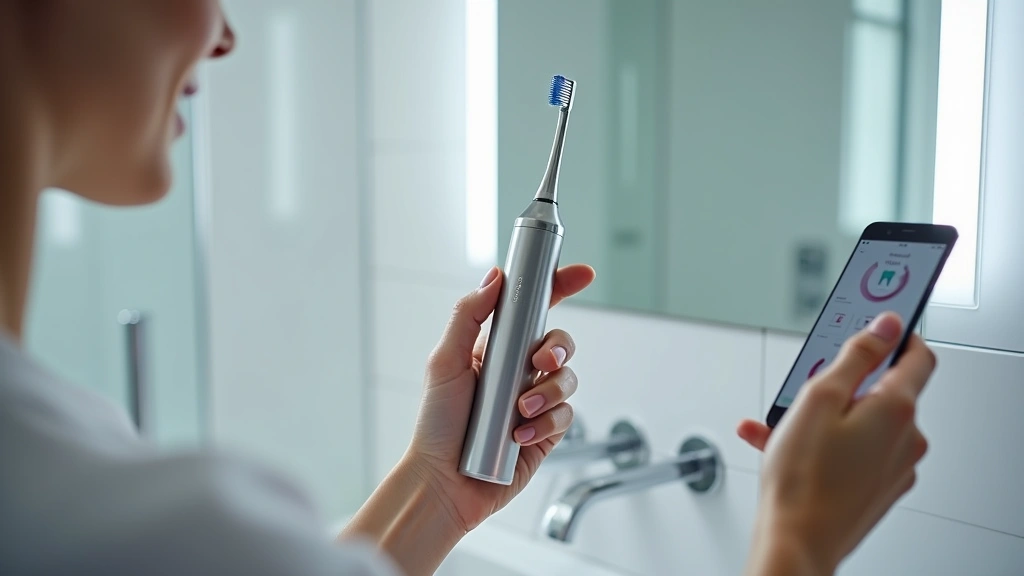
Urban living demands smart solutions, and dental hygiene is no exception. City Tech Dental Hygiene represents the intersection of advanced oral care technology and metropolitan lifestyle demands. Whether you’re a busy professional juggling work commitments or a student managing packed schedules, maintaining optimal dental health requires innovative tools and strategies tailored to urban environments. This comprehensive guide explores how modern dental technology revolutionizes oral care routines for city dwellers.
The dental care landscape has transformed dramatically with smart devices, AI-powered diagnostics, and connected health platforms. City Tech Dental Hygiene encompasses electric toothbrushes with real-time feedback, water flossers with app integration, and portable UV sanitizers designed for professionals on the move. Understanding these technologies and implementing them effectively can elevate your oral health outcomes significantly.
Smart Electric Toothbrushes for Urban Professionals
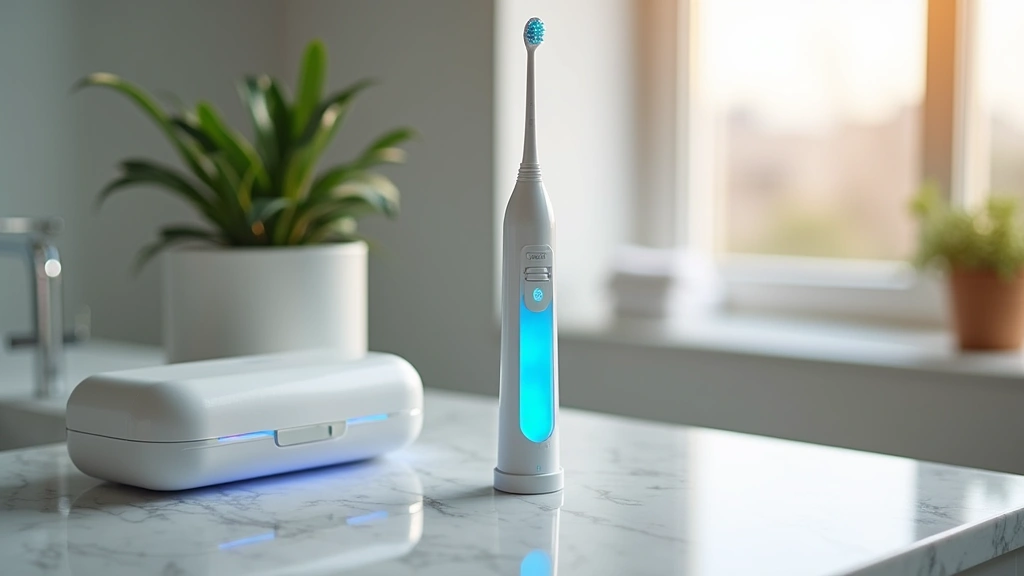
Smart electric toothbrushes represent the foundation of city tech dental hygiene. Unlike traditional electric toothbrushes, these devices incorporate sensors, pressure detection, and connectivity features that transform brushing into a data-driven experience. Brands like Oral-B IO Series and Philips Sonicare utilize artificial intelligence to monitor brushing patterns and provide real-time feedback through companion mobile applications.
These toothbrushes typically feature multiple cleaning modes—sensitive, whitening, massage, and deep clean—allowing customization based on individual dental needs. The pressure sensors prevent over-brushing, a common mistake among urban professionals who rush through morning routines. Battery technology has advanced significantly, with many models offering 14-day battery life on single charges, perfect for frequent travelers navigating city commutes.
The integration with technology and artificial intelligence transforming our future extends to predictive analytics. Smart toothbrushes analyze brushing duration, coverage, and technique, generating personalized recommendations. Some models even detect early signs of gum disease through pressure and movement patterns, alerting users before problems escalate.
Cost-effectiveness matters in urban settings where budgets are often tight. While premium models range from $150-$300, mid-range options ($80-$150) offer essential smart features without excessive expense. The long-term savings from preventing dental issues justify the investment considerably.
Connected Dental Devices and App Integration
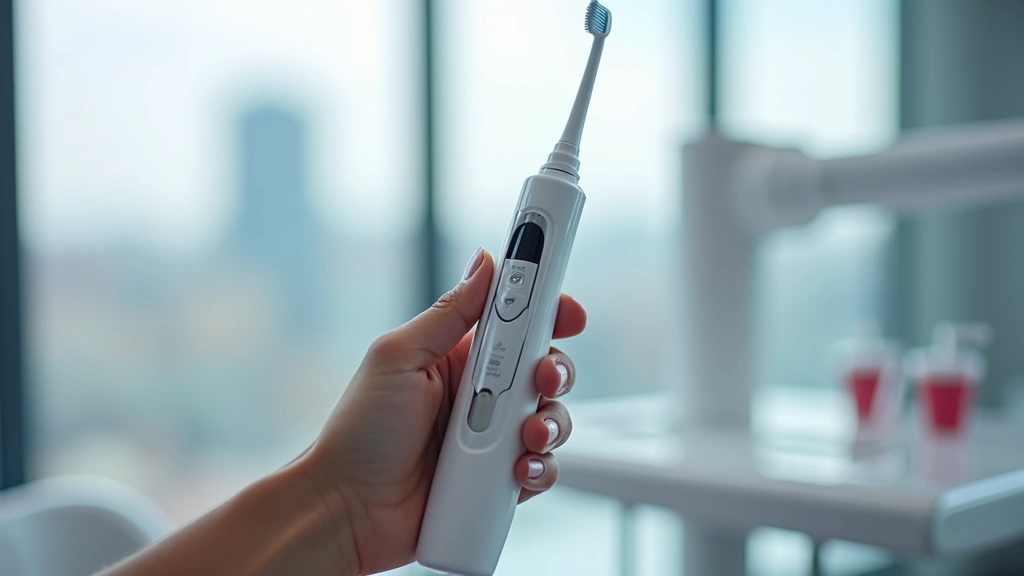
City Tech Dental Hygiene thrives on interconnected ecosystems where devices communicate seamlessly with smartphones and health platforms. Connected dental devices sync data to cloud-based systems, creating comprehensive oral health profiles accessible anytime, anywhere. This proves invaluable for city dwellers who travel frequently or maintain multiple residences.
Mobile applications accompanying smart dental devices provide visualizations of brushing patterns through heat maps showing coverage areas. Users identify weak spots in their routine instantly. Integration with calendar apps enables reminders for professional cleanings, while notifications alert users when replacement brush heads arrive. Some platforms connect with dental insurance providers, tracking preventive care compliance for potential premium discounts.
The ecosystem extends beyond individual devices. Best laptops for students 2025 often include health monitoring capabilities that sync with dental apps, creating holistic wellness profiles. This interconnectedness enables dentists to access patient data remotely, facilitating better treatment planning and follow-up care in urban dental practices.
Data security remains paramount in connected dental systems. Reputable manufacturers employ end-to-end encryption, HIPAA compliance, and regular security audits protecting sensitive health information. Urban professionals should verify privacy policies before adopting connected devices, ensuring personal dental data remains confidential.
Portable Hygiene Solutions for City Living
City Tech Dental Hygiene acknowledges that urban lifestyles rarely follow predictable routines. Portable solutions address the reality of eating lunch at restaurants, working late at offices, and traveling between neighborhoods. Compact water flossers, portable UV sterilizers, and travel-friendly electric toothbrushes fit easily into briefcases, backpacks, and desk drawers.
Travel toothbrush heads fold into protective cases smaller than traditional brushes. Portable water flossers hold sufficient water for complete flossing sessions while fitting in purses. Some professionals maintain hygiene kits in office desk drawers, vehicles, and gym bags, ensuring oral care access throughout daily routines.
Battery technology specifically serves urban professionals. Wireless charging capabilities eliminate cord clutter in apartments with limited outlets. Solar-powered sanitizers provide sustainable alternatives for environmentally conscious city dwellers. These innovations recognize that metropolitan living spaces often feature space constraints and aesthetic considerations affecting gadget adoption.
The psychological aspect of portable solutions shouldn’t be overlooked. Having convenient access to dental care tools encourages consistent habits. Professionals more likely to floss when devices travel with them, demonstrating how thoughtful design influences health outcomes.
AI-Powered Dental Diagnostics
Artificial intelligence revolutionizes urban dental care through diagnostic capabilities previously requiring professional intervention. AI algorithms analyze oral images captured by smartphone cameras, identifying cavities, plaque buildup, and early gum disease indicators. While not replacing professional dentists, these tools enable early detection and preventive intervention.
Urban dental clinics increasingly deploy AI-powered diagnostic systems. Intraoral cameras connected to AI software scan teeth and gums, generating comprehensive reports highlighting problem areas. Dentists review AI-flagged regions during appointments, ensuring thorough examinations. This technology proves particularly valuable in busy metropolitan practices managing high patient volumes.
The future of artificial intelligence includes predictive modeling for individual oral health trajectories. Machine learning models trained on millions of dental records identify users at risk for specific conditions. Personalized prevention strategies then target these risks proactively.
Integration with how to become a software developer careers creates interesting opportunities. Developers building dental AI platforms require understanding of oral health domain knowledge. Collaboration between software engineers and dental professionals produces increasingly sophisticated diagnostic tools benefiting urban populations.
Accessibility improvements through AI extend care to underserved urban communities. Smartphone-based diagnostics reduce barriers for individuals unable to afford frequent professional cleanings. While professional care remains essential, AI supplements traditional dentistry, democratizing oral health knowledge.
Advanced Water Flossing Technology
Water flossers represent significant advances over traditional string floss for urban professionals. Powered by electric pumps, these devices deliver pulsating water streams at precisely calibrated pressures, removing food debris and bacteria from interdental spaces and below gum lines. Advanced models feature multiple pressure settings, nozzle designs, and reservoir capacities.
City Tech Dental Hygiene embraces water flossers because they accommodate various lifestyle constraints. Individuals with limited dexterity, braces, or implants find water flossing more effective than traditional methods. Urban professionals appreciate quick sessions—water flossing typically completes in three to five minutes compared to ten minutes for traditional flossing.
Waterpik oral irrigators lead the market with models ranging from countertop systems to cordless portable devices. Countertop models suit apartment dwellers with bathroom space, while cordless options serve those in studios or frequent travelers. Tank capacities vary from 5 ounces to 25 ounces, affecting session duration before refilling.
Advanced features include heated water options soothing sensitive gums and massage modes promoting circulation. Some models connect to smartphones, tracking flossing frequency and duration. Reservoir designs prevent backflow, ensuring hygienic operation in shared bathrooms.
Maintenance requirements differ from traditional floss. Regular cleaning prevents mineral buildup, particularly in hard water areas common in urban environments. Replacement nozzles typically cost $5-$15, making long-term ownership economical. Professional recommendations suggest combining water flossers with traditional floss for comprehensive interdental cleaning.
UV Sanitization Systems
Urban environments expose dental devices to diverse microorganisms. UV sanitization technology addresses contamination concerns through ultraviolet light exposure killing bacteria, viruses, and fungi on toothbrush bristles and oral care equipment. Portable UV cases hold toothbrushes, water flosser nozzles, and other devices, delivering sterilization during travel.
City Tech Dental Hygiene incorporates UV sanitizers into daily routines easily. Desktop models sanitize devices overnight, ensuring morning brushing with sterilized equipment. Travel cases utilize battery power, providing sanitization in hotel bathrooms, offices, and vehicles. Some models include aromatherapy diffusers, adding pleasant scents during sanitization cycles.
Effectiveness varies based on UV-C wavelengths and exposure duration. Reputable manufacturers utilize 254-nanometer wavelengths proven to eliminate 99.99% of microorganisms. Sanitization cycles typically require 3-5 minutes, fitting naturally into morning or evening routines.
Environmental considerations favor UV systems over chemical sterilizers. No harsh chemicals enter water systems or homes. UV technology operates sustainably using minimal electricity. Urban professionals increasingly prefer eco-friendly options, making UV sanitizers appealing choices for environmentally conscious city dwellers.
Integration with Digital Health Ecosystems
City Tech Dental Hygiene achieves maximum impact through integration with broader digital health platforms. Apple Health, Google Fit, and Samsung Health increasingly include oral health metrics. Dental devices syncing with these ecosystems contribute to comprehensive wellness profiles.
Insurance companies partner with digital health platforms, incentivizing users who maintain preventive care records. Urban professionals accessing these programs receive discounts or rewards for consistent brushing, flossing, and professional cleaning attendance. Gamification elements—achievement badges, streak counters, leaderboards—encourage sustained engagement.
Telehealth integration enables remote consultations with dentists reviewing smart device data. Urban professionals access dental expertise without traveling to clinics, saving significant time in congested metropolitan areas. Dentists assess progression, identify emerging problems, and adjust treatment recommendations based on device analytics.
TechPulse Hunter Blog regularly covers innovations in connected health technology. These resources help urban professionals understand emerging capabilities and adoption strategies. Staying informed about new features ensures maximum value from invested technologies.
Integration with wearable devices—smartwatches, fitness trackers—creates unified health monitoring. Some wearables display notifications reminding users to brush or floss, reinforcing habits throughout days. This ambient health awareness proves particularly effective in busy urban environments where routine disruption occurs frequently.
Voice assistant compatibility—Alexa, Google Assistant, Siri—adds convenience layers. Urban professionals set reminders through voice commands while cooking, commuting, or working. Hands-free interaction suits busy lifestyles where manual phone interaction proves impractical.
Top programming languages in 2025 increasingly emphasize health data interoperability. Developers building next-generation dental platforms prioritize seamless integration with existing health ecosystems. This focus ensures City Tech Dental Hygiene solutions complement rather than complicate digital health management.
Professional dental networks utilize integrated platforms coordinating care across multiple specialists. Urban residents accessing orthodontists, periodontists, and general dentists benefit from consolidated records, reducing redundant examinations and improving treatment coordination.
FAQ
What makes smart toothbrushes better than traditional electric toothbrushes?
Smart toothbrushes incorporate sensors providing real-time feedback on brushing technique, pressure, and coverage through mobile apps. They learn individual patterns, send personalized recommendations, and track progress over time. Traditional electric toothbrushes lack these analytical capabilities, making smart versions superior for users seeking data-driven oral health optimization.
Are water flossers effective replacements for traditional floss?
Water flossers effectively remove debris and reduce gum inflammation, making them excellent for many users. However, dental professionals recommend combining water flossing with traditional floss for comprehensive interdental cleaning. Water flossers particularly benefit individuals with braces, implants, or limited dexterity who struggle with traditional methods.
How often should UV sanitizers operate?
Daily sanitization during evening routines ensures toothbrushes remain clean before morning use. Users traveling frequently benefit from additional sanitization cycles in new environments. Most devices complete cycles in 3-5 minutes, fitting conveniently into existing routines without adding significant time.
Do connected dental devices compromise privacy?
Reputable manufacturers implement HIPAA-compliant encryption, secure servers, and transparent privacy policies. Users should review manufacturer privacy statements before adoption, understanding data collection, storage, and sharing practices. Major manufacturers maintain strong security records, though individual diligence remains important.
Can AI dental diagnostics replace professional dentists?
AI diagnostic tools supplement professional care without replacement. They enable early detection and encourage preventive behaviors, but professional dentists provide comprehensive assessments, treatment planning, and procedural care. Combining AI analytics with professional expertise optimizes outcomes.
What budget should urban professionals allocate for City Tech Dental Hygiene?
Quality smart toothbrushes cost $80-$300, water flossers $30-$100, and UV sanitizers $15-$60. Total investment ranges from $125-$460 depending on feature preferences. This investment typically pays dividends through prevented dental problems, making the cost-benefit analysis favorable for health-conscious professionals.
Which City Tech Dental Hygiene devices work best for apartment dwellers?
Cordless water flossers, portable UV sanitizers, and compact smart toothbrushes suit space-constrained apartments. These devices minimize clutter while delivering full functionality. Wireless charging capabilities reduce cord requirements, important in studios with limited outlet access.
How do connected dental devices integrate with busy professional schedules?
Smart devices provide flexibility through mobile app notifications, voice assistant reminders, and portable designs. Users access data anywhere, receiving insights about dental health without time-consuming appointments. Integration with calendar apps schedules professional cleanings automatically.


