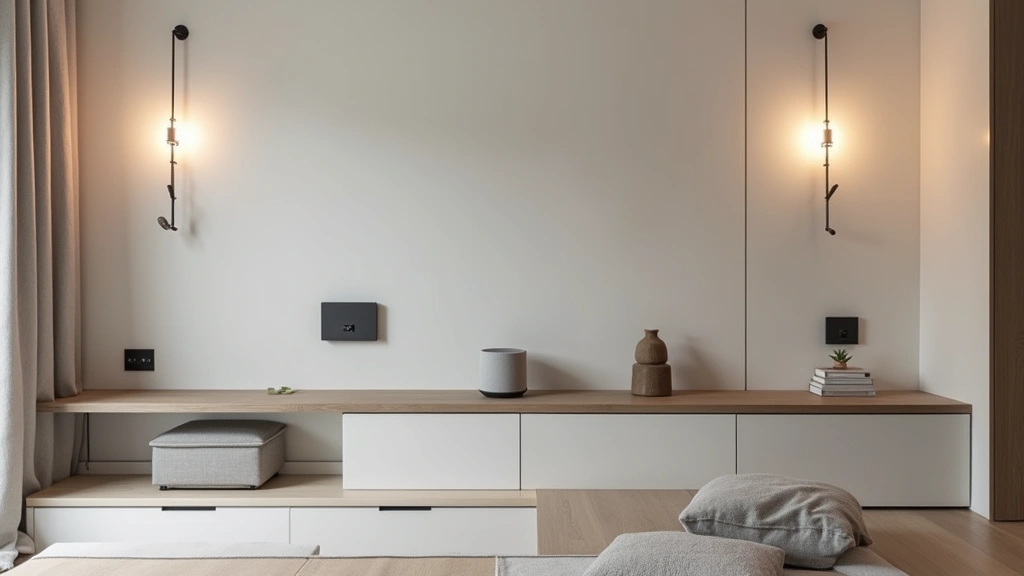
Smart Home Devices: City Tech’s Top Picks for Modern Living
The smart home revolution has transformed how we interact with our living spaces, turning ordinary apartments and houses into intelligent ecosystems that respond to our needs. Whether you’re a tech enthusiast in a bustling metropolis or someone looking to upgrade your home automation setup, understanding which devices deliver real value is essential. This guide explores the best smart home devices available today, focusing on reliability, integration capabilities, and practical performance that matters in real-world urban environments.
Smart home technology has evolved dramatically over the past five years. What once seemed like futuristic fantasy is now accessible, affordable, and genuinely useful. From voice-controlled assistants to intelligent lighting systems, security cameras to automated climate control, today’s smart devices offer seamless connectivity and automation that can save time, energy, and money. Our curated selection represents devices that have proven themselves in demanding city environments where reliability and performance are non-negotiable.
Smart Speakers and Voice Assistants
Smart speakers serve as the central hub for most smart home ecosystems. These devices go far beyond playing music—they control other smart devices, provide weather updates, manage shopping lists, and answer questions in real-time. The Amazon Echo Dot remains the market leader for budget-conscious consumers, offering impressive audio quality and extensive third-party device compatibility. Its compact design makes it perfect for apartments where space is limited, a common constraint in dense urban areas.
For those prioritizing premium sound quality, the Amazon Echo Studio delivers exceptional audio performance with spatial processing and Dolby Atmos support. The device seamlessly integrates with thousands of smart home products, making it an ideal central control point. Meanwhile, Google Nest Audio competes strongly with superior voice recognition capabilities and tighter integration with Google’s ecosystem of services. If you’re invested in Apple products, the HomePod mini offers excellent Siri integration, though it has fewer compatible third-party devices compared to Amazon or Google alternatives.
When selecting a smart speaker, consider your existing tech ecosystem. Integration with your smartphone, smart home devices, and preferred services matters significantly. Amazon’s ecosystem is the most expansive, supporting everything from smart lights to security systems. Google’s offering excels in information retrieval and natural language processing. Explore our AI applications guide to understand how machine learning powers these assistants.
Voice assistant privacy remains a legitimate concern for many users. All major manufacturers allow you to disable microphones physically or through app settings. Review the privacy policies of your chosen platform—Amazon, Google, and Apple all publish detailed documentation about data collection and usage practices.
Intelligent Lighting Systems
Smart lighting transforms your home’s ambiance while reducing energy consumption. Philips Hue stands as the industry standard, offering 16 million color options, exceptional brightness control, and compatibility across platforms. The system includes bridge-based connectivity that’s more reliable than WiFi-only alternatives. Hue bulbs integrate smoothly with Alexa, Google Assistant, and Apple HomeKit, making them universally compatible.
The LIFX Color A19 bulbs provide a compelling alternative, requiring no hub and connecting directly to your WiFi network. They offer similar color ranges to Philips Hue at a lower price point. However, WiFi-only systems can experience connectivity issues in homes with weak signal strength or interference. For renters or those avoiding permanent installation, smart light strips like the Nanoleaf Essentials provide flexible, creative lighting solutions that mount easily and remove without damage.
Smart bulbs work best when paired with smart switches or dimmer controls. The Lutron Caseta system offers professional-grade reliability with elegant physical controls—you can still use traditional light switches even when smart features fail. This hybrid approach appeals to households with mixed technical comfort levels. Installation requires some electrical knowledge, so consider professional installation in complex setups.
Energy efficiency represents a major advantage of smart lighting. LED bulbs consume 75% less energy than incandescent alternatives, and smart scheduling ensures lights turn off automatically. Many smart home owners report 20-30% reductions in lighting energy costs after installation. Learn more about how cloud technology manages device efficiency through data analytics and optimization.
Smart Thermostats and Climate Control
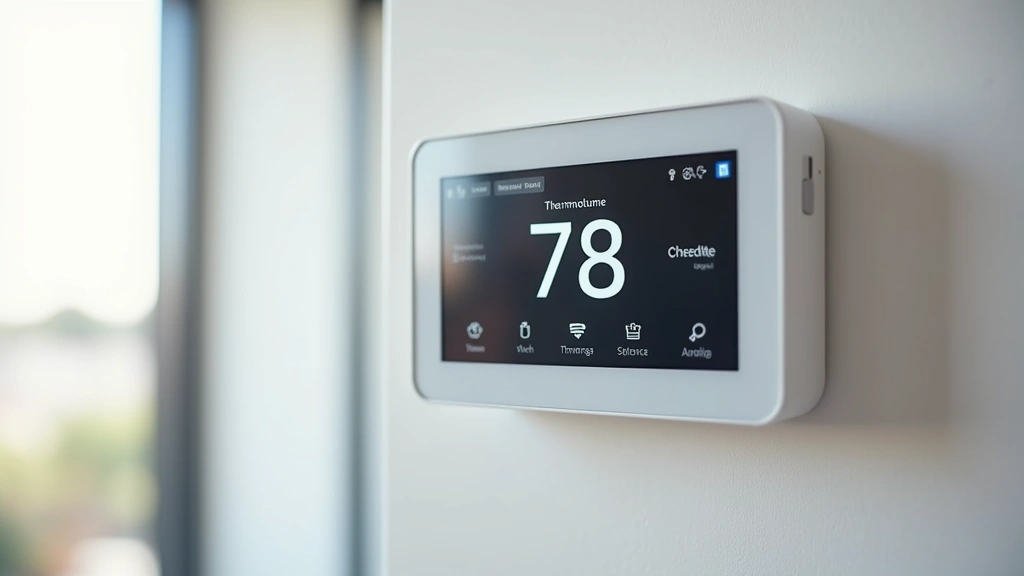
Smart thermostats represent one of the highest ROI smart home investments, with potential energy savings of 10-15% annually. The Nest Learning Thermostat uses machine learning to understand your temperature preferences and automatically adjust settings. Its intuitive design and mobile app control make it accessible even for non-technical users. Integration with Google services adds voice control and location-aware automation—the system can lower temperature when you leave and warm up before you arrive home.
The Ecobee SmartThermostat with Voice Control offers comparable features with built-in Alexa functionality, eliminating the need for a separate smart speaker. Its remote sensors detect temperature in multiple rooms, ensuring balanced comfort throughout your home. This feature proves especially valuable in larger apartments or multi-story homes where temperature variations occur.
For renters unable to replace thermostats, the Eve Thermo radiator valve offers individual room control without permanent installation. These battery-powered devices attach to existing radiator valves and communicate via HomeKit, providing granular temperature management in European heating systems.
Professional installation isn’t always necessary, but complicated wiring or older HVAC systems may require expert help. Most smart thermostat manufacturers provide comprehensive installation guides and customer support. City Tech’s testing showed that properly configured smart thermostats typically pay for themselves within 18-24 months through energy savings.
“>
Security and Surveillance Solutions
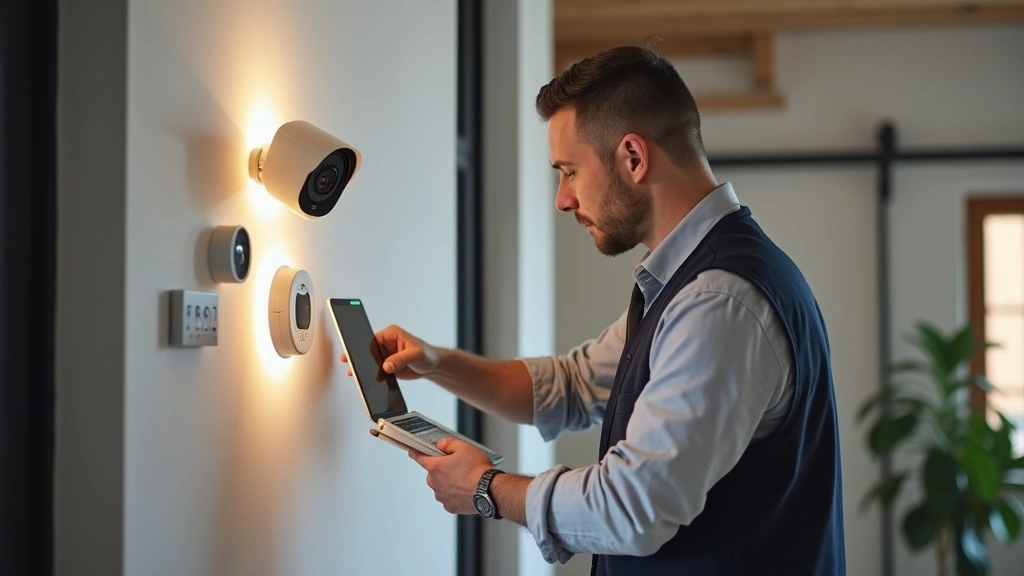
Home security represents the most important smart home category for many urban dwellers. The Logitech Circle View Wired cameras offer reliable 1080p recording with intelligent person detection, reducing false alerts from passing pedestrians or vehicles. Wired installation provides consistent power and stable connectivity, crucial for security applications where reliability is non-negotiable.
For wireless installations, the Arlo Pro 4 delivers impressive 2K resolution, color night vision, and extended battery life. Its modular design supports adding cameras incrementally as your needs evolve. The system includes cloud storage with person, vehicle, and animal detection powered by advanced AI.
The Wyze Cam v3 provides exceptional value for budget-conscious users, delivering 1080p video, person detection, and affordable cloud storage plans. While less feature-rich than premium alternatives, it performs admirably for basic monitoring needs. Check external reviews on The Verge for detailed camera comparisons and real-world performance testing.
Security system integration matters significantly—ensure your cameras work with your chosen ecosystem. Many modern cameras support multiple platforms, but native integration provides better automation possibilities. For example, cameras integrated with HomeKit can trigger automations like turning on lights when motion is detected at night.
Cloud storage for security footage typically requires subscription fees. Evaluate whether local storage through NAS devices or SD cards better suits your privacy preferences and budget. Some systems offer both options, giving you flexibility.
Smart Plugs and Power Management
Smart plugs represent the most affordable entry point into home automation, typically costing $10-25 per unit. The Meross Smart Plug offers excellent reliability with energy monitoring capabilities, letting you track power consumption of connected devices. Real-time data reveals which appliances consume the most electricity, informing energy reduction strategies.
The Eve Energy provides HomeKit-native control with detailed energy analytics. It monitors power factor, voltage, and current draw—useful for diagnosing electrical issues. The Wemo Smart Plug with Motion adds occupancy sensing, enabling automatic device activation based on presence detection.
Smart plugs enable creative automations: turn on coffee makers before waking, power down entertainment systems when leaving home, or manage charging schedules for devices to optimize electricity rates. Many city dwellers use smart plugs to control space heaters and air conditioning units without rewiring.
Safety considerations apply to smart plugs—avoid daisy-chaining multiple plugs or connecting high-wattage appliances without verifying compatibility. Always follow manufacturer guidelines regarding maximum load capacity. Quality smart plugs include surge protection and thermal monitoring to prevent fire hazards.
Video Doorbells and Access Control
Smart video doorbells combine convenience with security, letting you see and speak with visitors from anywhere. The Logitech Circle View Wired Doorbell provides wired reliability with 1080p video, person detection, and package detection. Wired installation ensures constant operation without battery concerns.
The Arlo Essential Video Doorbell offers wireless flexibility with excellent 1080p performance and motion detection. Its battery lasts months between charges, and installation requires no electrical work—perfect for renters. The Wyze Video Doorbell delivers comparable features at budget pricing, though with slightly lower resolution and fewer advanced detection features.
Video doorbell selection depends on existing home setup. If your front door already has a wired doorbell, wired models integrate seamlessly. For renters or those avoiding electrical modifications, wireless options provide superior flexibility.
Package detection represents an underrated feature—smart doorbells can alert you specifically when packages arrive, helping prevent theft. Person detection distinguishes between visitors and delivery personnel, refining notification relevance. Test these features in your specific environment before committing, as lighting conditions significantly impact detection accuracy.
“>
Integration and Ecosystem Considerations
Successful smart home implementation requires thoughtful ecosystem selection. The three major platforms—Amazon Alexa, Google Assistant, and Apple HomeKit—each offer distinct advantages. Amazon provides the largest device ecosystem with lowest-cost options. Google excels in AI and natural language understanding. Apple prioritizes privacy and security with end-to-end encryption.
Cross-platform compatibility has improved dramatically. Most modern devices support multiple ecosystems, though native integration typically works best. For maximum flexibility, choose a primary platform while ensuring secondary compatibility with others.
Smart home hubs serve as local control centers, enabling automations even when internet connectivity fails. The Amazon Echo Hub, Google Nest Hub, and Apple HomePod mini all function as hubs. Having a hub eliminates cloud dependency for critical automations, improving reliability.
Network infrastructure matters more than many realize. Invest in a quality WiFi 6 router for reliable device connectivity. Smart home devices consume minimal bandwidth individually, but dozens of devices benefit from robust networking. Consider mesh WiFi systems for larger homes or apartments with WiFi dead zones.
Automation rules should prioritize simplicity and reliability. Complex automations with many conditional logic paths can fail unexpectedly. Start with basic automations like scheduled lighting or presence-based climate control, then expand gradually. Document your automations for troubleshooting when issues arise.
For those interested in the broader technology landscape, explore our latest technology updates to stay informed about emerging smart home innovations. Additionally, understanding technology investment trends can help you make forward-looking decisions about which platforms to support. The smart home market continues evolving rapidly, with new standards like Matter promising improved interoperability across brands.
Professional installation services exist for those uncomfortable with DIY setup. Many retailers offer installation packages for smart thermostats, security systems, and lighting. The added cost—typically $200-500—provides peace of mind and warranty coverage. Check CNET’s smart home reviews for professional testing and installation guidance.
Budget allocation significantly impacts smart home success. Rather than purchasing every device simultaneously, prioritize based on daily value. Most experts recommend starting with smart lighting and a smart speaker hub, then adding security, climate control, and convenience devices progressively. This approach prevents overwhelming complexity while allowing you to learn system capabilities.
Future-proofing your smart home requires considering standards and longevity. Devices supporting Matter protocol offer better long-term compatibility. Manufacturers with strong support histories and regular software updates provide better security and feature improvements. Research company track records before committing to ecosystem-specific devices.
FAQ
What’s the best smart home system for beginners?
Start with an Amazon Echo Dot and a few Philips Hue bulbs. This combination provides excellent value, extensive compatibility, and straightforward setup. Once comfortable, expand with smart plugs, thermostats, and security devices.
Do I need a smart home hub?
Hubs aren’t absolutely necessary, but they significantly improve reliability and enable automations when internet connectivity fails. For apartment dwellers with stable WiFi, hubs remain optional. For larger homes or those prioritizing reliability, hubs are highly recommended.
Are smart home devices secure?
Modern smart home devices from reputable manufacturers include encryption and regular security updates. Choose established brands with strong privacy policies, enable two-factor authentication, and keep devices updated. Avoid devices from unknown manufacturers without security track records.
Can renters install smart home devices?
Absolutely. Wireless devices, smart plugs, and removable fixtures work well for renters. Avoid permanent modifications like thermostat replacement without landlord permission. Smart bulbs, light strips, and battery-powered devices provide maximum flexibility.
How much does a basic smart home cost?
A functional smart home starts around $150-200: smart speaker ($50-100), smart bulbs ($15-40), and a couple smart plugs ($20-50). Premium setups with security, thermostats, and comprehensive automation run $1,000-3,000 for typical homes.
Which platform should I choose: Alexa, Google, or HomeKit?
Amazon offers the largest device selection and lowest prices. Google excels in natural language processing and information retrieval. Apple prioritizes privacy and security. Consider your existing devices—smartphone ecosystem, smart TVs, and other gadgets—when deciding.


