Clemson vs Va Tech Tickets: Where to Buy Safely in 2025
Finding legitimate Clemson vs Va Tech tickets requires navigating a complex marketplace filled with both authorized vendors and fraudulent resellers. This rivalry game represents one of college football’s most anticipated matchups, driving ticket prices to premium levels and attracting scammers who exploit demand. Whether you’re a die-hard Clemson fan or Virginia Tech supporter, understanding where to purchase tickets safely separates smart buyers from those who lose money to counterfeit or invalid tickets.
The secondary ticket market has exploded over the past decade, with platforms like StubHub, SeatGeek, and Ticketmaster’s resale options dominating the landscape. However, not all ticket sellers operate with the same integrity standards. This comprehensive guide explores verified purchase channels, red flags to avoid, pricing strategies, and security measures that protect your investment while securing your seat at this electrifying ACC matchup.
Official Ticket Sources and Authorized Vendors
Your safest bet begins with official athletic department channels. Clemson University’s official athletics website and Virginia Tech’s ticket office represent the primary sources for legitimate tickets. Both institutions sell directly through their websites, offering guaranteed authentic tickets with no middleman markup. When purchasing from official sources, you receive digital confirmation immediately and can access mobile tickets through official apps before game day.
Ticketmaster serves as the official ticketing partner for most major college football venues. When you purchase through Ticketmaster’s primary market (not resale), you’re guaranteed legitimate tickets backed by their anti-fraud guarantee. The platform generates unique barcodes for each ticket, making counterfeiting significantly more difficult. Clemson’s Littlejohn Coliseum and Virginia Tech’s Lane Stadium both utilize Ticketmaster’s infrastructure, ensuring consistency across both venues.
College football fans often overlook season ticket holder exchanges. Both universities maintain official ticket exchange programs where season ticket holders can sell unused tickets through verified channels. These exchanges feature built-in buyer protections and prevent counterfeit distribution since tickets originate from legitimate holders. The exchange process typically includes identity verification and maintains records of all transactions.
Authorized retail partners represent another legitimate avenue. Best Buy, Walmart, and Target occasionally sell college sports tickets through their ticketing partnerships. While less common for individual games, these retailers provide the same security guarantees as direct university purchases. Their involvement adds an extra layer of institutional oversight that protects consumers.
Secondary Market Platforms: Comparing Safety Features
When primary market tickets sell out, secondary markets become necessary. The Verge’s technology analysis often covers digital ticketing security, highlighting how modern platforms implement blockchain and encryption. StubHub, owned by eBay, represents the largest secondary ticket marketplace with millions of transactions annually. Their buyer protection guarantee covers up to 120% of the ticket price if you don’t receive valid tickets, though claiming requires documentation and patience.
SeatGeek aggregates tickets from multiple resellers, displaying prices side-by-side with historical pricing data. Their platform emphasizes transparency by showing seller ratings and history. SeatGeek’s “Fan Protect Guarantee” covers purchases up to the full ticket price, though the claims process involves multiple steps. The platform’s strength lies in price comparison capabilities, allowing buyers to identify genuinely competitive offerings versus inflated pricing.
Ticketmaster’s official resale marketplace operates differently from secondary platforms. When reselling through Ticketmaster’s platform, tickets remain verified and locked to specific account holders until transfer completion. This integrated approach prevents fraudulent tickets from circulating since the original purchaser’s account information remains attached throughout the transaction chain. Ticketmaster’s buyer protection extends to all resale transactions conducted through their platform.
Vivid Seats focuses on competitive pricing and seller reviews. Their “FanProtect” guarantee covers the full ticket price if you don’t receive valid tickets. However, Vivid Seats requires more active buyer participation in dispute resolution compared to other platforms. Their seller rating system helps identify trustworthy resellers, though ratings can be manipulated through fake reviews.
StubHub, SeatGeek, and Ticketmaster resale all offer mobile ticket delivery, which provides superior security compared to physical mail. Digital tickets include security features that prevent duplication, and venues scan barcodes at entry, immediately invalidating used tickets. This technology makes digital theft and counterfeiting exponentially harder than with physical paper tickets.
Red Flags and Scam Prevention Strategies
Pricing that seems too good to be true indicates potential fraud. Clemson vs Va Tech tickets routinely command $150-$400+ depending on seat location and game proximity. Listings significantly below market rates—say $50 for upper-level seats—suggest either counterfeit tickets or a scam designed to collect payment without delivery. Research current market prices on multiple platforms before engaging with suspiciously cheap listings.
Sellers requesting payment through untraceable methods represent major red flags. Wire transfers, cryptocurrency, gift cards, and cash payments offer zero buyer protection. Legitimate resellers accept credit cards, PayPal, or platform-integrated payment systems that document transactions. If a seller insists on untraceable payment, they’re operating outside legitimate channels and likely fraudulent.
Vague ticket descriptions lacking specific seat locations and section numbers indicate unverified sellers. Legitimate listings include precise seating information, view descriptions, and historical pricing context. Sellers who can’t provide seat numbers or refuse to specify locations before payment are hiding something. Professional resellers understand that seat-specific details drive purchasing decisions.
Unverified seller accounts with minimal history warrant extreme caution. Platforms like StubHub and SeatGeek display seller ratings, review counts, and transaction history. New accounts with zero reviews, especially those selling high-value items like premium Clemson-Va Tech tickets, represent significant risk. Established sellers maintain consistent ratings and positive feedback because their reputation directly impacts sales.
Communication red flags include poor grammar, unusual request patterns, or pressure to complete transactions quickly. Professional resellers communicate clearly and allow adequate time for buyer consideration. Scammers use urgency tactics, claiming “other buyers are interested” or “this deal expires soon.” Legitimate secondary markets maintain listings for days or weeks, giving buyers adequate time to verify legitimacy and make informed decisions.
Mobile Tickets vs Physical Tickets: Which Is Safer
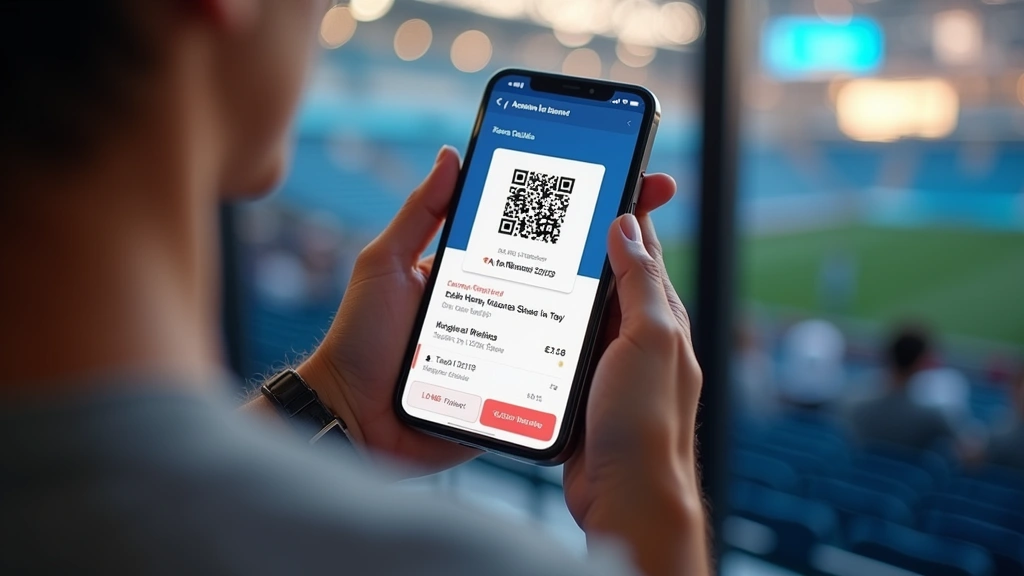
Mobile tickets represent the modern standard for secure event access. When you receive digital tickets through official apps or email, they include encrypted barcodes that venues scan at entry. This technology prevents duplication—once scanned, the barcode becomes invalid, making it impossible for the same ticket to be used twice. Digital tickets also eliminate lost or stolen physical tickets since they remain tied to your account.
The mobile ticketing infrastructure used by Clemson and Virginia Tech incorporates multiple security layers. Tickets include unique identifiers, geolocation data, and timestamp information that prevent sharing and resale outside authorized channels. If someone tries to screenshot and share your mobile ticket, the barcode won’t scan because the system recognizes duplicate attempts and blocks them.
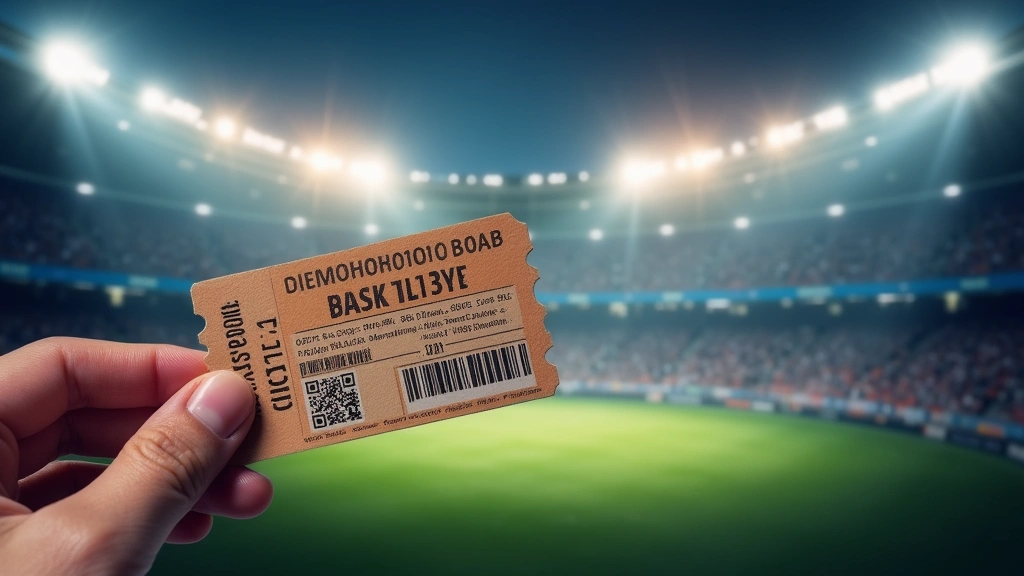
Physical tickets remain vulnerable to counterfeiting despite security features like holograms and watermarks. Sophisticated counterfeiters replicate these features convincingly, and venues can’t always distinguish fakes at entry. Physical tickets also disappear through mail theft, damage, or loss before game day. Many fans who receive physical tickets immediately convert them to mobile format through official apps, eliminating physical medium risks.
Hybrid approaches combine physical and digital security. Some venues issue physical tickets that must be registered in an official app before use. This method prevents counterfeiters from using stolen physical tickets since registration requires account verification. However, this adds complexity compared to purely digital tickets that work immediately upon receipt.
When purchasing from secondary markets, prioritize sellers who offer mobile ticket delivery. Email delivery of mobile tickets is faster, more secure, and arrives instantly. Sellers shipping physical tickets introduce mail delays, theft risks, and counterfeiting vulnerabilities. The best secondary market transactions conclude with immediate mobile ticket delivery that you can access before leaving the purchase platform.
Pricing Trends and Budget Optimization
Clemson vs Va Tech ticket prices fluctuate based on multiple variables: game location (Clemson or Blacksburg), playoff implications, team records, and day of week. Games at Clemson’s Death Valley typically command higher prices than Virginia Tech’s Lane Stadium due to Clemson’s stronger recent performance and larger stadium capacity. Weekday games cost less than Saturday contests since fewer fans can attend.
Historical pricing data shows that ticket prices peak approximately one week before game day. Savvy buyers purchase either immediately after the schedule release or within 48 hours of kickoff when last-minute sellers liquidate inventory at discounted rates. Mid-week purchasing typically offers neither advantage—prices remain stable without the early-bird discounts or final-hour fire sales.
Upper-level and corner seats cost 40-60% less than lower-level sideline positions. If your primary goal is attending the game rather than optimal viewing angles, upper-level tickets offer exceptional value. Modern stadium designs provide quality sightlines from upper decks, and you’ll still experience the game’s energy and atmosphere.
Weekday games offer significant savings compared to prime-time Saturday contests. If scheduling permits, targeting Thursday or Friday games reduces ticket costs by 20-35%. Additionally, these games attract smaller crowds, meaning better concession lines, parking availability, and overall venue experience despite lower ticket prices.
Season ticket holder exchanges frequently offer the best pricing on legitimate tickets. Both universities’ official exchanges allow season ticket holders to sell unused games at fair market value. These tickets come directly from legitimate sources with no counterfeiting risk. Checking official university ticket exchange sites before secondary markets often yields better prices and guaranteed authenticity.
Payment Security and Buyer Protection
Credit card payments offer the strongest buyer protection through chargeback mechanisms. If you receive counterfeit tickets or no tickets at all, your credit card company can reverse charges after documented fraud attempts. This protection applies regardless of the seller’s claims or the platform’s policies. Always use credit cards rather than debit cards for ticket purchases to maintain this legal protection layer.
PayPal’s buyer protection program covers digital goods and events. If a seller doesn’t deliver promised tickets, PayPal investigates and typically refunds your payment. However, PayPal disputes require clear documentation of fraud, including communication records and proof of non-delivery. The process can take 30-60 days, which is problematic if the game is imminent.
Platform-specific guarantees vary significantly. Ticketmaster’s guarantee covers the full ticket price if tickets don’t scan at venue entry. StubHub guarantees 120% refund if you don’t receive valid tickets. SeatGeek covers 100% of the purchase price. However, claiming these guarantees requires initiating disputes, providing documentation, and waiting for investigation results. Understanding each platform’s specific guarantee terms before purchasing is essential.
Two-factor authentication on your account prevents unauthorized access to purchased tickets. Enable this feature on Ticketmaster, StubHub, SeatGeek, and your email account. Hackers occasionally compromise accounts and transfer tickets to their own accounts or resell them. Two-factor authentication blocks these takeover attempts by requiring verification codes for account access.
Never share confirmation numbers, barcodes, or ticket details with anyone except the official venue. Scammers impersonate venue staff requesting ticket information for “verification.” Legitimate venues never ask for this information—they scan your tickets at entry. Any request for ticket details outside official channels is a scam attempt.
Escrow services provided by major platforms hold payment until you receive and verify tickets. When using escrow, the seller doesn’t receive payment until you confirm ticket delivery and validity. This system protects buyers but adds 1-2 days to transaction completion. For last-minute purchases, escrow delays can be problematic if the game is within 48 hours.
” alt=”Digital mobile ticket display on smartphone screen showing barcode and event details at stadium entrance” />
Venue-Specific Security Measures
Clemson’s Littlejohn Coliseum and Virginia Tech’s Lane Stadium both implement modern ticketing infrastructure with barcode scanning systems. These venues immediately invalidate tickets upon scanning, preventing duplicate use. Staff members verify ticket validity in real-time against official databases, catching counterfeit tickets before entry.
Both venues offer mobile ticket apps that integrate directly with their ticketing systems. Clemson fans use the official Clemson Athletics app for mobile tickets, while Virginia Tech fans use the VT Athletics app. These official apps provide the most secure ticket delivery method and eliminate physical ticket handling risks entirely.
ID verification at entry adds an additional security layer. Some premium seating sections require photo ID matching the ticket holder’s name. This prevents ticket resale to unauthorized individuals and ensures tickets remain with legitimate purchasers. However, general admission seating typically requires only ticket scanning without ID verification.
Venue staff training emphasizes counterfeit detection. Security personnel receive regular training on identifying fake tickets, recognizing fraudulent barcodes, and verifying ticket authenticity. If you encounter any issues with your tickets at entry, immediately contact venue management rather than the reseller. Official venue staff can verify ticket legitimacy on-site.
International and Out-of-State Considerations
Buyers outside the United States face additional challenges purchasing college football tickets. International credit cards occasionally trigger fraud blocks on ticketing platforms. Contact your bank before purchasing to authorize transactions with American ticketing companies. Currency conversion adds 2-3% fees beyond the ticket price.
Out-of-state buyers should prioritize mobile ticket delivery to avoid mail delays and theft. Physical tickets shipped across state lines take 5-10 business days, cutting close to game day. Mobile tickets arrive instantly and eliminate shipping risks. Verify that the reseller ships to your location before committing to purchase.
Some platforms restrict resale to specific geographic regions. Ticketmaster’s resale sometimes limits transfers to buyers within the home state or region. Check platform-specific restrictions before purchasing from out-of-state sellers. These restrictions exist to prevent scalping but occasionally block legitimate interstate purchases.
Timing Strategies for Optimal Purchasing
The CNET technology platform frequently covers ticketing app updates and platform improvements. Monitoring official announcements about schedule releases helps you time purchases strategically. Tickets typically release 6-12 months before games, creating an early-bird window with potentially better prices.
Game week represents the final purchasing window before events. Sellers who haven’t moved inventory liquidate at discounts to avoid holding worthless tickets. Checking secondary markets Thursday and Friday before Saturday games often reveals significant price drops. However, this strategy requires flexibility and risks missing out if prices don’t drop as expected.
Avoid purchasing more than one week before game day unless you’ve identified exceptionally good pricing. Ticket prices generally stabilize 1-2 weeks pre-game, then fluctuate based on late-minute demand changes. Early purchases lock you into prices that may be higher than week-of rates.
” alt=”Multiple security features on event ticket including hologram, microprint, and barcode under stadium lights” />
Alternative Attendance Options
If ticket prices exceed your budget, consider attending college football viewing events at local sports bars or fan gatherings. Many establishments host watch parties with big screens, sound systems, and community atmosphere that rival in-stadium experiences. This option costs nothing beyond food and beverages.
Following TechPulseHunter’s technology blog for ticketing innovations keeps you informed about emerging platforms and security improvements. New ticketing technologies occasionally offer early-bird discounts or exclusive pricing. Staying informed about industry developments sometimes reveals purchasing opportunities that casual buyers miss.
Clemson and Virginia Tech occasionally offer student discounts or group rates for large purchases. Contacting the athletic departments directly about these programs can reduce per-ticket costs significantly. Students with valid IDs receive discounts that secondary market sellers don’t offer.
Documentation and Record-Keeping
Maintain detailed records of all ticket purchases, including confirmation emails, transaction receipts, and seller contact information. If disputes arise, this documentation supports your case when claiming platform guarantees. Screenshots of listings, prices, and seller information prove invaluable during fraud investigations.
Save all communications with sellers, including messages, emails, and platform chat logs. These records establish a transaction timeline and document any misrepresentations about ticket authenticity or delivery. Platforms use communication history to investigate disputes and determine fault when claims arise.
Create a separate email folder for ticket-related correspondence. This organization system ensures you can quickly locate confirmation details, delivery notifications, and barcode information. When game day arrives, having all relevant information readily accessible prevents last-minute panic.
FAQ
What’s the safest way to buy Clemson vs Va Tech tickets?
Purchase directly from official university ticket offices or Ticketmaster’s primary market. These channels guarantee authenticity with no counterfeiting risk. If primary market tickets sell out, use Ticketmaster’s official resale marketplace, which maintains ticket verification throughout the resale process. Avoid third-party resellers on social media or unofficial websites.
How can I spot counterfeit tickets?
Counterfeit tickets typically have blurry printing, incorrect barcode formatting, or missing security features like holograms. However, sophisticated counterfeits replicate these features convincingly. Your safest approach is purchasing only from verified platforms with buyer guarantees rather than trying to identify counterfeits yourself. Let professional venues verify authenticity at entry.
Are mobile tickets safer than physical tickets?
Yes, significantly. Mobile tickets include encryption, unique identifiers, and cannot be duplicated. Once scanned, they become invalid. Physical tickets remain vulnerable to counterfeiting, theft, and loss. Always choose mobile ticket delivery when purchasing from secondary markets.
What should I do if I receive invalid tickets?
Contact the platform immediately—don’t wait until game day. Provide documentation including purchase confirmation, seller information, and proof of non-delivery or invalid tickets. Platforms require this information to investigate and process refunds. Keep all communications organized for dispute resolution.
Can I resell tickets safely after purchasing?
Use official platform resale options like Ticketmaster’s marketplace or your original purchase platform’s resale feature. These channels maintain ticket verification and prevent fraud. Avoid selling through unauthorized channels or social media, which exposes buyers to counterfeiting and scams.
Why are Clemson vs Va Tech tickets so expensive?
This rivalry game attracts massive demand from both fan bases, driving prices up significantly. Clemson’s strong recent performance and Lane Stadium’s smaller capacity than Littlejohn Coliseum affect pricing. Playoff implications, team records, and game location also influence prices. Secondary market markups add 50-200% above face value during high-demand periods.
Should I buy tickets immediately or wait?
Purchase either immediately after release for early-bird pricing or within 48 hours of game day for last-minute discounts. Avoid mid-week purchasing unless you’ve identified exceptional pricing. Ticket prices typically stabilize 1-2 weeks before games, offering neither early nor late-stage advantages.
Are international purchases safe?
International buyers face currency conversion fees and potential fraud blocks from their banks. Notify your bank before purchasing to prevent transaction denial. Prioritize mobile ticket delivery to avoid mail delays. Some platforms restrict resale geographically, so verify before purchasing from out-of-country sellers.
What payment method offers the best protection?
Credit cards provide the strongest protection through chargeback mechanisms. If fraud occurs, credit card companies investigate and typically reverse charges. Debit cards, wire transfers, and cryptocurrency offer minimal protection. Always use credit cards for ticket purchases regardless of the platform.
Can I transfer tickets to another person?
Yes, most platforms allow ticket transfers. Official transfers through the purchase platform maintain ticket verification and prevent fraud. Transferring through official channels is safer than physical ticket exchanges or forwarding barcodes. Both Ticketmaster and secondary platforms provide transfer features that protect both parties.