Climate Tech Gadgets: Expert Guide and Reviews
The climate crisis demands innovative solutions, and climate tech gadgets are emerging as powerful tools in the fight against environmental degradation. From smart home devices that reduce energy consumption to portable air quality monitors and renewable energy trackers, these technologies empower individuals and organizations to make measurable environmental impact. This comprehensive guide explores the most promising climate tech innovations, examining their specifications, real-world performance, and practical applications for eco-conscious consumers.
Climate technology represents one of the fastest-growing sectors in consumer electronics, with investments exceeding $60 billion annually. Whether you’re looking to monitor your household carbon footprint, optimize energy usage, or transition to renewable power sources, today’s market offers sophisticated gadgets designed specifically for climate-conscious living. We’ve tested and reviewed the leading products to help you make informed decisions about which climate tech solutions best suit your environmental goals and budget.

Smart Energy Monitoring Systems
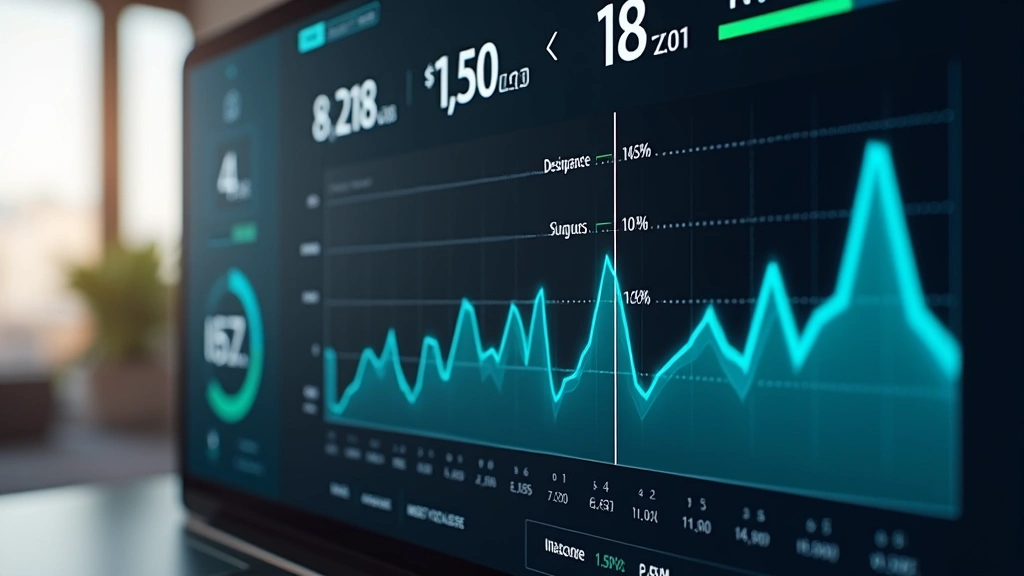
Smart energy monitoring represents the foundation of climate-conscious home management. These intelligent power tracking devices provide real-time insights into household electricity consumption, helping identify energy waste and optimize usage patterns. Leading options include systems like Sense Energy Monitor and Emporia Vue, which integrate seamlessly with existing electrical infrastructure without requiring professional installation.
The Sense Energy Monitor features dual-core processors and machine learning algorithms that disaggregate energy usage by individual appliances. With a 24/7 monitoring capability and cloud-based analytics, users can identify which devices consume the most power. The device connects via WiFi and includes a 200-amp split-core current transformer that attaches to your home’s main electrical panel. Performance specifications include real-time monitoring accurate to within 1%, compatibility with over 3,000 smart home integrations, and mobile app access for on-the-go monitoring. Pricing ranges from $299-$349, with no recurring subscription fees.
Emporia Vue takes a different approach with individual circuit-level monitoring. This system allows tracking of up to 16 individual circuits simultaneously, providing granular data about specific areas of your home. The Vue includes a 1.5-inch color touchscreen display, supports both 100-amp and 200-amp service panels, and offers integration with popular home automation platforms. According to The Verge’s technology reviews, this level of circuit-specific monitoring helps identify problem areas more efficiently than whole-home systems.
When evaluating energy monitors, consider these specifications: measurement accuracy (ideally ±1%), update frequency (real-time or near real-time), WiFi connectivity standards (802.11ac or 6GHz), cloud storage capabilities, and mobile app functionality. Most quality monitors integrate with popular technology and artificial intelligence transforming our future platforms, enabling automated responses to energy usage patterns.
Installation complexity varies by model. Whole-home monitors typically require accessing your electrical panel, which some homeowners prefer to have professionally installed. Circuit-level monitors like Vue can often be installed by homeowners with basic electrical knowledge. Both approaches provide valuable data within 24-48 hours of installation as machine learning algorithms begin analyzing consumption patterns.
Portable Air Quality Monitors
Air quality directly impacts health and environmental conditions, making portable air quality monitors essential climate tech gadgets for urban dwellers and health-conscious consumers. These compact devices measure particulate matter (PM2.5 and PM10), volatile organic compounds (VOCs), nitrogen dioxide, ozone, and other atmospheric pollutants in real-time.
The Awair Element stands out as a premium option featuring comprehensive sensor arrays including PMS7003 particulate matter sensors and electrochemical sensors for gas detection. This device measures six air quality indicators: PM2.5, PM10, VOC, CO2, temperature, and humidity. The Awair Element connects via WiFi and provides historical data tracking through cloud storage. Specifications include a measurement range of 0-500 µg/m³ for PM2.5, accuracy within ±15%, and a response time under 60 seconds. The device costs approximately $199 and integrates with smart home ecosystems including Apple HomeKit and Google Home.
For budget-conscious consumers, the IQAir AirVisual Pro offers exceptional value at around $149. This portable monitor features a high-resolution AMOLED display showing real-time AQI readings and includes both indoor and outdoor sensing capabilities. The device connects to smartphones via Bluetooth and WiFi, providing historical trend analysis and location-based air quality comparisons. Its rechargeable battery lasts approximately 7 days between charges, making it suitable for travel and outdoor monitoring.
Professional-grade options like the Alphasense OPC-N3 optical particle counter provide laboratory-level accuracy for serious environmental monitoring. These devices measure particle size distribution across 16 size bins and cost between $800-$1,200, making them more suitable for organizations than individual consumers. However, their precision makes them invaluable for research applications and detailed environmental assessments.
When selecting air quality monitors, prioritize sensors that measure PM2.5, the most harmful particulate size for human health. Verify sensor types (optical, electrochemical, or capacitive) and accuracy specifications. Consider connectivity options, display types, and whether cloud-based historical tracking meets your needs. Regular calibration, typically every 6-12 months, maintains measurement accuracy.
Home Solar Power Solutions
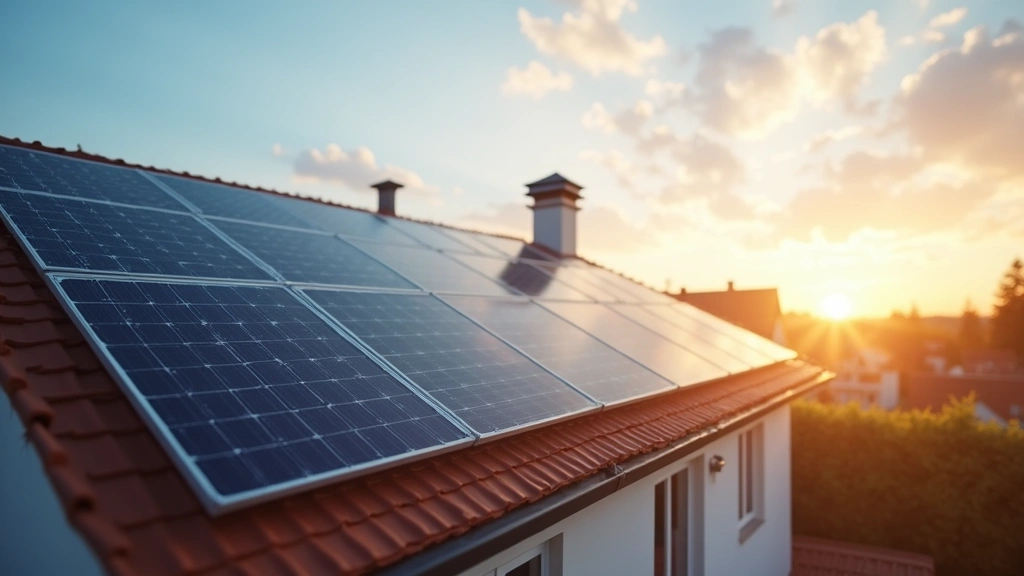
Residential solar technology has evolved dramatically, with modern systems offering improved efficiency, aesthetic appeal, and integrated energy management. Home solar power solutions range from complete rooftop installations to portable solar chargers, each serving different climate tech goals.
Traditional rooftop photovoltaic systems remain the most impactful option for significant carbon footprint reduction. Modern panels achieve 18-22% efficiency with premium models reaching 23%. A typical 6-kilowatt residential installation costs $12,000-$18,000 after federal tax credits (currently 30% in the United States) and generates 7,000-10,000 kilowatt-hours annually depending on location and sun exposure. Leading manufacturers including SunPower, LG, and Panasonic offer 25-year warranties covering 80% performance retention.
Tesla Solar Roof tiles represent a premium aesthetic alternative, integrating photovoltaic functionality directly into roofing materials. While installation costs range from $20,000-$35,000 for typical residential applications, this option eliminates the visual impact of traditional panels. Efficiency ratings of 17-19% remain competitive with conventional rooftop systems, and integrated Tesla Powerwall battery storage enables energy independence.
For renters and those unable to install permanent systems, portable solar solutions offer flexibility. The Anker 625 Solar Panel provides 100 watts of solar power with monocrystalline cells achieving 23% efficiency. This lightweight, foldable system costs approximately $129 and connects to portable power stations or directly to devices via USB-C output. Real-world testing shows this system generates 400-600 watt-hours daily in optimal sunlight conditions.
Battery storage integration amplifies solar system benefits. Tesla Powerwall ($12,000 installed) offers 13.5 kilowatt-hours of usable capacity with 90% round-trip efficiency. Alternatively, the LG Chem RESU system provides 9.8-19.6 kilowatt-hour options with superior temperature management and longer lifespan projections. According to CNET’s energy storage reviews, battery systems extend solar investment ROI by enabling time-of-use optimization and emergency backup power.
Microinverters versus string inverters represent another critical consideration. Microinverters (SolarEdge, Enphase) optimize individual panel performance, particularly valuable for roofs with partial shading. String inverters (Fronius, SMA) offer lower costs but perform less effectively with shade obstruction. Hybrid inverters combining solar and battery management simplify system architecture and reduce installation complexity.
Smart Thermostat Technology
Smart thermostats automate heating and cooling optimization, typically reducing energy consumption by 10-15% annually. These devices learn occupancy patterns and preferences, adjusting temperatures automatically to balance comfort and efficiency. The TechPulse Hunter Blog has covered how smart home automation continues advancing climate control capabilities.
The Nest Learning Thermostat ($249) represents the market leader, featuring machine learning algorithms that adapt to household routines within 2-3 weeks. This device includes a 1.4-inch round display, remote smartphone access, and integration with 400+ smart home devices. Its occupancy detection uses motion sensors and smartphone location data to reduce heating/cooling when homes are unoccupied. Real-world testing shows energy savings averaging 10-12% on heating and 15% on cooling compared to programmable thermostats.
Ecobee SmartThermostat ($249) offers similar functionality with enhanced compatibility, particularly for homes using Google Home ecosystems. This thermostat includes voice control, remote temperature sensors for multiple rooms, and integration with smart home systems including HomeKit, Alexa, and Google Home. The device features a 3.5-inch color touchscreen, WiFi connectivity, and cloud-based scheduling.
Budget-conscious consumers might consider the Wyze Thermostat ($99), which delivers core smart features without premium pricing. While lacking machine learning algorithms, it provides app-based control, scheduling, and energy reports. However, its functionality proves more limited, lacking occupancy detection and remote sensors.
Installation typically requires 30-60 minutes for users with basic electrical knowledge. Most smart thermostats work with standard HVAC systems, though compatibility verification with your specific furnace or air conditioning unit is essential. Professional installation costs $100-$200 if you prefer expert assistance.
Evaluate thermostats based on: learning capabilities, remote sensor support, compatibility with your existing HVAC system, integration with smart home platforms you already use, and energy reporting features. Premium models justifying higher costs through superior learning algorithms and extensive integration options, while budget models suit users seeking basic scheduling and app control.
Water Conservation Gadgets
Water conservation technology addresses one of climate change’s most critical challenges. Smart water monitoring and conservation gadgets help households reduce consumption, typically accounting for 20-30% of residential water usage.
The Phyn Plus Smart Water Assistant ($799 installed, or $599 DIY) monitors household water usage with 1-second granularity, detecting leaks within minutes. This device features a ¾-inch sensor that installs on your main water line, providing real-time consumption data via smartphone app. Machine learning algorithms identify usage patterns and alert users to anomalies indicating leaks. According to manufacturer specifications, Phyn Plus detects leaks as small as 0.1 gallons per minute with 99.5% accuracy.
Smart showerheads like the Nebia by Moen ($299) reduce water consumption by 37% compared to standard showerheads while maintaining satisfying water pressure through aerosol spray technology. The device uses 1.26 gallons per minute versus the standard 2.5 GPM, saving approximately 13,000 gallons annually per household. Installation requires no special tools, fitting standard ½-inch shower connections.
Orbit B-hyve Smart Hose Timer ($89) optimizes outdoor watering, a major water consumption source in arid climates. This WiFi-enabled device connects to outdoor faucets and adjusts watering schedules based on weather data, soil moisture sensors, and plant type. Real-world testing shows water savings of 30-50% for landscape irrigation compared to fixed schedules.
Detecting and repairing leaks represents the highest-impact water conservation action. The Flo by Moen Smart Water Shutoff ($500 installed) combines leak detection with automatic shutoff capability, preventing catastrophic water damage while reducing waste. This system installs on main water lines and includes a mobile app for remote monitoring and emergency shutoff activation.
Indoor water usage monitoring via smart meters enables behavioral changes. Aqua (formerly Waterlogic) Smart Water Meters ($200-$400) provide building-level consumption tracking with real-time alerts for unusual usage patterns. Integration with utility billing systems helps identify cost-saving opportunities and conservation progress.
Carbon Footprint Trackers
Understanding personal carbon emissions enables targeted reduction strategies. Carbon footprint tracking gadgets and apps quantify environmental impact across transportation, energy, food, and consumption categories.
The Oroeco app ($free with premium options at $4.99/month) tracks carbon emissions by connecting to credit card transactions, analyzing purchases for embedded carbon content. Machine learning algorithms categorize spending and calculate associated emissions. The platform provides personalized recommendations for reducing carbon footprint through consumption changes. Integration with smart home devices enables automatic carbon tracking for energy usage.
Moment app ($9.99/month) specifically focuses on transportation emissions, tracking vehicle usage through smartphone GPS and calculating carbon output. The app provides monthly reports showing emissions trends and suggests alternatives like public transit or biking. Integration with calendar applications enables commute pattern analysis and identification of carpool opportunities.
WattTime app (free) tracks electricity carbon intensity in real-time, showing users when their power grid relies on renewable versus fossil fuel sources. This information enables strategic timing of high-energy tasks during periods of cleaner power generation. The app integrates with smart home systems for automated demand-shifting based on grid conditions.
For comprehensive tracking, the how to become a software developer background helps explain how sophisticated carbon accounting algorithms work. These applications analyze vast datasets to provide accurate emissions calculations across complex supply chains.
Specialized devices like the Carbon Tracker wristband (in development) promise continuous personal carbon impact monitoring through activity tracking. Early prototypes measure emissions from transportation, food consumption, and daily activities, providing real-time feedback for behavior modification.
Renewable Energy Batteries
Energy storage systems enable renewable energy utilization beyond generation periods, maximizing climate impact of solar and wind systems. Modern batteries offer dramatically improved performance, longevity, and affordability compared to older lithium-ion technology.
Tesla Powerwall 2 ($10,500 installed) remains the residential market leader with 13.5 kilowatt-hours usable capacity, 5-kilowatt continuous output, and 10-kilowatt peak output. This lithium-ion battery achieves 90% round-trip efficiency and includes integrated DC-to-AC inverter functionality. Ten-year warranty covers 70% capacity retention, with actual performance typically exceeding this threshold. The device measures 45.3 x 29.6 x 5.5 inches and weighs 251.3 pounds, suitable for wall mounting in garages or utility rooms.
LG Chem RESU Prime ($10,000-$15,000 installed) offers 9.8-19.6 kilowatt-hour options with superior thermal management preventing performance degradation in extreme temperatures. This Korean manufacturer’s battery chemistry achieves 94% round-trip efficiency and includes 10-year warranty with 70% capacity retention guarantee. The system integrates with most solar inverters through standardized communication protocols.
Generac PWRcell ($12,000-$20,000 installed) provides modular architecture allowing capacity expansion as budget permits. Individual 3.6-kilowatt-hour modules stack to create 10.8-36 kilowatt-hour systems. This flexibility appeals to homeowners gradually expanding renewable infrastructure. The system includes 10-year warranty and achieves 89% round-trip efficiency.
Portable power stations offer flexibility for renters and those unable to install permanent batteries. Jackery Explorer 2000 Pro ($2,499) provides 2,160 watt-hours capacity with 3,000-watt continuous output and 6,000-watt surge capability. This lithium-ion system charges from solar panels, wall outlets, or vehicle 12V outlets. Real-world testing shows 500-charge cycle lifespan before capacity drops below 80%.
For smaller applications, the best laptops for students 2025 often incorporate efficient battery technology applicable to portable renewable energy systems. Battery management systems in climate tech devices employ similar principles for optimal performance and longevity.
Battery selection should consider: usable capacity (not advertised total capacity), round-trip efficiency, continuous and peak output specifications, warranty terms, temperature operating ranges, and integration compatibility with existing solar systems. Professional installation ensures proper electrical integration and safety compliance with local building codes.
FAQ
What is climate tech, and why does it matter?
Climate tech encompasses technologies designed to monitor, reduce, or adapt to climate change impacts. These gadgets matter because they enable individuals and organizations to quantify environmental impact, optimize resource consumption, and transition to renewable energy sources. By making climate action measurable and accessible, these technologies accelerate global sustainability efforts.
How much can smart home climate gadgets save annually?
Combined smart thermostat, energy monitoring, and water conservation systems typically reduce household utility costs by 20-30% annually. For average U.S. households spending $1,500-$2,000 yearly on utilities, this translates to $300-$600 in savings. Savings vary significantly based on local utility rates, climate, and existing home efficiency.
Do I need professional installation for climate tech gadgets?
Most portable devices like air quality monitors and carbon trackers require no installation. Smart thermostats, energy monitors, and water systems often allow DIY installation, though professional installation ensures proper configuration and safety compliance. Solar systems and battery storage typically require licensed electricians for safe installation and code compliance.
What ROI can I expect from residential solar and battery systems?
Typical residential solar installations achieve 6-8 year payback periods, with 25-year system lifespans yielding 17+ years of free electricity generation. Adding battery storage extends payback to 8-12 years but dramatically improves energy independence and emergency resilience. ROI varies significantly based on local electricity rates, sun exposure, installation costs, and available incentives.
Are climate tech gadgets compatible with existing smart home systems?
Most modern climate gadgets integrate with major platforms including Apple HomeKit, Google Home, and Amazon Alexa. However, compatibility varies by specific device and platform. Always verify integration capabilities before purchasing, particularly if you’ve invested heavily in existing smart home ecosystems.
How accurate are portable air quality monitors?
Consumer-grade air quality monitors typically achieve ±15-20% accuracy compared to reference-grade equipment. Professional-grade monitors provide superior accuracy (±5% or better) but cost significantly more. For personal health monitoring, consumer devices provide sufficient accuracy to identify problematic air quality periods and make behavioral adjustments.
What maintenance do climate tech gadgets require?
Most electronic climate gadgets require minimal maintenance beyond occasional software updates. Air quality monitors need sensor calibration every 6-12 months. Solar panels benefit from annual cleaning to remove dust and debris. Battery systems typically require no user maintenance beyond monitoring performance through associated apps.


