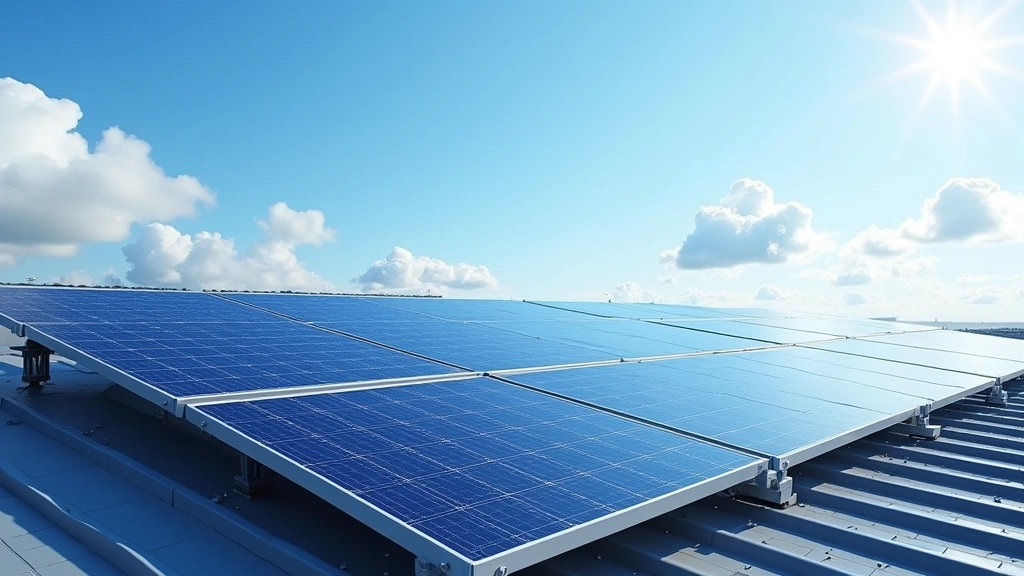
The climate crisis demands innovation at scale, and technology companies are stepping up with groundbreaking solutions. From carbon capture systems to renewable energy optimization, climate tech is reshaping how industries address environmental challenges. This comprehensive guide examines the leading climate tech companies transforming our approach to sustainability, analyzing their technologies, market impact, and investment potential.
As global temperatures rise and regulatory pressures intensify, climate tech has become one of the fastest-growing sectors in technology. Companies are leveraging artificial intelligence, IoT sensors, and advanced materials to create solutions that weren’t possible a decade ago. Understanding which companies are leading this charge is essential for investors, professionals, and anyone interested in the future of environmental technology.

Leading Climate Tech Innovators
The landscape of climate tech companies includes both established tech giants and innovative startups. Microsoft has committed $1 billion to climate innovation through its Climate Innovation Fund, investing in companies developing carbon removal and sustainable materials technologies. Their approach combines software capabilities with hardware partnerships to create comprehensive climate solutions.
Stripe, the payments platform, launched Stripe Climate to help businesses fund carbon removal technologies. By integrating carbon removal into their infrastructure, Stripe has become a critical player in making climate tech economically viable. They’ve invested in companies ranging from direct air capture specialists to ocean-based carbon removal firms.
Breakthrough Energy Ventures, co-founded by Bill Gates, focuses specifically on climate technology investments. Their portfolio includes companies addressing energy, agriculture, manufacturing, and transportation—the sectors responsible for the majority of global emissions. This venture capital approach has proven highly effective in scaling climate solutions.
Google’s parent company Alphabet has invested heavily in renewable energy, with Google committing to operate on 24/7 carbon-free energy by 2030. Their AI capabilities are being deployed to optimize renewable energy production and grid management, demonstrating how tech companies leverage existing infrastructure for climate benefits.
For deeper understanding of how technology transforms industries, explore our analysis of artificial intelligence applications transforming the future, which covers AI’s role in climate solutions and environmental monitoring.

Carbon Capture and Removal Technologies
Carbon Engineering operates the world’s largest direct air capture facility, removing CO2 directly from the atmosphere. Their modular design allows for scalability, and they’ve secured partnerships with major energy companies to integrate captured carbon into existing supply chains. The technology works by using a sorbent material that chemically binds CO2, which is then separated and compressed.
Climeworks combines direct air capture with permanent storage, creating a complete carbon removal solution. Their facilities are operational in Switzerland and Iceland, with plans for expansion across Europe and North America. The company has achieved significant technological milestones in making carbon capture economically competitive.
Twelve focuses on transforming CO2 into valuable chemicals and materials using electrochemistry. Rather than simply storing captured carbon, they convert it into products like ethylene, methanol, and specialty chemicals. This approach creates economic incentives for carbon capture by generating revenue from the captured CO2.
Commonwealth Fusion Systems is developing fusion energy, which produces virtually no carbon emissions. While still in development, fusion represents a revolutionary approach to clean energy generation. Their compact fusion reactors could provide unlimited clean power, fundamentally solving the energy emissions problem.
These carbon capture companies demonstrate diverse technological approaches, each with unique advantages. Some focus on permanent storage, others on utilization, and some on preventing emissions entirely. The diversity strengthens the overall climate tech ecosystem.
Renewable Energy Optimization
NextEra Energy operates the world’s largest electric utility and renewable energy producer. Their massive scale allows them to invest in cutting-edge technologies while serving millions of customers. The company combines traditional utility infrastructure with innovative renewable integration and battery storage solutions.
Ørsted transformed from a fossil fuel company into a global offshore wind leader. Their expertise in marine construction, combined with advanced turbine technology, positions them as a critical player in scaling offshore wind capacity. Their business model demonstrates how established energy companies can pivot toward climate solutions.
First Solar manufactures thin-film photovoltaic modules with industry-leading efficiency rates. Their technology achieves better performance in high-temperature environments compared to traditional silicon panels, making them ideal for diverse geographical locations. The company also invests in recycling programs to create circular economy benefits.
Sunrun leads residential solar installation in North America, making renewable energy accessible to homeowners. Their integrated approach combines solar panels, battery storage, and smart energy management software. By democratizing solar access, Sunrun accelerates the transition to distributed renewable energy.
The renewable energy sector benefits from advances in materials science and efficiency, continuously improving output and reducing costs. As renewable energy becomes economically competitive with fossil fuels, adoption accelerates exponentially.
Smart Grid and Energy Storage
Tesla Energy revolutionized battery storage with their Powerwall and grid-scale solutions. The Megapack delivers multi-hour energy storage for utilities, enabling renewable energy sources to provide baseload power. Tesla’s vertical integration of battery manufacturing, software, and installation creates competitive advantages in the energy storage market.
Form Energy develops long-duration energy storage using iron-air batteries. Their technology provides 100+ hour storage at significantly lower costs than lithium batteries, solving a critical challenge for renewable energy adoption. The ability to store energy for extended periods enables utilities to rely entirely on renewable sources.
Stem Inc.** provides AI-powered energy storage systems for commercial and industrial facilities. Their software optimizes battery charging and discharging patterns to reduce energy costs and grid strain. By making energy storage economically attractive, they accelerate technology adoption across sectors.
Eaton Corporation manufactures power management systems that integrate distributed energy resources. Their technology enables utilities to manage complex networks of solar panels, wind turbines, and batteries in real-time. This infrastructure is essential for grid reliability as renewable penetration increases.
Energy storage represents the critical missing piece for renewable energy dominance. Without effective storage, renewable sources remain intermittent. Companies solving this challenge unlock the potential for true clean energy systems.
For technical professionals interested in the computational aspects, our guide on how to learn coding fast covers programming languages essential for climate tech development, including Python and IoT frameworks.
Sustainable Materials and Circular Economy
Impossible Foods creates plant-based alternatives to animal products, reducing agricultural emissions. Their heme technology replicates the taste and texture of meat, making sustainable choices more appealing to mainstream consumers. The environmental impact of replacing animal agriculture with plant-based alternatives is substantial.
Indorama Ventures pioneers chemical recycling, converting plastic waste into virgin-quality materials. Their technology breaks down plastic at the molecular level, enabling infinite recycling without quality degradation. This approach addresses the plastic waste crisis while reducing virgin plastic production emissions.
Notpla** manufactures compostable packaging from seaweed and other sustainable materials. Their products replace conventional plastics in food service and retail applications. By creating economic demand for alternative materials, they accelerate the transition away from fossil fuel-based plastics.
Ecovative Design grows mycelium-based materials that function as leather, packaging, and insulation. Their fermentation-based manufacturing process requires minimal energy and produces biodegradable products. This biotechnology approach demonstrates how nature-inspired solutions can replace resource-intensive manufacturing.
The circular economy represents a fundamental reimagining of production and consumption. Companies developing sustainable materials aren’t just addressing climate change—they’re building the economic foundation for a fundamentally different industrial system.
Agricultural Tech and Emissions Reduction
Indigo Ag develops digital tools and biological products to improve soil health and reduce agricultural emissions. Their soil-centric approach increases carbon sequestration while improving crop yields. By making sustainable agriculture economically attractive, they align farmer incentives with climate goals.
Pivot Bio creates microbial products that replace synthetic nitrogen fertilizers. Fertilizer production accounts for significant global emissions, and biological alternatives dramatically reduce this impact. Their microbial technology works with plant roots to fix atmospheric nitrogen naturally.
Trace Genomics provides soil testing and analysis to optimize agricultural practices. Their genomic approach identifies beneficial microbes and recommends management strategies. Data-driven agriculture enables farmers to reduce inputs while maintaining or improving productivity.
Revol Greens operates advanced greenhouse facilities using renewable energy and optimized growing conditions. Their controlled environment agriculture produces food with minimal water usage and no pesticides. Vertical farming and advanced greenhouses represent significant opportunities to reduce agricultural land use.
Agriculture represents approximately 10% of global emissions, with substantial reduction potential. Technology companies addressing agricultural emissions impact both climate and food security—two interconnected global challenges.
Investment Trends and Market Growth
Climate tech investment reached record levels in recent years, with venture capital funding exceeding $60 billion annually. PwC analysis indicates that climate tech represents one of the most attractive investment sectors for the next decade. The combination of regulatory tailwinds, investor interest, and technological maturation creates unprecedented opportunity.
Government support amplifies private investment, with policies like the Inflation Reduction Act providing $369 billion in climate-related funding. This public-private partnership accelerates technology deployment and market creation. Countries worldwide are implementing similar policies, creating global demand for climate solutions.
Corporate sustainability commitments drive adoption of climate technologies. Companies targeting net-zero emissions need solutions from climate tech companies, creating stable demand. This corporate demand provides revenue certainty that attracts further investment and innovation.
Profitability is increasingly achievable for climate tech companies as technologies mature and scale. Early losses due to high R&D costs are transitioning to profitable operations. The Verge’s coverage of climate tech demonstrates how technologies are becoming cost-competitive with conventional alternatives.
The climate tech sector’s growth trajectory suggests continued investment and expansion. Companies addressing large markets with proven technology solutions achieve highest valuations and funding success. This creates incentives for entrepreneurs to focus on scalable, economically viable climate solutions.
For those interested in joining this sector, the Tech Pulse Hunter Blog provides ongoing analysis of emerging climate technologies and companies. Additionally, understanding broader climate tech trends helps identify investment and career opportunities.
FAQ
What defines a climate tech company?
Climate tech companies develop technologies that reduce greenhouse gas emissions, remove existing carbon from the atmosphere, or help adaptation to climate impacts. This includes renewable energy, energy storage, carbon capture, sustainable materials, and agricultural solutions. The defining characteristic is measurable environmental impact.
Which climate tech companies are most profitable?
Tesla Energy, NextEra Energy, and Ørsted demonstrate strong profitability. Established energy companies transitioning to renewables often achieve profitability faster than pure-play startups. However, many climate tech startups prioritize growth over profitability, expecting to achieve profitability as they scale.
How do I invest in climate tech companies?
Options include direct stock investment in public companies, venture capital funds focused on climate tech, climate-focused ETFs, and impact investing platforms. Breakthrough Energy Ventures and other dedicated climate funds provide curated exposure to promising startups. Diversification across multiple companies and technologies reduces risk.
What are the biggest challenges facing climate tech?
Scale-up challenges include manufacturing capacity, supply chain development, and capital requirements. Technology challenges vary by sector but often involve improving efficiency and reducing costs. Policy uncertainty in some regions creates market risk. Despite challenges, the sector shows strong momentum and increasing capital availability.
How quickly can climate tech solutions reach market scale?
Timeline varies significantly by technology. Energy storage and renewable energy already operate at gigawatt scale. Carbon capture is scaling rapidly but remains limited. Advanced materials and agricultural solutions are at earlier adoption stages. Most experts estimate 5-15 years for technologies to achieve meaningful climate impact at scale.
Are climate tech companies addressing all emission sources?
Major progress is visible in energy, transportation, and agriculture. Industrial heat, aviation, and shipping remain challenging. However, companies are actively developing solutions for these hard-to-decarbonize sectors. Complete emission reduction requires solutions across all sectors, and the climate tech ecosystem is expanding to address remaining gaps.


