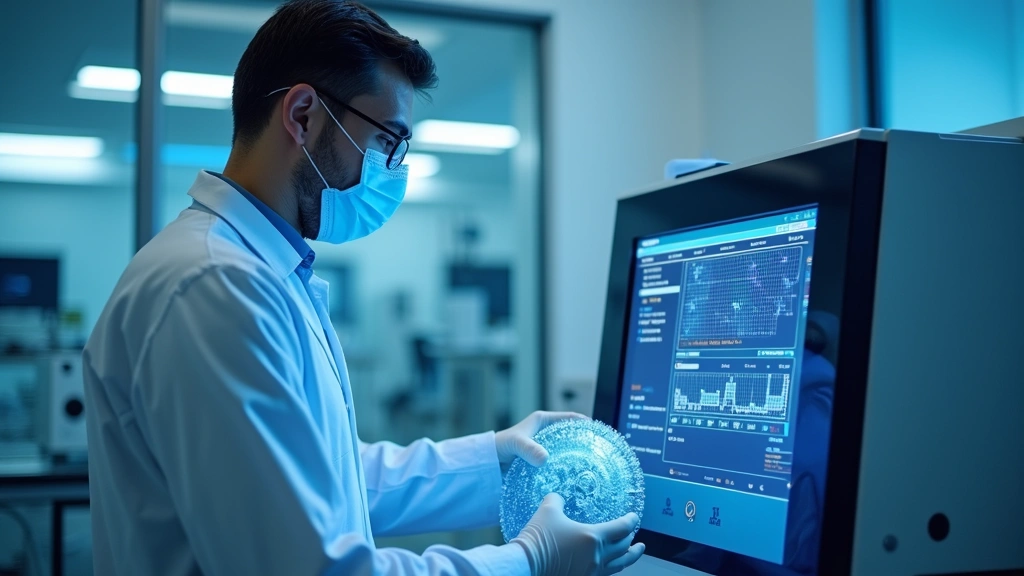
Best Clinical Lab Gadgets: Expert Picks for Modern Laboratories
Clinical laboratories form the backbone of modern healthcare, requiring precision instruments and cutting-edge technology to deliver accurate diagnostic results. Whether you’re managing a hospital lab, diagnostic center, or research facility, selecting the right clinical lab tech equipment can dramatically improve workflow efficiency, reduce turnaround times, and enhance patient outcomes. The landscape of laboratory instrumentation has evolved significantly, with manufacturers introducing sophisticated automation, connectivity features, and AI-powered analysis capabilities that weren’t available just a few years ago.
Today’s laboratory professionals face unprecedented demands: processing higher sample volumes, maintaining strict quality standards, and integrating seamlessly with electronic health records and laboratory information systems. The best clinical lab gadgets combine reliability, accuracy, and user-friendly interfaces while offering long-term cost efficiency. This comprehensive guide examines the top laboratory instruments and technologies that experts recommend for modern clinical settings, from automated analyzers to point-of-care devices that bring diagnostic capabilities directly to patients.
Automated Hematology Analyzers
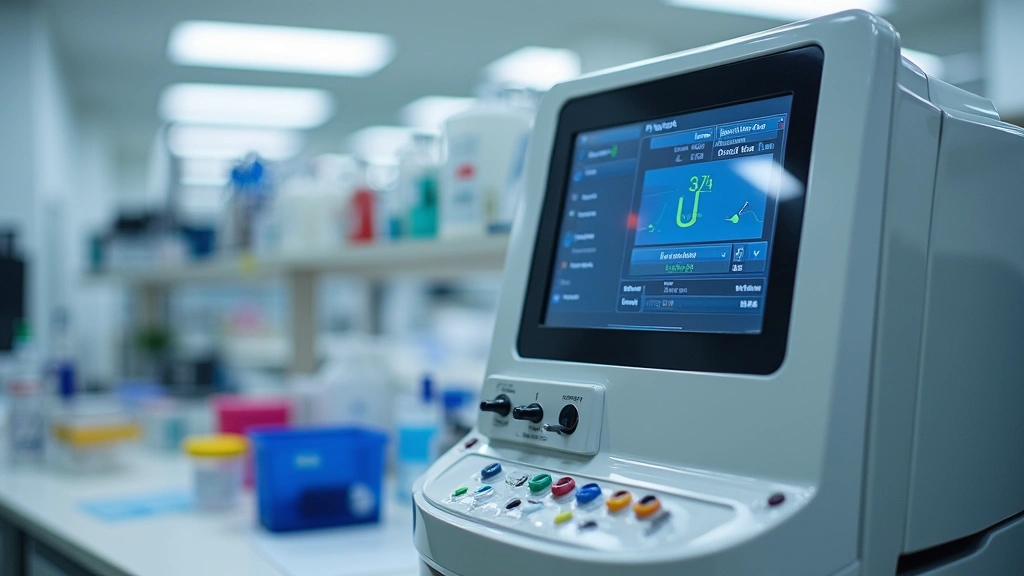
Hematology analyzers represent some of the most critical instruments in any clinical laboratory. These sophisticated devices count and differentiate blood cells with remarkable precision, processing hundreds of samples daily while maintaining accuracy rates exceeding 99%. Modern hematology analyzers incorporate advanced flow cytometry technology, enabling detailed white blood cell differential counts that previously required manual microscopy.
Leading manufacturers like Sysmex, Abbott, and Beckman Coulter have revolutionized hematology testing with their latest-generation platforms. The Sysmex XN-Series analyzers feature integrated morphology scanning and abnormal cell flagging, which significantly reduces the need for manual slide review. These instruments can process up to 240 samples per hour while simultaneously performing reticulocyte counts, platelet function analysis, and immature cell detection.
For laboratories seeking high-throughput solutions, the Beckman Coulter DxH Series offers exceptional throughput and reliability. These analyzers feature advanced optical technology that captures detailed cellular information, enabling clinicians to identify blood disorders, infections, and leukemias with greater confidence. The intuitive touchscreen interface and comprehensive quality control features make them ideal for busy laboratory environments.
Integration capabilities matter enormously. Modern hematology analyzers connect directly to your lab management systems through LIS interfaces, reducing manual data entry errors and accelerating result reporting. Many analyzers now include built-in barcode readers and specimen tracking systems that enhance chain-of-custody documentation and improve traceability throughout the testing process.
Chemistry Analyzers and Immunoassay Systems
Chemistry analyzers form the foundation of routine clinical testing, measuring electrolytes, proteins, enzymes, and metabolites that inform diagnoses across virtually every medical specialty. The best chemistry platforms combine analytical precision with operational flexibility, accommodating everything from stat emergency samples to large batch runs.
Abbott’s ARCHITECT and Roche’s cobas systems represent the gold standard in mid-to-high throughput chemistry analysis. These integrated platforms perform simultaneous chemistry and immunoassay testing, eliminating the need for separate instruments and reducing laboratory footprint. The ARCHITECT series processes up to 800 tests per hour with reaction times as short as 90 seconds for critical analytes.
Roche’s cobas platforms excel in versatility, offering modular configurations that grow with your laboratory’s needs. From the compact cobas c 111 for smaller facilities to the high-capacity cobas c 501 for large reference labs, these analyzers deliver consistent results across diverse test menus. Advanced quality control algorithms and predictive maintenance features minimize downtime and extend reagent stability.
Immunoassay capabilities have become essential for modern labs. Whether measuring hormone levels, cardiac biomarkers, or tumor markers, automated immunoassay systems provide rapid turnaround times critical for patient management. Platforms like Siemens ADVIA Centaur and Abbott ARCHITECT offer chemiluminescence immunoassay technology with exceptional sensitivity and specificity, enabling detection of analytes at clinically relevant concentrations.
For laboratories focused on sustainable laboratory operations, many modern chemistry analyzers incorporate eco-friendly features including reduced reagent consumption, lower waste generation, and energy-efficient operations. These instruments often feature closed-tube sampling and automated dilution capabilities that maximize efficiency while minimizing manual handling.
Blood Gas and Electrolyte Analyzers
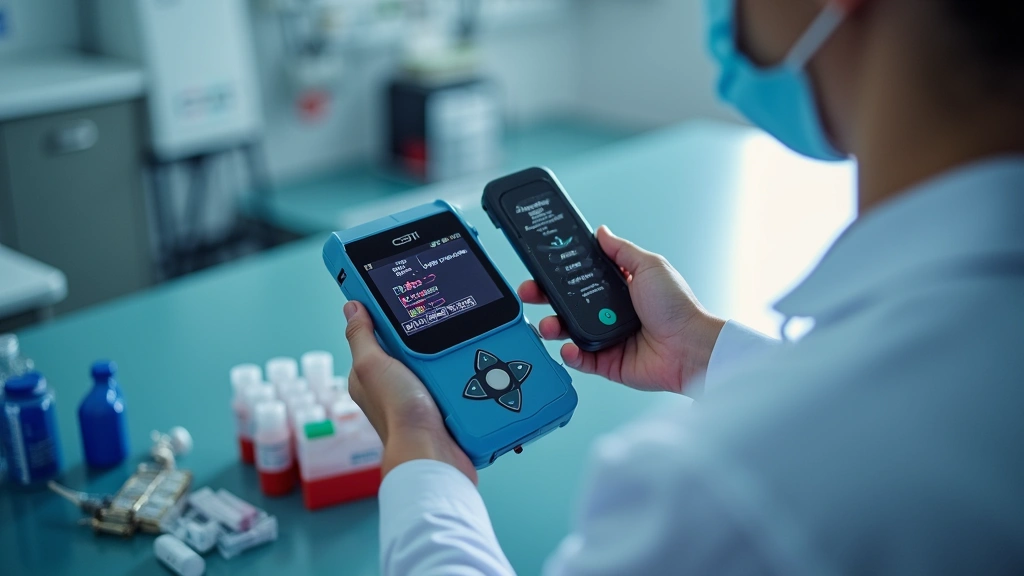
Point-of-care blood gas analyzers have transformed critical care testing, delivering results within minutes rather than hours. These compact instruments measure pH, blood gases (pO2, pCO2), electrolytes (sodium, potassium, chloride), glucose, and lactate from small blood samples, enabling rapid clinical decision-making in emergency departments, intensive care units, and operating rooms.
The Radiometer ABL blood gas analyzer series represents the pinnacle of point-of-care blood gas testing. These instruments provide comprehensive acid-base analysis with integrated oximetry, electrolyte measurement, and metabolite analysis. The ABL90 FLEX+ model offers wireless connectivity, enabling seamless integration with hospital information systems and electronic medical records.
Nova Biomedical’s StatStrip and iSTAT platforms deliver exceptional performance in resource-constrained settings. These handheld analyzers require minimal sample volumes, produce results in under two minutes, and connect to laboratory networks for remote quality control and result verification. For emergency and trauma scenarios, the ability to obtain blood gas results at bedside dramatically improves clinical outcomes.
Temperature compensation and quality control are paramount in blood gas analysis. Modern analyzers automatically correct for patient temperature variations and employ sophisticated calibration routines that maintain accuracy across environmental conditions. Multi-level quality control systems ensure that every batch of results meets stringent accuracy standards before clinical reporting.
Microbiology Automation Solutions
Microbiology laboratories have historically relied on labor-intensive manual processes, but automation is rapidly transforming this critical field. Automated blood culture systems, specimen processors, and organism identification platforms dramatically increase efficiency while reducing contamination and human error.
MALDI-TOF mass spectrometry has revolutionized microbial identification, replacing traditional biochemical methods with rapid, accurate species identification. Instruments like the Bruker MALDI Biotyper identify organisms to the species level in minutes rather than hours, accelerating antimicrobial stewardship and enabling faster clinical interventions. These systems process hundreds of samples daily with minimal hands-on time.
Automated blood culture systems like BD BACTEC and bioMérieux VITEK® 2 revolutionized sepsis diagnostics. These instruments continuously monitor culture bottles for bacterial or fungal growth, immediately alerting laboratory staff when positive cultures are detected. Integrated organism identification and antimicrobial susceptibility testing capabilities further accelerate the path to appropriate therapy.
Specimen processing automation has become increasingly important for laboratory efficiency. Automated systems handle specimen receipt, centrifugation, aliquoting, and distribution, reducing manual handling and improving standardization. These systems integrate with laboratory information systems to track specimens throughout processing and ensure proper routing to appropriate testing modules.
Point-of-Care Testing Devices
Point-of-care testing (POCT) has expanded far beyond glucose meters and pregnancy tests. Modern POCT devices deliver laboratory-quality results at the bedside, in clinics, or in rural settings where central laboratory access is limited. These devices are particularly valuable for distributed healthcare models that bring diagnostic capabilities directly to patients.
Rapid troponin assays have transformed acute coronary syndrome diagnosis, enabling rule-out of myocardial infarction within 30-60 minutes rather than traditional 3-hour protocols. High-sensitivity troponin POCT devices like Abbott i-STAT and Roche Cobas troponin analyzers provide the analytical performance of central laboratory instruments in portable form factors.
D-dimer and prothrombin time testing at the point-of-care enables rapid assessment of thrombotic and bleeding risk. Instrumentation like CoaguChek and INRatio devices provide consistent anticoagulation monitoring, particularly valuable for patients on warfarin therapy or requiring rapid coagulation assessment in perioperative settings.
Comprehensive metabolic panel POCT devices have emerged as game-changers for emergency departments and intensive care units. These instruments measure electrolytes, renal function markers, and glucose from minimal sample volumes, delivering results within minutes. The clinical impact of rapid electrolyte assessment in patients with altered mental status or suspected metabolic derangements cannot be overstated.
Laboratory Information Systems
While not hardware in the traditional sense, laboratory information systems represent perhaps the most critical technology investment for modern clinical laboratories. These sophisticated software platforms manage specimen tracking, test ordering, result reporting, quality control, and regulatory compliance across your entire laboratory operation.
Modern LIS platforms like Cerner PowerChart and Epic EHR integrate seamlessly with hospital information systems, enabling seamless order entry and result delivery. These systems employ sophisticated algorithms to flag critical results, identify suspicious patterns that might indicate pre-analytical errors, and ensure appropriate result verification before clinical reporting.
Cloud-based LIS solutions offer scalability and accessibility advantages for distributed laboratory networks. These platforms enable real-time connectivity between central and satellite laboratories, facilitating result comparison and ensuring consistent quality across your organization. Automated backup and disaster recovery capabilities protect your critical laboratory data.
Advanced analytics capabilities within modern LIS platforms enable laboratories to track turnaround times, identify bottlenecks, and optimize workflows. Predictive analytics can forecast demand patterns, helping laboratories schedule staffing and reagent procurement more efficiently. Quality dashboards provide real-time visibility into instrument performance and result accuracy metrics.
Specimen Handling and Storage
Proper specimen handling and storage significantly impact test result quality. Automated specimen management systems ensure specimens maintain appropriate temperatures, minimize light exposure, and reduce handling-related contamination. These systems are particularly critical for specimens requiring special handling, such as light-sensitive bilirubin samples or temperature-sensitive coagulation samples.
Laboratory refrigeration and freezer systems designed specifically for clinical specimens maintain precise temperature control within ±2°C, far more stringent than standard commercial equipment. Modern units feature redundant temperature sensors, alarm systems that alert staff to temperature excursions, and backup power supplies that maintain temperatures during power interruptions.
Automated specimen storage and retrieval systems have revolutionized large reference laboratories. These robotic systems store thousands of specimens in compact footprints while maintaining precise temperature control and detailed tracking information. When specimens need to be retrieved for additional testing or quality assurance investigations, the system automatically locates and delivers them within seconds.
The integration of specimen handling systems with technology-focused laboratory operations enables unprecedented efficiency. Automated systems reduce manual handling errors, minimize specimen degradation, and provide complete chain-of-custody documentation. For laboratories pursuing accreditation or regulatory compliance, these capabilities are invaluable.
Investment in quality specimen collection containers and transport systems may seem mundane but profoundly impacts result quality. Specialized tubes with appropriate additives, preservatives, and separation gels ensure that specimens remain stable during transport and storage. Modern tube labeling systems with integrated barcodes prevent specimen mix-ups and enable automated specimen tracking throughout the laboratory process.
FAQ
What are the most critical clinical lab gadgets for a small laboratory?
Small laboratories typically prioritize a quality hematology analyzer, chemistry analyzer, and point-of-care testing devices. A reliable hematology analyzer handles complete blood counts, while a versatile chemistry analyzer manages routine chemistry and immunoassay testing. POCT devices extend diagnostic capabilities for stat emergency testing. A robust laboratory information system ties everything together, ensuring proper specimen tracking and result reporting.
How often should clinical lab instruments be calibrated?
Calibration frequency depends on the specific instrument and manufacturer recommendations. Most hematology and chemistry analyzers require daily or twice-daily calibration with manufacturer-provided controls. Point-of-care devices may require calibration with each new reagent lot. Regular maintenance schedules and quality control monitoring help identify calibration drift before it impacts patient results.
What connectivity features are most important for modern clinical lab gadgets?
LIS connectivity enables automatic result transmission, reducing manual data entry errors. Barcode reading capabilities streamline specimen tracking and prevent mix-ups. Wireless connectivity allows remote monitoring and quality control verification. Integration with hospital information systems enables seamless order entry and result delivery to clinicians. These connectivity features collectively reduce errors and accelerate result reporting.
How can laboratories ensure data security with connected clinical lab gadgets?
Implement robust network security including firewalls, VPNs, and encrypted data transmission. Ensure all devices receive regular security updates from manufacturers. Employ multi-factor authentication for laboratory personnel accessing sensitive data. Maintain detailed audit trails documenting who accessed what information and when. Regular security assessments and compliance audits help identify and address vulnerabilities.
What should laboratories consider when selecting a new instrument vendor?
Evaluate analytical performance through peer-reviewed publications and CAP/CLIA proficiency testing results. Consider total cost of ownership including reagent costs, maintenance, and support services. Assess training and technical support availability. Review warranty terms and reagent availability. Visit reference laboratories using the equipment. Check vendor stability and long-term commitment to your specific test menu.
How do automation and robotics improve laboratory efficiency?
Automation reduces manual handling, minimizing human error and contamination. Instruments process samples faster while maintaining consistency across large batches. Automated specimen tracking prevents mix-ups and provides complete chain-of-custody documentation. Reduced manual labor allows laboratory staff to focus on complex problem-solving and quality assurance rather than repetitive tasks. Technology investments in laboratory operations often pay dividends through improved efficiency and reduced operational costs.


