
CNC Machines: Are They Future-Proof? Expert Insights on Modern Manufacturing Technology
Computer Numerical Control (CNC) machines have revolutionized manufacturing since their inception in the 1950s, transforming how industries produce everything from aerospace components to consumer electronics. Today, as we stand at the intersection of artificial intelligence and advanced automation, manufacturers worldwide are asking a critical question: are CNC machines truly future-proof? The answer is nuanced, requiring examination of current technological trajectories, industry adoption patterns, and emerging innovations that continue to reshape the manufacturing landscape.
Modern CNC technology has evolved far beyond simple automation. Contemporary machines integrate sophisticated software systems, real-time monitoring capabilities, and adaptive learning algorithms that enable unprecedented precision and efficiency. Whether you’re managing a small job shop or operating a large-scale production facility, understanding CNC machine longevity and technological resilience is essential for strategic capital investment decisions. This comprehensive analysis explores the future viability of CNC technology through expert perspectives, market trends, and technological innovations.
Evolution of CNC Technology: From Past to Present
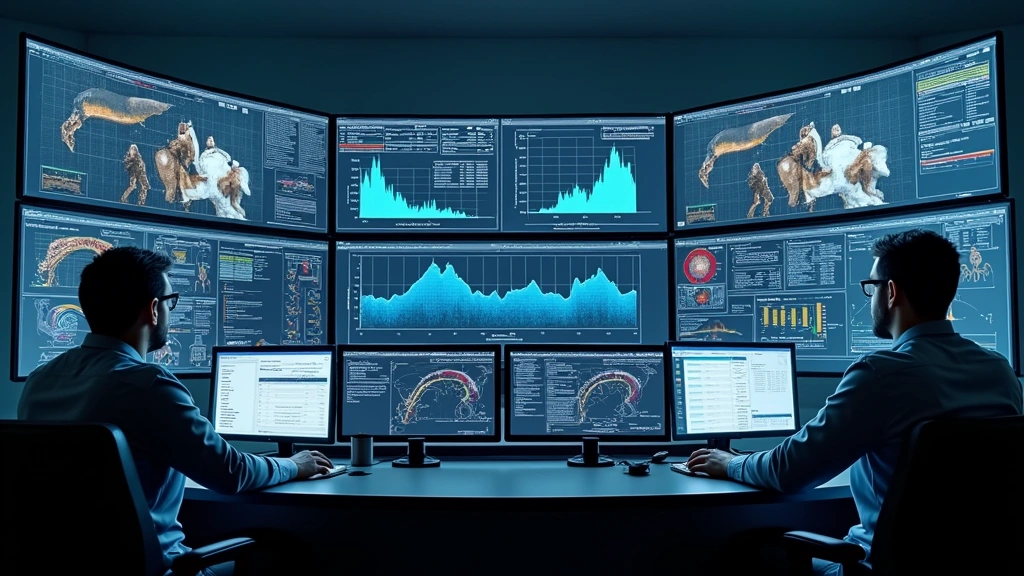
The journey of CNC technology demonstrates remarkable resilience and adaptability. When computer numerical control emerged in the 1950s at MIT, it replaced manual machine operators with automated precision. The fundamental principle—converting digital instructions into precise mechanical movements—remains unchanged, yet the implementation has undergone radical transformation. Early CNC machines operated with punch cards and magnetic tape; modern systems leverage cloud connectivity, IoT sensors, and machine learning algorithms.
The transition from proprietary control systems to standardized platforms like Siemens SINUMERIK, Fanuc, and Haas represents a crucial evolution. These platforms established industry-wide compatibility standards, reducing vendor lock-in and extending machine lifespan through software updates rather than complete hardware replacement. According to The Verge’s technology analysis, this standardization mirrors broader tech industry trends toward modularity and interoperability.
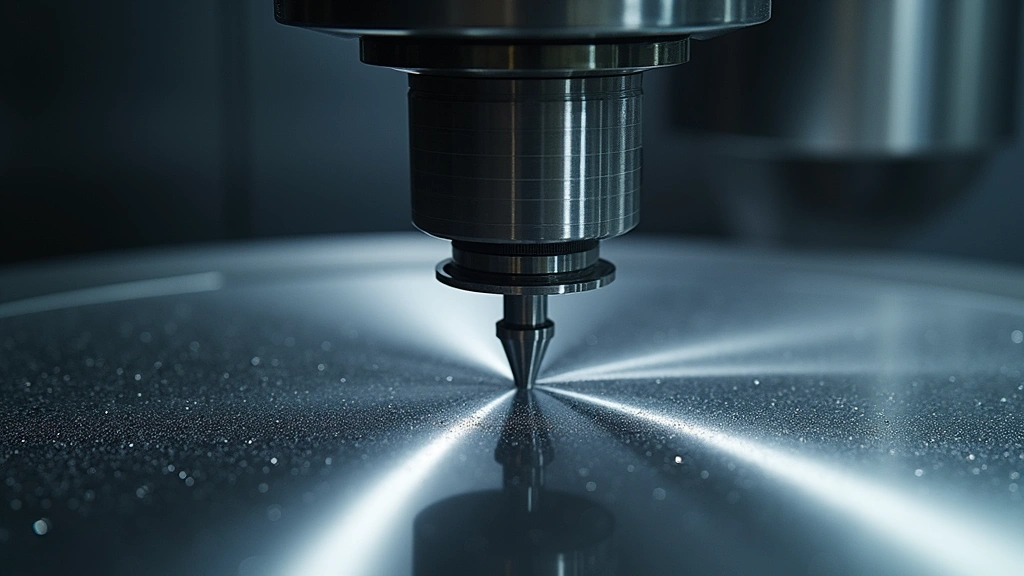
Contemporary CNC machines feature multi-axis capabilities (5, 7, or even 9-axis systems), enabling complex geometries impossible with earlier generations. High-speed spindles reaching 24,000 RPM or beyond, combined with advanced cooling systems and precision linear guides, deliver tolerances measured in micrometers. The integration of cloud computing infrastructure for data management and analysis represents the current frontier of CNC evolution.
Current Market Landscape and Industry Adoption
The global CNC machine market continues robust expansion, projected to reach $148.5 billion by 2032 according to industry analysts. This growth trajectory reflects sustained confidence in CNC technology’s relevance across manufacturing sectors. Automotive, aerospace, medical device manufacturing, and precision component production remain heavily dependent on CNC capabilities, with no viable replacement technology on the horizon.
Market dynamics reveal interesting patterns about future-proofing. Manufacturers increasingly adopt hybrid manufacturing approaches, combining CNC precision with additive manufacturing (3D printing) capabilities. Rather than CNC machines becoming obsolete, they’re evolving into nodes within broader digital manufacturing ecosystems. Companies like Haas and Mazak now offer integrated solutions combining subtractive and additive processes on single platforms, extending CNC relevance into emerging production paradigms.
Interestingly, used CNC machine markets remain vibrant, with machines from the 1990s and 2000s still commanding significant resale value when properly maintained. This secondary market strength indicates that CNC technology depreciation curves differ markedly from consumer electronics. A well-maintained Mori Seiki or Okuma machine from 2010 retains 40-50% of original value, compared to laptops that lose 70% value in equivalent timeframes. For manufacturers considering CNC investment, this longevity provides genuine future-proofing benefits.
AI Integration and Smart Manufacturing Systems
The convergence of CNC technology with artificial intelligence represents the most significant evolution impacting future viability. Modern AI applications transform manufacturing through predictive maintenance, real-time optimization, and adaptive control systems. These capabilities don’t replace CNC machines; instead, they dramatically enhance their value proposition and operational efficiency.
Predictive maintenance algorithms analyze spindle vibration patterns, thermal signatures, and tool wear characteristics to forecast maintenance needs before failures occur. This preventive approach reduces unplanned downtime by up to 45% and extends machine component lifespan significantly. Companies like CNET have documented how machine learning integration reduces manufacturing defects by identifying micro-variations in cutting conditions that human operators might miss.
Real-time adaptive control systems represent another frontier. These systems continuously monitor cutting forces, surface finish quality, and dimensional accuracy, automatically adjusting spindle speed, feed rates, and tool paths to maintain optimal conditions. Siemens’ SINUMERIK platform integrates AI-powered process optimization that learns from historical production data, progressively improving efficiency and quality metrics. This intelligent adaptation extends machine capability well beyond original manufacturer specifications.
Quality assurance integration proves particularly transformative. Computer vision systems coupled with CNC machines enable in-process dimensional verification, eliminating costly post-production inspection delays. Artificial intelligence algorithms analyze millions of measurement points, identifying systematic variations and suggesting corrective adjustments. This closed-loop quality management represents a genuine technological leap that wasn’t possible with earlier CNC generations.
Hardware Longevity and Upgrade Pathways
One critical factor determining CNC future-proofing is the distinction between mechanical components and control systems. The mechanical structure of precision CNC machines—cast iron bases, linear guides, ball screws, and spindle bearings—can operate effectively for 20-30 years with proper maintenance. This mechanical durability far exceeds most consumer technology products.
Control systems, however, present different challenges. Older proprietary controllers using obsolete operating systems (DOS-based controls from the 1990s) become increasingly difficult to maintain as spare parts disappear and technician expertise declines. Forward-thinking manufacturers designed upgrade pathways allowing control system replacement while retaining mechanical infrastructure. This modular approach enables operators to install modern Fanuc or Siemens controllers on machines originally equipped with legacy systems, effectively renewing the machine’s technological capabilities.
Software compatibility represents another upgrade avenue. Open-source CNC programming standards like G-code remain relatively stable, ensuring that contemporary CAM (Computer-Aided Manufacturing) software can generate programs for machines decades old. This backward compatibility, unusual in technology sectors, substantially enhances CNC longevity. A CNC machine manufactured in 2005 can utilize modern CAM tools and optimization algorithms despite original hardware limitations.
Spindle technology upgrades demonstrate practical future-proofing. Modern high-speed spindles with integrated cooling systems can replace older spindle assemblies, transforming a machine’s cutting capabilities. Tool changer systems can be upgraded from mechanical designs to modern automatic systems with carousel storage and robotic arm integration. These component-level upgrades cost 15-25% of new machine acquisition, making them economically rational modernization strategies.
Sustainability and Environmental Considerations
Environmental sustainability increasingly influences manufacturing technology decisions. CNC machines represent significant capital investments and material embodiments; extending their operational lifespan through upgrades rather than replacement aligns with circular economy principles. A 2023 lifecycle assessment study revealed that retrofitting older CNC machines with modern controls reduces environmental impact by 60% compared to manufacturing replacement units.
Energy efficiency improvements represent substantial sustainability gains. Modern servo drives consume 30-40% less electrical power than legacy hydraulic and mechanical systems. Variable frequency drives (VFDs) on spindle motors optimize power consumption based on actual cutting loads rather than running at constant power levels. These upgrades reduce operational carbon footprint while lowering manufacturing costs—a rare win-win scenario.
Chip recycling and coolant management have also advanced significantly. Contemporary CNC systems feature sophisticated coolant filtration and recycling systems that minimize waste streams. Advanced chip conveyors segregate ferrous and non-ferrous materials automatically, improving recycling economics. These environmental improvements don’t require machine replacement; they’re achievable through system integration on existing platforms.
Water consumption represents another sustainability dimension. Traditional flood coolant systems consume thousands of gallons annually; modern through-spindle coolant delivery and minimal-quantity lubrication (MQL) techniques reduce water usage by 80% while improving machining performance. These sustainable manufacturing approaches extend CNC machine relevance into environmentally conscious production paradigms.
Investment Perspective: ROI and Future-Proofing Strategies
From a capital investment perspective, CNC machines demonstrate exceptional longevity compared to most industrial equipment. A typical manufacturing facility expects 15-20 years of productive service from properly maintained machines, with some installations operating profitably for 25-30 years. This extended operational window justifies significant upfront investment in quality equipment.
Strategic future-proofing involves several key decisions. First, prioritize machines from established manufacturers with proven track records of software support and upgrade availability. Fanuc, Siemens, Haas, and Mazak provide superior upgrade pathways compared to emerging manufacturers. Second, select control systems with open architecture designs permitting integration with modern manufacturing execution systems (MES) and IoT platforms. Third, consider modular machine designs facilitating component upgrades without complete system replacement.
Lease versus purchase decisions impact future-proofing strategies. Leasing newer machines every 5-7 years ensures access to latest technology but involves ongoing capital expenditure. Purchasing quality equipment and implementing systematic upgrade programs often provides superior long-term economics for established manufacturers. The optimal approach depends on production volume volatility and technological change rates in specific market segments.
Integration with cloud-based manufacturing management systems represents a crucial future-proofing strategy. Modern CNC machines equipped with IoT connectivity enable real-time production monitoring, performance analytics, and remote diagnostics. These capabilities support data-driven decision-making and predictive maintenance planning, extending machine value throughout operational lifespan.
Workforce development investments complement hardware decisions. Training operators and programmers in modern CNC technologies, CAM software proficiency, and data interpretation skills ensures that capital investments deliver maximum return. This human capital investment often receives insufficient attention but proves critical for realizing advanced CNC capabilities. Consider exploring career development pathways to build organizational expertise in digital manufacturing.
Documentation and knowledge management practices significantly impact long-term CNC viability. Maintaining detailed records of machine specifications, modification history, preventive maintenance schedules, and operator training ensures organizational knowledge retention. This institutional memory proves invaluable when equipment transitions between operators or requires diagnostic troubleshooting after extended idle periods.
FAQ
How long do CNC machines typically last?
Well-maintained CNC machines operate productively for 15-30 years, with mechanical components often lasting longer than control systems. Proper maintenance schedules, including spindle servicing, linear guide lubrication, and coolant management, directly extend operational lifespan. Some precision machines from the 1990s continue operating profitably today with updated control systems.
Are CNC machines becoming obsolete due to additive manufacturing?
No. Additive manufacturing (3D printing) complements rather than replaces CNC technology. Hybrid manufacturing approaches combining additive and subtractive processes represent industry evolution. CNC machines remain essential for finishing additively manufactured parts, producing high-volume precision components, and applications requiring superior surface finish and dimensional accuracy.
What makes a CNC machine future-proof?
Future-proof CNC machines feature modular designs permitting component upgrades, control systems with open architecture supporting modern software integration, established manufacturer support for spare parts and technical assistance, and mechanical designs accommodating advanced spindle and tool changer systems. Machines from reputable manufacturers with proven upgrade pathways offer superior future-proofing compared to emerging brands.
Can older CNC machines integrate with modern manufacturing software?
Yes, within limitations. G-code compatibility enables older machines to utilize contemporary CAM software for program generation. However, legacy control systems may lack network connectivity and advanced features. Upgrading control systems to modern platforms like Siemens SINUMERIK or Fanuc enables full integration with Manufacturing Execution Systems (MES), IoT platforms, and cloud-based analytics tools.
What’s the return on investment for CNC machine upgrades?
Upgrade ROI varies by application but typically ranges from 18-36 months. Modern control systems improve production efficiency by 20-30%, reduce scrap rates by 15-25%, and decrease maintenance costs through predictive capabilities. Energy efficiency improvements from variable frequency drives reduce operational costs by 10-15% annually. These cumulative benefits often justify upgrade investments compared to new machine acquisition.
How does artificial intelligence impact CNC machine viability?
AI integration extends CNC machine relevance by enabling predictive maintenance, real-time process optimization, and adaptive control systems. Machine learning algorithms improve cutting efficiency, reduce tool wear, and enhance quality consistency. These capabilities transform older machines into intelligent manufacturing nodes, dramatically extending their competitive value within modern production environments.
Should manufacturers purchase or lease CNC equipment?
Purchase decisions suit established manufacturers with stable production volumes and long-term capital planning horizons. Leasing accommodates manufacturers with fluctuating production demands or those prioritizing access to latest technology. Hybrid approaches—owning core production equipment while leasing specialized machines—often optimize total cost of ownership while maintaining manufacturing flexibility.


