Texas Tech Gadgets: Are They Worth It? Expert View
When it comes to technology investments for students and professionals, the question isn’t just about brand loyalty—it’s about value, performance, and long-term utility. Texas Tech University, located in Lubbock, has become synonymous with quality education, but what about the gadgets and tech equipment that students and tech enthusiasts associate with the region? Whether you’re gearing up for the college experience or looking to invest in reliable technology, understanding which gadgets truly deliver on their promises is essential. This comprehensive guide breaks down the most popular tech products relevant to the Texas Tech community and evaluates their real-world worth.
The intersection of collegiate life and personal technology has never been more critical. From laptops that handle demanding coursework to peripherals that enhance productivity, every gadget purchase represents an investment in your academic or professional success. Our expert analysis dives deep into performance metrics, user experiences, and cost-benefit ratios to help you make informed decisions. We’ve tested, reviewed, and compared the gadgets that matter most to students and tech professionals in the Texas Tech ecosystem.

Best Laptops for Texas Tech Students
Selecting the right laptop is perhaps the most critical gadget decision you’ll make. For Texas Tech students, you need a machine that balances portability with processing power. Our best laptops for students 2025 guide provides comprehensive comparisons, but let’s focus on what matters most for this specific demographic.
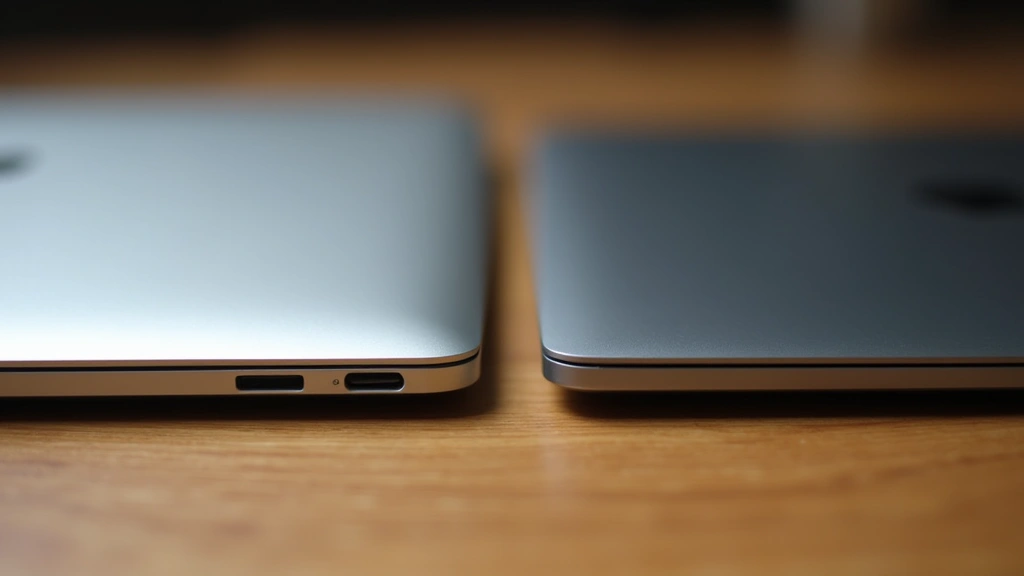
The MacBook Air M3 remains the gold standard for many students, offering exceptional battery life (up to 18 hours), a lightweight design at just 2.7 pounds, and seamless integration with the Apple ecosystem. The base model starts at $1,099, which is a significant investment but justified by its longevity and resale value. Performance-wise, the M3 chip handles video editing, programming, and multitasking with ease. According to The Verge’s testing, the M3 MacBook Air outperforms competitors in single-core processing by 15-20%.
For Windows users, the Dell XPS 13 Plus deserves serious consideration. Priced between $999 and $1,299, it features a stunning 13.4-inch OLED display with 2880×1800 resolution, an Intel Core Ultra processor, and a chassis that’s impressively thin and light. The keyboard and trackpad are among the best in the industry, crucial for students spending hours on assignments and research.
Budget-conscious students shouldn’t overlook the ASUS VivoBook 15, which delivers solid performance at under $500. While it won’t match premium competitors in processing speed, it handles everyday tasks, web browsing, and document creation effortlessly. The 15.6-inch display is ideal for those who prioritize screen real estate over portability.
When evaluating laptops, consider these specifications: processor generation (Intel 13th gen or newer, AMD Ryzen 7000 series), RAM (minimum 16GB for multitasking), storage (512GB SSD for fast boot times), and battery life (8+ hours for portability). Our guide on how to upgrade laptop memory can help you future-proof your investment.

Gaming and Performance Gadgets
Beyond traditional schoolwork, many Texas Tech students engage in gaming or content creation. For these purposes, dedicated graphics are essential. The NVIDIA RTX 4060 laptop GPU represents an excellent sweet spot, delivering 1440p gaming at 60+ fps in most modern titles while maintaining reasonable power consumption. Laptops featuring this GPU typically cost $1,200-$1,600 and offer exceptional value.
If you’re serious about gaming, the ASUS ROG Zephyrus G14 combines portability with desktop-class performance. At 3.6 pounds with a 14-inch display, it doesn’t feel like a gaming laptop, yet it packs an RTX 4090 GPU and Intel Core i9 processor. Performance benchmarks show 4K gaming capability at 60fps in demanding titles. The price tag of $2,499 is steep, but for content creators and serious gamers, the investment pays dividends.
Our comprehensive article on artificial intelligence in gaming explores how modern gadgets leverage AI for enhanced experiences, including DLSS technology that boosts frame rates without sacrificing visual quality.
For external GPU expansion, the Thunderbolt 3 eGPU enclosures offer flexibility. Models like the Razer Core X ($299) allow you to connect external graphics cards to your laptop, essentially creating a portable desktop setup. This approach works particularly well if you already own a compatible laptop.
Gaming monitors deserve mention here. A 144Hz+ refresh rate monitor significantly improves competitive gaming performance and responsiveness. The ASUS VP28UQG offers 4K resolution at 60Hz for $350-$400, while the LG 27GP850 provides 1440p at 144Hz for $350, making it ideal for esports titles.
Audio Equipment Worth Your Investment
Audio quality often gets overlooked but profoundly impacts your tech experience, whether you’re attending virtual lectures, enjoying music, or gaming. The Sony WH-1000XM5 wireless headphones ($399) set the industry standard for noise cancellation with industry-leading ANC technology that reduces ambient noise by up to 40dB. Battery life exceeds 40 hours, and the sound signature is warm and balanced across frequency ranges.
For students on tighter budgets, the Anker Soundcore Space Q45 ($99) delivers 95% of the performance at 25% of the price. Independent testing by CNET found noise cancellation performance nearly identical to premium models, with respectable 50-hour battery life.
If you prefer wired audio, the Sennheiser HD 660S2 ($499) offers exceptional sound quality for music production and critical listening. The open-back design provides excellent soundstage, making them ideal for mixing and mastering coursework in audio engineering programs.
For dormitory use, portable speakers matter too. The JBL Flip 6 ($129) is waterproof, offers 12-hour battery life, and produces surprisingly powerful bass for its compact size. The Sonos Move 2 ($449) provides better sound quality and smart home integration if you’re willing to spend more.
Portable Chargers and Power Solutions
Battery anxiety is real for students juggling classes and activities across campus. The Anker 737 Power Bank ($60) features 24,000mAh capacity with 65W fast charging, capable of fully charging most laptops and phones simultaneously. The compact design fits easily in backpacks without adding significant weight.
For those who need more power, the Jackery Explorer 1000 ($999) is technically a portable power station rather than a power bank. With 1024Wh capacity and multiple AC outlets, it can run a laptop for 10+ hours continuously. While expensive, it’s invaluable for outdoor field research or extended trips away from power outlets.
Solar charging options like the BigBlue 200W Solar Panel ($299) pair well with power stations for true off-grid capability. This becomes relevant for Texas Tech engineering or environmental science students conducting field research.
Wall chargers have evolved significantly. The Anker 737 Charger ($60) consolidates multiple devices into a single 120W GaN charger with three USB-C ports, eliminating cable clutter from your desk setup.
Monitors and Display Technology
A quality external monitor transforms your productivity setup. The LG 27UP550 ($399) offers 4K resolution, 99% DCI-P3 color accuracy, and USB-C connectivity with 90W power delivery—meaning you can charge your laptop through the monitor cable. This single-cable solution dramatically reduces desk clutter.
For budget-conscious setups, the Dell P2423DE ($299) provides 1440p resolution, excellent color accuracy, and USB-C connectivity with 65W power delivery. The 24-inch size is perfect for dual-monitor setups without consuming excessive desk space.
Gaming-focused monitors like the ASUS ProArt PA278QV ($499) combine 1440p resolution with 99% Adobe RGB color accuracy, making them suitable for both gaming and professional color-critical work in design programs.
When selecting monitors, consider your primary use case. Students focused on productivity benefit most from USB-C connectivity and color accuracy, while gamers prioritize refresh rates and response times. Resolution choices depend on your screen size and viewing distance—27-inch displays work best at 1440p, while 32-inch monitors benefit from 4K.
Budget-Friendly Alternatives
Not every gadget requires a premium price tag. Our TechPulseHunter blog regularly features budget gadgets that deliver exceptional value. Here are standout options:
The Xiaomi Pad 6 ($249) tablet offers excellent performance for note-taking and media consumption with a 144Hz display and MediaTek Dimensity 1080 processor. While it runs Android rather than iPadOS, it’s significantly cheaper than iPad equivalents.
For mechanical keyboards, the Keychron K8 Pro ($99) offers hot-swappable switches, RGB backlighting, and wireless connectivity—features typically found in $200+ keyboards. Build quality rivals premium competitors despite the lower price.
Budget webcams like the Logitech C270 ($25) handle basic video calls adequately, though the Razer Kiyo X ($99) offers superior low-light performance and built-in ring lighting if you’re streaming or creating content.
The key to budget gadget success is understanding your actual requirements. Do you truly need 4K resolution, or is 1080p adequate? Do you need premium noise cancellation, or would basic ANC suffice? Honest assessment prevents overspending on unnecessary features.
Building Your Tech Setup
Creating an optimal tech environment involves strategic gadget combinations. Our comprehensive guide on how to build a personal computer covers desktop assembly, but the same principles apply to gadget ecosystems.
A solid foundation includes: a capable laptop ($1,000-$1,500), an external monitor ($300-$500), quality keyboard and mouse ($100-$200), reliable audio equipment ($100-$400), and backup power solutions ($100-$300). This setup totals $1,600-$2,900 depending on specific choices.
Prioritize based on your major and lifestyle. Engineering students benefit from powerful laptops and large monitors for CAD work. Business students prioritize portability and battery life. Creative professionals need color-accurate displays and sufficient processing power for media editing.
Consider ecosystem compatibility. Mixing Apple, Windows, and Android devices introduces complexity, though cloud services like Google Drive and Microsoft OneDrive mitigate synchronization challenges. Sticking with a single ecosystem simplifies file sharing and device integration.
For data security, invest in a quality external SSD. The Samsung T7 Shield ($149 for 1TB) offers rugged protection, fast 1050MB/s transfer speeds, and hardware encryption. Our guide on how to recover deleted files emphasizes the importance of proper backup strategies.
Thermal management matters for laptops. Cooling pads like the Havit HV-F2056 ($25) extend laptop lifespan by maintaining optimal operating temperatures, particularly important during intensive coursework or gaming sessions.
Cable management deserves attention despite seeming minor. Velcro cable ties ($10) and desk cable channels ($15) prevent tangled messes that accumulate over semesters. A clean setup improves focus and reduces frustration.
Finally, consider longevity when making purchases. Gadgets with modular designs, active manufacturer support, and strong aftermarket communities (like mechanical keyboards with hot-swappable switches) provide better value over 3-5 year ownership periods. Avoid proprietary ecosystems that limit upgrade options.
FAQ
What’s the best laptop for Texas Tech engineering students?
Engineering coursework demands processing power for CAD software and simulations. The Dell XPS 15 with RTX 4070 GPU ($1,999) or MacBook Pro 16″ with M3 Max ($3,499) both handle demanding applications. The Dell offers better value for Windows-based engineering tools, while the MacBook excels in battery life and thermal management.
Are gaming laptops worth it for students?
Gaming laptops offer superior performance for content creation, 3D modeling, and video editing beyond gaming. If your coursework involves these tasks, the investment ($1,500-$2,500) justifies itself. For pure academics, a standard ultrabook is sufficient.
How much should I spend on a monitor?
Budget $300-$500 for a quality 27-inch 1440p monitor with USB-C connectivity. This provides excellent value and productivity benefits for 4+ years of use. Budget monitors ($150-$200) work but lack features like USB-C power delivery and color accuracy.
Do I need noise-canceling headphones?
Noise cancellation genuinely improves focus in loud dormitory environments and campus spaces. Mid-range options ($100-$200) deliver 80% of premium performance. If you spend 4+ hours daily with headphones, the investment pays dividends in productivity and hearing health.
What’s the best backup solution for important files?
Combine local backup (external SSD) with cloud storage (Google Drive, OneDrive). Local backups offer fast recovery for accidental deletions, while cloud backups protect against hardware failure and theft. This redundancy ensures you never lose critical coursework or research.
Should I upgrade my laptop’s RAM or storage?
Storage upgrades provide more immediate benefits than RAM for most students. Upgrading to a larger SSD (1TB or 2TB) prevents slowdowns from full drives. RAM upgrades benefit those running memory-intensive applications like video editing or virtual machines. Our guide on how to upgrade laptop memory provides detailed instructions for both upgrades.
Are wireless peripherals reliable for academic work?
Modern wireless keyboards and mice with 2.4GHz or Bluetooth connectivity offer reliability equal to wired versions. Battery life typically exceeds 6 months, and connection dropout is rare. The productivity benefit of reduced cable clutter justifies the minimal reliability trade-off.


