
Colorado vs Texas Tech: Which Gadget Wins? A Comprehensive Technology Comparison
When it comes to cutting-edge technology and innovation hubs, Colorado and Texas Tech represent two distinct ecosystems of technological advancement. Colorado, home to Boulder and Denver’s thriving tech scene, has established itself as a powerhouse for startups, aerospace innovation, and software development. Texas Tech University, meanwhile, serves as a breeding ground for engineering talent and emerging technologies in West Texas. But when we pit these two regions against each other in terms of gadget development, innovation infrastructure, and technological output, which one truly wins? This comprehensive analysis examines the gadgets, innovations, and tech ecosystems that define both regions.
The competition between Colorado’s established tech culture and Texas Tech’s academic-industrial complex reveals fascinating insights about regional innovation patterns. From consumer electronics to enterprise solutions, both regions have contributed significantly to the gadget landscape. Understanding their respective strengths helps tech enthusiasts, entrepreneurs, and investors identify where the next generation of breakthrough devices will emerge.

Colorado’s Tech Gadget Ecosystem and Innovation Leaders
Colorado has cultivated a robust technology ecosystem that rivals Silicon Valley in certain sectors. The state hosts numerous tech companies, research institutions, and innovation centers that consistently produce cutting-edge gadgets and solutions. Boulder, in particular, has become synonymous with forward-thinking technology development, attracting engineers and entrepreneurs from across the globe.
The Colorado tech scene specializes in several key areas. Aerospace and satellite technology dominate the landscape, with companies like Ball Aerospace, Lockheed Martin Space Systems, and numerous smaller firms developing sophisticated instruments and communication devices. These aren’t just consumer gadgets—they represent some of the most advanced technology on the planet. When you explore the latest technology news, you’ll frequently encounter Colorado-based innovations in satellite communications, remote sensing equipment, and space exploration hardware.
Beyond aerospace, Colorado’s tech sector excels in software development, cloud computing infrastructure, and enterprise solutions. Companies headquartered in Denver and Boulder contribute significantly to the broader tech industry, developing tools and platforms that power businesses worldwide. The region’s commitment to artificial intelligence and emerging technologies has positioned it as a leader in machine learning applications and automated systems.
Colorado’s natural advantages include a highly educated workforce, proximity to major research universities like the University of Colorado, and a quality-of-life factor that attracts top talent. The cost of living, while rising, remains more accessible than coastal tech hubs. This combination has created an environment where gadget innovation flourishes across multiple sectors.
Texas Tech’s Engineering Excellence and Device Development
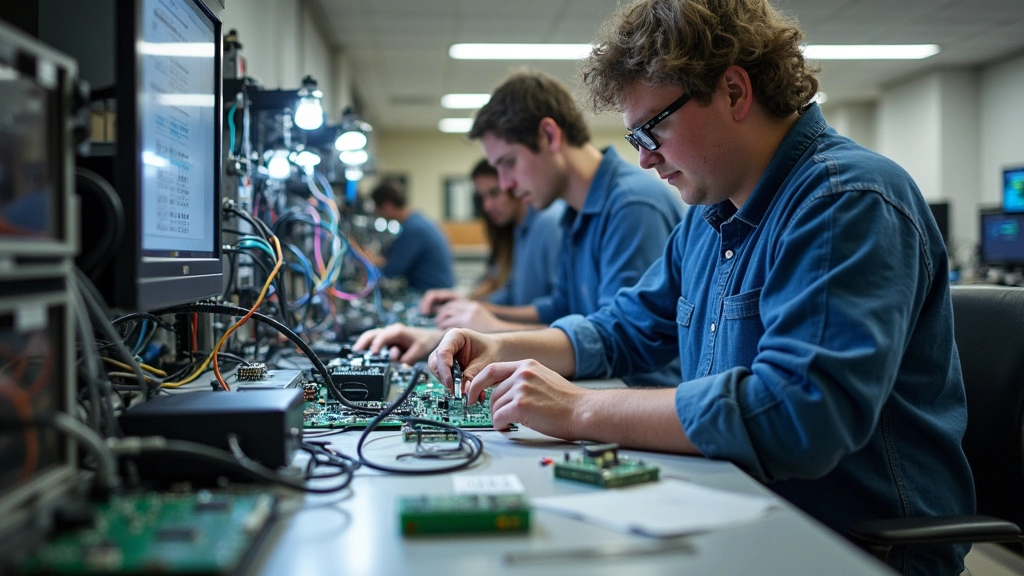
Texas Tech University represents a different model of technological innovation—one deeply rooted in academic research and engineering excellence. Located in Lubbock, Texas Tech has built a formidable reputation for producing world-class engineers and fostering groundbreaking research in multiple disciplines.
The university’s engineering programs consistently rank among the nation’s best, with particular strength in petroleum engineering, mechanical engineering, and electrical engineering. These academic foundations translate directly into gadget development and technological innovation. Texas Tech’s research facilities and laboratories serve as incubators for emerging technologies, from advanced materials to renewable energy solutions.
Texas Tech’s approach differs from Colorado’s distributed tech ecosystem. Rather than numerous independent companies, Texas Tech functions as a concentrated innovation hub where academic research directly feeds into practical applications. The university’s partnerships with industry leaders create pathways for gadgets developed in laboratories to reach commercial markets. This model has proven exceptionally effective in specialized domains like oil and gas technology, agricultural innovation, and materials science.
The university has invested heavily in its research infrastructure, including state-of-the-art laboratories, high-performance computing facilities, and specialized testing equipment. These resources enable researchers to develop and test gadgets that push the boundaries of what’s technologically possible. When comparing how to build advanced computing systems, many techniques originate from research institutions like Texas Tech.
Comparing Processing Power and Hardware Specifications
When evaluating gadgets from Colorado and Texas Tech, processing power and hardware specifications tell an important story. Colorado’s commercial tech companies typically focus on consumer-facing devices and enterprise solutions with specifications tailored to market demands. These gadgets emphasize efficiency, user experience, and practical performance metrics that appeal to everyday users and businesses.
Texas Tech’s hardware innovations often prioritize raw computational capability and specialized performance characteristics. Research-focused gadgets developed at the university frequently exceed commercial specifications because they’re designed to solve specific research problems rather than optimize for cost or market appeal. This distinction reflects different innovation philosophies.
Colorado-based companies like those in the Denver tech corridor emphasize optimization—achieving maximum performance within practical constraints. This approach has produced gadgets with impressive specifications that compete directly with international manufacturers. The focus on efficiency and reliability makes Colorado’s products particularly attractive for mission-critical applications.
Texas Tech’s approach yields gadgets with specifications pushed to extreme limits. Whether developing specialized sensors, high-performance computing systems, or advanced measurement instruments, the university’s research teams prioritize capability over cost-effectiveness. This results in gadgets with specifications that often exceed what’s commercially available, though they may not reach consumer markets.
Software and AI Integration: Colorado vs Texas Tech
Software development and artificial intelligence integration represent crucial differentiators between these two innovation hubs. Colorado’s tech ecosystem has developed significant expertise in software architecture, cloud computing, and AI applications. Companies throughout the state work on machine learning systems, data analytics platforms, and intelligent automation solutions that power modern business operations.
The Colorado approach to artificial intelligence in emerging applications emphasizes practical implementation and market viability. Software developed in Colorado typically balances sophisticated algorithms with user-friendly interfaces, making advanced technology accessible to broader audiences. This philosophy has created gadgets and software platforms that achieve mainstream adoption.
Texas Tech’s AI and software research focuses on advancing the fundamental science behind intelligent systems. The university’s computer science and electrical engineering programs produce research that often becomes foundational work for the entire industry. While this research may not immediately translate to consumer gadgets, it establishes the theoretical and practical groundwork for next-generation technologies.
Colorado’s advantage lies in rapid commercialization of software innovations. The established business infrastructure and venture capital ecosystem enable quick iteration from concept to market-ready gadget. Texas Tech’s advantage lies in deep fundamental research that opens entirely new possibilities for software and AI applications.
Startup Culture and Gadget Commercialization
Startup culture differs dramatically between Colorado and Texas Tech, with significant implications for how gadgets reach consumers. Colorado has cultivated a thriving startup ecosystem with numerous venture capital firms, accelerators, and business development resources. Entrepreneurs in Boulder and Denver can access funding, mentorship, and business support relatively easily compared to other regions.
This startup-friendly environment has produced numerous successful gadget companies. The ease of launching a venture, combined with access to talented engineers and business professionals, creates ideal conditions for transforming innovations into marketable products. Colorado startups have successfully commercialized technologies across consumer electronics, enterprise software, and specialized hardware sectors.
Texas Tech operates within a different commercialization framework. The university has established technology transfer offices and licensing programs designed to move research innovations into commercial applications. However, the process typically involves partnerships with established companies rather than independent startup formation. This approach has advantages—reducing financial risk and leveraging existing distribution networks—but may slow time-to-market for some gadgets.
Colorado’s advantage in startup culture means gadgets developed there often reach consumers faster and with more aggressive marketing. Texas Tech’s approach produces gadgets that may have more robust technical foundations and established industry partnerships, but potentially slower market entry. For consumers seeking cutting-edge devices, Colorado’s faster commercialization cycle offers more frequent new gadget releases.
Aerospace and Specialized Technology Applications
Colorado dominates in aerospace and specialized technology applications—a sector where gadgets serve critical functions in space exploration, satellite operations, and advanced research. The state’s aerospace industry represents one of the most sophisticated technological sectors globally, developing instruments and systems that operate in environments beyond Earth’s atmosphere.
Companies like Ball Aerospace have pioneered gadget development for space applications, creating optical systems, thermal management solutions, and communication instruments of extraordinary sophistication. These aren’t consumer gadgets, but they represent the absolute pinnacle of technological achievement. The specifications, reliability requirements, and performance standards far exceed any commercial device.
Texas Tech contributes to aerospace through research and education rather than direct manufacturing. The university’s engineering programs train the next generation of aerospace professionals, and research laboratories develop theoretical and practical innovations applicable to space technology. This indirect contribution remains significant, as many aerospace industry leaders received their education at institutions like Texas Tech.
Colorado’s aerospace sector also benefits from the presence of major military and government installations, including the U.S. Space Force Academy. These institutions drive demand for cutting-edge gadgets and provide funding for specialized technology development. The combination of private companies, government agencies, and research institutions creates an unparalleled ecosystem for aerospace innovation.
Consumer Electronics and Market Presence
When examining consumer electronics—gadgets that everyday people purchase and use—the comparison becomes more nuanced. Colorado-based companies have successfully developed consumer electronics across multiple categories, from fitness trackers to smart home devices. However, Colorado doesn’t dominate consumer electronics in the way it dominates aerospace technology.
Major consumer electronics manufacturers typically locate in California, Asia, or other traditional tech hubs. Colorado’s consumer electronics presence is meaningful but not dominant. Companies in the state focus on specialized consumer gadgets rather than competing directly with global manufacturers in mainstream categories.
Texas Tech’s impact on consumer electronics comes primarily through its graduates and research innovations that get adopted by larger manufacturers. The university hasn’t positioned itself as a consumer electronics manufacturer, but innovations from its labs influence products across the industry. This indirect influence, while less visible, remains substantial.
Colorado’s advantage in consumer electronics lies in its ability to commercialize niche gadgets quickly. Startups throughout the state develop innovative devices that appeal to specific market segments. These gadgets may not achieve the mass-market success of products from traditional consumer electronics hubs, but they often represent genuine innovations addressing real consumer needs.
Investment and Funding Landscape
The investment and funding landscape dramatically favors Colorado when it comes to bringing gadgets to market. The state has attracted significant venture capital investment, with numerous funds focused specifically on tech startups. Denver and Boulder have become recognized venture capital hubs, with firms actively seeking investment opportunities in gadget development and technology startups.
This funding advantage translates directly into faster commercialization and more aggressive product development. Entrepreneurs with promising gadget ideas can secure funding relatively quickly, enabling rapid prototyping, manufacturing, and market entry. The competitive funding environment also drives innovation, as companies vie for investor attention with increasingly sophisticated and capable devices.
Texas Tech, while well-funded for academic research, operates within university budget constraints. The university receives significant research grants from federal agencies and private corporations, but these funds typically support research rather than commercial product development. This distinction matters when comparing resources available for gadget development.
Colorado’s funding advantage extends beyond venture capital. The state has fostered relationships between banks, private investors, and technology entrepreneurs. This ecosystem enables multiple funding pathways for gadget companies, from traditional bank loans to crowdfunding to angel investment. Texas Tech entrepreneurs seeking funding must typically look beyond the university’s direct resources.
When upgrading technology or developing new computing systems, access to funding determines how quickly innovations reach practical implementation. Colorado’s funding landscape accelerates this timeline significantly.
Specialized Gadgets and Niche Innovation
Both Colorado and Texas Tech excel in developing specialized gadgets for niche applications. Colorado’s companies have created innovative solutions for outdoor recreation, renewable energy, scientific research, and specialized industrial applications. These gadgets often represent genuine innovations addressing previously unsolved problems.
Texas Tech’s specialized gadgets typically emerge from research programs addressing specific technical challenges. The university’s petroleum engineering program, for example, has produced innovations in downhole measurement devices and drilling optimization equipment. These specialized gadgets serve critical functions in their respective industries.
The distinction lies in market scope. Colorado’s specialized gadgets often address broader market segments with potential for scaling. Texas Tech’s specialized gadgets frequently serve highly specialized industries with limited addressable markets. Both approaches have merit—Colorado’s approach generates more revenue, while Texas Tech’s approach solves more specialized problems.
Gadgets developed through advanced computing and specialized applications often originate from research institutions like Texas Tech, then receive commercial refinement from companies like those in Colorado.
Environmental and Sustainability Technology
Environmental and sustainability technology represents a growing sector where both regions contribute meaningfully. Colorado’s tech companies have developed gadgets for renewable energy monitoring, environmental sensing, and sustainable living. The state’s natural environment and progressive attitudes toward sustainability drive innovation in this sector.
Texas Tech has invested in sustainability research, including renewable energy systems, water conservation technologies, and environmental monitoring gadgets. The university’s engineering programs emphasize sustainable design principles, influencing how future engineers approach technology development.
Colorado’s advantage in commercialization means environmental gadgets developed in the state reach markets faster. Companies throughout the state have successfully brought renewable energy monitoring systems, smart home sustainability gadgets, and environmental sensors to consumers. These products address growing demand for technology that helps individuals and businesses reduce environmental impact.
Texas Tech’s sustainability research establishes foundational knowledge that influences industry-wide practices. The university’s work on renewable energy systems, for example, has advanced the entire field’s understanding of sustainable technology development.
Educational Technology and Knowledge Transfer
Educational technology represents an area where both Colorado and Texas Tech have made significant contributions. Colorado’s tech companies have developed learning platforms, educational software, and digital tools that transform how people acquire knowledge. These gadgets and software solutions have reached schools and educational institutions worldwide.
Texas Tech, as an educational institution, has naturally developed expertise in educational technology. The university’s commitment to advancing engineering education has produced innovations in how technical knowledge gets taught and learned. This includes both physical gadgets (laboratory equipment, measurement devices) and software platforms (learning management systems, simulation tools).
The relationship between these two innovation sources is complementary. Colorado companies often commercialize educational technology developed at research institutions like Texas Tech. This partnership model has produced educational gadgets that benefit students and educators globally.
FAQ
Which region produces more consumer gadgets—Colorado or Texas Tech?
Colorado produces more consumer gadgets due to its established startup ecosystem, venture capital availability, and commercialization infrastructure. Texas Tech contributes primarily through research and education rather than direct consumer gadget manufacturing.
Where are aerospace gadgets and instruments developed?
Colorado dominates aerospace gadget development. Companies like Ball Aerospace and numerous contractors create sophisticated instruments for space exploration and satellite systems. Texas Tech contributes through research and education rather than manufacturing.
Which region has better funding for gadget development?
Colorado offers significantly better funding through venture capital, angel investors, and established business development resources. Texas Tech has access to research grants but limited commercial funding for gadget development.
Can gadgets from Texas Tech compete with Colorado commercial products?
Texas Tech’s gadgets excel in specialized research applications and often exceed commercial specifications. However, Colorado’s gadgets typically reach consumers faster and with more aggressive commercialization strategies.
What types of gadgets originate from each region?
Colorado: consumer electronics, renewable energy devices, software platforms, aerospace instruments, and startup innovations. Texas Tech: specialized research equipment, engineering prototypes, educational technology, and petroleum industry gadgets.
Which region’s gadgets have better real-world applications?
Both regions produce gadgets with exceptional real-world applications. Colorado’s gadgets typically address broader consumer and commercial markets, while Texas Tech’s gadgets often solve highly specialized technical problems.
How do Colorado and Texas Tech collaborate on gadget development?
Collaboration occurs through technology licensing, graduate placement, research partnerships, and informal knowledge transfer. Colorado companies often commercialize innovations originating from Texas Tech research.
Which region invests more in emerging technologies like AI and blockchain?
Colorado invests more heavily in blockchain technology and practical AI applications through commercial companies. Texas Tech invests in fundamental research establishing the theoretical foundations for these technologies.


