
Which VR Headset Reigns Supreme? Expert Analysis
The virtual reality landscape has evolved dramatically, with cutting-edge VR headsets pushing the boundaries of immersion and performance. Whether you’re comparing flagship devices from Meta, Sony, HTC, or Valve, the decision hinges on specific use cases, budget constraints, and performance requirements. This comprehensive analysis examines the leading VR headsets available today, breaking down their technical specifications, user experience, and real-world performance metrics to help you identify which system truly reigns supreme.
VR technology has matured beyond early adopter territory, becoming increasingly accessible to mainstream consumers and enterprise users alike. The competition between manufacturers has intensified, driving innovation in display resolution, processing power, controller responsiveness, and content ecosystems. Understanding the nuances between these platforms requires diving deep into hardware specifications, software optimization, and practical gaming performance benchmarks.
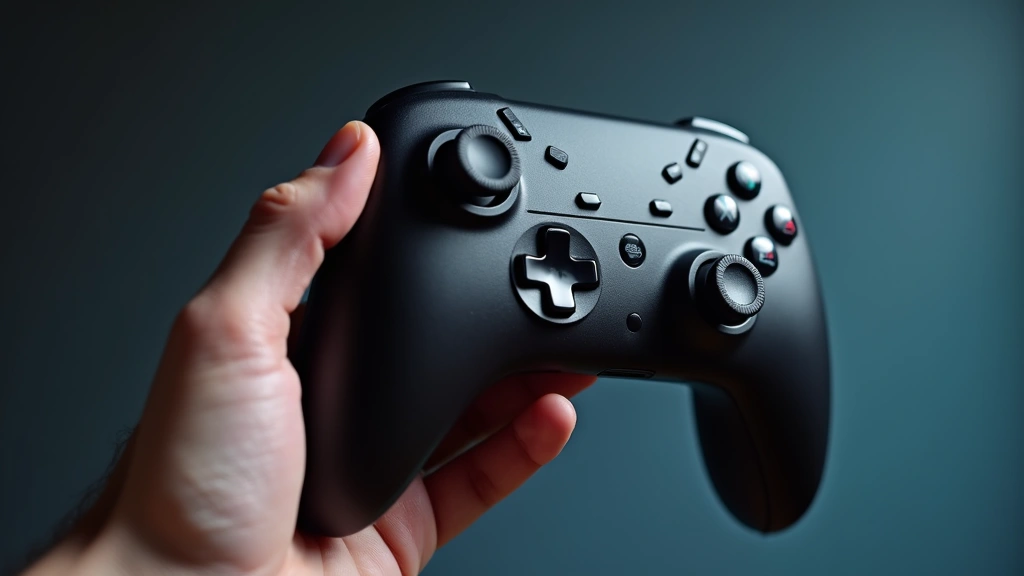
Meta Quest 3: Mainstream Dominance and Mixed Reality Integration
The Meta Quest 3 has established itself as the market leader in consumer VR, combining affordability with impressive technical capabilities. This standalone device eliminates the need for PC tethering or external sensors, making it the most accessible high-performance VR solution available. The 2880 x 1728 resolution per eye delivers sharp visuals, while the Qualcomm Snapdragon XR Gen 2 processor handles demanding applications with respectable frame rates.
What distinguishes the Quest 3 is its integrated mixed reality functionality, enabled by front-facing color cameras. Users can seamlessly blend virtual content with their physical environment, creating hybrid experiences that extend beyond traditional gaming. The passthrough feature proves particularly valuable for productivity applications, fitness tracking, and social VR experiences. The device’s 128GB and 512GB storage options accommodate extensive game libraries, though the 512GB variant carries a premium price point.
Battery life presents a notable limitation, with approximately 2-2.5 hours of continuous gaming before requiring recharge. However, the included battery pack and charging capabilities make extended sessions feasible. The ecosystem benefits tremendously from Meta’s substantial investment in content development, with exclusive titles and partnerships ensuring consistent software releases. For casual users and those seeking an entry point into VR gaming, the Tech Pulse Hunter Blog community frequently recommends Quest 3 as the optimal starting platform.
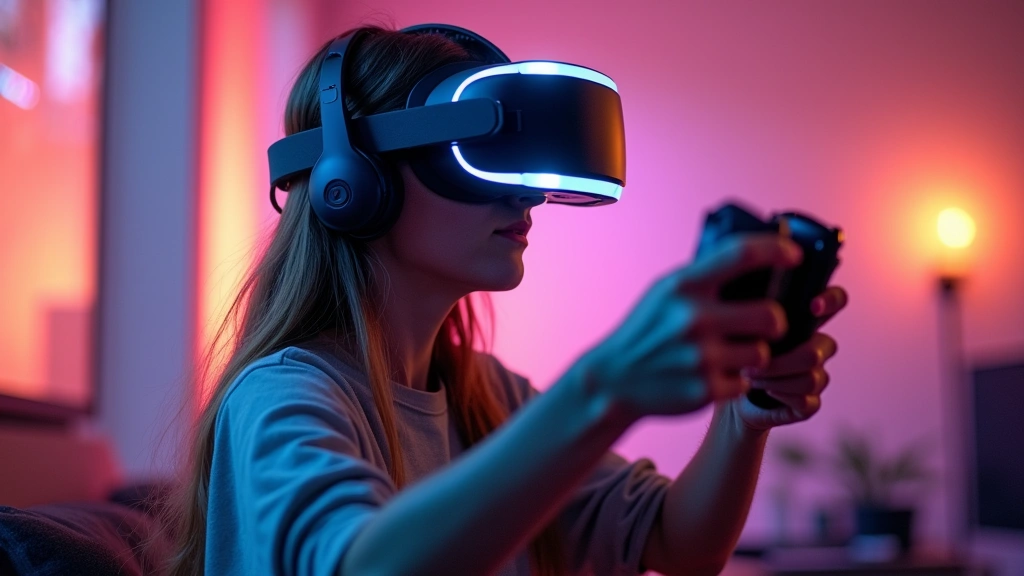
PlayStation VR2: Console Gaming Excellence
Sony’s PlayStation VR2 represents a generational leap in console-based virtual reality, leveraging the PS5’s formidable processing architecture. The headset features dual OLED displays with 2000 x 2040 resolution per eye, delivering exceptional contrast and deep blacks that enhance immersion in dark environments. The 110-degree field of view and 90Hz refresh rate provide smooth, responsive gameplay that rivals premium PC-based systems.
The integration with PlayStation 5 hardware eliminates compatibility concerns and ensures optimized performance across the official library. Titles like Gran Turismo 7, Resident Evil Village, and Horizon Call of the Mountain showcase the technical prowess of this platform, featuring ray-traced graphics and detailed environmental assets. The haptic feedback technology in the PS5 controller translates to the VR environment, creating tactile sensations that enhance physical immersion during gameplay.
Setup requirements prove straightforward for existing PlayStation 5 owners, with the headset connecting directly to the console without additional processing units or external sensors. This streamlined approach reduces cable clutter and simplifies room-scale tracking. However, the $550 price point positions it as a premium investment, and the game library, while growing, remains smaller than competing platforms. The OLED display technology justifies the premium pricing for users prioritizing visual quality and color accuracy.
HTC Vive XR Elite: Premium Wireless Performance
The HTC Vive XR Elite caters to enthusiasts and professionals seeking maximum performance and flexibility. This premium standalone headset incorporates dual LCD displays with 1920 x 1920 resolution per eye, complemented by a 110-degree field of view. The Qualcomm Snapdragon XR2 Gen 2 processor delivers consistent performance, though it trails newer architectures in raw computational capacity.
What elevates the XR Elite is its wireless PC streaming capability, enabling connection to high-end gaming PCs for enhanced graphics and processing power. This hybrid approach provides flexibility for users with existing PC investments, allowing them to leverage their hardware infrastructure. The 2-hour battery life and 256GB storage capacity support extended sessions, though battery endurance requires strategic planning for longer gaming marathons.
The controller design emphasizes precision input, with responsive tracking and intuitive button layouts that minimize learning curves. Eye tracking and facial expression recognition add sophisticated biometric capabilities, useful for avatar customization and gaze-based interaction systems. At approximately $1,500, the XR Elite targets users willing to invest substantially in premium VR experiences and future-proofed technology.
Valve Index: PC Gaming Precision and Customization
The Valve Index remains the gold standard for PC-tethered VR gaming, offering unparalleled precision and customization options for dedicated enthusiasts. The dual 1440 x 1600 LCD displays support 90Hz or 144Hz refresh rates depending on system capability, with exceptional color accuracy and minimal motion blur. The 130-degree field of view represents the widest available on consumer platforms, expanding peripheral vision and environmental awareness.
Valve’s knuckle controllers introduce innovative finger-tracking technology, recognizing individual finger positions without explicit button presses. This biomimetic input method enables natural gesture-based interactions, from realistic weapon handling to sign language communication in social spaces. The haptic feedback implementation provides nuanced tactile responses, enhancing immersion during complex gameplay scenarios.
The requirement for room-scale tracking via external lighthouses necessitates careful space preparation and sensor calibration, adding complexity to initial setup. The $999 price point assumes PC ownership, making total system costs substantial for new entrants. However, for users with high-end gaming PCs, the Index delivers uncompromising performance and the most sophisticated VR experience available. The platform’s longevity and continued software support from Valve ensure relevance for years to come.
Display Technology and Visual Fidelity Comparison
Display technology fundamentally determines visual quality in VR experiences, influencing immersion, comfort, and perceived realism. OLED technology, employed by PlayStation VR2, offers superior contrast ratios with infinite blacks and vibrant color reproduction. The rapid pixel response times minimize ghosting artifacts during fast head movements, critical for motion sickness prevention. However, OLED’s susceptibility to burn-in requires careful content management and display maintenance.
LCD panels dominate other platforms, offering brightness advantages and reduced burn-in risk. The Meta Quest 3’s LCD implementation balances brightness with power efficiency, essential for battery-dependent standalone devices. HTC and Valve utilize high-quality LCD panels with calibrated color profiles, though they sacrifice some contrast performance compared to OLED alternatives.
Resolution density directly impacts text readability and environmental detail clarity. Modern headsets target 40-50 pixels per degree, approaching the human eye’s visual acuity threshold. Higher refresh rates—144Hz on Valve Index versus 90Hz on competitors—reduce perceived motion lag and enhance responsiveness during rapid head tracking. The interaction between resolution, refresh rate, and processing power creates complex trade-offs that influence overall perceived quality.
For users interested in understanding how technology advances continue shaping VR capabilities, exploring Technology and Artificial Intelligence Transforming Our Future provides valuable context on emerging innovations influencing next-generation VR development.
Processing Power and Frame Rate Performance
Consistent frame rate delivery proves essential for VR comfort and immersion, with frame drops causing motion sickness and breaking presence. The PlayStation VR2 leverages PS5’s custom CPU and GPU architecture, delivering stable 90Hz performance in optimized titles. The system’s fixed hardware specification enables developers to optimize code precisely, maximizing visual fidelity within performance budgets.
PC-based systems offer scalability, with users adjusting graphics settings to match hardware capabilities. A high-end gaming PC with RTX 4090 GPU can sustain 144Hz on Valve Index, while mid-range systems maintain 90Hz with reduced visual settings. This flexibility accommodates diverse budgets and upgrade paths, though it requires technical knowledge to optimize performance.
The Meta Quest 3’s Snapdragon XR Gen 2 processor handles most contemporary titles at 72Hz or 90Hz, depending on application optimization. Wireless PC streaming via Air Link or Virtual Desktop enables access to higher-fidelity experiences, though network latency introduces input lag if connections aren’t sufficiently robust. Developers increasingly optimize for both native Quest performance and PC streaming scenarios, creating flexible experiences that scale across hardware tiers.
Frame pacing stability matters as much as raw frame rates, with consistent frame delivery preventing stuttering and disorientation. Modern VR platforms implement frame rate smoothing and asynchronous timewarp techniques, maintaining perceived smoothness even during momentary performance dips. These technologies prove critical for motion sickness prevention and user comfort during extended sessions.
Content Library and Software Ecosystems
The quality and quantity of available content significantly influences long-term platform value and user satisfaction. The Meta Quest platform boasts the largest library with thousands of titles spanning games, fitness, productivity, and educational applications. The ecosystem benefits from aggressive developer incentives and porting support, ensuring continuous content growth. Popular franchises like Beat Saber, Superhot, and Resident Evil 4 demonstrate the breadth of experiences available.
PlayStation VR2’s library emphasizes AAA quality over quantity, with exclusive first-party titles leveraging PS5 technical capabilities. Resident Evil Village, Gran Turismo 7, and Horizon Call of the Mountain showcase cinematic storytelling and graphical fidelity impossible on less powerful platforms. Third-party support continues expanding, with developers recognizing the PS5’s user base and technical prowess.
Valve’s SteamVR platform aggregates content from multiple developers, offering unparalleled variety and experimental titles alongside established franchises. The platform’s openness encourages independent developers, resulting in unique experiences unavailable elsewhere. Half-Life: Alyx remains the definitive VR gaming experience, setting technical and narrative standards for the medium.
HTC Vive’s ecosystem emphasizes enterprise and professional applications alongside consumer content. The XR Elite’s positioning attracts developers targeting premium experiences, though the consumer game library remains smaller than competing platforms. Cross-platform compatibility initiatives increasingly enable content to reach multiple headsets, reducing ecosystem fragmentation.
Controller Technology and Input Methods
Controller responsiveness and ergonomic design directly impact gameplay precision and user comfort during extended sessions. Valve’s knuckle controllers represent the most sophisticated input solution, with finger-tracking enabling natural gestures and intuitive interactions. The haptic feedback implementation provides nuanced tactile responses, while the responsive tracking maintains accuracy during rapid movements.
Meta Quest 3 controllers prioritize simplicity and battery efficiency, featuring intuitive button layouts and reliable tracking. The touch-based input method proves accessible for casual users, though experienced gamers occasionally find the controller ergonomics less comfortable during intensive sessions. The removable battery design enables quick replacements, supporting extended gaming marathons.
PlayStation VR2’s DualSense controller integration leverages haptic feedback and adaptive trigger technology, creating immersive sensations that translate console innovations to VR. The controller’s familiar form factor eases transition for PlayStation users, though some VR-specific applications benefit from dedicated motion controllers. Sony’s approach prioritizes comfort and familiarity over innovation.
HTC Vive controllers emphasize reliability and tracking precision, with responsive buttons and comfortable grip ergonomics. The thumb pad input method provides flexibility for complex control schemes, though some users prefer stick-based alternatives. The controllers’ battery life supports extended sessions, reducing interruptions for charging.
Comfort and Ergonomic Design Analysis
Extended VR sessions demand careful attention to weight distribution, ventilation, and pressure point management. The Meta Quest 3 weighs approximately 600 grams, distributing weight evenly across the head with an adjustable strap system. The front-heavy design can cause neck strain during longer sessions, though the included elite strap with battery option improves weight distribution and extends battery life.
PlayStation VR2 implements a sophisticated headband design that distributes weight across the head and shoulders, minimizing neck strain. The eye-tracking cameras and haptic feedback modules add weight compared to competitors, totaling approximately 645 grams. The well-engineered weight distribution and cushioning system prioritize comfort for extended gaming sessions. The larger form factor may challenge users with smaller head sizes, though adjustable straps accommodate most adult users.
Valve Index’s premium build quality extends to ergonomic design, with comfortable cushioning and adjustable head straps distributing weight effectively. The 809-gram weight requires a robust neck and shoulder musculature for comfortable extended use, positioning it toward enthusiast users willing to accept physical demands for superior performance.
HTC Vive XR Elite’s weight of approximately 680 grams necessitates careful strap adjustment and potentially external support solutions for extended sessions. The eye-tracking cameras and premium components contribute to the added weight, requiring consideration before committing to long gaming marathons.
Ventilation proves critical for comfort, with face foam accumulating heat and moisture during extended use. All modern VR headsets implement replaceable foam interfaces, enabling regular cleaning and maintenance. Some users invest in aftermarket cooling solutions, including ventilated foam replacements and external fans, particularly important in warm climates or during physically demanding applications.
Price-to-Performance Evaluation
The Meta Quest 3 at $299-$399 represents exceptional value, delivering impressive standalone performance without PC requirements. The entry price point enables broader consumer adoption, making VR accessible to budget-conscious users. The capability to upgrade with PC streaming via Air Link provides growth potential without immediate reinvestment.
PlayStation VR2 at $549 targets console owners with existing PS5 investments, leveraging installed hardware for justified premium pricing. The visual quality and performance advantages justify the investment for PlayStation ecosystem participants, though standalone users face higher total system costs.
Valve Index at $999 targets dedicated PC enthusiasts with existing high-end systems, assuming $1,500+ GPU investments already deployed. The premium pricing reflects cutting-edge display technology, sophisticated controllers, and uncompromising performance capabilities. For PC gamers seeking the ultimate VR experience, the cost-to-performance ratio remains competitive despite the substantial upfront investment.
HTC Vive XR Elite at approximately $1,500 positions itself as the premium standalone option, justifying costs through wireless PC streaming, eye tracking, and facial recognition capabilities. The price point targets professional users and affluent enthusiasts seeking maximum flexibility and future-proofed technology.
Understanding how to build a personal computer helps users evaluate total cost of ownership when considering PC-based VR solutions, as graphics card and processor investments significantly impact overall system expenses.
Verdict: Which VR Headset Reigns Supreme?
Determining the supreme VR headset depends fundamentally on individual priorities, existing hardware investments, and budget constraints. The Meta Quest 3 reigns for mainstream consumers seeking accessible, affordable VR without PC requirements. The all-in-one platform delivers impressive performance, expansive content libraries, and mixed reality functionality that extends VR applications beyond traditional gaming.
PlayStation VR2 dominates console gaming VR, offering unmatched visual quality and performance for PS5 owners. The OLED display technology, console optimization, and exclusive AAA titles justify the premium price for PlayStation ecosystem participants. The device represents the future of console VR gaming, with Sony’s commitment ensuring continued software support and innovation.
Valve Index remains supreme for PC gaming purists, offering the most sophisticated input technology and highest refresh rate capabilities available. The knuckle controllers and precision tracking deliver uncompromising experiences for dedicated enthusiasts willing to invest substantially in premium hardware.
HTC Vive XR Elite serves professionals and power users requiring maximum flexibility, wireless PC streaming, and biometric capabilities. The premium positioning targets specific use cases beyond casual gaming, including enterprise training, design visualization, and professional content creation.
For most users evaluating their first VR investment, the Meta Quest 3 represents the optimal entry point, balancing performance, price, and content availability. Users with PS5 consoles should seriously consider PlayStation VR2 for superior visual quality. PC enthusiasts with existing high-end systems should explore Valve Index for unmatched precision and performance. The ultimate choice reflects personal gaming preferences, budget parameters, and existing technology ecosystem commitments.
FAQ
What’s the best VR headset for beginners?
The Meta Quest 3 stands out as the best beginner option, offering affordable standalone performance without PC requirements. The extensive game library, intuitive controls, and mixed reality features enable users to explore VR applications comprehensively. The $299 entry price removes financial barriers for first-time users.
Can I use VR headsets for fitness and exercise?
Yes, all modern VR headsets support fitness applications. Meta Quest 3 offers Beat Saber, FitXR, and other exercise titles optimized for standalone performance. PlayStation VR2 includes rhythm games and fitness programs. PC-based platforms support specialized fitness applications through SteamVR. The motion-tracking capabilities enable comprehensive workout tracking and calorie expenditure monitoring.
How important is refresh rate in VR?
Refresh rate significantly impacts comfort and motion sickness prevention. 90Hz represents the minimum comfortable threshold, with 120Hz and 144Hz providing smoother experiences. Higher refresh rates reduce perceived motion lag and enhance responsiveness, particularly important during fast-paced gaming or rapid head movements.
Which VR headset has the best graphics?
PlayStation VR2 delivers superior graphics quality through OLED display technology and PS5 processing power. Valve Index with high-end PC systems can match or exceed PS5 visual quality through scalable graphics settings. The Meta Quest 3 prioritizes performance efficiency over cutting-edge visuals, though Air Link streaming enables access to higher-fidelity PC-based experiences.
Are VR headsets comfortable for extended gaming sessions?
Comfort varies by device and individual physiology. PlayStation VR2 prioritizes comfort through sophisticated weight distribution. Meta Quest 3 requires elite strap upgrades for extended sessions. Valve Index demands robust neck musculature for comfortable extended use. Users should test devices before purchasing and consider aftermarket comfort accessories.
What’s the total cost of VR ownership?
Meta Quest 3 costs $299-$399 standalone. PlayStation VR2 requires $549 plus existing PS5 ($499). Valve Index costs $999 plus high-end PC ($1,500-$3,000). HTC Vive XR Elite costs $1,500. Budget considerations should include replacement controllers, accessories, and game purchases. Understanding how to upgrade laptop memory helps users optimize existing PC investments for VR performance.
Which VR headset has the largest game library?
Meta Quest 3 offers the largest consumer game library with thousands of titles. SteamVR provides extensive variety through PC gaming. PlayStation VR2 emphasizes quality over quantity with growing third-party support. HTC Vive ecosystem includes both consumer and professional applications.
Do VR headsets require internet connectivity?
Most VR headsets function offline for local gameplay. Meta Quest 3 requires internet for app downloads and updates but enables offline gameplay. PlayStation VR2 requires PS5 internet connection for updates. PC-based systems depend on local network for streaming. Multiplayer experiences require internet connectivity.
Can I wear glasses with VR headsets?
Most modern VR headsets accommodate glasses wearers. All featured devices provide adequate interior space for standard eyeglasses. Alternatively, prescription VR lens inserts available from manufacturers offer prescription correction without glasses. Users should verify interior space specifications before purchasing.
What’s the difference between standalone and PC-based VR?
Standalone VR headsets (Meta Quest 3, HTC Vive XR Elite) contain built-in processors enabling independent operation. PC-based systems (Valve Index) require external computer connection for processing. Standalone devices offer portability and simplicity, while PC systems deliver superior graphics and processing power. Hybrid approaches like Meta Quest 3 with Air Link offer flexibility between modes.


