
CompTIA Tech+ Exam: Is It Right for You? Expert Insight
The CompTIA Tech+ certification has emerged as a pivotal credential for IT professionals seeking to validate their foundational technical knowledge and advance their careers in an increasingly competitive tech landscape. Whether you’re a seasoned technician looking to formalize your expertise or an aspiring IT professional taking your first steps into the industry, understanding whether CompTIA Tech+ aligns with your career goals is essential. This comprehensive guide examines the certification’s relevance, structure, and value proposition to help you make an informed decision.
The tech industry demands continuous skill validation and professional development. The CompTIA Tech+ exam represents one of the most accessible entry points for individuals pursuing IT careers, offering a structured pathway to demonstrate competency across multiple technology domains. Our expert analysis explores whether this certification deserves a place in your professional development roadmap.
What Is CompTIA Tech+ and Why It Matters
CompTIA Tech+ represents a vendor-neutral certification designed to validate the technical skills required for IT support roles, technician positions, and field service careers. Unlike vendor-specific certifications that focus on particular manufacturers’ products, CompTIA Tech+ emphasizes foundational knowledge applicable across diverse technology environments and platforms.
The certification bridges the gap between theoretical IT knowledge and practical troubleshooting capabilities. It covers hardware, software, networking, and operational fundamentals that form the backbone of IT support operations in organizations of all sizes. This broad-based approach makes CompTIA Tech+ particularly valuable for individuals transitioning into IT careers from non-technical backgrounds.
When evaluating whether to pursue CompTIA Tech+, consider your current position within the tech industry landscape. The certification proves especially beneficial for help desk technicians, field service engineers, desktop support specialists, and system administrators in their early career stages. Employers frequently reference CompTIA Tech+ as a baseline requirement when hiring for entry-level IT positions, particularly in government contracting and corporate environments.
The CompTIA Tech+ certification also serves as a strategic stepping stone toward more advanced credentials. Many IT professionals use it as a foundation before pursuing the CompTIA Tech certification pathway, which leads to more specialized qualifications like Security+ or Network+ certifications. This hierarchical approach allows professionals to build expertise progressively while maintaining industry-recognized credentials at each level.
Exam Structure and Content Breakdown
The CompTIA Tech+ exam (FC0-U61) consists of 90 questions administered in a 120-minute testing window. This format allows approximately 80 seconds per question, including time for review and revision. The exam employs multiple-choice and performance-based questions designed to assess both theoretical knowledge and practical problem-solving abilities.
The examination content distributes across four primary domains that comprehensively cover IT fundamentals:
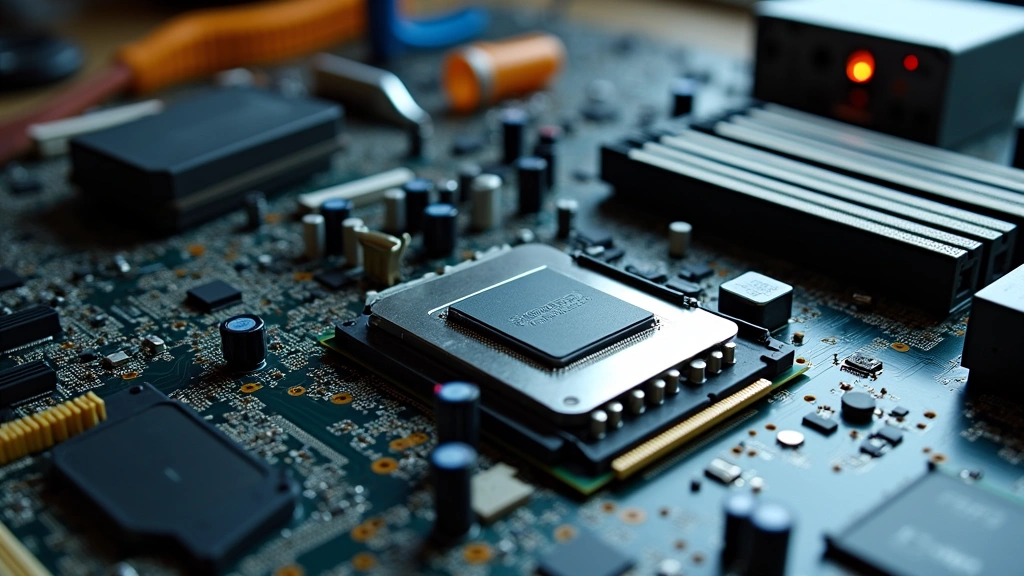
- Hardware and Peripherals (25%): This domain examines internal and external hardware components, including processors, memory systems, storage devices, power supplies, cooling mechanisms, and peripheral connections. Candidates must understand hardware specifications, compatibility requirements, and upgrade procedures.
- Networking (20%): Networking coverage includes TCP/IP protocols, network devices, wireless standards, security fundamentals, and network troubleshooting. This section emphasizes practical network configuration and diagnostic capabilities.
- Operating Systems and Software (30%): The largest domain covers Windows, macOS, and Linux operating systems, including installation, configuration, user management, file systems, and software deployment. This section also addresses security practices and system optimization.
- Operational Procedures (25%): This domain focuses on IT support best practices, documentation standards, safety protocols, environmental considerations, and professional communication skills essential for IT technician roles.
Performance-based questions simulate real-world scenarios where candidates must perform actual tasks within virtual environments. These might include configuring network settings, troubleshooting hardware issues, managing user accounts, or resolving software conflicts. This practical assessment approach ensures that certified professionals possess hands-on capabilities beyond theoretical knowledge.
The exam’s adaptive nature means that question difficulty adjusts based on your performance. Correct answers trigger progressively harder questions, while incorrect answers may lead to slightly easier subsequent questions. This algorithm ensures accurate assessment regardless of your baseline skill level.
Career Advancement Opportunities
Obtaining CompTIA Tech+ certification directly influences career trajectory and earning potential for IT professionals. According to CompTIA’s official certification data, certified professionals report average salary increases of 8-12% compared to non-certified peers in equivalent positions.
The certification opens specific career pathways that would otherwise remain inaccessible. Federal government IT positions, for instance, frequently mandate CompTIA Tech+ or equivalent certifications as mandatory qualifications. Defense contractors and organizations handling sensitive government data often require this certification for baseline security clearance eligibility.
Career progression opportunities following CompTIA Tech+ certification include advancement to senior technician roles, system administrator positions, network support specialist roles, and IT support team leadership positions. Many professionals use CompTIA Tech+ as a launching point for specialized certification tracks in cybersecurity, network administration, or cloud infrastructure.
Your earning potential increases measurably with this credential. Entry-level help desk technicians with CompTIA Tech+ certification typically earn between $35,000-$45,000 annually, while those without certification earn approximately $28,000-$35,000 for equivalent roles. This differential compounds over career progression, representing significant lifetime earnings impact.
Preparation Timeline and Study Resources
Effective CompTIA Tech+ preparation requires 40-60 hours of dedicated study time for individuals with basic IT exposure, while those transitioning from non-technical backgrounds may require 80-120 hours. This timeline varies based on your existing technical knowledge, learning pace, and study consistency.
Recommended preparation approaches include:
- Structured Online Courses: Platforms like Pluralsight CompTIA Tech+ courses provide video-based instruction with practical labs, typically requiring 30-40 hours for completion.
- CompTIA Official Study Materials: CompTIA publishes comprehensive study guides and practice exams that align precisely with exam objectives. These materials cost between $30-$80 and provide authoritative content coverage.
- Hands-On Lab Environments: Virtual lab platforms allow you to practice hardware troubleshooting, software configuration, and network setup in risk-free environments. These practical exercises prove invaluable for performance-based exam questions.
- Practice Exams: Multiple full-length practice tests help identify knowledge gaps and familiarize you with exam format and time management requirements. Most study bundles include 3-5 practice exams.
- Study Groups and Forums: Engaging with other exam candidates through study groups, Reddit communities, and CompTIA forums provides motivation, clarification of complex concepts, and practical troubleshooting insights.
Optimal preparation strategy combines video instruction with hands-on practice, supplemented by regular practice testing. Begin your preparation 8-12 weeks before your target exam date, dedicating 5-7 hours weekly to study activities. This consistent approach allows knowledge retention while preventing last-minute cramming that reduces retention.
Cost-Benefit Analysis
The financial investment in CompTIA Tech+ certification includes exam fees, study materials, and opportunity costs for study time. The CompTIA Tech+ exam costs $226 (USD) as of 2024, with practice exams and study materials ranging from $50-$300 depending on your chosen resources.
Total certification cost typically ranges from $350-$600 when including quality study materials. For some candidates, employer-sponsored training programs reduce or eliminate these costs entirely. Many organizations recognize the value of CompTIA Tech+ certification and subsidize exam fees and study resources for employees pursuing IT careers.
Return on investment (ROI) analysis demonstrates compelling financial benefits. The average 8-12% salary increase for certified professionals translates to $2,800-$5,400 annually for entry-level positions. Over a 10-year career span, this represents $28,000-$54,000 in additional earnings attributable directly to the certification.
Beyond salary increases, CompTIA Tech+ certification provides intangible benefits including enhanced professional credibility, expanded job opportunities, and accelerated career progression. Many candidates report that certification alone was instrumental in securing interviews and job offers that would have otherwise remained unavailable.
Comparison with Other IT Certifications
The IT certification landscape includes numerous alternatives and complementary credentials. Understanding how CompTIA Tech+ compares with competing certifications helps you make strategic decisions about your professional development pathway.
CompTIA A+ vs. CompTIA Tech+: CompTIA A+ represents the more comprehensive and advanced certification covering identical domains with greater depth. A+ certification requires more study time (80-100 hours) and costs more ($226 per exam × 2 exams = $452). However, A+ certification carries greater industry recognition and employer preference, particularly for positions requiring advanced technical expertise.
Microsoft Certified: IT Support Specialist: Microsoft’s entry-level IT certification focuses specifically on Windows environments and Microsoft technologies. While valuable for organizations heavily invested in Microsoft infrastructure, it lacks the vendor-neutral breadth that CompTIA Tech+ provides.
Industry Vendor Certifications: Cisco, Juniper, and other vendors offer entry-level certifications focused on their specific products. These certifications provide deeper knowledge in particular technologies but lack the broad foundational coverage that CompTIA Tech+ delivers.
CompTIA Tech+ serves as an optimal entry point for individuals without prior IT experience or certifications. Its vendor-neutral approach, broad content coverage, and industry recognition make it ideal for building foundational knowledge before pursuing specialized credentials. When you’re ready to advance your expertise, exploring advanced CompTIA certifications provides natural progression pathways.
Industry Recognition and Employer Value
CompTIA Tech+ certification enjoys substantial recognition among IT employers, government agencies, and managed service providers. The CompTIA’s annual industry research demonstrates that 95% of IT employers recognize and value CompTIA certifications when evaluating candidates for technical positions.

Government and defense contractors particularly value CompTIA certifications. The Department of Defense, General Services Administration (GSA), and other federal agencies recognize CompTIA Tech+ as meeting baseline technical competency requirements for IT positions. Many government contracts mandate CompTIA certification for IT personnel, creating significant demand for certified professionals.
Fortune 500 companies consistently prioritize CompTIA-certified candidates for IT support roles, viewing certification as evidence of commitment to professional development and competency validation. This employer preference translates directly into interview invitations, job offers, and career advancement opportunities.
The certification’s value extends beyond initial hiring advantages. Many organizations implement internal advancement policies that require CompTIA certification for promotion to senior technician or supervisory roles. This creates ongoing career incentive for pursuing and maintaining certification.
When evaluating potential career moves in tech, understanding how credentials like CompTIA Tech+ impact your marketability is essential. Our analysis of technology industry trends indicates continued strong demand for certified IT professionals across all company sizes and sectors.
FAQ
How long is CompTIA Tech+ certification valid?
CompTIA Tech+ certification remains valid for three years from your exam date. To maintain active certification status, you must either retake the exam before expiration or pursue continuing education credits through approved activities. Many professionals choose recertification to demonstrate current knowledge and maintain competitive advantage in the job market.
What is the passing score for CompTIA Tech+ exam?
The CompTIA Tech+ exam uses a scaled scoring system ranging from 0-900, with a passing score of 625. This equates to approximately 70% correct answers, though exact percentages vary based on question difficulty weighting. Your score report details performance across each exam domain, identifying specific knowledge areas for improvement if you don’t pass.
Can I take CompTIA Tech+ without prior IT experience?
Yes, CompTIA Tech+ is explicitly designed for individuals without prior IT experience. The certification serves as an entry-level credential, and many successful candidates transition into IT careers directly through CompTIA Tech+ certification. However, basic computer literacy and comfort with technical concepts accelerate learning.
Is CompTIA Tech+ harder than CompTIA A+?
CompTIA Tech+ is generally considered less difficult than CompTIA A+. Tech+ covers similar foundational topics but with less depth and fewer complex scenarios. A+ certification requires mastery of more advanced troubleshooting techniques, specialized hardware knowledge, and extensive networking concepts. Most candidates find Tech+ an appropriate stepping stone toward A+ certification.
What job titles typically require CompTIA Tech+ certification?
Job positions frequently requiring or preferring CompTIA Tech+ certification include Help Desk Technician, Desktop Support Specialist, Field Service Technician, IT Support Specialist, System Support Technician, and IT Assistant roles. Government positions and defense contractor roles particularly emphasize this certification as a baseline requirement.
How does CompTIA Tech+ compare to self-teaching IT skills?
While self-teaching provides flexibility and cost savings, CompTIA Tech+ certification offers structured knowledge validation, employer recognition, and verified competency assessment. Certification demonstrates to employers that you’ve met standardized competency benchmarks, whereas self-taught skills lack third-party verification. Most employers prefer certified candidates for professional positions.
Can I pursue advanced certifications immediately after CompTIA Tech+?
Yes, many candidates pursue CompTIA A+ or CompTIA Network+ certifications immediately following Tech+ completion. However, most professionals benefit from 6-12 months of practical IT experience between certifications to solidify foundational knowledge and develop real-world troubleshooting capabilities before tackling more advanced material.


