Core Soccer Tech: Game-Changer or Gimmick?
Soccer has evolved dramatically over the past decade, and technology stands at the forefront of this transformation. Core soccer tech represents a fascinating intersection of athletic performance, wearable innovation, and data analytics that’s reshaping how players train, compete, and recover. But with so many gadgets flooding the market, it’s crucial to ask: are these tools genuinely revolutionizing the beautiful game, or are they merely expensive gimmicks capitalizing on athletes’ desire for marginal gains?
This comprehensive review examines the landscape of core soccer technology, breaking down the most promising innovations, analyzing their real-world effectiveness, and helping you determine whether investing in these tools makes sense for your game. Whether you’re a casual player looking to improve your fitness or a serious athlete seeking competitive advantages, understanding what core soccer tech can actually deliver is essential.

What Is Core Soccer Tech?
Core soccer tech encompasses a broad category of wearable devices, software platforms, and smart equipment designed specifically for soccer players. Unlike general fitness gadgets, these tools focus on metrics and features relevant to soccer’s unique demands: acceleration, deceleration, directional changes, sprint distance, ball contact frequency, and tactical positioning.
The market has exploded with options ranging from GPS tracking vests to AI-powered video analysis systems. Most solutions fall into three primary categories: wearable sensors that monitor biometric and movement data, video analysis software that breaks down player performance frame-by-frame, and smart equipment like connected soccer balls and training cones. The underlying premise is compelling—objective data can identify weaknesses, optimize training, prevent injuries, and ultimately improve game performance.
What distinguishes legitimate core soccer tech from gimmicks is whether the data collected translates into actionable insights. A device that simply counts steps has limited value; one that measures explosive power, deceleration forces, and movement efficiency offers genuine performance intelligence. This distinction separates tools that coaches and elite teams genuinely rely on from novelty gadgets that look impressive but deliver minimal practical benefit.
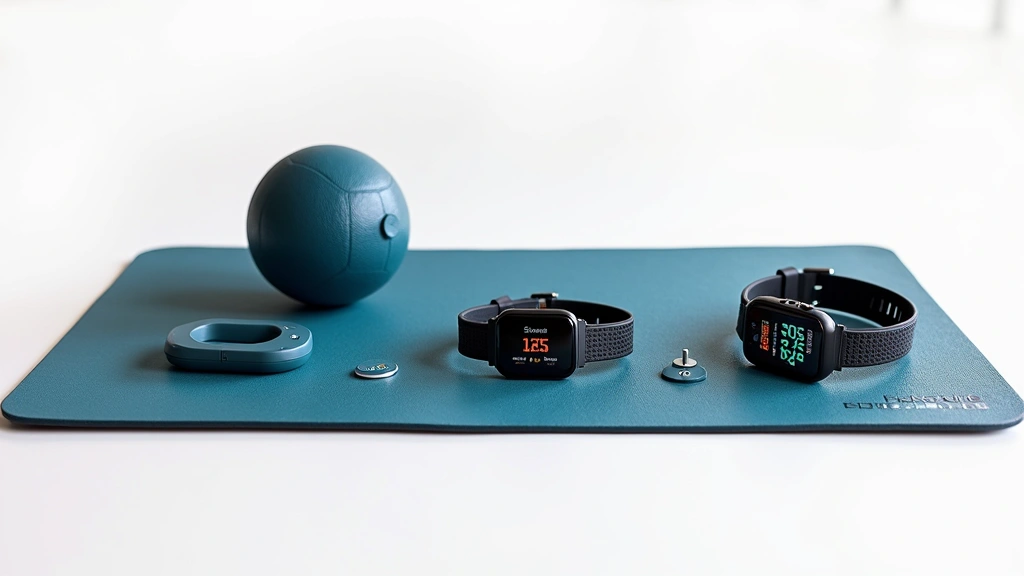
Performance Tracking Wearables
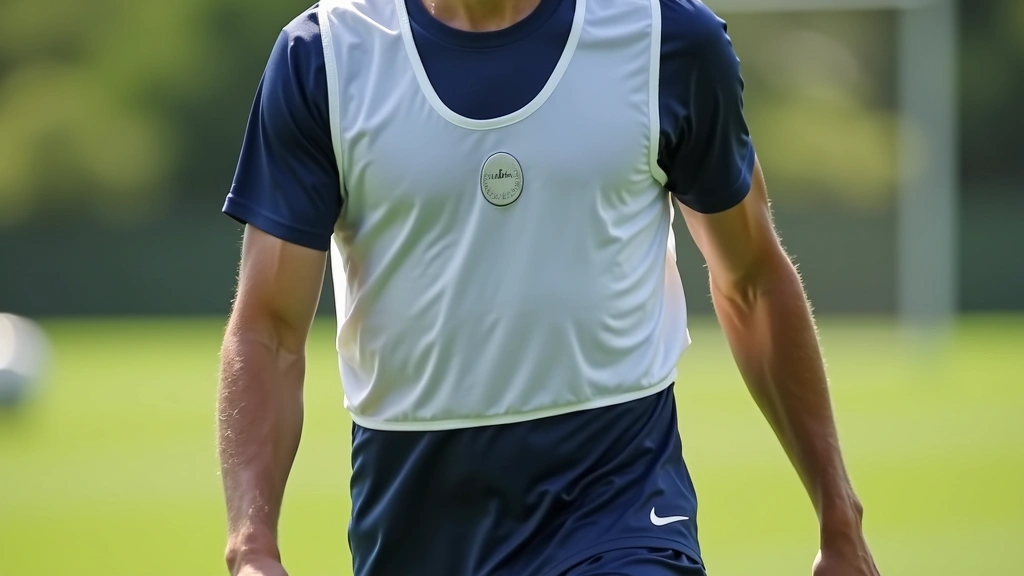
GPS-enabled vests and chest-mounted sensors have become standard equipment at professional and semi-professional soccer clubs worldwide. Brands like Catapult and StatsBomb dominate this space, offering real-time tracking of distance covered, speed zones, acceleration patterns, and recovery metrics. These systems provide coaches with granular performance data that would be impossible to assess through observation alone.
The primary advantage of wearable performance trackers is their ability to quantify training load. Soccer is unpredictable—players experience vastly different physical demands depending on position, opposition style, and match circumstances. A tracking system reveals that your striker covered 8.2 kilometers at an average speed of 4.1 meters per second with 47 high-intensity efforts, while your midfielder hit 12.1 kilometers with 63 high-intensity bursts. This objective measurement helps coaches balance individual workloads, prevent overtraining, and periodize training more intelligently.
Wearable sensors also excel at identifying fatigue patterns and injury risk. When a player’s acceleration metrics decline or their movement patterns become asymmetrical, it often signals fatigue or emerging injury. Progressive monitoring allows coaches to intervene before problems escalate. Players can also use wearable data to understand their personal performance patterns—knowing you perform best when keeping your high-intensity efforts under 60 per match provides valuable self-awareness for pacing during competition.
However, wearable technology has limitations. GPS accuracy varies based on weather, field location, and satellite availability. Some systems struggle in indoor facilities. Data interpretation requires expertise; raw metrics like “distance covered” mean little without context about intensity distribution and tactical relevance. A player covering 11 kilometers might be inefficient, constantly backtracking and making poor positional decisions, or alternatively demonstrating excellent work rate. The data requires expert analysis to become genuinely useful.
Training Analysis Systems
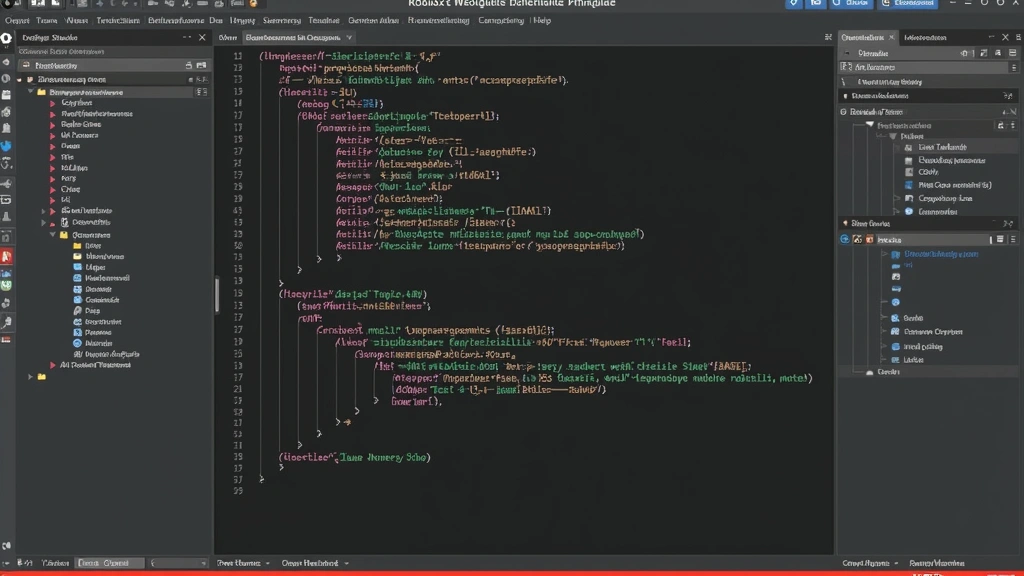
Video-based analysis represents perhaps the most transformative category within core soccer tech. Modern systems use artificial intelligence and computer vision to automatically track every player’s movement, generate heat maps, measure pass completion percentages, analyze shooting patterns, and evaluate tactical positioning. Unlike manual video review—which is time-consuming and subjective—AI-powered analysis processes matches in minutes and provides consistent, quantifiable metrics.
Leading platforms like The Analyst and Opta Sports offer coaches and analysts unprecedented insight into player and team performance. You can instantly identify that your fullback is vulnerable to counterattacks on the left flank, that your center-back’s passing accuracy drops significantly under pressure, or that your team’s pressing effectiveness declines after the 70th minute. This granular feedback enables targeted training interventions.
For individual player development, video analysis tools allow players to review their own performance with objective metrics overlaid. Instead of a coach saying “you need better positioning,” the system shows your average distance from the ball during your team’s possession, compares it to elite players in your position, and highlights specific moments where positioning errors occurred. This clarity transforms coaching feedback from subjective criticism into concrete, measurable targets for improvement.
The integration of video analysis with wearable data creates particularly powerful insights. Combining GPS tracking showing a player covered excessive ground with video analysis revealing inefficient movement patterns provides complete performance understanding. You know not just how much they ran, but whether that running was purposeful or wasteful.
Recovery and Injury Prevention
Perhaps the most underrated category within core soccer tech focuses on recovery and injury prevention. Devices like heart rate variability monitors, sleep tracking systems, and muscle oxygen sensors provide insights into player readiness and recovery status. Knowing a player’s HRV (heart rate variability) has declined significantly suggests incomplete recovery, warranting modified training or additional rest.
Smart recovery devices have become increasingly sophisticated. Some systems measure muscle soreness through electromyography (EMG), identifying which muscle groups need specific attention. Others track sleep quality and duration, recognizing that elite recovery requires both adequate training stress and sufficient sleep. The cumulative data helps coaches make evidence-based decisions about training intensity rather than relying on subjective player feedback, which often underestimates fatigue.
Injury prevention represents core soccer tech’s most compelling application. Wearable sensors can detect movement asymmetries—such as one leg showing different deceleration forces—that often precede injury. Machine learning algorithms trained on historical injury data can flag high-risk patterns before injuries occur. For clubs, preventing even one serious injury justifies significant technology investment, as ACL injuries alone carry direct costs exceeding $50,000 and indirect costs from lost playing time far exceeding that figure.
However, recovery tech remains somewhat speculative. While devices accurately measure physiological markers like HRV and sleep, the relationship between these metrics and actual performance or injury risk isn’t perfectly established. An athlete with low HRV might still perform excellently, or conversely, might need rest. The technology identifies correlations but not definitive causation, requiring coaches to interpret data within broader context.
Smart Equipment Innovations
Beyond wearables and software, smart equipment represents an emerging frontier in core soccer tech. Connected soccer balls embedded with sensors can measure shot accuracy, pass velocity, spin rate, and contact patterns. Smart cones create training environments that track player movement relative to equipment. Smart goal frames record shot placement and accuracy automatically.
These tools excel at training-specific skills. A striker using a smart ball for shooting drills receives instant feedback on shot velocity and accuracy, enabling rapid iteration and improvement. A midfielder practicing passing drills with smart cones gets objective data on pass precision and decision-making speed. Unlike traditional training where feedback is delayed or subjective, smart equipment provides immediate, quantifiable results.
The limitation of smart equipment is that it isolates specific soccer actions from the game’s complexity. Shooting accuracy against stationary targets differs significantly from shooting under match pressure with defenders closing. Smart equipment optimizes discrete skills but doesn’t guarantee improved match performance, which depends on decision-making, positioning, and tactical awareness—factors harder to train with isolated equipment.
Integration with broader best new tech ecosystems creates more powerful solutions. When smart training equipment connects with wearable sensors and video analysis, coaches gain complete understanding of how individual skill development translates into match performance. A striker might improve shooting accuracy 15% in smart ball drills but fail to convert those improved shots in matches—the integrated data would reveal whether the issue is decision-making, positioning, or pressure handling.
Real-World Performance Impact
The critical question remains: does core soccer tech actually improve performance? The answer is nuanced. At elite professional levels, clubs investing in comprehensive technology systems demonstrate measurable advantages. CNET’s technology analysis and similar reviews consistently show that data-driven clubs make better recruitment decisions, optimize training more effectively, and manage player workloads more intelligently than technology-light competitors.
For development-level players and semi-professional athletes, the benefits become less clear. While objective data is valuable, coaching quality, player commitment, and fundamental technical development matter far more than technology. A player working with an excellent coach who provides expert feedback will likely develop faster than a player with access to all the latest tech but mediocre coaching. Similarly, a player with poor work ethic won’t be transformed by wearables, no matter how detailed the metrics.
Research from sports science institutions demonstrates that video analysis and performance tracking, when properly implemented, can improve player development efficiency. One study showed that players receiving video feedback improved faster than control groups, though the effect size was modest. The technology appears to provide meaningful but not transformative benefits—perhaps 5-15% faster development rather than fundamental breakthroughs.
The most compelling evidence for core soccer tech effectiveness comes from injury prevention. Clubs implementing comprehensive monitoring systems report measurable reductions in soft-tissue injuries. When players with high-risk movement patterns receive modified training before injuries occur, the intervention prevents significant problems. This preventive benefit alone justifies investment for serious clubs.
Cost-Benefit Analysis
Evaluating core soccer tech requires honest assessment of costs versus benefits. Professional-grade GPS tracking systems cost $3,000-$8,000 per vest, with system infrastructure adding another $20,000-$50,000. Video analysis platforms range from $500-$5,000 monthly depending on features. Comprehensive technology implementation for a professional club easily exceeds $100,000 annually.
For amateur and semi-professional clubs, these costs are substantial. A team with 20 players might reasonably invest in 5-10 wearable vests for key players, plus video analysis software, totaling $15,000-$25,000 annually. This represents significant budget allocation, and clubs must carefully evaluate whether returns justify expenses. For clubs with limited resources, hiring an excellent coach might deliver better value than investing in technology.
Individual players face different calculations. A $200 sports watch with GPS and heart rate monitoring offers genuine value for serious players wanting training load management. Advanced wearables like the WHOOP strap ($30 monthly) provide detailed recovery metrics that benefit athletes taking training seriously. However, casual players likely won’t derive sufficient value from premium core soccer tech.
The most cost-effective approach involves strategic technology selection. Video analysis software offers excellent value because one subscription serves entire teams, distributing costs across many players. GPS tracking provides highest value for key players and competitive matches rather than every training session. Recovery monitoring benefits most players when implemented via inexpensive wearables rather than premium systems. Thoughtful implementation maximizes returns on technology investment.
Looking at broader tech trends, core soccer tech follows patterns visible across all sports technology. Early adopters gain competitive advantages, but as technology democratizes, advantages narrow. Eventually, technology becomes baseline expectation rather than competitive differentiator. Smart clubs view technology as tool enabling better coaching, not replacement for coaching expertise.
For those interested in exploring how technology transforms athletic performance across domains, examining coolest tech gifts 2024 and best tech gifts reveals emerging innovations worth monitoring. Many athletic technologies eventually filter down from professional sports into consumer products, making today’s premium tools tomorrow’s accessible innovations.
Making Your Decision
Whether core soccer tech represents game-changer or gimmick depends entirely on implementation context. For professional and elite development clubs with expert coaching staff, comprehensive technology systems deliver genuine competitive advantages through optimized training, injury prevention, and player recruitment. The investment creates measurable improvements in player development and performance.
For semi-professional clubs and serious amateur players, selective technology adoption—particularly video analysis and targeted wearable use—provides meaningful benefits without requiring massive budgets. A coach with analysis software can provide dramatically better feedback than one without it. A player tracking recovery metrics can optimize training more intelligently than one guessing at readiness.
For casual recreational players, core soccer tech likely represents poor value. Fundamental skill development, consistent training, and good coaching matter far more than metrics. A player improving their first touch, passing accuracy, and decision-making will advance faster than one obsessing over GPS data while neglecting fundamentals.
The honest assessment: core soccer tech isn’t a gimmick when properly implemented, but it’s not magic either. These tools amplify good coaching and dedicated training, providing marginal gains that accumulate into meaningful advantages. They’re most valuable for serious players and clubs willing to invest the expertise required to interpret data and translate insights into training modifications. Purchased as status symbols or technological novelties without supporting infrastructure, they’re expensive gimmicks. Implemented strategically as part of comprehensive player development systems, they represent genuine competitive advantages.
FAQ
What’s the most important core soccer tech for improving performance?
Video analysis software delivers highest value for most players and clubs. Objective feedback on positioning, decision-making, and technical execution drives faster improvement than subjective coaching feedback alone. GPS tracking provides excellent secondary value for managing training loads and preventing overtraining.
How much does professional-grade core soccer tech cost?
Comprehensive systems range from $50,000-$150,000 annually for professional clubs, including GPS vests, video analysis platforms, and analytics expertise. Individual players can access meaningful technology for $200-$500 annually through smartwatches and video analysis app subscriptions.
Can core soccer tech predict injuries?
Advanced systems show promise in identifying injury risk through movement asymmetries and workload tracking. While not perfectly predictive, comprehensive monitoring reduces soft-tissue injuries by approximately 20-30% when coaches respond appropriately to warning signs.
Is core soccer tech necessary for player development?
No. Excellent coaching, dedicated training, and player commitment matter more than technology. However, technology amplifies good coaching by providing objective feedback and enabling more precise training prescription. It’s valuable supplement to quality coaching, not replacement.
Which core soccer tech offers best value for amateur players?
Sports smartwatches with GPS and heart rate monitoring ($150-$300) provide excellent value for training load management. Video analysis apps ($10-$30 monthly) offer tremendous benefit for self-analysis. These deliver measurable improvements without massive investment.
How does core soccer tech compare to traditional coaching methods?
Technology and traditional coaching complement rather than compete. Expert coaches interpret data and design training responses; technology provides objective information enabling better coaching decisions. The combination outperforms either approach alone.