Core Tech Flooring: Is It the Future of Smart Homes?
Smart home technology has evolved dramatically over the past decade, transforming everything from lighting systems to security cameras. Yet one frontier remains largely unexplored: the ground beneath our feet. Core Tech flooring represents a revolutionary approach to home automation by embedding sensors, heating elements, and interactive capabilities directly into flooring materials. This innovation could fundamentally change how we interact with our living spaces, offering seamless integration that traditional smart home devices simply cannot match.
Unlike conventional smart home gadgets that sit on surfaces or mount on walls, core tech flooring becomes part of your home’s infrastructure. It monitors foot traffic, detects falls, provides underfloor heating, and even enables gesture recognition—all without requiring separate installation or visible wiring. As the smart home market continues to expand, flooring technology represents one of the most promising yet underutilized categories for homeowners looking to upgrade their properties.
What is Core Tech Flooring?
Core Tech flooring is an advanced building material that integrates multiple technological systems directly into the floor substrate. Rather than treating flooring as a passive surface, this technology transforms it into an active, intelligent component of your home’s ecosystem. The flooring contains embedded sensors, conductive layers, and wireless communication modules that work together to create a responsive environment.
The concept builds on decades of research in smart materials and embedded systems. Big Tech and Smart Cities innovation has paved the way for infrastructure-level smart solutions, and core tech flooring applies these principles to residential spaces. Major manufacturers have invested heavily in this technology, recognizing that the floor represents an underutilized interface for home automation.
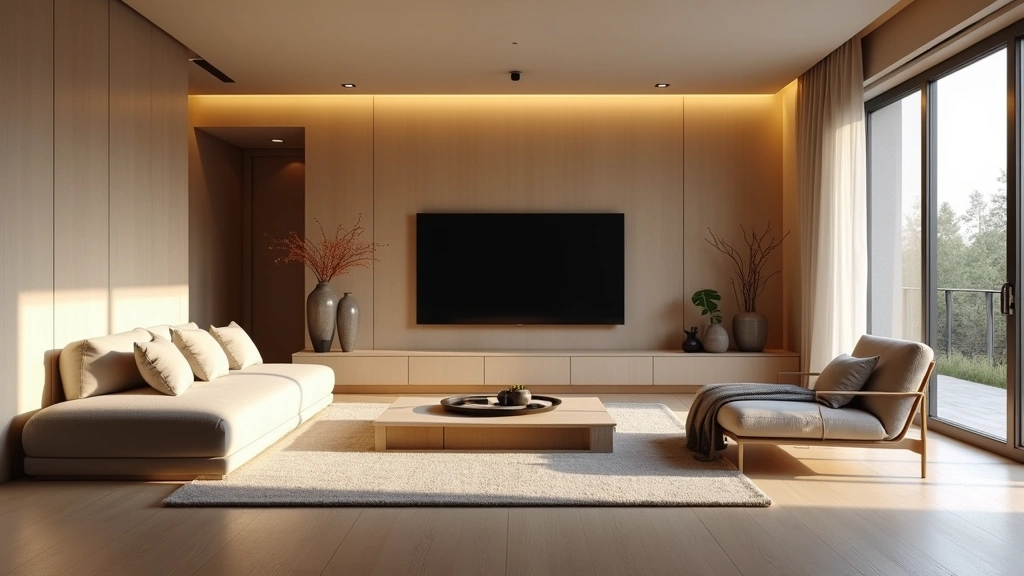
What makes core tech flooring distinctive is its invisibility. Once installed, you cannot tell it apart from standard flooring. There are no visible sensors, no protruding devices, and no aesthetic compromises. This seamless integration appeals to homeowners who want advanced functionality without the visual clutter of traditional smart home setups.

How Core Tech Flooring Works
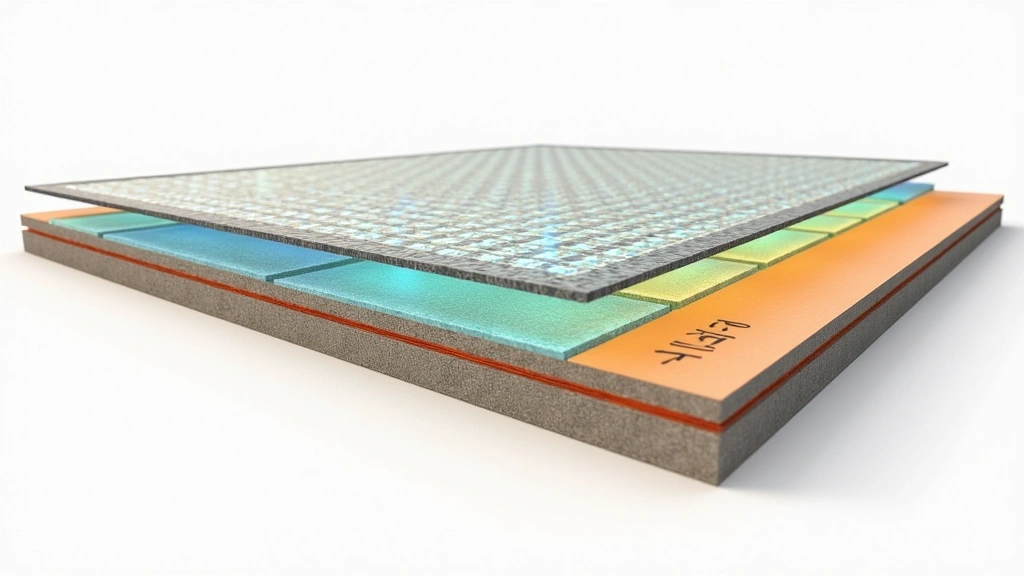
Core tech flooring operates through a multi-layered architecture that combines mechanical durability with electronic sophistication. The top layer consists of standard flooring material—wood, laminate, tile, or luxury vinyl—ensuring comfort and appearance are indistinguishable from conventional floors. Beneath this lies a network of pressure sensors distributed across the surface in a grid pattern.
These sensors detect weight distribution, foot position, and movement patterns. When you walk across the floor, the pressure sensors register your footsteps and transmit this data wirelessly to a central hub. Advanced algorithms process this information in real-time, enabling the system to recognize different activities and respond accordingly.
The second critical component is the heating layer. Embedded heating elements allow core tech flooring to function as a sophisticated underfloor heating system. Unlike traditional radiant heating that operates uniformly, these systems can heat specific zones independently. You could warm the living room while keeping the bedroom cool, or create heated pathways during winter months.
A wireless communication module connects the flooring to your home network via smart home technology trends. Most systems support WiFi, Bluetooth, and Zigbee protocols, ensuring compatibility with major ecosystems like Amazon Alexa, Google Home, and Apple HomeKit. This connectivity enables remote monitoring, automation triggers, and voice control integration.
Power delivery happens through low-voltage wiring integrated into the floor structure. Unlike high-voltage electrical systems, this approach minimizes safety risks while providing sufficient power for sensors, heating elements, and communication hardware. Battery backup systems ensure critical functions continue during power outages.
Key Features and Capabilities
Fall Detection and Safety Monitoring: One of the most valuable applications of core tech flooring is elderly care and safety monitoring. The pressure-sensitive array can detect falls in real-time and automatically alert emergency contacts or medical professionals. Unlike wearable devices that require users to remember to charge them, flooring-based detection works constantly without user intervention.
Temperature Control: Underfloor heating provides superior comfort compared to traditional radiators or forced-air systems. Core tech flooring allows zone-based temperature management, where different rooms maintain different temperatures. Algorithms can learn your preferences and automatically adjust heating based on time of day, occupancy patterns, and weather conditions.
Activity Recognition: Advanced machine learning algorithms can recognize specific activities from pressure patterns alone. The system can distinguish between walking, running, standing still, and even detect when someone has sat down. This enables context-aware automation—lights brighten when you enter a room, music starts playing, and doors unlock automatically.
Energy Efficiency: By heating only occupied zones and adjusting temperature based on real-time occupancy data, core tech flooring reduces energy consumption significantly. Studies indicate that intelligent underfloor heating systems can lower heating costs by 15-30% compared to conventional systems. When combined with climate tech solutions, these savings multiply across larger properties.
Security Integration: Pressure sensors can detect unauthorized intrusions by monitoring unusual movement patterns. If someone walks through your home at 3 AM when occupancy sensors indicate everyone is asleep, the system can trigger alarms or alert you remotely. The technology also integrates with door locks and window sensors for comprehensive security.
Health and Wellness Tracking: Beyond safety, the flooring can monitor gait patterns, walking speed, and balance. This data helps identify health issues before they become serious. Subtle changes in walking patterns might indicate neurological conditions, arthritis progression, or recovery from injury.
Installation and Compatibility
Installing core tech flooring requires more planning than standard flooring replacement. The process begins with a complete subfloor assessment to ensure proper support and moisture management. Most systems require a moisture barrier and proper ventilation to prevent damage to electronic components.
Professional installation is strongly recommended, though some manufacturers offer DIY kits for experienced homeowners. The installation process typically takes 2-4 weeks, depending on property size and complexity. Installers must carefully route power and communication cables, configure sensor arrays, and test all systems before completing the project.
Compatibility with existing smart home systems varies by manufacturer. Premium core tech flooring brands ensure integration with all major platforms, while budget options may support only specific ecosystems. Before purchasing, verify that the flooring you choose works with your existing smart home setup or that you are willing to migrate to a compatible system.
Warranty coverage typically spans 10-25 years for the flooring material itself, with 5-10 year warranties on electronic components. This reflects confidence in durability, though electronic elements may require replacement before the flooring wears out. Many manufacturers offer extended warranties and maintenance plans.
Pricing and Cost Analysis
Core tech flooring represents a significant investment compared to standard flooring options. Material costs range from $15 to $35 per square foot, compared to $3-$10 for conventional laminate or vinyl. For a 2,000 square foot home, this translates to $30,000-$70,000 just for materials.
Installation labor adds another $8,000-$15,000, bringing total project costs to $38,000-$85,000. This seems expensive until you consider the value proposition. When you factor in energy savings, improved home value, enhanced safety for elderly residents, and reduced need for separate smart home devices, the long-term return on investment becomes compelling.
Several financing options make core tech flooring more accessible. Many manufacturers partner with home improvement lenders offering 0% financing for 12-24 months. Some homeowners can deduct installation costs as medical expenses if the system addresses documented safety concerns. Energy efficiency rebates from utility companies can offset 10-20% of costs in certain regions.
Compared to installing separate underfloor heating, motion sensors, pressure mats, and smart home devices throughout your home, core tech flooring often costs less while providing superior functionality. When evaluating best tech stocks in the smart home sector, flooring manufacturers are emerging as undervalued players with significant growth potential.
Comparison with Traditional Smart Home Systems
Traditional smart homes rely on discrete devices scattered throughout the property. Motion sensors mount on walls, thermostats sit in hallways, and security cameras attach to ceilings. This distributed approach requires extensive wiring, creates aesthetic challenges, and often leaves coverage gaps.
Core tech flooring provides comprehensive coverage from a single integrated system. Every square foot of your home becomes a sensor network, eliminating dead zones and providing redundancy. If one sensor malfunctions, surrounding sensors provide backup coverage—something impossible with point-based devices.
Energy efficiency differs significantly as well. Traditional forced-air heating treats your entire home as a single zone, wasting energy on unoccupied spaces. Core tech flooring’s zone-based approach heats only where people are present, achieving superior efficiency. The CNET smart home reviews consistently highlight efficiency as a key advantage of integrated flooring systems.
Maintenance complexity inverts with core tech flooring. Traditional systems require managing multiple devices, replacing batteries, updating individual apps, and troubleshooting connectivity issues across different platforms. Core tech flooring centralizes all functions through a single interface, dramatically simplifying management.
However, core tech flooring requires complete floor replacement, creating a higher barrier to entry. Traditional smart home systems allow gradual adoption—you can add devices incrementally. For renters or those with limited budgets, traditional approaches remain more practical.
Real-World Applications
Elderly Care Facilities: Senior living communities have emerged as the primary early adopters of core tech flooring. Fall detection alone justifies the investment, as falls represent the leading cause of injury among elderly populations. Facilities report dramatic improvements in response times and resident confidence. The technology enables aging in place by allowing seniors to maintain independence while receiving immediate assistance during emergencies.
Healthcare Environments: Hospitals and rehabilitation centers use core tech flooring for patient monitoring without visible surveillance. The system tracks recovery progress, detects complications, and provides objective data on mobility improvements. Physical therapy departments use pressure data to analyze gait patterns and measure rehabilitation effectiveness.
Luxury Residential Properties: High-end homes increasingly feature core tech flooring as a premium amenity. The invisibility of the technology appeals to affluent homeowners who reject visible smart home clutter. Combined with other luxury smart home features, core tech flooring enhances property values and appeal to discerning buyers.
Commercial Spaces: Office buildings use core tech flooring for space optimization and employee wellness. Occupancy data reveals which spaces are underutilized, informing real estate decisions. Health and wellness programs track activity levels and encourage movement, improving employee fitness metrics.
Hospitality Industry: Hotels implement core tech flooring for guest comfort and operational efficiency. The system automatically adjusts room temperature as guests move between spaces, learns individual preferences, and enables voice-controlled amenities. Staff efficiency improves through automated room status monitoring.
Future Potential and Innovation
The trajectory of core tech flooring development points toward increasingly sophisticated capabilities. Researchers are exploring haptic feedback systems that provide tactile responses through the floor itself. Imagine walking across your floor and feeling subtle vibrations indicating incoming calls, messages, or navigation guidance.
Energy harvesting represents another frontier. Future flooring systems will convert the mechanical energy of footsteps into electrical power, reducing reliance on external power sources. This self-powered approach could enable truly autonomous flooring systems requiring minimal infrastructure.
Integration with augmented reality systems will create immersive experiences. Your floor could project information, guide navigation, or create interactive gaming environments. Combined with AI tech stocks investment trends, this convergence suggests core tech flooring will become increasingly sophisticated and capable.
Biomedical sensing represents an exciting development area. Future flooring could measure heart rate, respiratory patterns, and other vital signs simply by analyzing pressure distribution and micro-movements. This non-contact health monitoring could revolutionize preventive medicine and chronic disease management.
Material science advances will expand flooring options beyond current limitations. Self-healing materials will extend lifespan and reduce maintenance. Flexible electronics will enable curved and angled surfaces. Transparent conductive materials will allow integration with glass flooring in modern architectural designs.
The convergence of core tech flooring with The Verge’s coverage of smart home innovation suggests mainstream adoption is accelerating. As manufacturing scales up and competition increases, prices will decline, making the technology accessible to middle-class homeowners rather than luxury segments alone.
FAQ
Is core tech flooring safe for children and pets?
Yes, core tech flooring meets all safety standards for residential use. The electrical systems operate at low voltage, eliminating shock hazards. Materials are non-toxic and pet-safe. Pressure sensors pose no safety risks as they are completely passive. Parents appreciate the fall detection capabilities, which provide peace of mind when children are playing.
Can core tech flooring be installed in bathrooms and kitchens?
Most core tech flooring systems are water-resistant but not fully waterproof. Bathrooms and kitchens require specialized moisture-resistant variants with sealed electrical components. Installation costs increase 30-40% in wet areas due to additional waterproofing requirements. Always consult manufacturers about specific room applications before purchasing.
What happens if the power goes out?
Core tech flooring includes battery backup systems that maintain critical functions like fall detection during power outages. Heating and optional features may not function, but safety monitoring continues. Battery backup typically lasts 24-48 hours, providing ample time to address extended outages.
Does core tech flooring work with all smart home ecosystems?
Premium systems support Amazon Alexa, Google Home, and Apple HomeKit simultaneously. Budget options may support only one or two platforms. Before purchasing, verify compatibility with your existing ecosystem or confirm you are willing to switch platforms. Most manufacturers provide compatibility information on their websites.
How long does core tech flooring last?
The flooring material itself typically lasts 20-30 years, comparable to conventional high-quality flooring. Electronic components have shorter lifespans, with sensor arrays and heating elements typically lasting 10-15 years. Most systems allow component replacement without replacing the entire floor, extending total system lifespan to 25-40 years.
Can core tech flooring be removed and reinstalled?
Removal is possible but challenging and expensive. The integrated nature of the system makes relocation difficult. If you plan to move, core tech flooring is best viewed as a permanent home improvement rather than a portable feature. This consideration should factor into your purchase decision.


