Core Tech Floors: An Expert’s Guide to Innovation
The foundation of modern technology infrastructure has undergone a dramatic transformation over the past decade. Core tech floors—the specialized spaces housing critical computing infrastructure, server farms, and networking equipment—have become essential elements of contemporary business operations. Whether you’re a data center manager, IT professional, or technology enthusiast, understanding the intricacies of core tech floors is crucial for optimizing performance, ensuring reliability, and future-proofing your technological investments.
These specialized environments represent far more than simple server rooms. They embody cutting-edge design principles, advanced cooling systems, redundant power supplies, and sophisticated security measures. As organizations worldwide increasingly depend on cloud computing, artificial intelligence, and real-time data processing, the importance of properly engineered core tech floors has never been more critical to business continuity and operational excellence.
Understanding Core Tech Floors: Definition and Purpose
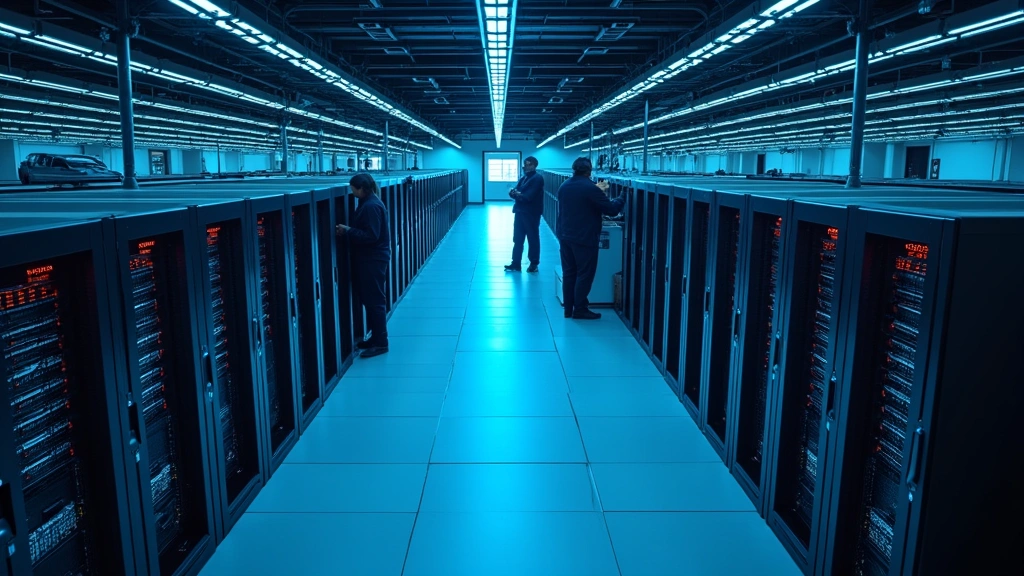
Core tech floors represent the nerve centers of digital infrastructure, serving as dedicated spaces where organizations consolidate their most critical computing resources. These environments house servers, storage systems, networking equipment, and backup infrastructure that keep businesses operational 24/7. The term “core” reflects their fundamental importance—they’re the backbone upon which all digital operations depend.
The primary purpose of a core tech floor extends beyond simple equipment housing. These spaces provide controlled environments that protect sensitive hardware from environmental hazards, maintain optimal operating conditions, and enable rapid scaling of computational resources. When you explore cool tech innovations, you’ll often discover that data center infrastructure represents some of the most sophisticated technological achievements in the industry.
Organizations ranging from Fortune 500 companies to mid-sized enterprises invest heavily in core tech floors because they directly impact system uptime, data integrity, and competitive advantage. The infrastructure decisions made during core tech floor design can influence operational costs for decades, making expert planning essential.
Infrastructure Components and Architecture
A properly designed core tech floor comprises multiple interdependent systems working in concert. The architectural foundation begins with raised flooring systems that create space for cable distribution, cooling air return paths, and equipment accessibility. This elevated infrastructure allows technicians to route cables beneath the floor, maintaining clean aesthetics while simplifying future modifications.
Server racks represent the primary infrastructure element, typically ranging from 42 to 52 units in height. Modern racks incorporate cable management systems, power distribution units (PDUs), and monitoring capabilities integrated directly into the frame. The latest technology blog posts frequently discuss advances in rack design that improve airflow efficiency and reduce installation time.
Network switches form the communication backbone, enabling data flow between servers and external networks. Modern switches support speeds exceeding 400 gigabits per second, with redundant connections ensuring no single point of failure. Storage systems—whether traditional hard drives or solid-state drives—provide persistent data retention with performance characteristics tailored to specific workloads.
Backup infrastructure including battery systems, generator connections, and failover mechanisms ensures business continuity during disruptions. Uninterruptible Power Supplies (UPS) systems can sustain operations for minutes to hours, while diesel generators provide extended runtime during extended outages. This layered approach to infrastructure redundancy distinguishes professional core tech floors from amateur installations.
Cooling Systems and Thermal Management
Thermal management represents one of the most critical challenges in core tech floor design. Modern servers generate substantial heat—a single high-performance server can dissipate 500-1000 watts continuously. Without proper cooling, equipment temperatures rise rapidly, triggering automatic shutdowns and risking permanent hardware damage.
Computer Room Air Conditioning (CRAC) units represent the traditional cooling approach, drawing hot air from equipment and returning cooled air to the floor. However, modern facilities increasingly adopt Computer Room Air Handler (CRAH) systems or in-row cooling solutions that improve efficiency and reduce energy consumption. CNET’s analysis of data center cooling technologies provides comprehensive insights into contemporary thermal management strategies.
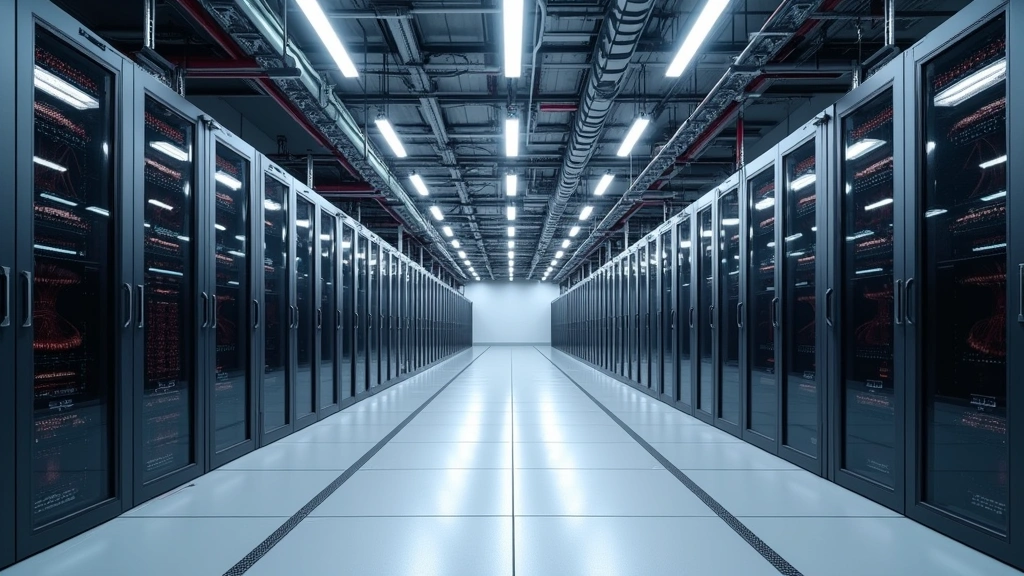
Hot aisle/cold aisle containment has become industry standard practice, segregating equipment rows to prevent hot and cold air mixing. This approach can reduce cooling energy consumption by 20-40% compared to traditional layouts. Precision air conditioning systems maintain temperature within ±2°C, preventing thermal stress on sensitive components while optimizing efficiency.
Advanced monitoring systems track temperature at multiple points throughout the facility, with automated alerts notifying technicians of thermal anomalies. Some facilities implement machine learning algorithms that predict cooling demands based on workload patterns, enabling proactive thermal management rather than reactive responses.
Liquid cooling represents an emerging frontier in thermal management, particularly for high-density installations. Direct-to-chip cooling and immersion cooling technologies can handle extreme heat densities while reducing overall facility cooling requirements. These innovations suggest that future core tech floors will incorporate increasingly sophisticated thermal management approaches.
Power Distribution and Redundancy
Reliable power delivery forms the foundation of core tech floor operations. Utility power enters the facility through multiple feeds from different substations, eliminating single points of failure. Automatic Transfer Switches (ATS) detect utility power anomalies and switch loads to backup power sources within milliseconds, maintaining continuous operation.
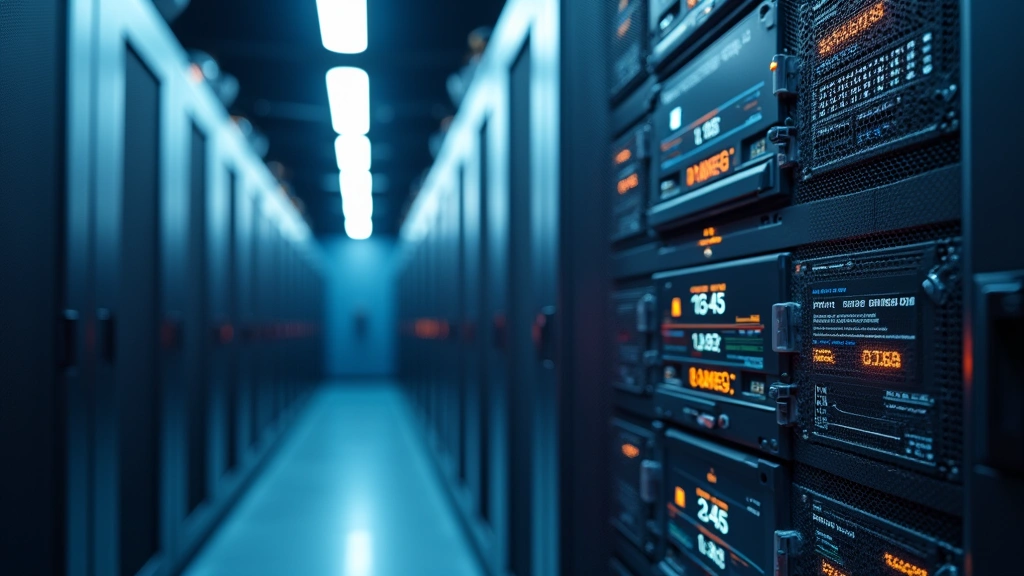
Power Distribution Units (PDUs) represent the final connection points between facility power infrastructure and individual servers. Modern intelligent PDUs monitor power consumption in real-time, enabling precise capacity planning and identifying equipment consuming excessive power. When evaluating best tech gifts for professionals, power monitoring tools and PDU management systems rank among the most valuable investments.
Uninterruptible Power Supplies (UPS) bridge the gap between utility power loss and generator activation. Modern UPS systems employ lithium-ion batteries providing superior efficiency and lifespan compared to traditional lead-acid designs. These systems can sustain critical loads for 10-20 minutes, sufficient time for graceful system shutdown or generator startup.
Diesel generators provide extended runtime during prolonged outages, with fuel storage capacity determining maximum operational duration. Professional facilities maintain 72+ hours of fuel reserves, ensuring operations continue during extended utility disruptions. Automatic load transfer and fuel management systems minimize manual intervention requirements.
Redundancy extends beyond simple backup systems. N+1 architecture ensures that equipment failure doesn’t impact operations—if one power supply fails, others maintain full capacity. N+2 or even N+3 redundancy characterizes enterprise-grade installations, providing multiple layers of protection against cascading failures.
Security Measures and Access Control
Core tech floors house invaluable assets requiring comprehensive security measures protecting against both physical and digital threats. Multi-factor access control systems restrict entry to authorized personnel, with biometric scanners, badge readers, and PIN codes creating multiple authentication layers. Visitor management systems maintain detailed logs of all facility access.
Surveillance systems employing high-resolution cameras provide continuous monitoring with recorded footage enabling incident investigation. Motion sensors trigger alerts when unexpected movement occurs during non-business hours, while door sensors detect unauthorized access attempts. These systems integrate with facility management platforms, providing unified security oversight.
Environmental monitoring extends security considerations beyond access control. Smoke and fire detection systems trigger automatic suppression mechanisms protecting valuable equipment while ensuring personnel safety. Water leak detection systems alert technicians to potential flooding before significant damage occurs, enabling rapid response.
Cybersecurity measures complement physical security, protecting against unauthorized access to infrastructure management systems. Encrypted communications, strong authentication, and network segmentation prevent malicious actors from compromising facility operations remotely. Industry frameworks including the NIST Cybersecurity Framework provide guidance for implementing comprehensive security strategies.
Compliance with regulatory requirements including HIPAA, PCI-DSS, and SOC 2 standards necessitates robust security implementations. Regular security audits and penetration testing identify vulnerabilities before malicious exploitation occurs. When exploring tech news feed updates, security breaches and infrastructure vulnerabilities frequently dominate headlines, underscoring the critical importance of proactive security measures.
Cable Management and Network Organization
Professional cable management separates core tech floors from amateur installations. Properly organized cabling reduces installation time, simplifies troubleshooting, and prevents airflow obstruction that compromises cooling efficiency. Structured cabling systems follow industry standards including TIA-568B color coding, ensuring consistency across installations and facilitating rapid identification during maintenance activities.
Vertical cable management systems route cables from floor-level distribution to overhead cable trays, maintaining clear floor space for technician movement and equipment access. Horizontal runs employ cable trays, conduit, or overhead pathways that organize cables logically and prevent tangling. Color-coded cable jackets and comprehensive labeling systems enable rapid identification of specific circuits.
Fiber optic cables handle long-distance, high-speed communications between core tech floors and remote facilities or external networks. Single-mode fiber supports distances exceeding 100 kilometers with minimal signal degradation, while multimode fiber suits shorter distances within facilities. The Verge’s coverage of fiber optic infrastructure developments explores how these technologies continue evolving.
Patch panel organization represents a critical component of network infrastructure, serving as the central connection point for all network devices. High-density patch panels consolidate hundreds of connections in minimal space, with modular designs enabling easy expansion. Proper labeling and documentation prevent connection errors that could cause network disruptions.
Copper cabling for shorter distances (typically under 100 meters) employs Category 6A or Category 8 specifications supporting 10 gigabit or higher speeds. Proper installation practices including correct bend radius and separation from power cables prevent signal degradation and electromagnetic interference. Regular cable audits identify and remove obsolete cabling, improving overall system clarity.
Monitoring and Performance Optimization
Comprehensive monitoring systems provide real-time visibility into core tech floor operations, enabling proactive problem identification and resolution. Infrastructure monitoring platforms track temperature, humidity, power consumption, and equipment status across the entire facility. Automated alerts notify technicians of anomalies before they impact operations, enabling preventive maintenance.
Server and application performance monitoring tools track computational workloads, identifying bottlenecks and capacity constraints. These systems collect metrics including CPU utilization, memory consumption, disk I/O, and network bandwidth, enabling capacity planning and performance optimization. Predictive analytics identify trending patterns suggesting future capacity requirements.
Network performance monitoring ensures optimal data flow between facility components and external connections. Tools measuring latency, packet loss, and throughput identify network degradation requiring investigation. Quality of Service (QoS) implementations prioritize critical traffic, ensuring mission-critical applications maintain performance during congestion.
Power monitoring systems track consumption patterns across facility zones, identifying opportunities for efficiency improvements. Detailed analytics reveal which equipment consumes the most power, enabling targeted optimization efforts. When considering best tech stocks in the infrastructure space, companies innovating in facility monitoring and optimization represent particularly attractive investments.
Maintenance scheduling based on performance data and equipment age extends hardware lifespan while reducing failure rates. Predictive maintenance algorithms analyze performance degradation patterns, scheduling replacement before failures occur. This proactive approach eliminates unexpected downtime while optimizing capital expenditure timing.
Industry Standards and Compliance
Professional core tech floors adhere to rigorous industry standards ensuring interoperability, safety, and reliability. The Uptime Institute’s Tier classification system (Tier I through IV) defines facility reliability levels, with higher tiers requiring greater redundancy and more sophisticated infrastructure. Most enterprise installations target Tier III or IV certification, ensuring 99.99% uptime or better.
TIA-942 standards specifically address data center cabling infrastructure, establishing best practices for cable pathways, termination, and documentation. Compliance with these standards ensures facilities meet industry expectations and support future technology evolution. ISO/IEC 27001 standards address information security management, protecting sensitive data housed within core tech floors.
Building codes and electrical standards including the National Electrical Code (NEC) establish safety requirements for power distribution, grounding, and fire suppression systems. Compliance with these standards protects personnel while ensuring regulatory approval for facility operation. Local jurisdiction requirements may impose additional constraints requiring careful planning.
Environmental standards including energy efficiency benchmarks increasingly influence facility design. LEED (Leadership in Energy and Environmental Design) certification recognizes facilities implementing sustainable practices, reducing operational costs while demonstrating environmental responsibility. Energy efficiency improvements often provide rapid return on investment through reduced utility costs.
Regular compliance audits and certifications validate that facilities maintain required standards. Third-party auditors assess infrastructure against established benchmarks, identifying deficiencies requiring correction. These audits provide valuable documentation for regulatory compliance and insurance purposes.
Future Innovations and Emerging Trends
The core tech floor landscape continues evolving rapidly, driven by increasing computational demands and technological breakthroughs. Artificial intelligence and machine learning increasingly optimize facility operations, predicting failures, optimizing cooling, and managing power distribution with unprecedented efficiency. These technologies learn from historical patterns, continuously improving decision-making processes.
Edge computing represents a significant architectural shift, distributing computational resources geographically closer to data sources. This approach reduces latency for latency-sensitive applications while reducing bandwidth requirements for long-distance data transmission. Core tech floors are increasingly designed as distributed networks rather than centralized monoliths.
Containerization and microservices architectures enable more efficient resource utilization, allowing multiple applications to share physical infrastructure. Kubernetes and similar orchestration platforms automatically allocate computational resources based on demand, reducing waste and improving efficiency. This software-defined approach increasingly influences physical infrastructure design.
Quantum computing represents the next frontier in computational capability, requiring specialized infrastructure including extreme cooling systems and electromagnetic isolation. Early quantum computing facilities are emerging, establishing best practices that will likely influence mainstream core tech floor design in coming decades.
Renewable energy integration increasingly powers core tech floors, with solar panels, wind turbines, and battery storage systems reducing grid dependence. Facilities in favorable geographic locations can achieve carbon neutrality or even carbon positivity, aligning with corporate sustainability commitments. Big tech acquisitions in 2025 frequently involve companies developing sustainable infrastructure technologies, reflecting industry recognition of environmental importance.
Modular and prefabricated data center solutions enable rapid deployment and scalability. Containerized data centers can be deployed in remote locations, bringing computational resources closer to end-users. These innovations suggest that future core tech floors will emphasize flexibility and rapid adaptation to changing requirements.
Advanced materials including phase-change materials and thermally conductive compounds improve cooling efficiency and reduce energy consumption. Research into novel cooling approaches including spray cooling and advanced heat exchangers continues advancing thermal management capabilities. These innovations will enable increasingly dense computational infrastructure within physical space constraints.
FAQ
What is the primary purpose of a core tech floor?
Core tech floors serve as controlled environments housing critical computing infrastructure including servers, storage systems, and networking equipment. They provide protection from environmental hazards, maintain optimal operating conditions, and enable reliable 24/7 operations. These specialized facilities directly impact system uptime, data integrity, and organizational competitiveness.
How often should core tech floor infrastructure be updated?
Infrastructure update schedules depend on technology evolution rates, organizational growth, and equipment lifespan. Most facilities implement rolling upgrade programs, replacing aging equipment before failures occur. Monitoring systems help identify components approaching end-of-life, enabling planned replacement rather than emergency interventions. Typically, major infrastructure components have 5-10 year replacement cycles.
What cooling capacity should a core tech floor maintain?
Cooling capacity must exceed peak heat dissipation requirements with adequate margin for future growth. Modern best practices recommend 1.5x to 2x overprovisioning, enabling capacity expansion without major infrastructure modifications. Precise requirements depend on equipment density, server types, and organizational growth projections. Thermal modeling during design phase ensures adequate capacity.
How is security implemented in core tech floors?
Comprehensive security combines physical and digital measures. Multi-factor access control restricts entry to authorized personnel, while surveillance systems monitor all activities. Environmental monitoring detects fires and water leaks, triggering automatic responses. Cybersecurity measures including encrypted communications and network segmentation protect against digital threats. Regular security audits identify and address vulnerabilities.
What redundancy levels are recommended for core tech floors?
Enterprise-grade facilities typically implement N+1 or N+2 redundancy across all critical systems. This ensures that single component failures don’t impact operations. Power, cooling, and networking infrastructure should all feature redundant pathways. Higher-tier facilities (Tier III/IV) require multiple independent systems, eliminating single points of failure.
How do core tech floors support business continuity?
Core tech floors enable business continuity through multiple mechanisms: redundant infrastructure eliminates single points of failure, backup power systems sustain operations during utility disruptions, and geographic distribution spreads risk across multiple locations. Comprehensive monitoring enables rapid problem detection and response, minimizing downtime impacts. These capabilities ensure organizations maintain operations during adverse circumstances.


