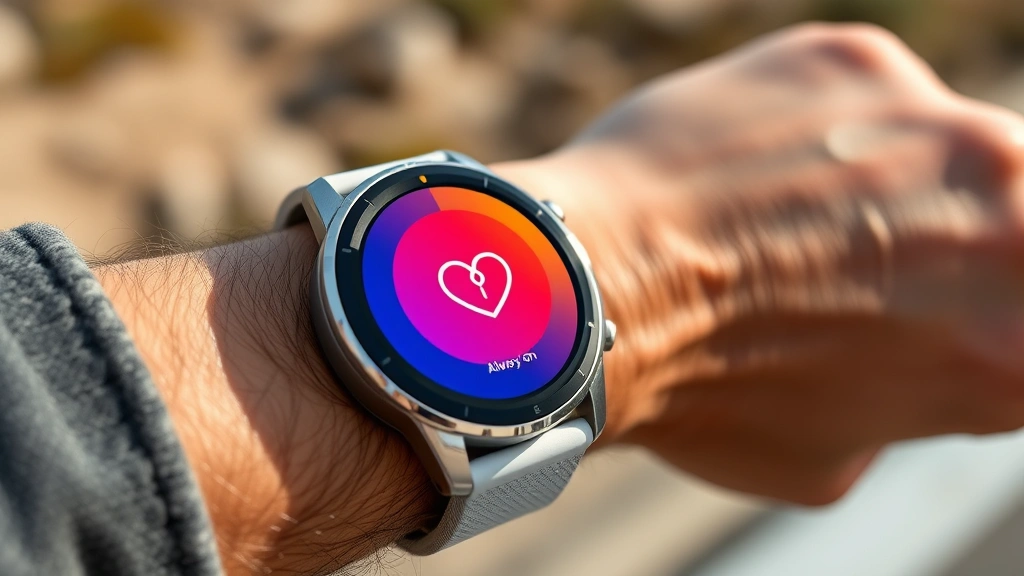
Are Smartwatches a Must-Have? Expert Insights on Wearable Technology
Smartwatches have evolved from novelty gadgets into sophisticated devices that millions of people wear daily. But are they truly essential, or just another tech trend destined for the drawer? This comprehensive guide explores whether smartwatches deserve a place on your wrist by examining their practical benefits, limitations, and real-world applications across different lifestyles.
The wearable technology market has exploded over the past five years, with manufacturers releasing increasingly capable devices. From fitness tracking to mobile payments, smartwatches now offer functionality that rivals smartphones in certain domains. However, the question remains: does everyone need one, or are they best suited for specific users?
What Makes a Smartwatch Essential?
A smartwatch becomes essential when it solves genuine problems in your daily routine. Unlike smartphones, which serve multiple purposes, smartwatches excel at specific tasks: quick information retrieval without pulling out your phone, continuous health monitoring, and seamless notification management. The core appeal lies in convenience and accessibility on your wrist.
For professionals juggling back-to-back meetings, smartwatches provide instant calendar updates and message previews without the distraction of a full smartphone screen. Athletes leverage real-time heart rate monitoring and workout metrics that inform training decisions. Meanwhile, casual users might find the features less compelling if they already check their phones frequently.
The technology has matured significantly since early iterations. Modern smartwatches feature always-on displays, advanced sensors, and processing power that enables offline functionality. According to The Verge’s latest wearable reviews, current flagship models rival previous-generation smartwatch capabilities in processing speed and responsiveness.
Health and Fitness Tracking Capabilities
Health monitoring represents the strongest argument for smartwatch adoption. Contemporary devices track multiple vital metrics simultaneously: heart rate variability, blood oxygen levels, sleep patterns, stress indicators, and electrocardiogram readings. This continuous data collection creates longitudinal health profiles that users can share with physicians.
The accuracy of these sensors has improved dramatically. CNET’s comprehensive testing demonstrates that premium smartwatches achieve clinical-grade accuracy for heart rate and SpO2 measurements. This precision matters for users managing conditions like atrial fibrillation or sleep apnea, where early detection can be life-changing.
Fitness tracking goes beyond simple step counting. Modern smartwatches automatically detect exercise types, calculate calories burned, and provide real-time coaching during workouts. Integration with fitness apps creates comprehensive activity ecosystems. However, accuracy varies significantly depending on activity type—running metrics are typically reliable, while swimming and cycling show greater variability across different brands.
For serious athletes, smartwatches offer training metrics that rival dedicated sports watches: VO2 max estimation, recovery time recommendations, and workout load analysis. These insights help optimize training efficiency and prevent overtraining injuries. Casual fitness enthusiasts benefit primarily from motivation features like activity rings and achievement badges.
Productivity and Notifications
Beyond health, smartwatches streamline daily productivity by filtering information intelligently. Rather than constant phone notifications, users configure which alerts reach their wrist—emails from important contacts, calendar reminders, or urgent messages. This selective notification approach reduces context-switching and mental fatigue.
Voice assistants integrated into smartwatches enable hands-free control. Setting timers while cooking, checking weather during commutes, or sending quick voice messages through your watch reduces phone dependency. For accessibility, this feature proves invaluable for users with mobility limitations.
Payment functionality transforms smartwatches into digital wallets. NFC technology enables contactless payments at compatible terminals, eliminating the need to carry cards or phones for transactions. This convenience factor particularly appeals to runners, cyclists, and travelers who want to travel light.
The productivity argument strengthens when considering your smartphone usage patterns. If you’re already checking your phone dozens of times daily, a smartwatch adds minimal productivity benefit. Conversely, if you’re trying to reduce phone time, a smartwatch enables essential notifications without the distraction of a full device.
Battery Life and Durability Concerns
Battery life remains a critical consideration that separates smartwatch experiences. Premium smartwatches typically last 1-3 days per charge, requiring frequent charging cycles. This contrasts sharply with traditional watches, which run for years without batteries, or specialized fitness watches lasting 2-3 weeks.
For users accustomed to weekly phone charging, this schedule seems reasonable. However, for travelers or those preferring minimal charging maintenance, limited battery life becomes problematic. The trade-off between feature richness and battery efficiency represents a fundamental design constraint.
Durability varies significantly across price points. Premium models feature sapphire crystal displays, stainless steel cases, and water resistance rated for deep swimming or diving. Budget options use plastic materials and basic water resistance suitable only for splashes. Understanding your intended use—casual daily wear versus extreme sports—guides durability expectations.
Screen technology impacts both battery life and usability. AMOLED displays offer vibrant colors and deep blacks but consume more power than e-ink alternatives. Always-on displays provide convenience but accelerate battery drain. Users must prioritize which features matter most for their lifestyle.
Cost vs. Value Analysis
Smartwatch pricing ranges dramatically: budget models start around $100-150, mid-range options cost $200-400, while premium devices exceed $500. This wide spectrum reflects different target audiences and feature completeness. The value calculation depends entirely on which features you’ll actually use.
Entry-level smartwatches provide basic fitness tracking and notifications adequately for casual users. Mid-range models add enhanced health sensors and faster processors. Premium offerings include advanced features like ECG capability and superior build quality. Evaluate whether premium features align with your actual usage patterns—many users discover they only utilize 20% of their smartwatch’s capabilities.
Comparing smartwatches to their ecosystem is essential. Apple Watch requires an iPhone, limiting its appeal to Android users. Wear OS watches offer broader compatibility but sometimes lack optimization. Proprietary platforms like Garmin provide specialized features for specific audiences. Your existing smartphone choice heavily influences which smartwatch ecosystem makes sense.
Long-term value also considers software support and ecosystem longevity. Established manufacturers like Apple, Samsung, and Garmin provide multi-year software updates, ensuring security and feature additions. Smaller brands sometimes discontinue support quickly, leaving users with outdated devices. This support differential justifies premium pricing for many users.
Best Use Cases for Different Users
Professional Athletes genuinely benefit from smartwatch adoption. Continuous heart rate monitoring, advanced workout metrics, and recovery tracking directly improve training outcomes. The data informs coaching decisions and prevents injuries through overtraining detection. For this group, smartwatches are nearly essential tools rather than luxury accessories.
Fitness Enthusiasts gain significant value from health tracking and motivation features. Activity rings, achievement badges, and social competition features drive consistent exercise habits. Integration with fitness apps creates comprehensive wellness ecosystems. However, dedicated sports watches might serve their needs more effectively depending on specific sports.
Busy Professionals leverage smartwatches for productivity—calendar management, selective notifications, and voice commands reduce phone dependency during meetings and calls. Quick information access without pulling out phones improves meeting presence and focus. For this demographic, smartwatches genuinely enhance productivity and work-life balance.
Health-Conscious Individuals monitoring specific conditions benefit from continuous health data collection. Sleep tracking, stress monitoring, and heart rhythm detection provide insights for managing chronic conditions. Sharing data with healthcare providers enables informed medical discussions. This use case represents perhaps the strongest argument for smartwatch necessity.
Casual Users checking phones frequently and not engaged in structured fitness probably don’t need smartwatches. If you’re already on your phone dozens of times daily, a smartwatch adds minimal value. The convenience of wrist notifications doesn’t offset the cost and charging requirements for this group.
Travelers find smartwatch payment functionality and offline maps particularly valuable. Wearing a watch with NFC payment capability enables transactions without carrying wallets or phones. However, this benefit primarily applies to users comfortable adopting mobile payment platforms.
The Future of Wearable Technology
Wearable technology continues advancing rapidly. Manufacturers are developing more sophisticated health sensors, including non-invasive glucose monitoring and blood pressure measurement. These capabilities could transform smartwatches from fitness gadgets into clinical-grade health devices. When glucose monitoring reaches mainstream accuracy, smartwatches become genuinely essential for diabetic patients.
Battery technology improvements represent another frontier. Solid-state batteries and advanced power management could extend smartwatch runtime to weeks rather than days. This improvement alone would eliminate a major adoption barrier. Current research suggests substantial progress within the next 2-3 years.
Augmented reality integration offers intriguing possibilities. Future smartwatches might display contextual information overlaid on your view, enabling navigation without checking phones or maps. This technology could transform how we interact with digital information during daily activities.
The convergence of smartwatches with other wearables—rings, glasses, clothing—creates possibility for distributed intelligence. Rather than relying on a single wrist device, users could leverage multiple complementary wearables, each optimized for specific functions. This distributed approach might overcome current smartwatch limitations.
For those interested in broader technology trends, understanding technology and artificial intelligence transforming our future provides context for where wearables fit within the larger tech landscape. Similarly, exploring cloud computing benefits for businesses helps understand how smartwatch data integrates with broader digital ecosystems.
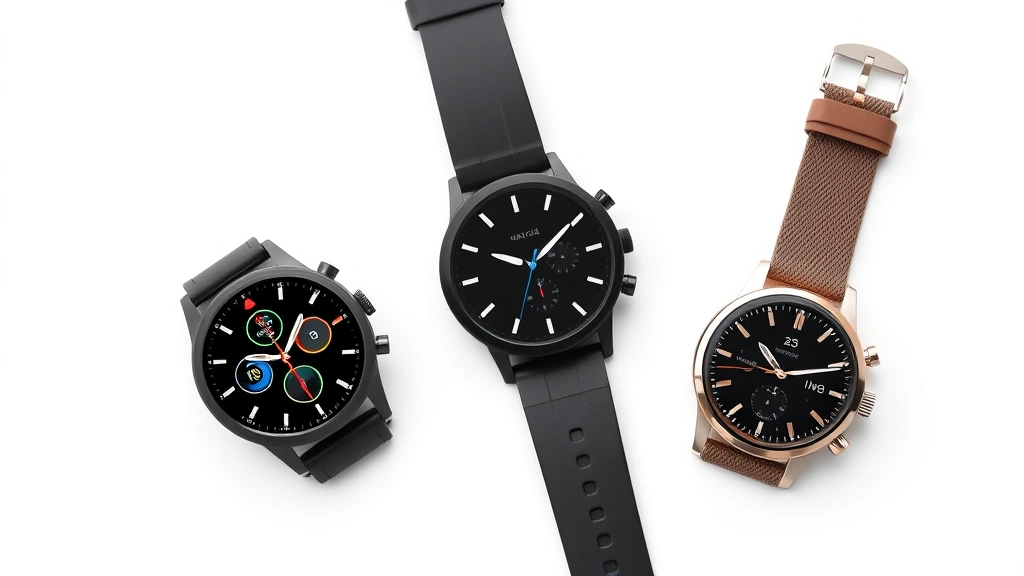
Recent announcements from manufacturers suggest increased focus on health differentiation. Garmin’s latest smartwatch lineup emphasizes advanced metrics like training load and recovery time. These health-focused iterations suggest the market recognizes wearables’ potential as legitimate health devices rather than smartphone accessories.
Integration with home ecosystems represents another growth area. Future smartwatches might control smart homes more intuitively than smartphones, using voice commands and gestures. This expanded functionality strengthens the case for smartwatch adoption in connected homes.
The environmental impact of frequent device replacement deserves consideration. As smartwatches mature, durability and repairability should improve, reducing electronic waste. Manufacturers increasingly offer repair services and replacement parts, extending device lifespan and justifying higher upfront costs.
Comparing Smartwatch Platforms
Apple Watch dominates the premium segment with tight iOS integration and exceptional health features. However, best laptops for students 2025 considerations show how different devices serve different audiences. Apple Watch requires an iPhone, limiting its market to Apple’s ecosystem.
Samsung Galaxy Watch offers comprehensive Wear OS functionality with excellent Samsung phone integration. The platform provides more customization than Apple Watch while maintaining strong health monitoring capabilities. Samsung’s competitive pricing makes it accessible to budget-conscious consumers.
Garmin specializes in sports-focused smartwatches, offering unparalleled fitness metrics and multi-week battery life. For serious athletes, Garmin’s advantages in specialized metrics justify choosing their ecosystem despite narrower general-purpose functionality.
Wear OS devices from various manufacturers provide choice and flexibility but sometimes lack optimization compared to proprietary platforms. The platform offers excellent value for Android users seeking smartwatch functionality without ecosystem lock-in.
Fitbit devices prioritize fitness and health tracking over general smartwatch features. For users primarily interested in activity and sleep monitoring, Fitbit’s focused approach provides excellent value. Google’s acquisition of Fitbit positions it well for future health-focused development.
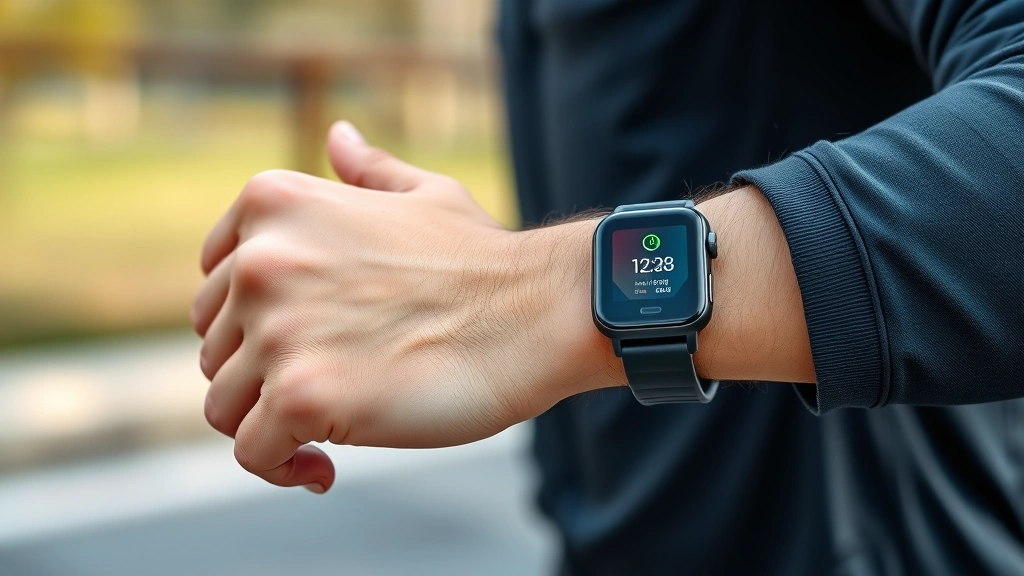
Your existing smartphone ecosystem should heavily influence your smartwatch choice. Cross-platform compatibility remains limited, making platform alignment essential for optimal functionality. Consider your long-term tech preferences before committing to a smartwatch ecosystem.
For those considering broader tech upgrades, understanding how to upgrade PC RAM: a step-by-step guide shows how different tech investments interconnect. Similarly, exploring how to fix a slow computer: effective tips and solutions demonstrates how system optimization complements wearable technology investments.
FAQ
Do I really need a smartwatch if I have a smartphone?
Not necessarily. Smartwatches add value primarily for specific use cases: intensive fitness tracking, health monitoring, or reducing phone dependency. If you’re already checking your phone frequently and don’t engage in structured fitness activities, a smartwatch provides minimal additional benefit. Evaluate whether the specific features address genuine needs in your daily routine.
Which smartwatch is best for fitness tracking?
Garmin offers the most comprehensive fitness metrics for serious athletes, with specialized watches for running, cycling, swimming, and multisport activities. Apple Watch excels for general fitness tracking with seamless iPhone integration. Samsung Galaxy Watch provides excellent middle-ground functionality at competitive prices. Your choice depends on your primary sport and existing smartphone platform.
How long do smartwatches typically last?
Most smartwatches remain functional for 2-4 years before battery degradation becomes problematic. Software support from major manufacturers extends to 5+ years, though performance may decline. Premium build quality extends lifespan significantly compared to budget models. Accidental damage, water exposure, and physical wear represent more common failure causes than battery degradation.
Can smartwatches replace smartphones?
Smartwatches complement smartphones but cannot fully replace them for most users. Limited screen size, processing power, and input methods restrict smartwatches to specific tasks. They excel at notifications, quick information retrieval, and health monitoring but lack the versatility for productivity, content creation, and entertainment. Consider smartwatches as supplements to smartphones rather than replacements.
Are smartwatches worth the investment for casual users?
For casual users without specific fitness or health goals, smartwatches represent discretionary spending rather than essential purchases. If you’re interested in gentle activity tracking and enjoying tech gadgets, budget options ($100-150) provide adequate functionality. However, if you don’t use fitness apps or care about health metrics, investing in a smartwatch probably isn’t justified.
How accurate are smartwatch health sensors?
Premium smartwatches achieve clinical-grade accuracy for heart rate and blood oxygen measurements when properly calibrated. Accuracy varies based on fit, skin tone, and individual physiology. Sleep tracking remains less accurate than dedicated sleep monitors but provides useful general trends. For medical-grade measurements, consult dedicated medical devices rather than relying solely on smartwatch readings.
What’s the best smartwatch for Android users?
Samsung Galaxy Watch offers excellent Wear OS functionality with strong Samsung phone integration. Google Pixel Watch provides pure Wear OS experience optimized for Google services. Garmin watches work across Android platforms with comprehensive fitness features. Your choice depends on prioritizing health metrics, general smartwatch features, or fitness specialization.


