Retro Tech Revival: Are 1990s Gadgets Making a Comeback?
The 1990s were a golden era for technology enthusiasts. From the satisfying click of mechanical keyboards to the nostalgic glow of cathode-ray tube monitors, this decade defined an entire generation’s relationship with gadgets. Today, we’re witnessing an unexpected phenomenon: retro 1990s tech is experiencing a genuine renaissance. Vintage Walkmans command premium prices on secondhand markets, flip phones are being reimagined by modern manufacturers, and the aesthetic of 90s design is dominating contemporary tech culture. But is this merely nostalgia, or are there genuine reasons why these older technologies deserve a place in our modern digital landscape?
The resurgence of 1990s technology represents more than just sentimental longing. It reflects a growing frustration with contemporary tech’s complexity, planned obsolescence, and the loss of tactile, intentional design. As we explore this fascinating trend, we’ll examine which gadgets are making comebacks, why consumers are embracing them, and what this movement reveals about our relationship with technology. Whether you’re a digital minimalist seeking simpler devices or a tech collector hunting for vintage treasures, understanding this retro revival offers valuable insights into both past and future technology trends.
The Golden Age of 1990s Technology
The 1990s represented a pivotal moment in technological history. This was the decade when personal computers transitioned from business tools to household staples, when the internet emerged from academic institutions to transform global communication, and when portable entertainment devices became ubiquitous. Unlike today’s ecosystem of interconnected smart devices, 1990s technology was characterized by dedicated single-purpose gadgets: your Walkman played music, your pager received messages, and your desktop computer handled computing tasks.
The design philosophy of the era emphasized durability and repairability. Devices featured replaceable batteries, user-accessible components, and straightforward mechanical functions. The Sony Discman, for instance, could withstand drops and environmental stress that would immediately damage modern smartphones. Similarly, the Nokia 3310 became legendary for its near-indestructible construction. This robustness wasn’t accidental—it reflected manufacturing standards and consumer expectations that have largely disappeared from contemporary consumer electronics.
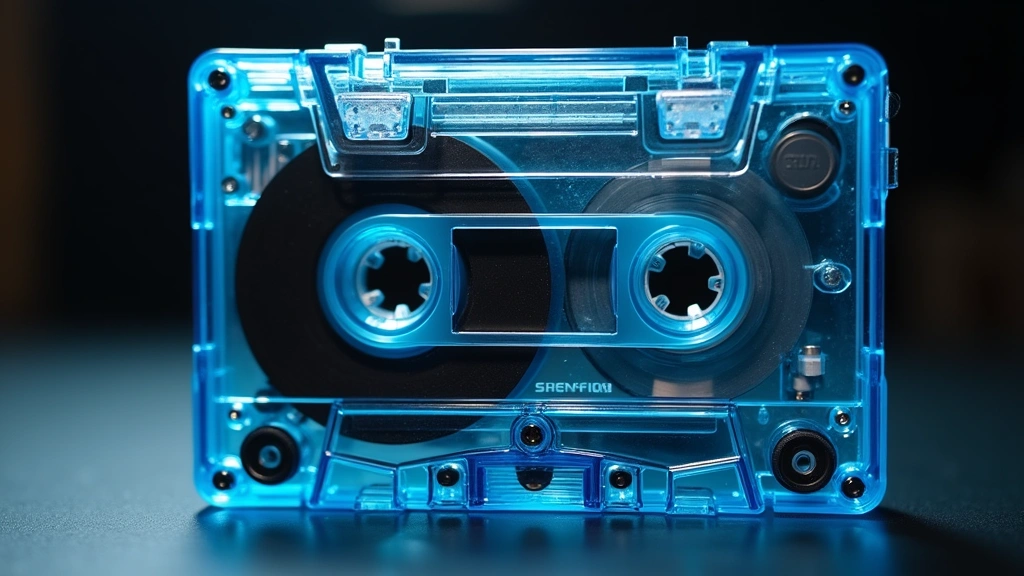
The aesthetic of 1990s tech was equally distinctive. Bold primary colors, geometric forms, and visible mechanical elements characterized the industrial design of this period. Transparent plastic casings revealed inner workings, LCD screens displayed essential information without flashy animations, and physical buttons provided tactile feedback. This design language created an immediate emotional connection between users and their devices, a quality that modern minimalist design sometimes sacrifices for sleekness.
Which 1990s Gadgets Are Making a Comeback
Several categories of 1990s technology are experiencing remarkable resurgences in today’s market. Understanding which devices are returning can help us identify broader patterns in consumer preferences and technological evolution.
Portable Music Players: The most visible retro tech revival centers on personal audio devices. The Sony Walkman brand has launched new cassette and digital models that blend 1990s aesthetics with modern connectivity. Vintage Walkmans, particularly rare variants, sell for hundreds or thousands of dollars on platforms like eBay and specialist collector sites. Tech enthusiasts are rediscovering the charm of physical media, with vinyl records and cassette tapes achieving sales growth for the first time in decades.
Flip Phones: Samsung’s Galaxy Z Flip series and the revival of Motorola’s RAZR line demonstrate that foldable phones intentionally echo 1990s flip phone design. These modern interpretations combine nostalgic form factors with cutting-edge display technology, proving that retro aesthetics can enhance contemporary functionality. The physicality of opening and closing a phone provides satisfying mechanical feedback absent in slab-style smartphones.
Mechanical Keyboards: The mechanical keyboard renaissance represents perhaps the most successful retro tech comeback. Gamers and productivity enthusiasts have abandoned laptop chicklet keyboards in favor of mechanical switches with audible clicks and tactile feedback reminiscent of 1990s office keyboards. Brands like Cherry MX, Corsair, and Razer have built thriving markets around this technology, with enthusiasts collecting rare switch variants and custom keycaps.
CRT Monitors: Specialized communities of retro gaming enthusiasts actively seek out cathode-ray tube monitors for authentic 1990s gaming experiences. These displays render pixel art and older games with visual characteristics impossible to replicate on modern LCD screens. The specific geometry, color reproduction, and refresh rate characteristics of CRTs have become desirable features rather than obsolete annoyances.
Pagers and Beepers: Unexpectedly, pagers have found renewed interest among certain demographics, particularly healthcare workers and urban professionals who appreciate their reliability and battery life. Modern pagers operate on dedicated networks less prone to congestion than cellular systems, offering advantages that younger users never experienced.
Why Retro Tech Appeals to Modern Consumers
The appeal of 1990s technology extends beyond simple nostalgia. Several substantive factors drive contemporary consumers toward retro gadgets, revealing important truths about modern technology’s limitations.
Intentional Design and Simplicity: 1990s gadgets were designed for specific purposes without the pressure to multitask or integrate with broader ecosystems. A Discman played CDs. A Game Boy played games. This focus created intuitive user experiences requiring minimal learning curves. Contemporary users fatigued by smartphone complexity increasingly appreciate devices that do one thing exceptionally well. The technology landscape has become increasingly complicated, making simpler solutions feel refreshing.
Durability and Repairability: Modern electronics face criticism for planned obsolescence and unrepairable designs. In contrast, 1990s gadgets often feature user-replaceable batteries, modular components, and straightforward repair procedures. A teenager could replace a Walkman’s battery or a Game Boy’s screen without specialized tools. This repairability appeals to environmentally conscious consumers and those frustrated by devices that become unusable when a single component fails. The right-to-repair movement explicitly references 1990s technology as a model for sustainable manufacturing.
Reduced Digital Surveillance: 1990s gadgets operated without constant data collection or cloud connectivity. Your Walkman didn’t track listening habits or serve targeted advertisements. This privacy advantage resonates with users concerned about corporate surveillance and data harvesting. Retro devices offer a form of digital privacy that modern connected gadgets cannot match.
Aesthetic Preferences: The visual language of 1990s design has become fashionable again. Transparent plastic, bold colors, visible mechanical elements, and compact form factors appeal to contemporary design sensibilities. This represents a reaction against the homogeneous minimalism dominating tech design for the past decade. Brands recognize this trend, incorporating retro elements into contemporary products.
Tactile Feedback and Physical Interaction: Modern touchscreen interfaces, while efficient, lack the physical feedback that mechanical devices provide. Pressing mechanical buttons, adjusting physical dials, and hearing satisfying mechanical clicks create more engaging user experiences than swiping glass screens. This tactile dimension contributes to the appeal of retro gadgets, particularly among users who spend excessive time with contemporary smartphones.
Nostalgic Design Meets Modern Innovation
The most successful retro tech products combine 1990s aesthetic elements with contemporary technology, creating hybrid devices that satisfy both nostalgic desires and modern functional requirements.
The Samsung Galaxy Z Flip exemplifies this approach. Its foldable screen mechanism and modern processing power appeal to contemporary users, while its flip form factor evokes the beloved Razr phones of the 2000s and earlier flip phones of the 1990s. Similarly, the revived Motorola RAZR incorporates modern 5G connectivity and displays within a design language faithful to the original’s proportions and color schemes.
Teenage Engineering’s portable synthesizers and music production devices combine minimalist industrial design with powerful modern sound synthesis capabilities. These devices deliberately reference 1990s calculator-style interfaces while delivering sophisticated audio production tools. Consumers appreciate both the nostalgic visual language and the contemporary functionality.
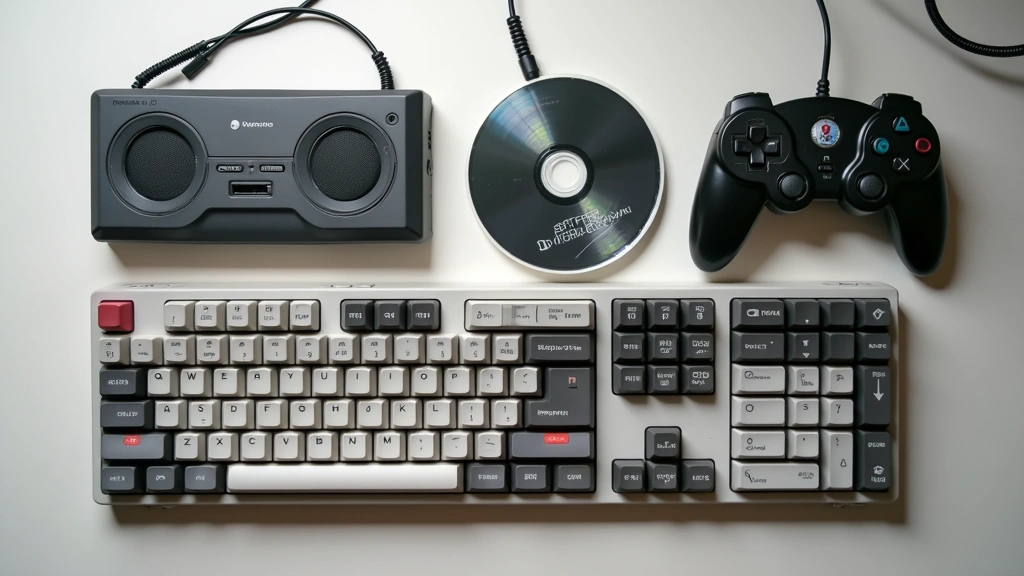
Modern mechanical keyboard manufacturers have achieved remarkable success by offering switches and designs inspired by 1990s office keyboards while incorporating modern materials, wireless connectivity, and RGB lighting. This allows users to recapture the typing experience of vintage keyboards while enjoying contemporary convenience features. According to The Verge’s extensive keyboard reviews, mechanical keyboards have captured significant market share from traditional laptop keyboards.
The retro gaming community has driven development of modern emulation systems that faithfully reproduce 1990s gaming experiences. Devices like the Analogue 5 use contemporary semiconductor technology to authentically render vintage game consoles without emulation software, satisfying purist collectors who demand perfect visual and audio reproduction. CNET’s gaming hardware coverage frequently highlights how retro gaming devices continue advancing.
The Sustainability Angle of Vintage Gadgets
Beyond nostalgia, the retro tech revival serves important sustainability purposes. Modern consumer electronics contribute significantly to e-waste, with millions of devices discarded annually despite containing valuable materials and functional components. Retro gadgets offer an alternative to this consumption cycle.
Vintage 1990s devices represent already-manufactured products; purchasing them removes the environmental cost of new manufacturing. Every used Walkman purchased instead of a new portable speaker saves the resources, energy, and manufacturing emissions required to produce contemporary alternatives. This circular economy approach appeals to environmentally conscious consumers who view vintage tech purchases as preferable to constant upgrades.
The durability of 1990s technology means that devices manufactured three decades ago remain fully functional today. A well-maintained Game Boy from 1989 works identically to its original condition, while a smartphone from 2015 likely faces obsolescence from software support limitations. This longevity makes retro devices inherently more sustainable than modern electronics designed for shorter lifespans.
The repair and maintenance of older computing devices represents another sustainability benefit. Enthusiasts actively restore and repair vintage gadgets, extending their functional lives indefinitely. This contrasts sharply with contemporary electronics where manufacturer restrictions prevent user repairs and parts availability disappears quickly.
Specialized communities dedicated to retro tech restoration have emerged online, sharing knowledge about maintaining, repairing, and upgrading vintage devices. These communities embody circular economy principles, preventing functional hardware from entering landfills and promoting alternative consumption patterns.
Challenges in the Retro Tech Market
Despite the retro tech revival’s momentum, significant challenges complicate the market for vintage gadgets. Understanding these obstacles provides realistic perspective on the movement’s limitations and future trajectory.
Supply Constraints: 1990s gadgets were manufactured decades ago in finite quantities. As collectors acquire rare variants, supply dwindles while demand increases, creating artificial scarcity. Original Sony Walkmans in mint condition command premium prices precisely because finding unused examples becomes increasingly difficult. This supply limitation prevents mass adoption of retro technology and relegates many vintage devices to collector status rather than practical daily-use items.
Compatibility Issues: Modern digital infrastructure often incompatibly connects to 1990s devices. Cellular networks have discontinued support for older mobile phone standards, rendering vintage phones unable to connect to data networks. Cloud services have eliminated support for devices running obsolete operating systems. These compatibility gaps limit the practical utility of many retro gadgets in contemporary contexts.
Battery and Component Degradation: Despite their durability, 1990s gadgets inevitably experience battery degradation and component failure after decades of operation. Original rechargeable batteries in vintage devices often fail to hold charges. Capacitors in old circuitry develop electrical leaks. While enthusiasts can replace these components, restoration requires specialized knowledge and sourcing compatible parts from an increasingly limited supply chain.
Environmental Considerations of Manufacturing: While purchasing vintage devices avoids new manufacturing emissions, it doesn’t address the environmental impact of original production. Early 1990s electronics manufacturing involved less environmental regulation than contemporary standards, and some devices contain materials or components now recognized as hazardous. This complexity complicates the sustainability narrative around retro tech.
Market Inflation and Speculation: As retro tech has gained cultural prominence, prices have inflated significantly. Collectors and speculators now bid up prices for rare variants, creating a market increasingly detached from practical utility. A Discman that cost $200 in 1995 dollars now sells for thousands as a collector’s item. This inflation excludes casual enthusiasts interested in experiencing retro technology without investment-grade commitment.
The Future of Retro Tech Revival
The retro tech movement will likely evolve significantly in coming years, shaped by broader technological and cultural trends. Several trajectories seem probable based on current market dynamics and consumer behavior.
Mainstream Adoption of Retro Aesthetics: Manufacturers increasingly incorporate retro design elements into mainstream products. This trend will likely accelerate, with contemporary devices deliberately featuring 1990s visual language. However, this mainstream adoption risks diluting the authenticity that appeals to dedicated retro enthusiasts, potentially creating a bifurcated market between authentic vintage devices and retro-styled contemporary products.
Specialized Niches Rather Than Mass Movement: The retro tech revival will probably remain primarily a specialized interest rather than becoming mainstream practice. Most consumers will continue preferring contemporary devices for daily use, while dedicated communities maintain enthusiasm for authentic vintage technology. This segmentation mirrors other collecting hobbies, where passionate minorities drive market activity while broader populations remain unengaged.
Hybrid Products Combining Retro and Modern: Manufacturers will continue developing products that blend 1990s design language with contemporary functionality. The success of devices like the Galaxy Z Flip suggests this hybrid approach satisfies larger markets than purely vintage devices. Expect continued development of foldable phones, retro-styled audio devices, and computing equipment that references 1990s design while incorporating modern capabilities.
Documentation and Preservation: As original 1990s technology ages, documentation and preservation efforts will become increasingly important. Museums, archives, and online communities are already cataloging vintage devices, repair procedures, and manufacturing specifications. This preservation work ensures that future generations can understand and appreciate 1990s technology even as physical examples become scarcer.
The evolution of computing devices will continue incorporating lessons from retro technology, particularly regarding durability and repairability. The right-to-repair movement explicitly references 1990s devices as models for sustainable manufacturing, suggesting that future technology might incorporate more retro principles than contemporary gadgets.
Integration with Digital Minimalism: The retro tech revival aligns with broader digital minimalism trends, where users deliberately limit technology consumption and smartphone usage. As this movement grows, demand for single-purpose 1990s-style devices will likely increase. Consumers seeking to reduce screen time and digital distraction will increasingly appreciate devices designed before the smartphone era.
Understanding the retro tech revival requires recognizing it as more than mere nostalgia. It represents genuine critiques of contemporary technology’s complexity, sustainability challenges, and surveillance capitalism. While most users will continue preferring modern devices, the insights from retro technology—regarding durability, simplicity, and user agency—will increasingly influence future design and manufacturing practices. The 1990s gadgets making a comeback serve as reminders that technological progress isn’t always linear, and that older approaches sometimes contain valuable lessons for contemporary design challenges. For those interested in exploring this movement, understanding how technology has evolved provides valuable context for appreciating vintage devices.
FAQ
Why are 1990s gadgets becoming popular again?
1990s technology appeals to modern consumers for several reasons: simplicity and single-purpose design, superior durability compared to contemporary devices, reduced digital surveillance, tactile feedback from mechanical components, and distinctive aesthetic appeal. Additionally, sustainability concerns drive interest in purchasing functioning vintage devices rather than manufacturing new electronics.
Are 1990s gadgets practical for daily use?
Authentic 1990s gadgets face significant practical limitations in contemporary contexts, including incompatibility with modern networks, battery degradation, and lack of contemporary connectivity features. However, hybrid products combining retro design with modern functionality—like foldable phones and mechanical keyboards—successfully integrate retro aesthetics with practical contemporary use.
Where can I find authentic 1990s gadgets?
Specialized collectors source vintage technology through eBay, dedicated retro tech websites, local electronics repair shops, estate sales, and online communities focused on specific devices. Prices vary dramatically based on condition, rarity, and market demand. Authentic examples in excellent condition command premium prices, while functional but cosmetically worn devices cost significantly less.
How do I maintain and repair vintage devices?
Online communities dedicated to specific devices provide extensive resources for maintenance and repair. Common procedures include battery replacement, cleaning internal components, recalibrating mechanical elements, and replacing degraded capacitors. Specialized suppliers now offer replacement batteries and components for popular retro devices, though sourcing parts for obscure models remains challenging.
Is buying retro tech sustainable?
Purchasing functioning vintage devices avoids manufacturing emissions associated with new electronics production and extends device lifespans, contributing to circular economy principles. However, the sustainability benefit depends on actually using the device rather than acquiring it as a collector’s item. Additionally, older manufacturing processes involved less environmental regulation than contemporary standards.
Will retro tech become mainstream again?
Complete mainstream adoption of authentic 1990s technology seems unlikely, as contemporary devices offer genuine functional advantages. However, retro design elements will continue influencing mainstream products, and dedicated communities will maintain enthusiasm for authentic vintage devices. The movement will likely remain a specialized interest rather than achieving mass adoption.
How does artificial intelligence and modern technology compare to 1990s gadgets?
Contemporary devices offer vastly greater computational power, connectivity, and functionality compared to 1990s technology. However, 1990s gadgets provide superior durability, repairability, privacy, and simplicity. The comparison reveals trade-offs between capability and complexity, suggesting that future technology might beneficially incorporate more 1990s principles regarding durability and user agency.


