80s Tech Gadgets: Are They Making a Comeback?
The 1980s represent a golden era of technological innovation that shaped the digital landscape we inhabit today. From the first personal computers to iconic gaming consoles, 80s tech gadgets captured the imagination of millions and established design principles that still resonate decades later. Today, we’re witnessing an unexpected renaissance of these vintage devices, as nostalgia merges with modern functionality to create a unique market segment that appeals to both collectors and everyday consumers.
What makes this revival particularly fascinating is that it’s not merely about preserving history—it’s about reimagining how retro aesthetics can complement contemporary technology. Whether you’re interested in understanding this cultural phenomenon or looking to invest in classic gadgets, this comprehensive guide explores the devices that defined an era and examines why they’re experiencing renewed interest in 2025.
The Original Icons: What Made 80s Tech Revolutionary
The 1980s introduced several groundbreaking devices that fundamentally transformed how people worked, entertained themselves, and communicated. The Commodore 64, released in 1982, became the best-selling single computer model of all time, democratizing computing by making powerful machines accessible to average households. Its successor, the Commodore Amiga, pushed graphical capabilities to unprecedented levels and influenced design standards across the industry.
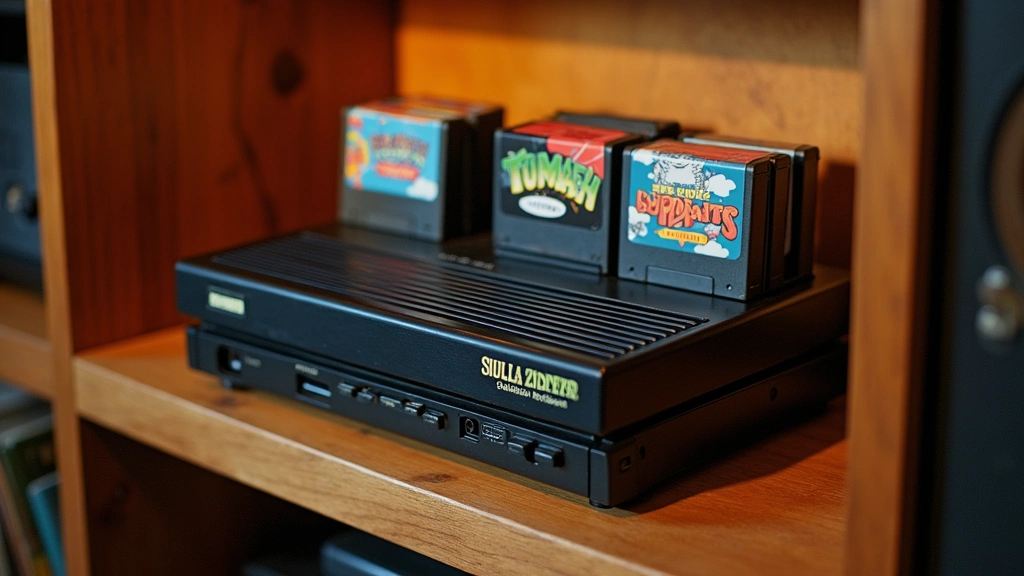
The gaming sector experienced explosive growth with the Nintendo Entertainment System (NES) arriving in 1983 as a revolutionary console that revitalized the entire video game industry after the 1983 crash. The Atari 2600 and Sega Genesis became household fixtures, while handheld gaming was forever changed by the Game Boy‘s 1989 release, which established Nintendo’s dominance in portable gaming that persists today.
Portable audio technology evolved dramatically with devices like the Sony Walkman, which introduced the concept of personal, on-the-go music consumption. These weren’t just gadgets—they were lifestyle products that defined social interactions and cultural moments. The VCR transformed home entertainment by enabling time-shifted viewing, while early cordless phones and answering machines revolutionized communication accessibility.
Understanding how technology continues transforming our future requires appreciating these foundational innovations that shaped modern computing paradigms.
Why Nostalgia Is Driving the 80s Tech Revival
The resurgence of 80s tech gadgets isn’t accidental—it’s a calculated response to several interconnected cultural and technological trends. Millennial and Gen X consumers, who grew up during this era, now possess disposable income and purchasing power, making them prime targets for nostalgia-driven marketing. This demographic actively seeks authentic experiences connected to their childhoods, viewing retro gadgets as tangible links to simpler technological times.
There’s also a growing countermovement against the sterile, minimalist design language that dominates contemporary consumer electronics. The bold colors, distinctive shapes, and tactile interfaces of 80s devices offer visual and functional distinctiveness in an age of homogenized black rectangles. People increasingly crave devices with personality, and vintage 80s gadgets deliver exactly that.
The aesthetic has permeated popular culture extensively. Television shows like Stranger Things have introduced 80s tech to younger generations unfamiliar with the original era, creating secondary waves of interest. Social media platforms have amplified this trend, with dedicated communities sharing restoration projects, collection showcases, and historical documentation of vintage gadgets.
Furthermore, the sustainability movement has made vintage technology increasingly appealing. Rather than consuming new electronics, environmentally conscious consumers appreciate the durability and repairability of 80s devices, many of which still function perfectly decades after manufacture. This aligns with broader concerns about sustainable technology practices and responsible consumption.
” alt=”Vintage 80s gaming console with colorful cartridges displayed on wooden shelf, warm lighting highlighting retro aesthetic and original branding details” />
Modern Recreations and Hybrid Devices
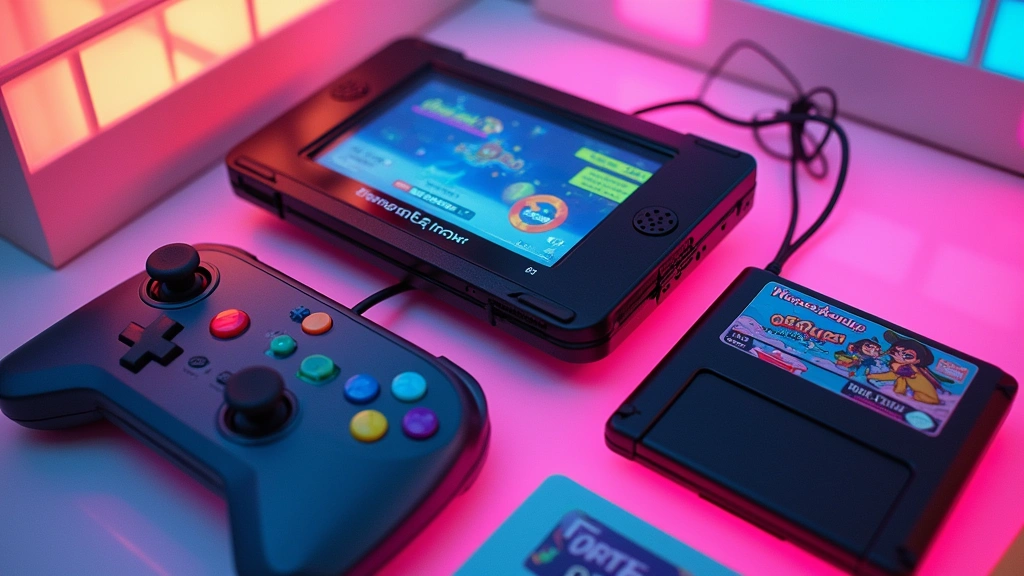
Recognizing market demand, manufacturers have invested heavily in recreating 80s gadgets with modern functionality. Nintendo’s NES Classic Edition and SNES Classic deliver authentic retro gaming experiences with pre-loaded libraries of classic titles, achieving critical and commercial success. These hybrid devices maintain original aesthetic design while incorporating modern conveniences like HDMI connectivity and wireless controllers.
Companies like Teenage Engineering have created entirely new devices inspired by 80s design principles, blending retro aesthetics with contemporary features. The OP-1 synthesizer exemplifies this approach—its distinctive design echoes 80s portable music devices while incorporating cutting-edge sound synthesis capabilities.
The Victrola brand has revitalized record players with built-in Bluetooth speakers and modern construction while maintaining classic styling. Similarly, Fujifilm’s Instax line reimagines instant photography by combining digital convenience with physical prints, capturing the essence of 80s Polaroid culture for modern consumers.
Keyboard manufacturers have embraced mechanical switches with retro styling, recognizing that many users prefer the tactile feedback and distinctive aesthetics of 80s computer keyboards over contemporary flat designs. This represents a significant shift in consumer preferences toward functional design elements that prioritize user experience over minimalism.
When evaluating modern alternatives, it’s worth comparing specifications with contemporary devices discussed in our guide about best laptops available today, which highlights how far computing technology has advanced while retaining some design philosophies from earlier eras.
Collecting 80s Gadgets: Investment and Authenticity
The collector’s market for authentic 80s tech has matured significantly, with rare and well-preserved devices commanding premium prices. Sealed original packaging dramatically increases value, with some NES games and consoles selling for thousands of dollars at auction. However, authentication remains critical—the proliferation of counterfeit vintage devices requires careful evaluation before purchasing.
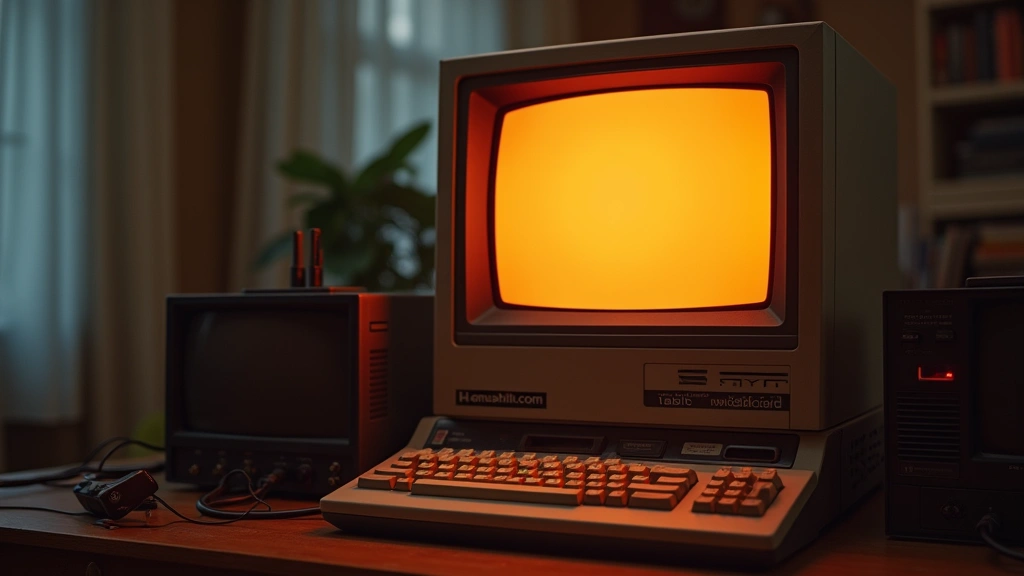
Serious collectors focus on condition grading, considering factors like cosmetic appearance, functionality, original accessories, and documentation. A complete 80s computer system with original manuals, cables, and packaging is substantially more valuable than a unit missing components. The Commodore 64 market exemplifies this—pristine examples with original peripherals fetch significantly higher prices than standard units.
Investment potential varies considerably. While rare prototypes and limited-production variants appreciate substantially, common devices depreciate or maintain value depending on market trends. The most prudent approach involves collecting items with genuine personal significance rather than purely speculative investment, though historically, 80s tech has proven relatively stable in value.
Platforms like eBay, specialized forums, and dedicated auction houses facilitate buying and selling. However, prices fluctuate based on condition, rarity, and current market sentiment. Joining collector communities provides invaluable knowledge about fair pricing, authentication techniques, and market trends that inform purchasing decisions.
Understanding the broader landscape of technology collecting and trends helps contextualize 80s gadgets within the larger collector ecosystem.
The Design Philosophy Behind Retro Appeal
80s design fundamentally differed from contemporary approaches, emphasizing bold geometric shapes, vibrant color palettes, and tactile materiality. Devices featured satisfying physical buttons, visible mechanical components, and distinctive industrial design that conveyed functionality through form. This contrasts sharply with modern minimalist aesthetics that prioritize thinness and concealed technology.
The skeuomorphic design prevalent in 80s gadgets—where digital devices referenced physical counterparts—created intuitive user interfaces before touchscreens became ubiquitous. Computer interfaces displayed file cabinets and trash cans because users understood these physical metaphors. This design philosophy, though later abandoned for flatter aesthetics, is experiencing renewed appreciation.
Material choices reflected the era’s optimism about plastics and synthetics. Bright ABS plastic housings, chrome accents, and rubberized buttons created products that felt premium while remaining affordable. These materials aged gracefully, and many 80s devices display character through patina that newer plastic products lack.
The ergonomic considerations built into 80s devices often surpassed contemporary products. Game controllers featured substantial grips, keyboards provided satisfying key travel, and portable devices balanced portability with usability. Modern ultra-thin designs sometimes sacrifice functionality for aesthetics—a tradeoff that many users increasingly question.
This design philosophy connects to broader discussions about maintaining and optimizing technology performance, as 80s devices often prioritized durability and repairability in ways contemporary electronics increasingly abandon.
Where to Find Authentic 80s Tech
Locating genuine 80s gadgets requires knowing where to search and understanding pricing expectations. Local estate sales frequently yield unexpected treasures, often priced reasonably by sellers unfamiliar with collector values. Visiting retirement communities during estate liquidation events can reveal remarkable finds at fraction of market rates.
Retro gaming stores and specialized vintage electronics shops offer curated selections with authentication and condition guarantees. These retailers typically price items above casual market rates but provide reliability and expertise that justify premiums. Many offer restoration services, transforming non-functional devices into operational pieces.
Online marketplaces like eBay provide extensive selections but require vigilance regarding authenticity and seller reputation. Successful online purchasing depends on understanding market prices, recognizing condition variations, and carefully evaluating seller feedback. Auction sites occasionally feature exceptional deals when undervalued items attract limited bidding.
Specialized forums and Facebook groups connect collectors actively trading and selling 80s technology. Community members often provide fair pricing and detailed condition descriptions, creating trustworthy transaction environments. These communities also facilitate knowledge sharing about restoration techniques and market trends.
Thrift stores and secondhand shops occasionally stock 80s gadgets at bargain prices, though finding desirable items requires persistence and regular visits. The unpredictability of inventory appeals to some collectors who enjoy the treasure-hunting aspect of vintage technology acquisition.
Understanding the broader evolution of consumer technology provides context for appreciating where 80s devices fit within technological history.
” alt=”Restored vintage 80s computer setup with original peripherals, displaying warm amber monochrome monitor screen against neutral background with atmospheric lighting” />
Comparing Vintage vs. Contemporary Alternatives
When considering whether to invest in authentic 80s tech or modern recreations, several factors merit evaluation. Authentic devices provide genuine historical artifacts with character that reproductions struggle to replicate. However, they require careful maintenance, may have limited functionality by modern standards, and often lack contemporary conveniences.
Modern recreations offer practical advantages—wireless connectivity, improved durability through updated materials, and enhanced functionality. Nintendo’s Classic Edition consoles, for example, provide curated game selections with save-state functionality impossible on original hardware. Yet they sacrifice the authenticity and investment potential of genuine vintage devices.
Hybrid approaches work well for specific use cases. Using a restored 80s computer for retro gaming provides authentic experiences while modern laptops handle productivity tasks. A vintage Walkman becomes a decorative collectible while smartphones handle actual music consumption. This balanced approach satisfies nostalgia without compromising practical functionality.
The cost differential significantly impacts decisions. Authentic 80s devices range from affordable ($20-$100 for common items) to extremely expensive ($5,000+ for rare collectibles). Modern recreations typically cost $50-$300, positioning them as accessible entry points for consumers interested in retro aesthetics without collector-level investment.
Performance comparisons reveal dramatic improvements in contemporary technology. Modern computers execute millions of operations per second compared to 80s machines’ thousands. Yet for specific applications—particularly retro gaming or vintage programming exploration—80s hardware provides authentic experiences unavailable through emulation alone.
The decision ultimately depends on personal priorities. Collectors prioritize authenticity and investment potential. Casual enthusiasts often prefer modern recreations offering retro aesthetics with contemporary reliability. Understanding these distinctions helps inform purchasing decisions aligned with individual goals.
FAQ
What 80s tech gadgets are most valuable to collectors?
Rare gaming consoles, particularly sealed Nintendo Entertainment Systems and uncommon Atari cartridges, command premium prices. Limited-production computers like the original Macintosh and Commodore Amiga systems in excellent condition also appreciate significantly. Sealed video games consistently rank among the most valuable 80s tech collectibles, with certain titles exceeding $10,000 at auction.
Are 80s gadgets still functional after decades?
Many 80s devices remain fully operational, as manufacturers prioritized durability and repairability. However, component degradation—particularly capacitors in power supplies—requires attention. Mechanical components like keyboards and game controllers often outlast contemporary alternatives. Professional restoration services can revive non-functional units to original specifications.
Should I invest in authentic 80s tech or modern recreations?
This depends on your goals. Authentic devices offer investment potential, historical value, and genuine artifacts but require maintenance and limited practical functionality. Modern recreations provide affordability, reliability, and contemporary features while sacrificing authenticity. Many collectors maintain both for different purposes.
Where can I verify authenticity of 80s gadgets?
Examine serial numbers, manufacturing dates, and packaging details against known specifications. Join collector communities for authentication assistance. Research variations by production year and region, as manufacturers released different versions. Professional authentication services exist for high-value items. Reputable sellers provide detailed condition reports and return policies supporting authenticity claims.
What factors determine 80s tech gadget values?
Condition grading critically impacts value—mint condition items command premiums over well-used examples. Original packaging, complete accessories, and documentation significantly increase prices. Rarity, production quantities, and historical significance influence valuations. Current market demand fluctuates based on cultural trends and collector interest. Functionality, while important, matters less than condition for collectible items.
How should I store and maintain vintage 80s devices?
Store devices in climate-controlled environments with stable temperature and humidity levels. Avoid direct sunlight that fades plastic housings. Use anti-static protection when handling circuit boards. Periodically run devices to prevent capacitor degradation. Clean exterior surfaces with appropriate materials avoiding harsh chemicals. For long-term storage, remove batteries to prevent corrosion. Document condition with photographs for insurance and authentication purposes.