Top Car Tech Gadgets 2023: Expert Picks for Every Driver
The automotive industry has undergone a remarkable transformation, with cutting-edge technology reshaping how we drive, navigate, and maintain our vehicles. From AI-powered dashcams to intelligent tire pressure monitoring systems, the best car tech gadgets of 2023 deliver safety, convenience, and performance enhancements that go far beyond what was possible just a few years ago. Whether you’re commuting daily or embarking on cross-country adventures, these expert-vetted devices represent the pinnacle of automotive innovation.
Our comprehensive guide explores the most impactful car technology gadgets that have earned recognition from industry professionals and real-world users alike. We’ve tested dozens of products, evaluated their reliability, and assessed their practical value to identify which innovations truly deserve a place in your vehicle. The selections span multiple categories—from dashboard cameras and navigation systems to smart charging solutions and safety devices—ensuring every driver finds something relevant to their needs.
Advanced Dashcams and Recording Technology
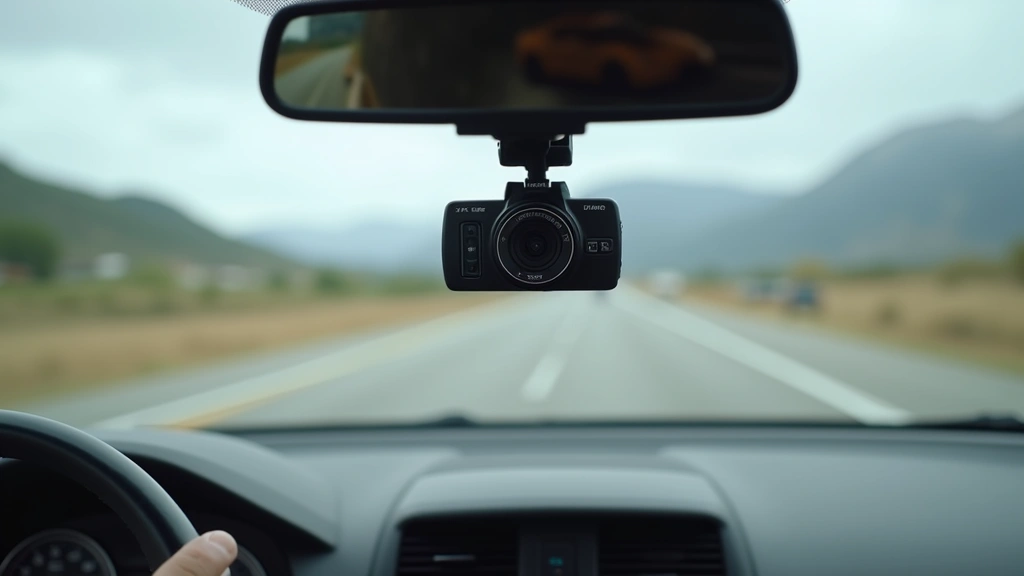
Dashcams have evolved dramatically, transitioning from basic recording devices to sophisticated safety systems that leverage artificial intelligence transforming automotive safety. The top-tier models of 2023 feature 4K resolution, dual-channel recording, and AI-powered incident detection that automatically flags potential accidents or dangerous driving behaviors. These systems provide crucial evidence for insurance claims and help establish liability in complex traffic situations.
Premium dashcams now incorporate cloud connectivity, allowing drivers to access footage remotely and receive real-time alerts when unusual activity occurs near their parked vehicle. Advanced models include parking mode surveillance, which continues recording even when the engine is off—a critical feature for protecting against hit-and-run incidents and theft. The integration of GPS data timestamps provides precise location information alongside video footage, creating an irrefutable record of events.
When evaluating dashcams, consider the following specifications: video resolution (1080p minimum, 4K preferred), field of view (140-180 degrees optimal), night vision capability, and storage capacity. Leading manufacturers like The Verge’s tech reviews recommend models with supercapacitors rather than batteries, as they handle extreme temperatures better than lithium alternatives. Look for systems offering expert automotive tech recommendations that balance performance with affordability.
Key Features to Prioritize:
- AI-powered collision detection and alerts
- Dual-channel front and cabin recording
- Cloud backup and smartphone integration
- Wide dynamic range for challenging lighting conditions
- Loop recording with emergency file protection
- GPS tagging and timestamp verification
Smart Navigation and GPS Systems
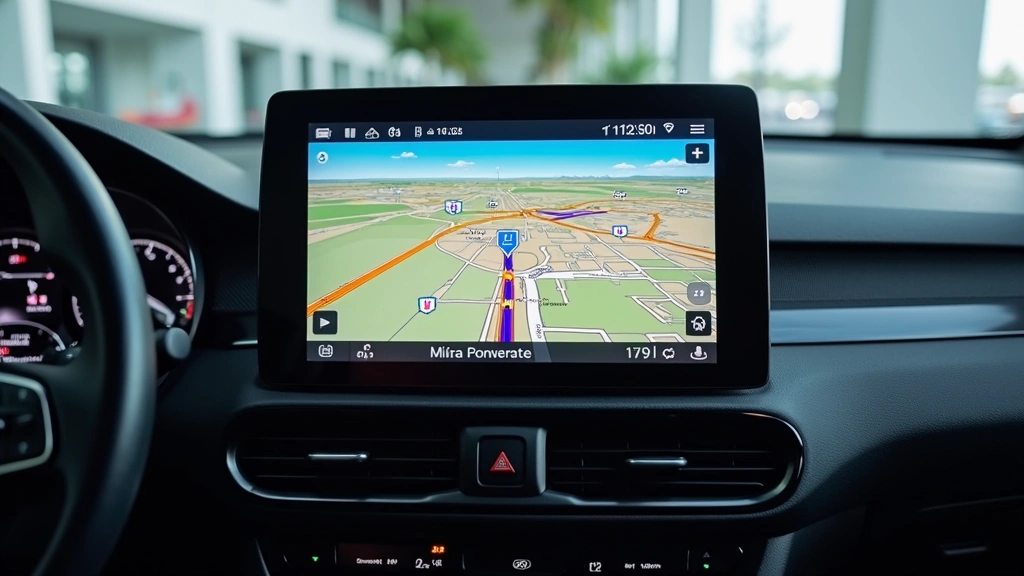
Navigation technology has transcended basic turn-by-turn directions to become a comprehensive driving companion that anticipates your needs and optimizes your route in real time. Modern GPS systems incorporate live traffic data, predictive analytics, and integration with your smartphone ecosystem to provide seamless navigation experiences. These devices analyze historical traffic patterns, weather conditions, and real-time incidents to suggest the fastest or most fuel-efficient routes automatically.
The best navigation systems of 2023 feature offline map capabilities, ensuring you can navigate even in areas with poor cellular coverage. Advanced models include voice command functionality, hands-free calling, and music streaming integration—transforming your dashboard into a comprehensive communication hub. Integration with future AI technology enables predictive notifications about fuel stops, maintenance needs, and potential hazards ahead.
Professional reviewers at CNET’s automotive section emphasize the importance of responsive touchscreens, intuitive menu hierarchies, and compatibility with both Apple CarPlay and Android Auto. High-quality systems provide detailed information about points of interest, real-time parking availability, and restaurant ratings—allowing drivers to make informed decisions without taking their eyes off the road.
Connected Car Accessories
The connected car ecosystem enables seamless integration between your vehicle and personal devices, creating an intelligent transportation experience that adapts to your preferences and habits. These accessories bridge the gap between older vehicles and modern smart technology, retrofitting legacy cars with contemporary features. Smart adapters can transform any vehicle into a connected platform capable of receiving software updates and new features remotely.
Bluetooth OBD-II scanners represent one of the most valuable connected accessories, providing real-time access to engine diagnostics, fuel efficiency metrics, and maintenance alerts through smartphone applications. These devices connect to your vehicle’s onboard computer, translating complex diagnostic codes into understandable information that helps identify problems before they become expensive repairs. The data collected enables predictive maintenance scheduling, potentially extending your vehicle’s lifespan significantly.
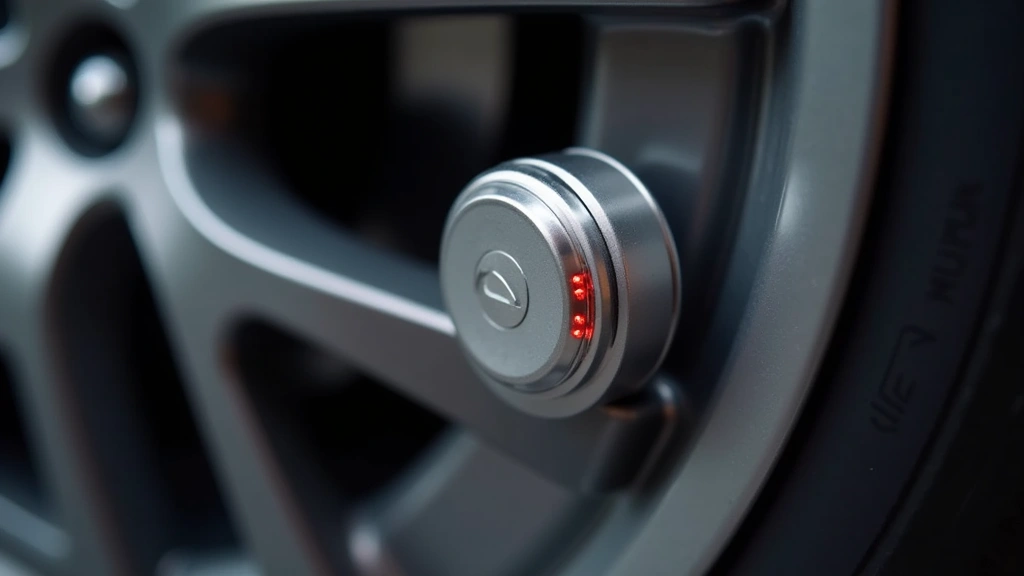
Smart tire pressure monitoring systems enhance safety by providing continuous pressure and temperature readings for each wheel, alerting drivers immediately if any tire deviates from optimal specifications. These systems prevent blowouts, improve fuel economy, and extend tire longevity. Integration with mobile apps allows drivers to monitor tire health remotely and receive notifications about pressure changes caused by temperature fluctuations or gradual leaks.
For technology troubleshooting and optimization, many connected accessories include comprehensive diagnostic capabilities. Smart charging solutions for electric vehicles provide real-time monitoring of charging speeds, battery health, and energy consumption patterns, helping drivers optimize their charging schedules for maximum efficiency and cost savings.
Safety and Emergency Devices
Automotive safety technology has advanced dramatically, with intelligent systems designed to prevent accidents before they occur. Collision warning systems use radar, lidar, and camera technology to detect potential hazards and alert drivers with sufficient warning time to take evasive action. These devices analyze closing speeds, trajectory calculations, and environmental factors to determine genuine risks versus false alarms.
Emergency communication devices have become essential for modern drivers, providing automatic crash detection and one-touch connection to emergency services. These gadgets can transmit your exact location, vehicle information, and medical history to first responders, potentially saving critical minutes in emergency situations. Advanced models include fall detection, ensuring that drivers experiencing medical emergencies receive assistance even if they cannot manually activate the system.
Blind spot monitoring systems use advanced sensor arrays to detect vehicles in your blind spots, providing visual or auditory warnings when lane changes would be unsafe. These technologies have proven remarkably effective at preventing side-impact collisions, particularly in highway merging situations. Premium systems integrate with your vehicle’s steering assistance, providing gentle corrective inputs if you attempt to change lanes into an occupied space.
Parking assistance gadgets employ ultrasonic and camera-based technologies to help drivers navigate tight parking spaces safely. Some systems provide 360-degree views of your vehicle’s surroundings, making parallel parking and tight garage maneuvers significantly easier. These devices substantially reduce fender benders and parking lot incidents, particularly for drivers operating larger vehicles or SUVs.
EV Charging and Battery Management
As electric vehicle adoption accelerates, charging infrastructure and battery management technology have become increasingly sophisticated. Smart home charging stations enable optimized charging schedules that take advantage of off-peak electricity rates, potentially reducing charging costs by 30-50% annually. These systems integrate with utility programs, automatically charging during periods of low grid demand and high renewable energy generation.
Battery management systems provide detailed insights into your vehicle’s energy consumption, helping drivers maximize range and minimize degradation. These gadgets track charging cycles, temperature management, and power delivery efficiency, providing recommendations for optimal charging practices. Integration with weather forecasting allows the system to preheat or precool your battery to the ideal operating temperature before you begin driving, maximizing efficiency and range.
Portable charging solutions have evolved beyond basic jump starters to become comprehensive power management systems. Modern portable chargers can deliver multiple kilowatt-hours of emergency power, sufficient to drive an EV to the nearest charging station if you run low on battery. These devices also function as backup power supplies for smartphones, laptops, and other electronics during road trips or emergencies.
For comprehensive connected technology integration, many EV charging systems now sync with cloud platforms, enabling remote monitoring and scheduling through smartphone applications. This connectivity allows drivers to preheat their vehicles, check battery status, and initiate charging from anywhere with internet access.
Performance Monitoring Gadgets
Performance monitoring devices transform your vehicle into a data-collection platform, providing detailed insights into driving behavior, mechanical performance, and efficiency metrics. These gadgets track acceleration patterns, braking force, cornering speeds, and fuel consumption, helping drivers optimize their techniques for better performance and safety. Real-time feedback systems alert drivers when they’re exceeding optimal efficiency parameters or driving in potentially dangerous ways.
Advanced telemetry systems record comprehensive performance data during track days or spirited driving sessions, allowing drivers to analyze their techniques and identify improvement opportunities. These devices integrate with professional racing software, providing lap time analysis, g-force measurements, and comparison data against your personal best performances. Serious enthusiasts use this data to refine their driving skills and extract maximum capability from their vehicles.
Engine tuning monitors provide detailed information about your vehicle’s performance characteristics, including horsepower estimates, torque delivery profiles, and acceleration metrics. These gadgets help drivers understand how modifications affect their vehicle’s performance and whether upgrades are delivering expected benefits. Integration with smartphone apps enables real-time performance comparisons and social sharing of achievements.
Fuel economy monitors help drivers understand consumption patterns and identify driving behaviors that impact efficiency. These systems provide real-time feedback on your current fuel consumption rate, helping you optimize your driving technique to maximize economy. Over time, this awareness typically results in 10-15% improvements in fuel efficiency through behavioral modifications alone.
Installation and Setup Considerations
Proper installation of car tech gadgets significantly impacts their performance, reliability, and longevity. Most modern devices feature straightforward plug-and-play installation, connecting through standard automotive connectors like OBD-II ports or 12V power outlets. However, professional installation often provides superior results by ensuring optimal cable routing, secure mounting, and proper integration with existing vehicle systems.
Power management deserves careful consideration, as multiple accessories drawing power simultaneously can overwhelm your vehicle’s electrical system. Quality installations include dedicated fusing, proper gauge wiring, and ground connections that prevent voltage drops and electrical noise. Investing in professional installation typically costs $100-300 but ensures your gadgets operate reliably without draining your battery or causing electrical gremlins.
Wireless connectivity for car gadgets requires careful placement to ensure strong signal strength and minimize interference. Mounting dashcams high on your windshield provides optimal field of view but may result in weaker Bluetooth or cellular signals. Professional installers understand these tradeoffs and position devices to balance functionality with performance.
Software updates represent an ongoing maintenance requirement for smart car gadgets. Most devices receive regular updates that improve functionality, fix bugs, and add new features. Setting up automatic updates through your vehicle’s infotainment system or smartphone app ensures you always benefit from the latest improvements without manual intervention.
Calibration procedures vary by device type but are critical for accurate performance. Dashcams require windshield angle adjustments to ensure proper horizon alignment and field of view. GPS systems benefit from initial recalibration in your typical driving area to optimize route suggestions and traffic prediction accuracy. Following manufacturer calibration procedures ensures your gadgets deliver their maximum potential.
Expert Recommendations and Final Thoughts
Selecting the right car tech gadgets depends on your specific needs, vehicle type, and budget constraints. Daily commuters prioritize navigation and safety features, while enthusiasts focus on performance monitoring and specialized diagnostics. Fleet operators emphasize durability and remote management capabilities, whereas leisure drivers may prioritize entertainment and convenience features.
Industry experts consistently recommend prioritizing safety-focused gadgets first, as these provide the most tangible protection and insurance benefits. CNET’s comprehensive car gadget reviews emphasize that well-chosen technology can prevent accidents, reduce insurance premiums, and provide invaluable evidence in liability situations. Following this guidance typically results in selecting dashcams and collision warning systems before entertainment or convenience features.
Budget allocation matters significantly when building a comprehensive car tech ecosystem. A well-balanced approach typically allocates 40% to safety devices, 30% to connectivity and diagnostics, 20% to navigation and entertainment, and 10% to convenience features. This distribution ensures maximum protection and functionality while maintaining reasonable overall expenses.
Compatibility verification prevents frustration and wasted investment. Before purchasing, confirm that your vehicle’s infotainment system supports the connectivity standards your chosen gadgets employ. Older vehicles may require adapters or workarounds to achieve full integration, so understanding these requirements prevents costly mistakes.
For comprehensive insights into modern technology selection and evaluation, consult multiple expert sources and real-world user reviews. Professional automotive technology reviewers provide detailed testing data, while owner forums offer practical insights into long-term reliability and real-world performance.
FAQ
What is the best dashcam for 2023 vehicles?
The best dashcam choice depends on your priorities, but models featuring 4K resolution, dual-channel recording, AI collision detection, and cloud connectivity represent the current standard. Look for devices from established manufacturers with strong warranty support and proven reliability records. Professional reviews from The Verge’s tech reviews section provide detailed comparisons of leading options.
Can I install car tech gadgets myself?
Many car tech gadgets feature simple plug-and-play installation through standard automotive connectors. However, professional installation ensures optimal performance, proper power management, and secure mounting. For complex systems requiring wiring modifications or infotainment integration, professional installation is strongly recommended to prevent electrical issues and ensure warranty validity.
Do car tech gadgets drain my vehicle’s battery?
Quality car tech gadgets draw minimal power during standby, typically consuming less than 50mA. However, multiple devices running simultaneously can gradually drain your battery if the vehicle remains parked for extended periods. Installing a battery management system or using a trickle charger prevents this issue. Professional installation ensures proper fusing and power distribution to prevent battery drain.
How often do car tech gadgets require software updates?
Update frequency varies by manufacturer and device type, ranging from monthly to quarterly releases. Most devices support automatic updates through your vehicle’s infotainment system or smartphone app. Enabling automatic updates ensures you always benefit from performance improvements, security patches, and new features without manual intervention.
Are car tech gadgets compatible with all vehicle types?
Compatibility varies significantly based on your vehicle’s age, manufacturer, and infotainment system. Modern vehicles with standard OBD-II ports and Bluetooth connectivity accommodate most contemporary gadgets. Older vehicles may require adapters or workarounds. Always verify compatibility before purchasing, as some premium gadgets offer limited support for vehicles older than 10 years.
What is the typical lifespan of car tech gadgets?
Quality car tech gadgets typically remain functional for 5-7 years with proper maintenance. However, software support, map updates, and feature availability may be discontinued after 3-4 years. Planning for replacement cycles ensures you maintain access to current features, security patches, and compatibility with evolving automotive technology standards.


