
Top Accessibility Gadgets: Expert Insights for Inclusive Technology
The digital landscape is rapidly evolving, and accessibility technology stands at the forefront of this transformation. Whether you’re navigating challenges with vision, hearing, mobility, or cognitive processing, modern gadgets are designed to empower users and create inclusive experiences. This comprehensive guide explores the most innovative accessibility resources and devices that are reshaping how people interact with technology, ensuring that everyone can participate fully in our connected world.
As someone deeply invested in technology trends and innovations, I’ve witnessed firsthand how accessibility gadgets have evolved from niche products into mainstream solutions. These devices aren’t just helpful—they’re transformative. From screen readers to eye-tracking systems, from hearing aids with wireless connectivity to voice-controlled interfaces, the options available today are more sophisticated and user-friendly than ever before.
Vision Accessibility Gadgets: Empowering the Visually Impaired
Vision accessibility has undergone revolutionary changes in recent years. Screen readers like NVDA and JAWS have become industry standards, but the hardware innovations are equally impressive. The Freedom Scientific Focus 40 Fifth Edition represents cutting-edge braille display technology, offering 40 braille cells with wireless connectivity and extensive customization options. This device costs approximately $3,000-$4,000 but provides unparalleled access to digital content.
For those seeking more affordable alternatives, consider the HumanWare BrailleNote Touch, which combines braille input and note-taking functionality. It’s particularly valuable for students and professionals who need portable, integrated solutions. The device supports both contracted and uncontracted braille, making it versatile for different use cases.
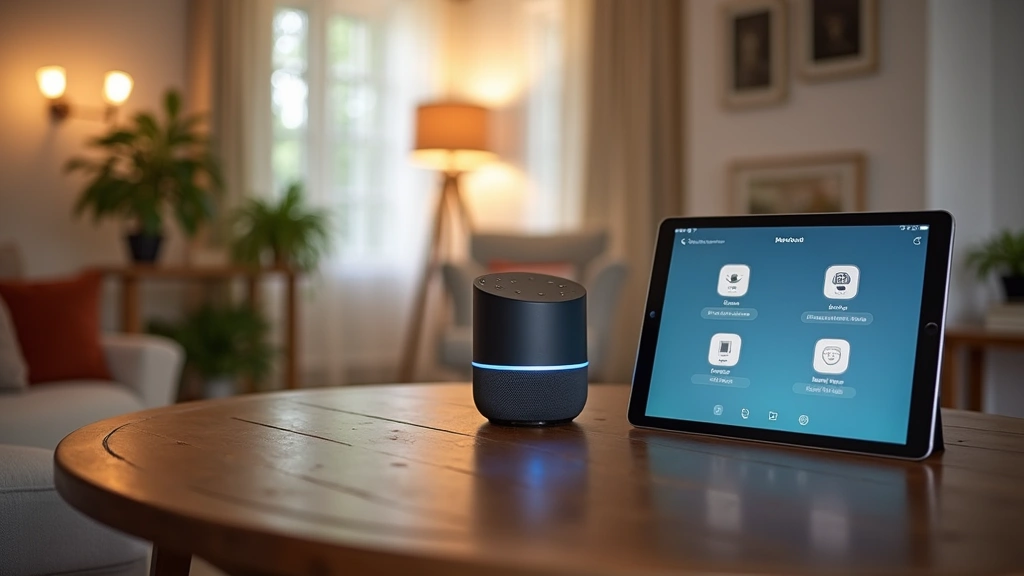
Voice-controlled interfaces have democratized accessibility significantly. Amazon Alexa, Google Assistant, and Apple Siri have built-in accessibility features that allow visually impaired users to navigate smartphones, smart speakers, and connected devices through voice commands alone. When combined with proper artificial intelligence and technology integration, these systems can describe visual content, read text aloud, and provide real-time environmental information.
Optical Character Recognition (OCR) technology has advanced dramatically. Devices like the Humanware Digit Eco can scan printed documents and convert them to digital text instantaneously, with prices starting around $500. Meanwhile, smartphone apps utilizing AI-powered OCR have made this functionality accessible to nearly everyone at minimal cost.
Eye-tracking technology represents another frontier. Systems like Tobii Dynavox allow users with severe motor disabilities to control computers through eye movements alone, with specialized software enabling communication, environmental control, and productivity tasks. While expensive (ranging from $8,000 to $20,000+), these devices provide life-changing independence for users with conditions like ALS or severe cerebral palsy.
Hearing and Audio Solutions: Advanced Auditory Technology
Modern hearing aids have transformed from simple amplification devices into sophisticated technological ecosystems. Cochlear Nucleus 8 and Oticon Real represent the pinnacle of current hearing aid technology, featuring wireless connectivity, machine learning algorithms, and direct streaming from smartphones and televisions. These premium options cost $4,000-$6,000 per pair but offer exceptional sound quality and environmental adaptation.
For budget-conscious consumers, Over-The-Counter (OTC) hearing aids have emerged as game-changers. Brands like Lexie and Lively provide FDA-approved hearing aids for $300-$1,000, delivering 80-90% of the functionality of premium devices at a fraction of the cost. This democratization has made hearing assistance accessible to millions who previously couldn’t afford treatment.
Cochlear implants remain the gold standard for severe to profound hearing loss. Modern implants like Cochlear Nucleus 8 Sound Processor offer wireless connectivity, water resistance, and compatibility with standard audio devices. The procedure costs $30,000-$60,000 but provides permanent hearing restoration for eligible candidates.
Real-time captioning has revolutionized communication accessibility. Services like CART (Communication Access Realtime Translation) and apps like Otter.ai provide instantaneous transcription of spoken content. Otter’s AI technology has become remarkably accurate, with 99% accuracy rates for clear audio, making it invaluable for meetings, lectures, and social situations.
Hearing loop systems and induction loop technology have been retrofitted into many public venues, theaters, and conference centers. These systems transmit audio directly to hearing aids, bypassing background noise and providing crystal-clear sound. Check with venues about their accessibility infrastructure—many now advertise these features prominently.
Mobility and Motor Control Devices: Enhanced Independence
Powered wheelchairs have evolved into sophisticated machines with AI-assisted navigation. The Permobil F3 Corpus features obstacle detection, terrain-adaptive suspension, and smartphone control, allowing users with limited hand function to navigate complex environments. These chairs typically cost $15,000-$30,000 but are often covered by insurance or disability programs.
For those with less severe mobility challenges, exoskeleton technology is emerging as a transformative solution. Devices like ReWalk and Ekso GT enable paraplegic users to stand and walk, promoting circulation, bone health, and psychological well-being. These devices cost $60,000-$150,000 and require professional training but represent extraordinary advances in mobility restoration.
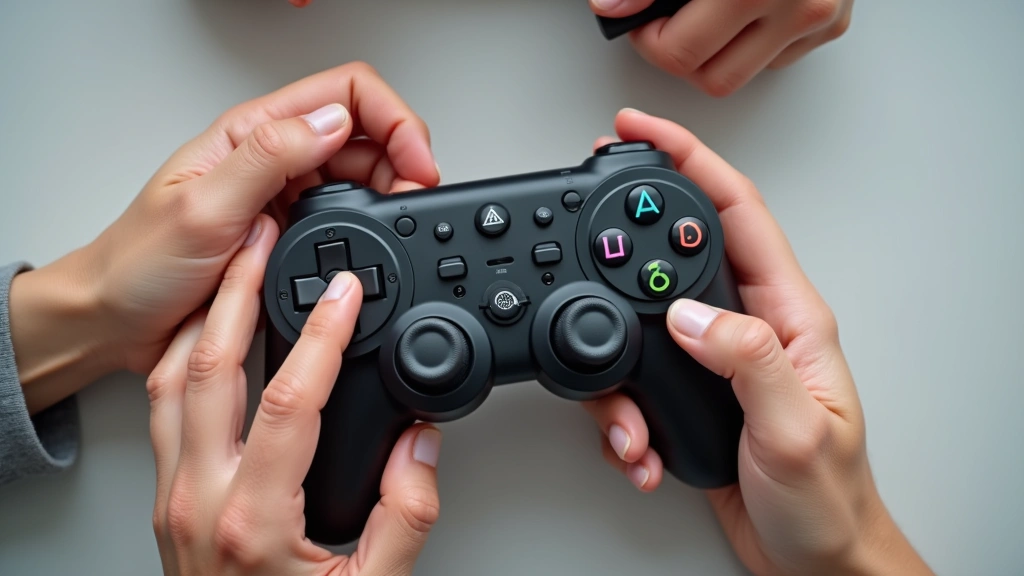
Adaptive controllers for gaming and computing have become increasingly sophisticated. The Xbox Adaptive Controller, priced at $120, features customizable buttons, triggers, and joysticks that can be arranged and configured for various disability types. This has opened gaming and entertainment to millions previously excluded from these activities. Similarly, eye-tracking gaming systems and switch-based controllers enable participation across the disability spectrum.
Voice control and gesture recognition have made computer interaction possible without traditional keyboards or mice. When paired with proper computing optimization techniques, these systems enable efficient productivity for users with upper-limb disabilities. Dragon NaturallySpeaking remains the gold standard for voice control, offering 99% accuracy and comprehensive command customization.
Cognitive Support Technologies: Mental and Developmental Accessibility
Individuals with cognitive disabilities, autism spectrum disorder, ADHD, and learning disabilities benefit enormously from specialized software and devices. JAWS and NVDA screen readers provide text-to-speech functionality that helps users with dyslexia and processing disorders manage written content more effectively.
Task management and reminder systems have become essential cognitive support tools. Devices like Amazon Echo Dot with customized routines can provide medication reminders, appointment notifications, and daily schedule management. These features cost virtually nothing beyond the device itself ($50-$100) but provide invaluable structure for individuals with executive function challenges.
Communication devices for non-speaking individuals have advanced dramatically. AAC (Augmentative and Alternative Communication) devices like Proloquo4text and JABtalk enable users with apraxia, autism, and other speech disorders to communicate through text-to-speech synthesis. Premium AAC devices cost $5,000-$15,000, but increasingly sophisticated smartphone apps offer similar functionality for $100-$500.
Sensory regulation tools have become increasingly available. Weighted blankets, fidget devices, and noise-canceling headphones provide grounding and regulation for individuals with autism, anxiety, and sensory processing differences. Quality options range from $50-$300 and integrate seamlessly into daily life.
Digital calendars and note-taking applications with AI features help users with ADHD and memory challenges stay organized. Tools like Notion, Microsoft OneNote, and Google Keep offer free or low-cost solutions that synchronize across devices, ensuring critical information is always accessible.
Smart Home Accessibility Integration: Creating Inclusive Living Spaces
Smart home technology has become increasingly accessible and affordable. Voice-controlled lighting, temperature, and entertainment systems enable individuals with mobility limitations to control their entire environment without physical interaction. A basic smart home setup starts at $100-$200 and can expand indefinitely based on needs and budget.
Smart door locks like August Smart Lock Pro ($300) and Level Lock ($250) provide keyless entry for individuals with dexterity challenges or those using wheelchairs. Remote access capabilities allow caregivers to assist when needed while maintaining user independence.
Automated medication dispensers with reminder systems help individuals manage complex medication schedules. Devices like PillPack by Amazon Pharmacy combine pharmacy services with automated dispensing, eliminating the need for manual pill organization—particularly valuable for elderly individuals and those with cognitive disabilities.
Motion-sensor lighting and automatic door openers have become standard accessibility features in modern buildings. For residential installation, costs range from $500-$2,000, but many municipalities offer grants for accessibility modifications, including cloud-based home management systems that integrate multiple accessibility features into unified platforms.
Emergency response systems integrated with smart homes provide critical safety features. Devices like Apple Watch with fall detection ($250-$400) can automatically alert emergency services, while smart home systems can unlock doors for first responders or notify caregivers of safety concerns.
Emerging Technologies in Accessibility: The Future Is Now
Brain-computer interfaces (BCIs) represent the frontier of accessibility technology. Neuralink and similar companies are developing implantable BCIs that could enable direct communication between the brain and external devices, potentially restoring communication and mobility to individuals with severe paralysis. While currently in experimental stages, these technologies show extraordinary promise.
Augmented Reality (AR) applications are creating new accessibility possibilities. AR glasses can provide real-time captioning, environmental navigation assistance, and object recognition for visually impaired users. Companies like Microsoft HoloLens 2 and emerging startups are developing specialized AR applications specifically designed for accessibility.
Haptic feedback technology is expanding accessibility for deaf-blind users. Devices providing vibration patterns can communicate information previously accessible only through hearing or sight. These technologies are still developing but show tremendous potential for breaking down communication barriers.
AI-powered personal assistants are becoming increasingly sophisticated in understanding context and nuance. Future iterations will better understand accessibility needs, anticipate user requirements, and provide more natural, conversational interfaces. When exploring these advanced technologies, check The Verge’s technology coverage for the latest developments in cutting-edge accessibility gadgets.
Blockchain and decentralized technologies are creating new possibilities for accessibility data management, allowing users to maintain control over their personal health and accessibility information while securely sharing it with healthcare providers and service organizations.
For detailed information about accessibility resources available in your area, including those offered through Forsyth Tech and similar institutions, exploring accessible computing options for students can provide valuable context on institutional support systems.
The integration of accessibility features into mainstream consumer technology continues accelerating. Major manufacturers now recognize that accessibility benefits everyone—curb cuts help not just wheelchair users but also parents with strollers and elderly individuals with walkers. This universal design philosophy is revolutionizing technology development.
Consider exploring CNET’s comprehensive reviews of accessibility gadgets for detailed technical specifications and user feedback. Their testing methodology often includes accessibility considerations, providing valuable insights into real-world performance.
Educational technology has become increasingly accessible through accessible learning platforms and coding resources that incorporate multiple modalities for content delivery, ensuring students with diverse disabilities can participate fully in educational experiences.
FAQ
What are the most affordable accessibility gadgets for beginners?
Start with free or low-cost options: smartphone accessibility features (built-in screen readers, magnification, voice control) are completely free. NVDA screen reader for computers is free and open-source. Over-the-counter hearing aids start at $300. Voice-controlled smart speakers like Echo Dot ($50) provide excellent entry-level accessibility. Most importantly, explore what your device already offers before purchasing additional gadgets.
Are accessibility gadgets covered by insurance?
Coverage varies significantly by insurance type and specific devices. Hearing aids, cochlear implants, and mobility devices often receive partial or full coverage through Medicare, Medicaid, or private insurance. Vision aids and communication devices have more variable coverage. Contact your insurance provider directly and work with your healthcare team to maximize coverage. Many states offer separate assistive technology programs with dedicated funding.
How do I determine which accessibility gadget is right for me?
Consult with specialists in your specific disability area—audiologists for hearing, optometrists or low-vision specialists for vision, occupational therapists for mobility and cognitive support. Trial periods are often available for expensive devices. Disability organizations specific to your condition frequently offer expert guidance and user communities. Never purchase major accessibility devices without professional evaluation and recommendations.
Can multiple accessibility gadgets work together?
Modern accessibility gadgets increasingly feature wireless connectivity and standardized protocols, enabling seamless integration. Voice assistants can control smart home devices, screen readers work with braille displays, and eye-tracking systems integrate with environmental controls. However, compatibility varies, so verify before purchasing. Technology experts at disability organizations can help design integrated systems.
What’s the difference between professional and consumer accessibility gadgets?
Professional-grade devices typically offer greater customization, durability, and specialized features for specific disabilities. They’re more expensive but often provide superior performance and longevity. Consumer devices are increasingly sophisticated and affordable but may lack specialized features. For many users, consumer devices provide excellent functionality at lower cost. Professional devices shine when specific, specialized needs exist.
How often do accessibility gadgets need replacement or upgrading?
It depends on the device type. Hearing aids typically last 3-7 years. Screen readers and software require updates but don’t need replacement. Mobility devices last 5-10 years with proper maintenance. Smart home devices evolve rapidly but remain functional for many years. Plan for periodic upgrades every 3-5 years for cutting-edge technology, but many devices remain viable longer with maintenance.
Where can I find funding for expensive accessibility gadgets?
Explore these funding sources: state vocational rehabilitation agencies, nonprofit organizations focused on your specific disability, manufacturer assistance programs, crowdfunding platforms, employer accommodations (through HR departments), Medicaid waiver programs, and grant-giving organizations. Many devices qualify for tax deductions. Work with social workers and disability advocates who understand available funding mechanisms in your area.


