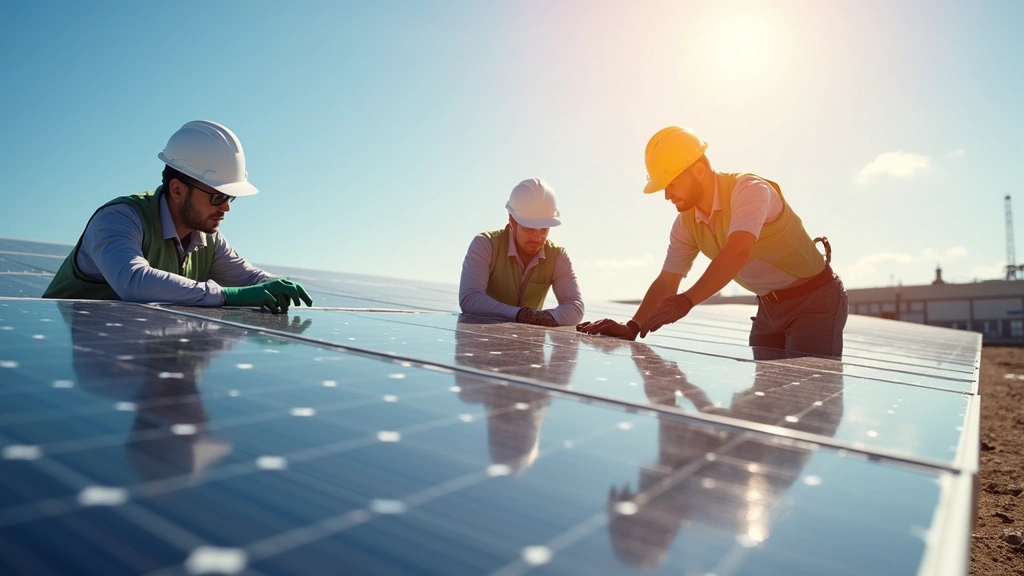
Acrew Capital has emerged as a transformative force in climate technology investment, channeling substantial capital into innovative solutions addressing global environmental challenges. This venture capital firm specializes in identifying and funding breakthrough technologies that reduce carbon emissions, improve resource efficiency, and accelerate the transition to renewable energy systems. With a portfolio spanning energy storage, carbon capture, sustainable agriculture, and clean manufacturing, Acrew Capital represents the intersection of financial acumen and environmental urgency.
The firm’s investment strategy focuses on deep-tech companies with the potential to achieve meaningful climate impact at scale. Unlike traditional venture capital approaches, Acrew Capital evaluates opportunities through both financial returns and measurable environmental outcomes, recognizing that the climate crisis demands solutions capable of transforming entire industries. Their expert team brings decades of combined experience in climate science, engineering, and sustainable business development, positioning them as thought leaders in the rapidly evolving climate tech landscape.
Understanding Acrew Capital’s Investment Philosophy
Acrew Capital’s investment thesis centers on identifying climate technologies that address massive market opportunities while delivering significant environmental benefits. The firm believes that climate action and profitable business models are not mutually exclusive; rather, they represent a convergence point where technological innovation meets market demand. This perspective distinguishes Acrew from purely philanthropic climate initiatives and traditional venture firms lacking climate expertise.
The firm evaluates potential investments across multiple dimensions: technological feasibility, market size, regulatory environment, team capability, and carbon impact potential. They prioritize companies developing solutions in sectors responsible for the largest share of global emissions, including energy generation, industrial processes, transportation, and agriculture. By focusing on these high-impact areas, Acrew Capital maximizes both financial returns and climate outcomes.
One critical aspect of their philosophy involves understanding the path to commercialization. Climate technologies often require longer development timelines and face regulatory hurdles that traditional tech startups may not encounter. Acrew Capital’s expertise in navigating these complexities enables them to support companies through extended development phases while maintaining realistic expectations about market adoption curves. This patient capital approach contrasts sharply with venture firms demanding rapid scaling regardless of sector dynamics.
The firm also emphasizes the importance of technology and artificial intelligence transforming our future, particularly in climate applications. Machine learning algorithms optimize energy systems, predict equipment failures, and improve resource allocation across industrial processes. By integrating AI capabilities into climate tech investments, Acrew Capital positions portfolio companies at the forefront of technological advancement.
Key Portfolio Companies and Technologies
Acrew Capital’s portfolio encompasses diverse climate technologies reflecting the multifaceted nature of decarbonization challenges. Energy storage solutions represent a particularly strategic focus area, with investments in companies developing next-generation battery technologies, thermal storage systems, and alternative storage mechanisms. These technologies address the intermittency problem inherent in renewable energy, enabling grid stability and broader renewable adoption.
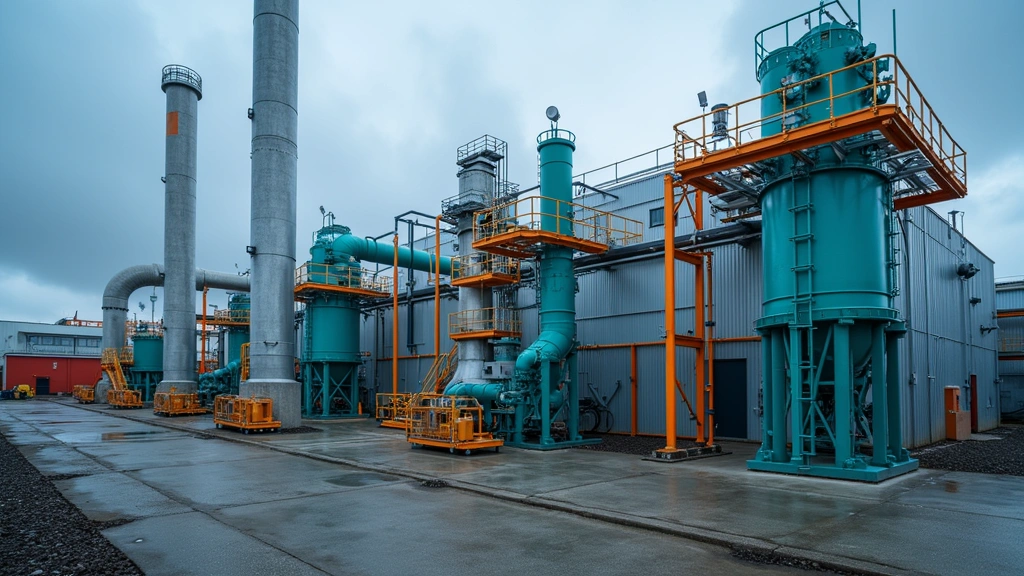
Carbon capture and utilization companies form another significant portfolio segment. These firms develop technologies ranging from direct air capture (DAC) systems that remove CO2 directly from the atmosphere to point-source capture solutions targeting industrial emissions. Some portfolio companies focus on converting captured carbon into valuable products including chemicals, building materials, and synthetic fuels, creating revenue streams that support long-term viability.
Sustainable agriculture and food tech investments reflect recognition that the agricultural sector contributes substantially to global emissions through methane production, deforestation, and inefficient resource use. Portfolio companies in this space develop precision agriculture technologies, alternative protein solutions, and regenerative farming practices that reduce environmental impact while maintaining or improving productivity. These investments address both climate mitigation and food security challenges.
Industrial decarbonization represents another critical investment category. Acrew Capital funds companies developing technologies for cement, steel, and chemical manufacturing that reduce or eliminate carbon-intensive processes. These sectors have historically resisted decarbonization due to technical and economic barriers, making breakthrough innovations particularly valuable. Cloud computing benefits for businesses extend into climate tech through enabling real-time monitoring and optimization of industrial processes, reducing waste and energy consumption.
Clean hydrogen production technologies attract significant Acrew Capital attention, as hydrogen represents a versatile energy carrier for hard-to-decarbonize sectors including heavy industry and long-distance transportation. Portfolio companies develop electrolysis technologies, biomass conversion processes, and other hydrogen production methods that minimize carbon footprint compared to conventional steam methane reforming.
Climate Tech Impact Metrics and Measurement
Distinguishing Acrew Capital from traditional venture capital firms is their rigorous approach to quantifying climate impact. The firm employs standardized methodologies for measuring carbon reduction potential, enabling consistent evaluation across diverse technologies and portfolio companies. These metrics extend beyond simple carbon accounting to encompass lifecycle analysis, avoided emissions, and co-benefits including air quality improvement and ecosystem restoration.
The firm tracks multiple impact indicators for each investment: tons of CO2 equivalent reduced or avoided annually, energy efficiency improvements, renewable energy capacity additions, and alternative product adoption rates. By maintaining detailed impact databases, Acrew Capital demonstrates accountability to stakeholders and contributes valuable data to the broader climate tech community. This transparency helps validate the climate impact narrative surrounding venture capital’s role in decarbonization.
Impact measurement complexity increases when evaluating technologies with indirect effects. For example, a company developing software optimizing building energy consumption must account for variations in climate zones, building types, and operational practices. Acrew Capital’s team develops customized measurement frameworks ensuring that impact claims reflect realistic deployment scenarios rather than idealized laboratory conditions.
The firm also considers additionality—ensuring that their capital actually drives climate benefits that wouldn’t occur through other means. This principle prevents double-counting and ensures that investment truly accelerates decarbonization rather than simply funding inevitable market developments. Additionality assessment requires sophisticated understanding of market dynamics, technology trajectories, and policy environments across multiple geographies and sectors.
The Role of AI and Data Analytics
Artificial intelligence and advanced data analytics increasingly define competitive advantage in climate tech. Acrew Capital recognizes that many portfolio companies gain differentiation through AI-powered optimization, prediction, and automation capabilities. The future of artificial intelligence in climate applications extends across energy management, materials discovery, and climate modeling.
Machine learning algorithms optimize renewable energy dispatch across electrical grids, predicting generation patterns and demand fluctuations to maximize system efficiency. Companies developing these solutions create substantial value through improved grid reliability and reduced curtailment of renewable generation. Similarly, AI-driven building management systems learn occupancy patterns and environmental conditions, automatically adjusting heating, cooling, and lighting to minimize energy consumption without compromising comfort.
In materials science and chemical engineering, AI accelerates discovery of novel compounds with superior climate-relevant properties. Machine learning models trained on vast datasets identify promising molecular structures for battery electrodes, carbon capture sorbents, or green hydrogen catalysts. This computational approach dramatically reduces development timelines compared to traditional trial-and-error experimentation, enabling faster commercialization of breakthrough technologies.
Data analytics infrastructure supporting climate tech companies often represents underappreciated value creation. By instrumenting physical systems with sensors and collecting operational data, companies generate insights enabling continuous improvement. Predictive maintenance algorithms prevent equipment failures, reducing downtime and extending asset lifespans. Performance monitoring systems identify optimization opportunities that might remain invisible through conventional operational methods.
Challenges in Climate Tech Scaling
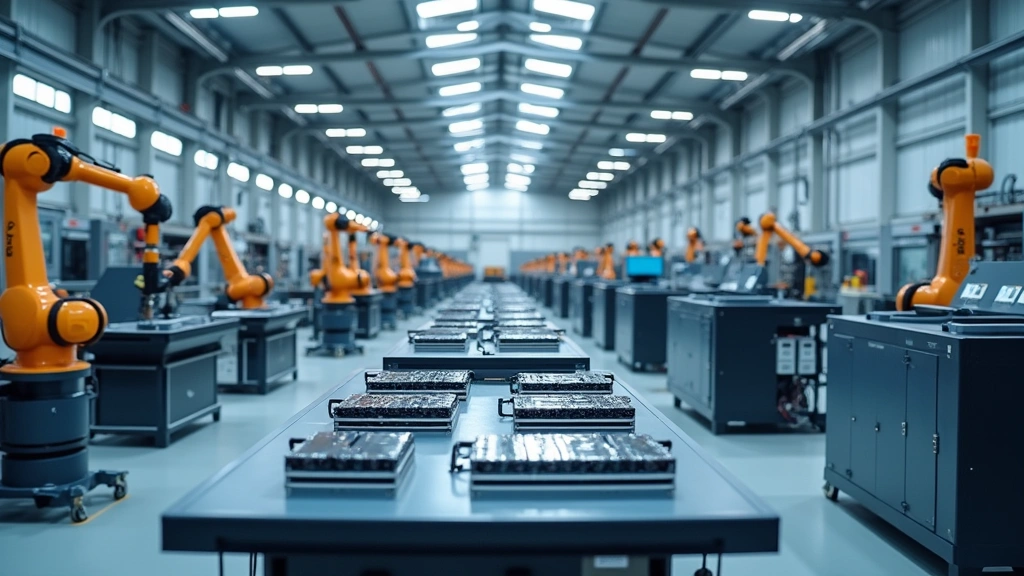
Despite significant capital deployment and technological progress, scaling climate technologies faces persistent challenges requiring sophisticated navigation. Manufacturing scale-up presents particular difficulty for emerging technologies lacking established supply chains and production expertise. Companies developing advanced batteries, carbon capture systems, or alternative hydrogen production methods must overcome substantial capital requirements to build commercial-scale facilities while managing technological risks and market uncertainties.
Regulatory and policy environments significantly impact climate tech viability. Technologies depend on supportive policy frameworks including carbon pricing, renewable energy mandates, emissions standards, and clean energy subsidies. Shifts in political landscapes or policy priorities create uncertainty affecting investment returns and technology adoption rates. Acrew Capital mitigates this risk through geographic diversification and investments in multiple technology pathways, ensuring portfolio resilience despite policy volatility.
Market adoption barriers extend beyond technology maturity to encompass incumbent competition and switching costs. Established fossil fuel infrastructure, industrial processes optimized for conventional energy sources, and consumer preferences favoring familiar solutions create substantial headwinds for climate tech deployment. Breaking through these barriers requires technologies offering not just environmental benefits but compelling economic advantages or regulatory mandates driving adoption.
Capital intensity distinguishes climate tech from software-based ventures, requiring substantially larger investments to achieve meaningful scale. Building manufacturing facilities, deploying infrastructure, and achieving commercial production volumes demands capital commitments that venture funds traditionally reserve for later-stage companies. This reality necessitates different fund structures and investor expectations compared to typical venture capital models.
Supply chain vulnerabilities and material availability present emerging challenges as climate tech scales. Scaling battery production requires substantial lithium, cobalt, and nickel supplies; expanding renewable energy capacity depends on silicon availability and rare earth elements for wind turbines. Tech Pulse Hunter Blog covers emerging supply chain innovations addressing these constraints, including recycling technologies and alternative material chemistries reducing dependence on scarce resources.
Future Outlook and Market Opportunities
The climate tech investment landscape continues expanding as climate urgency accelerates and technological maturity increases. Emerging opportunities span hydrogen economy development, advanced nuclear technologies, direct air capture commercialization, and sustainable aviation fuels. Each sector presents substantial market potential and significant capital requirements, attracting diverse investors and creating ecosystem complexity requiring sophisticated navigation.
International expansion represents critical growth vector for climate tech companies. While initial development often occurs in wealthy markets with supportive policies and substantial capital availability, climate solutions must ultimately scale globally to meaningfully address emissions. Acrew Capital increasingly focuses on technologies adaptable to diverse geographies and economic contexts, recognizing that climate solutions serving only wealthy nations cannot achieve necessary scale.
Convergence between climate tech and other technological domains creates novel opportunities. Integration of climate solutions with how to learn coding fast through specialized programs develops talent pipelines for climate tech companies needing software engineers and data scientists. Similarly, best laptops for students 2025 increasingly emphasize energy efficiency and sustainable manufacturing, reflecting broader market recognition of environmental considerations.
Government policy evolution creates both opportunities and risks for climate tech investors. Accelerating carbon pricing, strengthening emissions standards, and expanding clean energy mandates increase climate technology value propositions. Conversely, policy reversals or insufficient ambition could undermine market fundamentals. Acrew Capital maintains sophisticated policy analysis capabilities enabling proactive positioning amid evolving regulatory landscapes.
The convergence of climate tech investment with broader sustainability movements including circular economy principles, biodiversity protection, and social equity creates opportunities for technologies delivering multiple benefits. Companies addressing climate change while improving local air quality, creating employment, or enhancing ecosystem health attract diverse stakeholders and broader support than single-issue solutions.
FAQ
What distinguishes Acrew Capital from traditional venture capital firms?
Acrew Capital specializes exclusively in climate technology, combining venture capital expertise with deep climate science knowledge. They evaluate investments through both financial returns and measurable climate impact, employ standardized impact measurement methodologies, and maintain patient capital approaches accommodating extended development timelines typical in climate tech rather than demanding rapid scaling regardless of sector dynamics.
How does Acrew Capital measure climate impact?
The firm employs standardized methodologies quantifying carbon reduction potential, lifecycle analysis, avoided emissions, and co-benefits. They maintain detailed impact databases tracking metrics including annual CO2 equivalent reduction, energy efficiency improvements, renewable energy capacity additions, and alternative product adoption rates, ensuring accountability and contributing valuable data to the climate tech community.
What portfolio sectors does Acrew Capital prioritize?
Acrew Capital focuses on high-emission sectors including energy generation and storage, industrial decarbonization, sustainable agriculture, carbon capture and utilization, clean hydrogen production, and transportation electrification. This strategic focus maximizes both financial returns and climate outcomes by addressing sectors responsible for largest global emissions shares.
What challenges do climate tech companies face during scaling?
Primary challenges include manufacturing scale-up capital requirements, regulatory and policy uncertainties, incumbent competition and switching costs, supply chain vulnerabilities, and material availability constraints. Climate tech’s capital intensity and extended development timelines require different approaches than traditional venture capital models.
How does AI contribute to climate tech advancement?
Artificial intelligence optimizes renewable energy dispatch, improves building management efficiency, accelerates materials discovery for batteries and carbon capture, and enables predictive maintenance reducing equipment failures. Machine learning algorithms trained on vast datasets identify promising molecular structures and operational optimization opportunities, dramatically reducing development timelines compared to conventional experimentation.