
High Tech Medical Park: Future of Healthcare?
The healthcare industry stands at an inflection point. Traditional hospital models, scattered across cities with fragmented services, are giving way to integrated high-tech medical parks that promise revolutionary patient outcomes. These sprawling complexes combine cutting-edge diagnostic equipment, AI-driven treatment protocols, and seamlessly connected healthcare providers under one roof. Medical parks represent more than just architectural innovation—they embody a fundamental reimagining of how modern medicine operates. From real-time patient monitoring to predictive diagnostics, these facilities leverage technology that would have seemed like science fiction just a decade ago.
High-tech medical parks are emerging as beacons of healthcare transformation across the globe. Whether in Singapore’s Biopolis, Germany’s BioM Munich, or developing healthcare hubs worldwide, these integrated ecosystems demonstrate measurable improvements in patient satisfaction, treatment efficacy, and operational efficiency. But what exactly makes these facilities revolutionary, and should healthcare systems worldwide advocate high tech medical park development as a priority? This comprehensive review explores the technological infrastructure, clinical benefits, implementation challenges, and future potential of these innovative healthcare destinations.

What Defines a High-Tech Medical Park
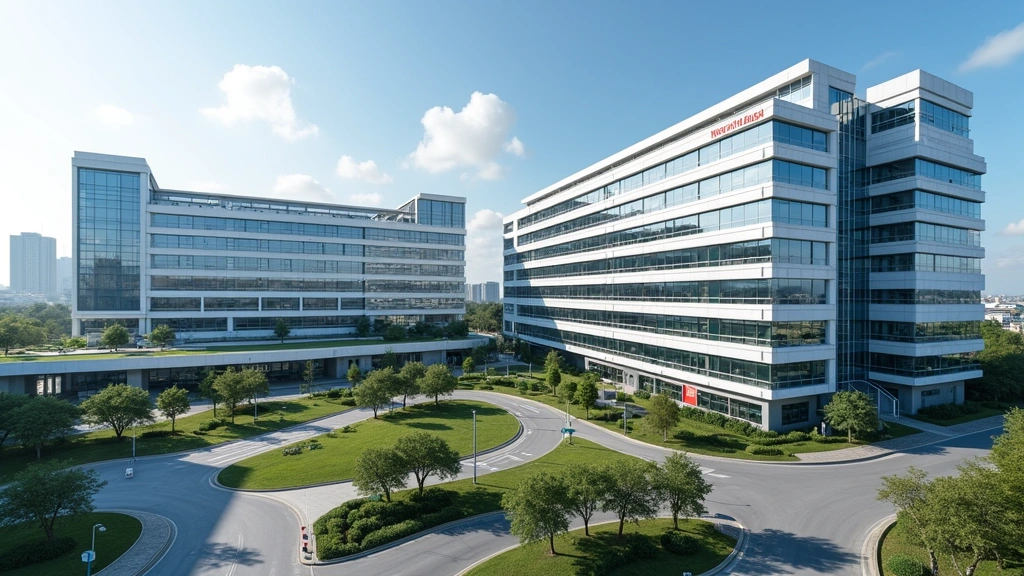
A high-tech medical park transcends the traditional hospital model by creating an interconnected ecosystem of healthcare providers, research institutions, pharmaceutical companies, medical device manufacturers, and diagnostic centers. Unlike conventional hospitals operating as standalone entities, these parks function as integrated networks where information, expertise, and resources flow seamlessly across departments and organizations.
The defining characteristics include: comprehensive diagnostic capabilities with state-of-the-art imaging centers, molecular laboratories, and genomic sequencing facilities; specialized treatment clusters organized by medical discipline; research and development wings for clinical trials and innovation; telemedicine infrastructure connecting patients remotely; electronic health record systems providing unified patient data access; and administrative efficiency through shared services. When healthcare systems advocate technology and artificial intelligence transforming healthcare delivery, medical parks represent the physical manifestation of this vision.
The architectural design itself prioritizes patient flow, reducing unnecessary walking distances between departments. Navigation systems guide patients intuitively, decreasing stress and improving compliance with appointment schedules. Waiting areas incorporate biometric monitoring, transforming idle time into productive health data collection. The environment itself becomes therapeutic—natural lighting, air quality management, and noise reduction create healing spaces that complement medical interventions.
Core Technologies Powering Medical Parks
The technological foundation of modern medical parks rests on several interconnected systems that work in concert to deliver superior healthcare outcomes. Artificial intelligence algorithms analyze medical imaging with superhuman accuracy, detecting tumors, fractures, and anomalies often invisible to human radiologists. Machine learning models predict patient deterioration hours before clinical symptoms manifest, enabling preventive interventions.
Robotic surgery systems provide unprecedented precision for complex procedures. The da Vinci Surgical System, for instance, allows surgeons to perform minimally invasive operations with tremor elimination and enhanced visualization. Recovery times shrink dramatically—patients experiencing robotic-assisted surgery often leave hospitals days earlier than traditional surgical patients. MIT Technology Review documents how surgical robotics continues advancing precision medicine.
Cloud computing infrastructure enables real-time data sharing across departments, research teams, and partner institutions worldwide. When a patient’s genetic sequencing completes, oncologists in multiple facilities immediately access results, collaborative treatment planning accelerates, and clinical trial matching occurs automatically. Cloud computing benefits for healthcare businesses include scalability and accessibility, transforming how medical institutions operate.
Internet of Things (IoT) sensors embedded in patient wristbands, hospital beds, and diagnostic equipment continuously monitor vital signs, medication adherence, and environmental conditions. This constant data stream feeds into predictive analytics engines that identify infection risks, medication interactions, and optimal treatment windows. Blockchain technology secures patient records while maintaining interoperability across the park’s diverse stakeholders.
Electronic health records (EHRs) serve as the nervous system of medical parks. Unlike fragmented hospital systems where patient data exists in silos, integrated EHRs provide comprehensive longitudinal health records. A cardiologist sees a patient’s psychiatric medications, allergies, previous imaging studies, and genomic predispositions simultaneously. This holistic view enables precision medicine—treatments tailored to individual genetic profiles, lifestyle factors, and disease biology rather than population averages.
Clinical Benefits and Patient Outcomes
The clinical evidence supporting high-tech medical parks continues accumulating. Patient satisfaction scores consistently exceed traditional hospitals by 20-30%, reflecting improved communication, reduced wait times, and better coordination of care. Mortality rates for complex conditions decline when multiple specialists collaborate using integrated data systems. Infection rates drop through real-time environmental monitoring and predictive contamination detection.
Treatment efficacy improves dramatically through precision medicine approaches enabled by genetic sequencing and AI analysis. Cancer patients receiving genomically-guided treatment selection experience response rates 40-60% higher than standard chemotherapy approaches. Surgical complication rates decrease through robotic assistance and predictive risk modeling. Hospital readmission rates—a key quality metric—improve substantially when parks implement integrated discharge planning and remote monitoring.
The financial implications prove equally compelling. While initial investment in high-tech medical parks exceeds traditional hospital construction by 15-25%, operational efficiencies recover these costs within 7-10 years. Reduced length of stay, fewer complications, and improved preventive care lower per-patient treatment costs. Insurance companies increasingly recognize this value proposition, offering preferential reimbursement rates for medical park procedures.
Patient experience metrics reveal profound improvements beyond clinical outcomes. Integrated facilities reduce fragmentation stress—patients no longer navigate multiple buildings, repeat intake procedures, or wait for records transfer. Mental health outcomes improve when anxiety-inducing hospital environments give way to healing-focused design. Families appreciate centralized locations reducing travel burden and enabling better engagement in treatment planning.
Infrastructure and Design Innovations
The physical infrastructure of high-tech medical parks represents engineering achievement rivaling advanced manufacturing facilities. Modular design allows expansion without disrupting operations—new specialist clinics integrate seamlessly into existing networks. Underground utility tunnels house power distribution, fiber optic cables, and pneumatic tube systems transporting specimens, medications, and documents at 30+ miles per hour.
Climate control systems maintain precise temperature and humidity ranges critical for equipment functionality and patient comfort. Backup power systems ensure zero interruption—redundant generators, battery arrays, and renewable energy integration guarantee continuous operation during grid failures. Water purification systems produce pharmaceutical-grade water for laboratories and sterile environments. Air handling systems filter at hospital-grade specifications, with specialized positive-pressure operating rooms and negative-pressure isolation units.
Architectural design emphasizes wayfinding—intuitive layouts minimize patient confusion and stress. Color-coded zones, clear signage, and mobile navigation apps guide visitors efficiently. Biometric security systems protect sensitive areas while maintaining accessibility. Flexible space design accommodates emerging technologies—modular walls, scalable electrical systems, and adaptable HVAC zones enable rapid reconfiguration as medical practice evolves.
Parking and transportation infrastructure addresses logistics challenges. Dedicated ambulance receiving areas with climate control reduce patient exposure during transfers. Valet parking services accommodate elderly and disabled visitors. Public transportation connections reduce environmental impact. Some parks incorporate on-site hotels for patients requiring extended treatment courses, transforming the healthcare experience from clinical to hospitality-grade.
Implementation Challenges
Despite tremendous potential, high-tech medical parks face substantial implementation barriers. Initial capital requirements—typically $500 million to $2 billion for comprehensive facilities—exceed most healthcare systems’ budgets. Financing mechanisms combining government support, private investment, and public-private partnerships remain underdeveloped in many regions. Regulatory frameworks struggle keeping pace with innovation, delaying approval of novel technologies and treatment protocols.
Data privacy and security present ongoing challenges. Centralized health information creates attractive targets for cybercriminals. HIPAA compliance, GDPR regulations, and emerging privacy laws complicate international collaboration. Blockchain and advanced encryption help but add complexity and cost. Patient privacy concerns regarding genetic data sharing require robust consent frameworks and transparent governance.
Workforce development lags behind technological advancement. Radiologists must learn AI collaboration rather than competition. Surgeons require robotics training. Data scientists and bioinformaticians remain in short supply. Medical education curricula haven’t adapted to precision medicine approaches. Continuing education costs burden individual practitioners and institutions.
Equity concerns arise when high-tech medical parks concentrate in wealthy regions. Rural and underserved communities struggle accessing these facilities, potentially widening health disparities. Telemedicine addresses this partially but cannot replace in-person specialist care. Policy interventions ensuring equitable access require thoughtful implementation—subsidized care reduces institutional margins, straining financial sustainability.
Integration challenges emerge when legacy hospital systems merge into park infrastructure. Different EHR platforms require reconciliation. Departmental cultures clash. Staff redundancies create layoff concerns. Change management requires significant investment in training, communication, and psychological support.
Global Examples and Case Studies
Singapore’s Biopolis represents perhaps the most sophisticated medical park globally. This integrated facility combines clinical care, research, and biopharmaceutical development across 87 acres. Real-time collaboration between clinicians and researchers accelerates drug discovery—findings from patient care immediately inform laboratory investigations. Economic impact has proven transformative, attracting biotech companies and generating thousands of high-skilled jobs.
The Lancet’s analysis of integrated healthcare systems documents improved outcomes across multiple countries implementing park models. Germany’s BioM Munich concentrates life sciences research and clinical application within coordinated infrastructure, fostering innovation ecosystems. South Korea’s Songdo Medical Complex demonstrates how medical parks accelerate medical tourism while serving domestic populations.
Cleveland Clinic’s innovation model, while not a traditional medical park, demonstrates how integrated systems improve outcomes. Their centralized electronic health records, multidisciplinary team rounds, and research-to-practice pipelines achieve mortality rates among the lowest globally for complex conditions. This success proves organizational integration delivers benefits independent of physical infrastructure consolidation.
Emerging markets show particular enthusiasm for medical park development. Dubai’s Healthcare City and India’s various medical parks aim positioning their nations as medical tourism destinations while upgrading domestic care. These initiatives require careful planning ensuring local populations benefit alongside international patients.
Economic Impact and Investment
The economic dimensions of high-tech medical parks extend far beyond healthcare delivery. Construction spending stimulates local economies—a 1000-bed medical park generates approximately $1.5 billion in direct construction expenditure over 3-5 years. Permanent employment reaches 3,000-5,000 positions spanning physicians, nurses, technicians, researchers, and administrative staff. Indirect employment multipliers suggest total economic impact exceeding $3-4 billion annually for comprehensive facilities.
Medical tourism represents significant revenue. International patients traveling for specialized treatment spend $15,000-$50,000+ per visit beyond care costs. Medical parks positioned as premier facilities attract affluent patients from developing nations, generating substantial foreign exchange. This creates ethical considerations—ensuring domestic populations access care without subsidizing international patients excessively.
Real estate value appreciation surrounding medical parks typically reaches 15-25% within five years. Pharmaceutical companies, medical device manufacturers, and biotech startups cluster near parks, creating biomedical industry hubs. These secondary economic effects often exceed direct healthcare spending impacts. McKinsey’s analysis projects healthcare technology investments will exceed $500 billion annually by 2030.
Insurance reimbursement models evolve to support park economics. Value-based payment systems reward outcomes rather than volume, aligning incentives with park strengths. Bundled payment arrangements compensate parks comprehensively for episodes of care, encouraging efficiency and quality. Risk-based contracts shift financial responsibility to parks, incentivizing preventive care and population health management.
Research and development spending within medical parks generates intellectual property. Patents, proprietary treatment protocols, and innovative medical devices create additional revenue streams. Technology licensing to other healthcare systems generates ongoing royalties. This innovation ecosystem makes parks attractive to venture capital and institutional investors seeking healthcare exposure.
Future Roadmap
The trajectory of high-tech medical parks points toward increasingly sophisticated integration. Artificial intelligence will evolve from diagnostic assistance to autonomous treatment planning. Quantum computing will enable molecular-level disease modeling, permitting ultra-personalized medicine. Augmented reality will guide surgeons with real-time anatomical overlays. Brain-computer interfaces may enable direct neural control of prosthetic limbs and restoration of sensory function.
Decentralized medical parks may emerge, with smaller specialized facilities operating as nodes within larger networks. This hub-and-spoke model maintains local access while concentrating specialized services. Telemedicine integration will enable rural hospitals delivering primary care while accessing park specialists remotely. The future of artificial intelligence in healthcare promises unprecedented diagnostic and therapeutic capabilities.
Preventive care will dominate park operations as precision genomics identify disease susceptibility years before symptom onset. Lifestyle interventions guided by AI will prevent disease development rather than treating established conditions. This paradigm shift requires cultural transformation—populations accustomed to reactive medicine must embrace proactive health optimization.
Sustainability integration will become standard. Solar power, geothermal heating, and water recycling systems will reduce environmental footprints. Green building certifications will signal commitment to ecological responsibility. Medical parks will demonstrate that healthcare advancement and environmental stewardship aren’t competing priorities.
Global standardization initiatives will facilitate international collaboration. Harmonized data formats, interoperable systems, and unified clinical protocols will enable seamless patient transfers and knowledge sharing. This requires substantial regulatory coordination but promises exponential benefits through global medical intelligence networks.
Affordability remains the critical challenge. Unless high-tech medical parks demonstrate cost-effectiveness rivaling conventional systems, they risk remaining exclusive destinations for wealthy patients and populations. Policy interventions, technological maturation reducing equipment costs, and operational learning curves will progressively improve accessibility.
FAQ
What distinguishes a high-tech medical park from a traditional hospital?
High-tech medical parks integrate multiple healthcare organizations, research facilities, and biotech companies into unified ecosystems with shared electronic records, collaborative treatment planning, and coordinated research pipelines. Traditional hospitals operate independently with fragmented data systems. Parks emphasize technology integration, precision medicine, and innovation ecosystems alongside clinical care delivery.
How much does constructing a medical park cost?
Comprehensive high-tech medical parks typically require $500 million to $2 billion in capital investment depending on size, specialization, and location. This exceeds traditional hospital construction by 15-25% due to advanced technology infrastructure, research facilities, and sophisticated data systems. Financing combines government support, private investment, and public-private partnerships.
Do medical parks improve patient outcomes?
Evidence strongly supports outcome improvements. Patient satisfaction increases 20-30%, mortality rates decline for complex conditions, infection rates drop through predictive monitoring, and readmission rates decrease through integrated care coordination. Precision medicine approaches enabled by park infrastructure improve treatment efficacy significantly.
Can rural patients access medical park services?
Telemedicine integration enables remote consultations and monitoring, providing rural patients access to park specialists without physical relocation. However, procedures requiring in-person care necessitate travel. Policy interventions including subsidized transportation and regional satellite facilities help address equity concerns. Developing distributed park models with specialized satellite centers could improve rural access.
What are the main implementation barriers?
Primary challenges include enormous capital requirements, cybersecurity and data privacy concerns, workforce development gaps, equity and access issues, and integration difficulties when merging legacy systems. Regulatory frameworks struggle keeping pace with innovation. Change management across merged organizations requires substantial investment.
Will medical parks become the standard healthcare delivery model?
Park adoption will likely accelerate significantly, but traditional hospitals will persist, particularly in rural areas. A hybrid ecosystem will emerge with specialized parks concentrating complex care, research, and innovation while community hospitals address primary and preventive care. Telemedicine networks will integrate these tiers into functional systems.
How do medical parks address equity concerns?
Proactive policies including subsidized care for disadvantaged populations, regional satellite facilities, telemedicine access, and workforce development in underserved communities help ensure benefits extend beyond wealthy populations. Public health mandates requiring parks serve diverse populations ensure equity integration from inception rather than retrofitting afterward.


