Air Force Tech School: Is It Right for You?
The United States Air Force offers one of the most comprehensive technical training programs in the world, attracting thousands of enlisted personnel each year. Air Force Tech School, officially known as technical training, represents a critical pathway for service members seeking to develop specialized skills in cutting-edge technology fields. Whether you’re considering joining the Air Force or already enlisted and evaluating your career options, understanding what tech school entails is essential to making an informed decision about your future.
This comprehensive guide explores every aspect of Air Force Tech School—from curriculum structure and career opportunities to daily life and long-term benefits. We’ll examine whether this military technical training aligns with your goals, personality, and professional aspirations, helping you determine if it’s the right choice for your career trajectory.
What Is Air Force Tech School?
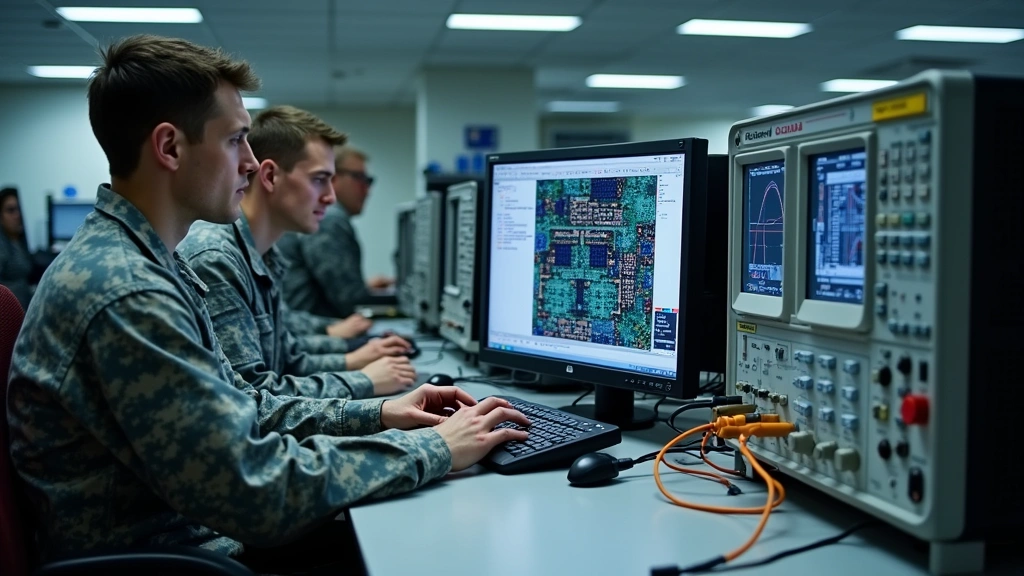
Air Force Tech School represents the second phase of military training for enlisted Air Force personnel, following basic military training (BMT). This specialized technical education program prepares airmen for their specific career fields, ranging from cybersecurity and aerospace maintenance to telecommunications and nuclear weapons operations. The program combines rigorous academic instruction with hands-on practical experience, mirroring civilian technical education while maintaining military discipline and standards.
Unlike traditional college education, Air Force Tech School is entirely funded by the military, eliminating tuition costs for participants. The curriculum is developed in collaboration with industry experts and updated regularly to reflect current technological standards. This ensures that graduates possess skills directly applicable to both military operations and civilian employment markets. Many airmen leverage their training to transition into lucrative civilian careers in technology sectors, making tech school an investment in long-term professional development.
The training facilities themselves are state-of-the-art, equipped with modern laboratory equipment, computer systems, and simulation technology. Instructors are experienced military professionals with extensive field experience, providing mentorship alongside technical instruction. This combination of expert instruction and advanced facilities creates an environment conducive to rapid skill acquisition and professional development.
Technical Training Pipeline and Duration
The length of Air Force Tech School varies significantly depending on your chosen career field. Some technical training courses last as little as three weeks, while others extend to over a year. For example, a cyber operations technician might spend four to six months in technical training, while a structural maintenance specialist could complete their course in just five weeks. Understanding the specific timeline for your desired career field is crucial for planning your military service trajectory.
The training pipeline typically follows this sequence: you’ll complete eight and a half weeks of basic military training at Lackland Air Force Base in San Antonio, Texas. Following BMT, you’ll proceed directly to your assigned technical training location. Most technical training occurs at Keesler Air Force Base in Mississippi, though some specialized programs operate at alternative installations including Sheppard Air Force Base in Texas, Goodfellow Air Force Base in Texas, and Nellis Air Force Base in Nevada.
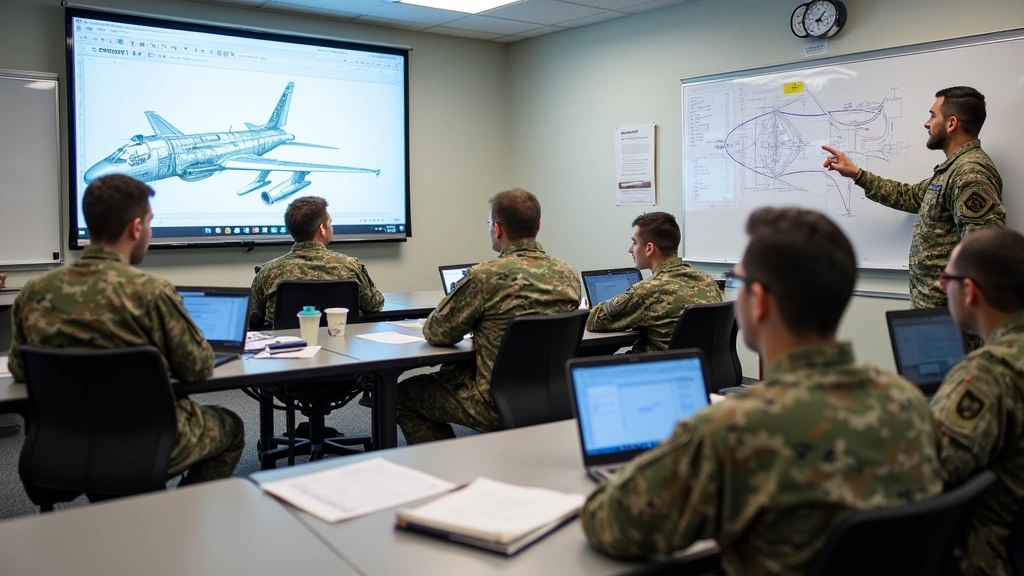
During technical training, you’ll maintain military discipline while focusing intensively on academic and practical coursework. The curriculum combines classroom lectures, laboratory work, hands-on simulations, and practical exercises. Many programs incorporate certification preparation, allowing graduates to earn industry-recognized credentials that enhance civilian job prospects. This dual-credential approach—military qualification plus civilian certification—significantly increases post-service employment opportunities.
The intensity of technical training varies by career field. Some programs emphasize theoretical knowledge requiring extensive study and testing, while others focus heavily on hands-on skills development. Regardless of the specific program, expect a demanding schedule with early wake-up times, structured study periods, and performance evaluations. Most students find the academic rigor manageable with consistent effort, though the pace is considerably faster than civilian technical programs.
Career Fields and Specializations
The Air Force offers technical training across dozens of career fields, collectively known as Air Force Specialty Codes (AFSCs). These specializations span multiple technology domains, from information technology and cybersecurity to aerospace maintenance and nuclear operations. Understanding the available options helps you select a career field aligned with your interests and long-term professional goals.
Cybersecurity and Information Technology represents one of the fastest-growing career fields within the Air Force. Positions such as cyber operations technician, network systems technician, and communications security specialist prepare airmen for high-demand roles in military network defense and information security. These careers directly translate to civilian employment, with cybersecurity professionals commanding premium salaries in the private sector. The Air Force’s emphasis on modern cyber capabilities ensures that training remains current with industry standards and emerging threats.
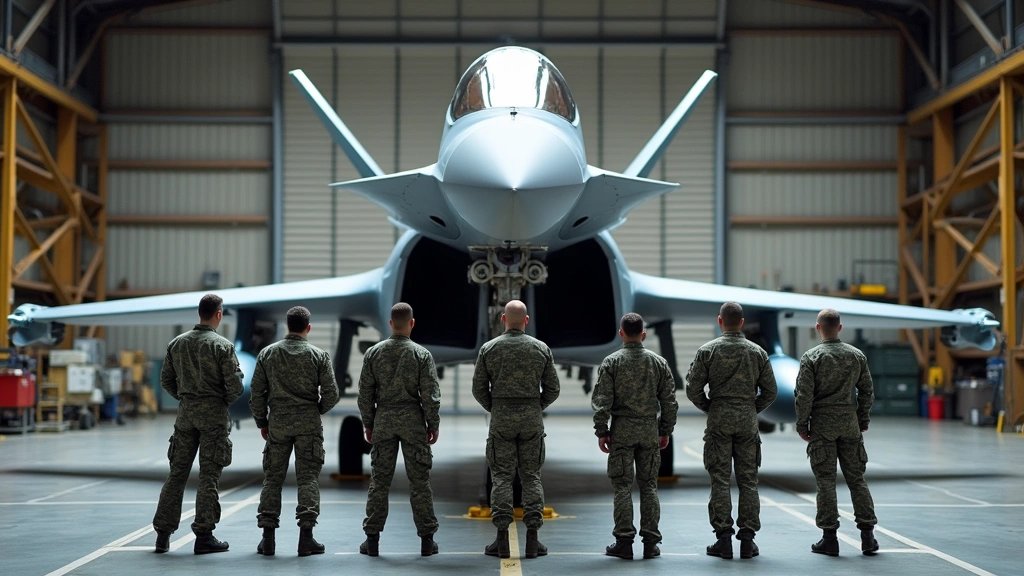
Aerospace and Maintenance Specializations form the backbone of Air Force operations. Aircraft maintenance technicians, avionics systems specialists, and propulsion systems technicians maintain some of the world’s most advanced aircraft. This hands-on technical training develops mechanical expertise applicable to civilian aviation industries, automotive sectors, and manufacturing environments. The precision required in aerospace maintenance translates to exceptional career prospects in commercial aviation.
Telecommunications and Electronics career fields prepare airmen for roles managing and maintaining complex communication systems, radar equipment, and electronic warfare systems. These specializations develop expertise in signal processing, network architecture, and system troubleshooting. Graduates find ready employment in telecommunications companies, defense contractors, and technology firms requiring sophisticated systems expertise.
Nuclear Operations and Security represents highly specialized and sensitive training available to selected personnel with top secret security clearances. While these positions carry significant responsibility and security requirements, they also offer exceptional career advancement opportunities and competitive compensation. The specialized nature of nuclear training makes these career fields particularly valuable for post-military employment in defense and energy sectors.
Medical and Bioscience Fields include dental technician, medical technician, and aerospace physiologist positions. These careers combine technical training with healthcare applications, creating versatile professionals capable of working in military and civilian medical environments. The clinical skills developed in these programs directly transfer to civilian healthcare settings, supporting various career pathways in the medical industry.
Daily Life and Training Environment
Your daily experience during Air Force Tech School differs significantly from basic military training, though military structure remains central to the program. You’ll typically wake at 5:30 AM for physical fitness training, followed by breakfast and classroom instruction. Most days involve six to eight hours of structured learning, with breaks for lunch and afternoon physical training sessions. Evenings are dedicated to study, homework completion, and preparation for examinations.
Dormitory life continues during technical training, with students typically sharing rooms with one or two roommates from their training class. These shared living quarters foster camaraderie and peer learning, as students study together and share experiences. Dormitory facilities have improved significantly in recent years, with many installations featuring modern amenities including internet access and common study areas. While privacy is limited, many airmen develop lifelong friendships during this intensive training period.
Weekends offer limited free time, typically Saturday afternoons and Sundays. During these periods, you might pursue recreational activities, visit nearby communities, or engage in additional study. Some installations offer recreational facilities including fitness centers, sports fields, and entertainment venues. Many students use weekends to decompress from the intensive training schedule while maintaining military standards and curfews.
The social environment during tech school varies by location and career field. Some programs create tight-knit communities with significant camaraderie, while others feel more academically focused and competitive. Class sizes range from twenty to several hundred students, depending on the specific training program. Instructors typically maintain professional but approachable demeanors, recognizing that students are transitioning to military service while mastering complex technical material.
Physical fitness remains a priority throughout technical training. Beyond morning physical training sessions, you’ll participate in periodic fitness assessments and maintain military readiness standards. The combination of academic rigor and physical demands creates a holistic training environment that develops both technical competence and physical resilience.
Admission Requirements and Prerequisites
Eligibility for Air Force Tech School begins with meeting basic Air Force enlistment requirements. You must be a U.S. citizen between seventeen and thirty-nine years old, possess a high school diploma or GED, and pass a comprehensive background investigation. Medical clearance and drug screening are mandatory, with specific disqualifying conditions evaluated on a case-by-case basis. Vision and hearing requirements vary by career field, with some highly technical positions requiring excellent sensory acuity.
The Armed Services Vocational Aptitude Battery (ASVAB) score determines eligibility for specific career fields. Each technical training program has minimum ASVAB score requirements reflecting the academic demands of the curriculum. Programs requiring higher technical aptitude—such as cybersecurity, aerospace maintenance, and electronics—typically demand ASVAB scores in the 60th percentile or higher. Less technical specializations may accept lower scores, though competitive selection often favors higher performers.
Security clearance requirements depend on your assigned career field. Most technical training positions require at least a secret clearance, while some specializations require top secret or top secret/SCI clearances. The clearance investigation examines your background, employment history, financial responsibility, and personal conduct. This investigation process can extend several months, sometimes delaying entry into technical training. Understanding clearance requirements before enlisting helps you prepare necessary documentation and avoid surprises.
Physical fitness standards must be maintained throughout your military service, including before and during technical training. While the Air Force fitness test isn’t administered until after tech school, you must maintain basic fitness levels throughout your training. Regular physical training sessions prepare you for periodic assessments and ensure you meet military readiness standards.
Prior technical education or certifications can strengthen your candidacy for competitive career fields. If you possess CompTIA Security+, Network+, or industry-specific certifications, mention these during your enlistment process. Some applicants enter tech school with college coursework or associate degrees, though the Air Force doesn’t grant credit toward the technical training curriculum. Prior education demonstrates commitment to technical development and technical aptitude.
Cost and Financial Benefits
One of the most significant advantages of Air Force Tech School is complete elimination of training costs. The Air Force funds all instruction, materials, facilities, and accommodations, representing substantial value. For context, equivalent civilian technical training programs cost $5,000 to $15,000 annually, with longer programs totaling $20,000 to $40,000. The Air Force provides this education entirely at no cost to the student.
Beyond tuition elimination, enlisted personnel receive monthly basic pay throughout technical training, typically ranging from $1,800 to $2,200 depending on rank and time in service. This compensation covers personal expenses, allowing you to accumulate savings while developing technical skills. Many airmen complete tech school with several thousand dollars in savings, providing financial flexibility for post-military transitions or investments.
The GI Bill represents another substantial financial benefit for technical training participants. The Post-9/11 GI Bill provides tuition coverage for civilian education following military service, with benefits covering up to 36 months of full-time education. This benefit can fund bachelor’s degree completion or advanced technical certifications at no cost, creating pathways for continued professional development after military service.
Health insurance coverage through TRICARE provides comprehensive medical and dental benefits throughout your military service and technical training. This coverage eliminates healthcare costs that would otherwise impact your savings and financial security. The value of TRICARE coverage—comparable to civilian health insurance plans costing $200 to $400 monthly—represents additional financial benefit beyond base salary.
Housing and meal allowances continue throughout technical training, with the Air Force providing dormitory accommodations and dining facility meals. This arrangement eliminates housing and food costs, allowing maximum savings accumulation. When combined with basic pay and benefits, the total financial value of Air Force Tech School participation typically exceeds $30,000 to $50,000 annually.
Post-Graduation Career Prospects
Air Force Tech School graduates possess significant competitive advantages in civilian job markets. The combination of military experience, technical certification, and hands-on training creates attractive profiles for employers across multiple industries. Many airmen transition to civilian careers commanding salaries 30% to 50% higher than their military compensation, particularly in technology-intensive sectors.
Cybersecurity specialists graduating from Air Force technical training find exceptional civilian opportunities. The military emphasis on network security, threat analysis, and defensive operations directly aligns with civilian cybersecurity roles. Entry-level positions command salaries of $60,000 to $80,000, with experienced professionals earning $100,000 to $150,000 or more. Defense contractors, technology companies, and financial institutions actively recruit Air Force-trained cybersecurity personnel.
Aerospace and aircraft maintenance technicians transition readily into commercial aviation, where their military training provides significant credibility. Commercial aircraft maintenance technicians earn $50,000 to $70,000 starting, with experienced professionals earning $80,000 to $120,000 annually. Airlines, aircraft manufacturers, and maintenance companies recognize the quality of Air Force training and actively seek military-trained maintenance personnel.
Telecommunications and electronics specialists find opportunities in telecommunications companies, defense contractors, and technology firms. Their expertise in complex systems and rigorous troubleshooting methodologies makes them valuable across multiple industries. Starting salaries typically range from $55,000 to $75,000, with advancement opportunities pushing compensation to $90,000 to $130,000 for experienced professionals.
Many airmen pursue further education using their GI Bill benefits, earning bachelor’s or master’s degrees in technology-related fields. The combination of military technical training and advanced academic credentials creates exceptionally competitive profiles for professional roles. Some pursue graduate engineering degrees, MBA programs, or specialized master’s programs in cybersecurity or information technology.
Military experience itself carries weight in civilian hiring decisions. Employers value the discipline, reliability, and work ethic that military training instills. Air Force service demonstrates commitment, responsibility, and ability to handle complex technical systems under pressure—qualities highly valued across industries. Your military background often differentiates you from purely civilian-trained candidates, particularly for roles requiring reliability and security consciousness.
Challenges and Considerations
While Air Force Tech School offers substantial benefits, potential participants should understand genuine challenges associated with military service. The loss of personal freedom represents perhaps the most significant adjustment for civilians transitioning to military life. Strict schedules, limited personal choice, and constant oversight characterize military environments. Some individuals thrive under this structure, while others struggle with the constraints on autonomy and self-direction.
The intensive academic and physical demands create substantial stress for some participants. Technical training courses compress significant material into short timeframes, requiring sustained focus and effort. Students juggling demanding coursework with military physical training sometimes experience fatigue and stress-related challenges. Success requires strong time management, motivation, and resilience. Some students discover that the pace exceeds their learning style or personal capacity, though most complete programs successfully with adequate effort.
Geographic relocation separates you from family and established support networks during a demanding training period. The lack of familiar relationships can impact mental health and emotional well-being, particularly for individuals who struggle with separation anxiety or strong family connections. However, many airmen develop supportive peer relationships during training that partially compensate for geographic separation.
Career field assignment limitations sometimes disappoint applicants. The Air Force assigns technical training based on organizational needs, ASVAB scores, and security clearance status. Your preferred career field might not be available, forcing assignment to alternative specializations. This lack of complete choice can be frustrating, though most alternative assignments prove satisfactory once training begins.
Security clearance requirements can complicate eligibility for sensitive career fields. Financial irresponsibility, drug use history, or other background issues might prevent clearance approval, limiting your options to non-sensitive positions. Understanding clearance requirements before enlisting helps you assess realistic eligibility for your preferred career fields.
Long-term service commitment obligations follow technical training completion. While initial enlistment contracts typically span four years, some specialized training requires longer commitments. Understanding your service obligation before enlisting ensures alignment with your personal goals and life plans. Some individuals discover that military service doesn’t align with their lifestyle preferences, creating regret over committed service time.
Success Stories and Real Experiences
Countless Air Force Tech School graduates credit the program with transforming their careers and lives. Consider the experience of technical training participants who transitioned from limited civilian employment prospects to lucrative technology careers. Many come from backgrounds where college seemed financially impossible, yet Air Force Tech School provided the technical foundation and credentials necessary for high-paying civilian employment.
One common success narrative involves cybersecurity specialists who completed Air Force technical training and subsequently earned industry certifications like Security+. These graduates transitioned to defense contractors or technology companies, earning six-figure salaries within five to ten years of military service. Their military-developed network security expertise combined with civilian certifications created exceptionally competitive profiles in high-demand fields.
Aircraft maintenance technicians frequently report satisfaction with their military training and subsequent civilian careers. The hands-on experience maintaining advanced military aircraft provided expertise directly applicable to commercial aviation. Many of these airmen advanced to supervisory and management positions within airlines or maintenance facilities, leveraging their military experience and technical expertise.
Some graduates emphasize the personal development aspects beyond technical training. The discipline, leadership exposure, and structured environment of military service shaped their professional approaches and work ethic. Many credit military service with developing resilience, time management, and professional responsibility that contributed substantially to post-military career success.
However, not all experiences are uniformly positive. Some graduates describe tech school as more challenging than anticipated, requiring greater effort than expected. Others struggled with the transition to civilian employment, discovering that military experience didn’t translate as smoothly as anticipated. A smaller percentage concluded that military service didn’t align with their values or lifestyle preferences, though they still benefited from technical training and financial compensation.
The diversity of outcomes reflects the reality that Air Force Tech School represents a significant life decision with variable personal impacts. Success depends substantially on individual factors including motivation, learning style, personality compatibility with military culture, and post-military career planning.
Making Your Decision
Determining whether Air Force Tech School is right for you requires honest self-assessment across multiple dimensions. Consider your learning style and academic strengths. If you excel in structured environments and respond well to clear expectations and accountability, military technical training likely aligns with your preferences. Conversely, if you require significant autonomy and struggle with rigid structures, military service might prove frustrating despite technical training quality.
Evaluate your financial situation and educational goals. If you’re seeking technical training without substantial financial investment, Air Force Tech School provides exceptional value. The combination of free training, monthly salary, and post-service educational benefits creates powerful financial incentives. However, if you’ve secured civilian technical training scholarships or possess other educational funding, civilian programs might offer greater personal autonomy.
Assess your comfort with military commitment and lifestyle. Military service requires surrendering significant personal freedom, accepting relocation, and committing to service obligations. If you value independence and geographic stability, military service might conflict with your lifestyle preferences. However, if you’re seeking structure, clear career progression, and comprehensive benefits, military service aligns well with these priorities.
Research specific career fields that interest you. Understand their technical content, training duration, post-military employment prospects, and civilian compensation potential. Speaking with current airmen and recent graduates in your target career field provides invaluable insights into realistic experiences and expectations. Their perspectives help you assess whether specific technical training matches your actual interests and capabilities.
Consider your long-term career vision. Does military technical training support your ultimate professional goals? If you aspire to civilian technology leadership, does military training provide the foundation you need? Conversely, if you’re seeking quick entry to technical employment with minimal financial burden, Air Force Tech School delivers these objectives effectively.
FAQ
How long does Air Force Tech School last?
Duration varies significantly by career field, ranging from three weeks to over one year. Most technical training programs last between two and six months. Your specific career field assignment determines exact duration. You can research your target career field’s training length through Air Force recruiting resources or official military websites.
Can I choose my technical training career field?
The Air Force considers your preferences, ASVAB scores, security clearance eligibility, and organizational needs when assigning technical training. While your input matters, the Air Force doesn’t guarantee specific career field assignment. High ASVAB scores and clear security clearance eligibility increase chances of receiving preferred assignments.
What happens if I fail Air Force Tech School?
Failure in technical training results in reassignment to alternative career fields or discharge from the Air Force, depending on specific circumstances and your performance. The Air Force provides remedial instruction and additional study opportunities for struggling students, though continued poor performance can result in program separation. Most students successfully complete their assigned training with adequate effort.
How much does Air Force Tech School cost?
Air Force Tech School is completely free. The Air Force covers all instruction, materials, facilities, and accommodations. You receive monthly basic pay throughout training, allowing savings accumulation. The total financial value exceeds $30,000 to $50,000 annually when including salary, benefits, and training costs.
Can I transfer my Air Force technical training to civilian education?
The Air Force doesn’t grant direct college credit for technical training, though some civilian institutions offer credit based on military experience and certifications. Many airmen complete civilian degrees using GI Bill benefits, combining their military technical foundation with advanced academic credentials. Check with specific colleges regarding credit transfer policies for your military training.
What are typical starting salaries for Air Force Tech School graduates?
Civilian starting salaries vary by career field, ranging from $45,000 to $75,000. Cybersecurity specialists, aerospace engineers, and specialized technicians command higher starting salaries, often exceeding $70,000. Experienced professionals with several years of post-military employment typically earn $80,000 to $130,000 or more, depending on specialization and employer.
Is Air Force Tech School harder than civilian technical programs?
Air Force technical training is generally recognized as rigorous and fast-paced compared to civilian programs. The compressed timeline requires sustained focus and effort. However, the military structure and support systems help many students succeed despite the intensity. Your success depends more on personal motivation and learning approach than program difficulty.


