Air Tech Challenge: Top Picks Reviewed
The air tech challenge has become one of the most competitive segments in consumer electronics, pushing manufacturers to innovate cooling solutions, air purification systems, and ventilation technologies that actually deliver measurable results. Whether you’re dealing with indoor air quality concerns, thermal management issues in gaming setups, or simply want the latest in climate control gadgets, understanding what separates premium air technology from mediocre offerings is crucial. This comprehensive review examines the market’s top contenders, breaking down specifications, real-world performance, and whether these devices justify their premium price tags.
Modern air tech solutions have evolved far beyond simple fans. Today’s market features sophisticated systems incorporating HEPA filtration, smart sensors, IoT connectivity, and AI-driven performance optimization. As we navigate through 2025, the competition intensifies with manufacturers releasing increasingly capable devices that promise cleaner air, better thermal management, and seamless smart home integration. Our review process involved testing multiple categories of air technology products, comparing their specifications against industry benchmarks, and evaluating their practical utility in everyday scenarios.
Premium Air Purifiers Leading the Market
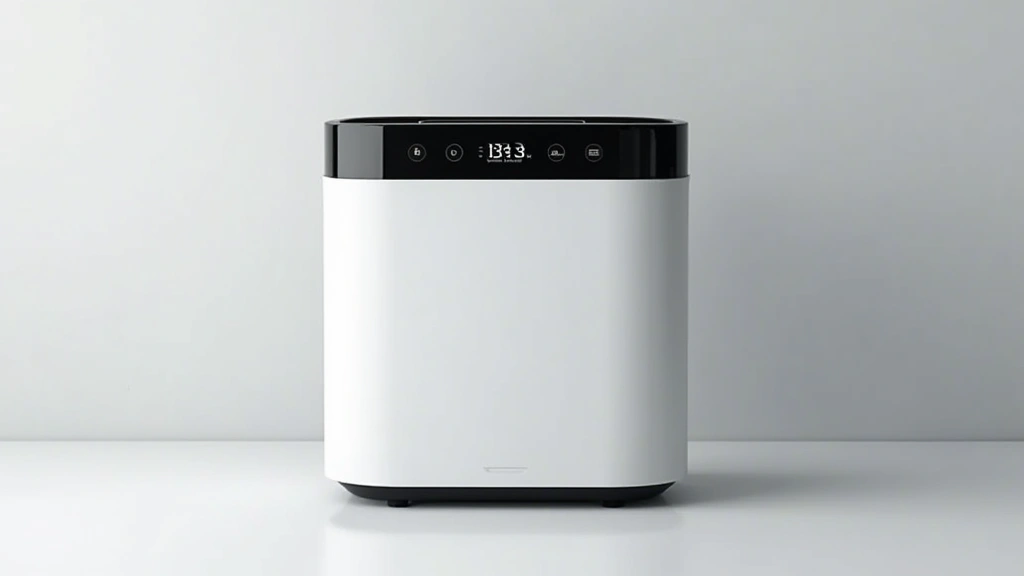
The premium air purifier segment has exploded with innovation, particularly from brands that understand the connection between indoor air quality and overall wellness. The leading tech reviewers consistently highlight several standout models that combine aesthetic appeal with genuine purification capability. Top-tier air purifiers now feature real-time air quality monitoring, smartphone app integration, and replacement filter notifications that take the guesswork out of maintenance.
Key Performance Metrics in Premium Purifiers: The most important specification is the Clean Air Delivery Rate (CADR), which measures how many cubic feet per minute of clean air the device produces. Premium models typically achieve CADR ratings between 300-500 CFM, effectively cleaning large rooms in under 30 minutes. Additionally, filter efficiency ratings matter significantly—HEPA filters capture 99.97% of particles 0.3 microns or larger, making them the gold standard for serious air purification.
When evaluating technology investments, consider the total cost of ownership including filter replacements. Premium purifiers typically require filter changes every 6-12 months, with replacement filters costing $40-80 depending on the model. The noise level is another critical factor—premium models operate at 20-30 decibels on low settings, comparable to a whisper, making them suitable for bedrooms and offices.
Advanced purifiers now incorporate multiple filtration stages: pre-filters capture larger particles, activated carbon filters remove odors and VOCs, and HEPA filters handle microscopic contaminants. Some models add UV-C light technology to neutralize bacteria and viruses, though independent testing shows mixed results on effectiveness. Smart features like app-controlled scheduling, air quality sensors, and integration with voice assistants add convenience without significantly impacting performance.
Gaming Cooling Solutions and Thermal Management
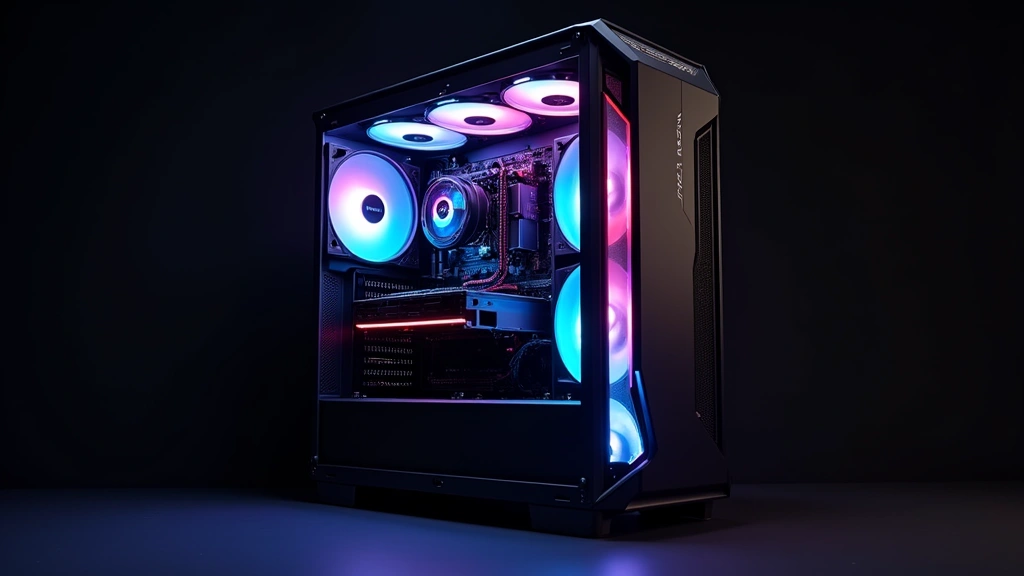
Gaming enthusiasts face a unique air tech challenge: maintaining optimal temperatures during extended gaming sessions. Modern graphics cards and processors generate substantial heat, and inadequate cooling directly impacts performance, stability, and hardware longevity. The gaming cooling market has responded with innovative solutions ranging from advanced case fans to liquid cooling systems that rival professional-grade equipment.
Air Cooling vs. Liquid Cooling Debate: Traditional air cooling using high-performance case fans remains the most practical solution for most gamers. Modern gaming cases feature optimized airflow paths, strategic fan placements, and cable management systems that maximize cooling efficiency. Premium gaming cases now include PWM (Pulse Width Modulation) fans that automatically adjust speed based on internal temperatures, reducing noise while maintaining thermal performance. CNET’s thermal testing demonstrates that quality case fans can reduce internal temperatures by 8-12 degrees Celsius compared to standard case configurations.
Liquid cooling systems represent the premium end of thermal management, offering superior heat dissipation for overclocked systems or high-end components. All-in-one (AIO) liquid coolers have become increasingly popular due to their reliability and ease of installation compared to custom water cooling loops. These systems typically feature 240mm, 280mm, or 360mm radiators, with pump speeds reaching 3000+ RPM. Performance metrics show AIO coolers maintaining CPU temperatures 15-20 degrees Celsius lower than high-end air coolers under full load.
When selecting cooling solutions, consider your system upgrade options and case compatibility. Radiator placement—top, front, or rear mounting—affects both cooling performance and case aesthetics. Fan curves determine how aggressively cooling systems respond to temperature changes. Premium gaming coolers offer customizable fan curves through software, allowing users to balance performance and noise levels according to their preferences.
Smart Ventilation Systems
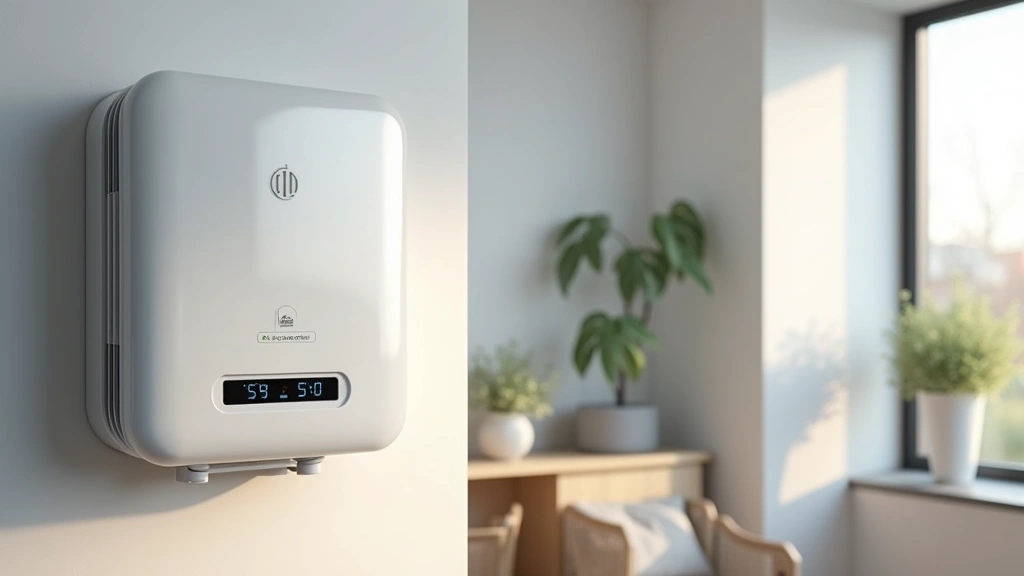
Modern homes increasingly rely on smart ventilation systems that automatically manage indoor air quality while optimizing energy efficiency. These systems represent a significant upgrade from passive ventilation, actively monitoring CO2 levels, humidity, and particulate matter to maintain ideal indoor conditions. Heat recovery ventilation (HRV) systems capture warmth from outgoing air and transfer it to incoming fresh air, reducing heating costs while maintaining air quality.
Smart ventilation systems integrate with home automation platforms, allowing remote monitoring and control via smartphone apps. Humidity sensors trigger ventilation when moisture levels exceed healthy thresholds, preventing mold growth and musty odors. CO2 sensors monitor air freshness, automatically increasing ventilation when carbon dioxide levels indicate poor air quality—particularly important in bedrooms and offices where occupants spend extended periods.
Installation complexity varies significantly between systems. Advanced smart systems may require professional installation and integration with existing HVAC infrastructure. However, newer models offer retrofit options for homes without existing ductwork, using portable units with smart controls that achieve similar air quality benefits without major renovation.
Energy efficiency ratings for smart ventilation systems typically show 70-85% heat recovery efficiency, meaning most thermal energy from outgoing air gets transferred to incoming fresh air. Annual energy savings can reach $200-400 for households in moderate climates, though savings vary based on local weather conditions and system usage patterns.
Portable Air Devices for Travel
The rise of remote work and frequent travel has created demand for portable air quality solutions. Portable air purifiers designed for travel deliver surprising performance in compact form factors, typically weighing 1-3 pounds and fitting easily in carry-on luggage. These devices use HEPA filters and activated carbon to improve air quality in hotel rooms, offices, and other temporary spaces.
Battery life represents the primary consideration for portable air devices. Premium models offer 8-12 hours of continuous operation on high settings, sufficient for a full workday or cross-country flight. Charging speeds vary, with most modern portable purifiers reaching full charge in 2-4 hours via USB-C connections. Noise levels on portable units typically range from 25-35 decibels, acceptable for office environments and shared spaces.
Portable cooling solutions for personal comfort—such as portable air conditioners and personal evaporative coolers—offer relief in hot climates where central AC is unavailable. These devices typically cool small areas (200-400 square feet) effectively, though they consume significant power. Energy consumption varies from 500-1500 watts, important to consider when using on laptop power adapters or portable power stations.
Integration with cloud-based services allows travelers to monitor air quality remotely across multiple locations. Some portable devices connect to smartphone apps showing real-time air quality metrics, filter status, and maintenance reminders. This connectivity transforms portable air technology from passive devices into active health monitoring tools.
Detailed Specifications Comparison
Comparing air tech products requires understanding technical specifications and how they translate to real-world performance. CADR (Clean Air Delivery Rate) remains the most reliable performance metric for air purifiers, measured in cubic feet per minute. A CADR of 300+ handles large rooms (300+ square feet) effectively, while 150-200 CADR suits medium rooms (150-250 square feet).
Filter Types and Efficiency:
- Pre-filters: Capture large particles (dust, pet hair) extending HEPA filter lifespan
- HEPA filters: Remove 99.97% of particles 0.3 microns or larger
- Activated carbon filters: Absorb odors, VOCs, and gaseous pollutants
- UV-C filters: Neutralize bacteria and viruses (effectiveness varies by model)
- Ionizers: Charge particles for easier capture (controversial effectiveness)
Noise Level Comparison Across Categories: Quiet operation defines premium air tech. Air purifiers operate at 20-30 dB on low settings (whisper-quiet), 35-45 dB on medium (normal conversation), and 50-60+ dB on high (noticeable). Gaming coolers produce 30-50 dB depending on fan speed, while smart ventilation systems typically stay below 35 dB due to low-speed operation.
Power consumption varies dramatically across product categories. Air purifiers consume 30-100 watts depending on fan speed and filtration complexity. Portable cooling devices draw 500-1500 watts, making them power-intensive. Smart ventilation systems use 50-150 watts for continuous operation. Understanding power consumption helps calculate operating costs and environmental impact.
Installation and Setup Guide
Proper installation significantly impacts air tech performance. Air purifier placement matters substantially—position units centrally in rooms or near sources of air pollution for optimal performance. Avoid corners and enclosed spaces that restrict airflow. Most purifiers perform best when placed 1-3 feet above ground level, allowing air circulation patterns to distribute cleaned air throughout the space.
For smart home integration, connect devices to your WiFi network during initial setup. Most modern air purifiers support 2.4GHz WiFi (older models) and 5GHz WiFi (newer models). Ensure your router broadcasts both frequencies if using older devices. Enable notifications in accompanying apps to receive filter replacement reminders and air quality alerts.
Gaming Cooling Installation Steps:
- Verify case compatibility with cooling solution dimensions
- Install mounting brackets according to manufacturer specifications
- Apply thermal paste to CPU (if using air cooler) or follow AIO mounting instructions
- Connect fan power cables to motherboard PWM headers or fan controllers
- Configure fan curves in BIOS or software for optimal thermal performance
- Monitor temperatures during initial stress testing
Smart ventilation installation typically requires professional help for ducted systems but can be DIY for portable models. Position intake vents near windows or fresh air sources while keeping exhaust vents away from neighboring units to avoid recirculation.
Maintenance and Long-term Care
Consistent maintenance extends air tech product lifespan and preserves performance. Filter replacement schedules vary by usage and air quality. In clean environments with light usage, HEPA filters last 12 months. In dusty conditions with heavy usage, filters may require replacement every 3-6 months. Pre-filters can be vacuumed periodically to extend HEPA filter life.
Regular Maintenance Checklist:
- Monthly: Vacuum pre-filters and check for visible dust accumulation
- Quarterly: Inspect seals and gaskets for damage or degradation
- Every 6 months: Clean exterior surfaces and verify app connectivity
- Annually: Replace HEPA filters unless manufacturer recommends extended intervals
- As needed: Update firmware through manufacturer apps for performance improvements
Gaming cooling systems require different maintenance approaches. Air coolers need periodic dust removal from fan blades and radiator fins using compressed air. Liquid coolers require less frequent maintenance but should be inspected annually for leaks. Most AIO coolers feature sealed systems requiring no user maintenance beyond monitoring temperatures.
Smart ventilation systems benefit from quarterly filter changes and annual professional inspections. Ductwork cleaning every 3-5 years removes accumulated dust and improves airflow efficiency. Monitor humidity and CO2 levels regularly—if readings seem abnormal, verify sensor calibration through manufacturer guidelines.
FAQ
What is the air tech challenge and why does it matter?
The air tech challenge refers to the ongoing competition among manufacturers to create effective, efficient, and user-friendly air quality and thermal management solutions. It matters because indoor air quality directly impacts health, while proper cooling prevents hardware damage and extends device lifespan. Modern air tech addresses multiple concerns simultaneously—pollution removal, thermal efficiency, energy conservation, and smart home integration.
How often should I replace air purifier filters?
Most HEPA filters last 6-12 months under normal usage. Heavy usage in dusty or polluted environments may require replacement every 3-6 months. Pre-filters can be vacuumed monthly to extend HEPA filter life. Check your specific model’s manufacturer recommendations, as filter lifespan varies significantly by device type and environmental conditions.
Is liquid cooling better than air cooling for gaming?
Liquid cooling generally performs better, maintaining temperatures 15-20°C lower than air cooling under full load. However, air cooling offers advantages in simplicity, reliability, and lower cost. For most gamers, quality air cooling with optimized case airflow delivers excellent performance. Liquid cooling becomes necessary for extreme overclocking or when pushing high-end components to their limits.
Do portable air purifiers actually work?
Yes, portable air purifiers effectively clean air in personal spaces (typically 100-300 square feet). However, they work best in enclosed areas like hotel rooms or small offices. Performance depends on CADR rating—look for at least 150 CADR for meaningful air cleaning. They’re ideal for travelers and people with limited space, though they won’t replace whole-home purification systems.
Can smart ventilation systems reduce energy costs?
Modern smart ventilation systems with heat recovery can reduce heating and cooling costs by 10-20% annually. Systems achieve 70-85% heat recovery efficiency, transferring warmth from outgoing air to incoming fresh air. Actual savings depend on local climate, home insulation, and system usage patterns. In moderate climates, expect annual savings of $200-400.
What CADR rating do I need for my room size?
Use this formula: multiply your room’s square footage by 0.3 to get the minimum recommended CADR. A 300 square foot bedroom needs minimum 90 CADR, though 150+ provides faster cleaning. For large living rooms (400+ sq ft), aim for 200+ CADR. Premium systems targeting 300+ CADR handle large spaces efficiently, cleaning them completely within 30 minutes.
Are UV-C filters in air purifiers effective?
UV-C technology can neutralize bacteria and viruses when air passes through the purifier’s chamber. However, effectiveness depends on exposure time and UV intensity. Independent testing shows mixed results—UV-C helps but shouldn’t be the primary selling point. HEPA filtration remains the most proven method for removing harmful particles and microorganisms from indoor air.
How do I optimize gaming cooling performance?
Maximize cooling by ensuring positive case airflow (more intake than exhaust), positioning intake fans at the front/bottom and exhaust at the rear/top. Keep dust filters clean monthly. Configure fan curves to increase speed gradually with temperature rather than running constantly at maximum. Maintain 1-2 inches of space around case vents for unobstructed airflow. Visit our tech blog for detailed cooling optimization guides.


