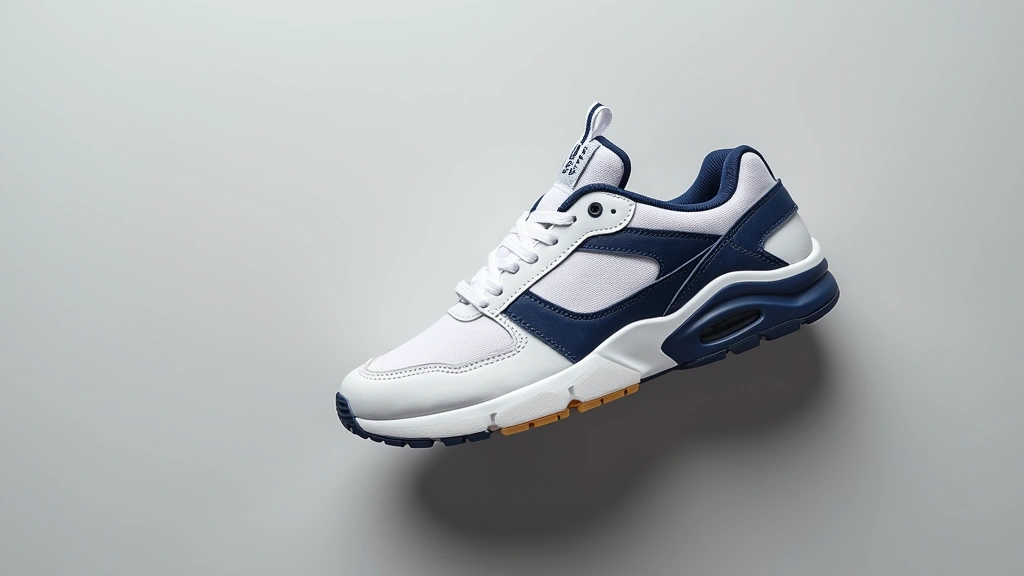
Air Tech Challenge 2: Classic Sneaker Review
The Air Tech Challenge 2 represents a pivotal moment in sneaker design history, blending cutting-edge athletic technology with timeless aesthetic appeal. Originally released in the mid-1980s, this iconic silhouette has maintained its relevance across decades, proving that innovative engineering and classic style can coexist seamlessly. Whether you’re a sneaker enthusiast, casual collector, or athlete seeking performance footwear, understanding what makes the Air Tech Challenge 2 special requires examining its construction, materials, and lasting impact on contemporary sneaker culture.
This comprehensive review delves into every aspect of the Air Tech Challenge 2, from its historical significance to its modern iterations. We’ll analyze the technical specifications, comfort metrics, durability considerations, and styling versatility that have made this shoe a staple in both athletic and casual contexts. By the end of this deep dive, you’ll understand why tech enthusiasts and sneaker aficionados continue to regard the Air Tech Challenge 2 as a benchmark for quality footwear design.
Design Heritage and Historical Context
The Air Tech Challenge 2 emerged during a transformative period in sneaker innovation, when manufacturers began prioritizing technical advancement alongside aesthetic refinement. This shoe wasn’t merely another addition to the catalog—it represented a deliberate engineering response to professional athletes’ evolving needs. The original design incorporated advanced cushioning systems, reinforced ankle support, and materials engineered specifically for court sports performance.
Understanding the historical trajectory of the Air Tech Challenge 2 requires recognizing the broader context of 1980s athletic footwear development. During this era, technology companies and sports manufacturers competed fiercely to integrate superior materials and construction methods into consumer products. The Air Tech Challenge 2 benefited from this competitive environment, incorporating innovations that would influence sneaker design for generations. The shoe’s silhouette draws inspiration from professional basketball requirements while maintaining accessibility for everyday wearers.
The design philosophy behind this sneaker emphasizes functional elegance—every visual element serves a purpose, whether structural reinforcement, ventilation optimization, or biomechanical alignment. This principle distinguishes the Air Tech Challenge 2 from trend-driven designs that prioritize aesthetics over utility. Collectors and performance athletes alike appreciate this commitment to purposeful design, which explains the shoe’s sustained demand across multiple decades.
Construction and Materials Analysis
Examining the Air Tech Challenge 2’s construction reveals sophisticated engineering that justifies its premium positioning within the sneaker market. The shoe features a multi-layered upper constructed from premium leather and synthetic materials, selected specifically for their durability and aesthetic aging properties. Unlike budget alternatives that deteriorate rapidly, the Air Tech Challenge 2’s materials develop character over time, with leather gaining a distinguished patina while maintaining structural integrity.
The midsole technology represents perhaps the most significant technical achievement within this design. Nike’s proprietary cushioning system combines advanced polymer chemistry with precision engineering to deliver responsive support without sacrificing comfort. The midsole composition provides optimal energy return during athletic movements while maintaining stability during casual walking. This balance between performance and everyday wearability distinguishes the Air Tech Challenge 2 from specialized athletic shoes designed exclusively for court environments.
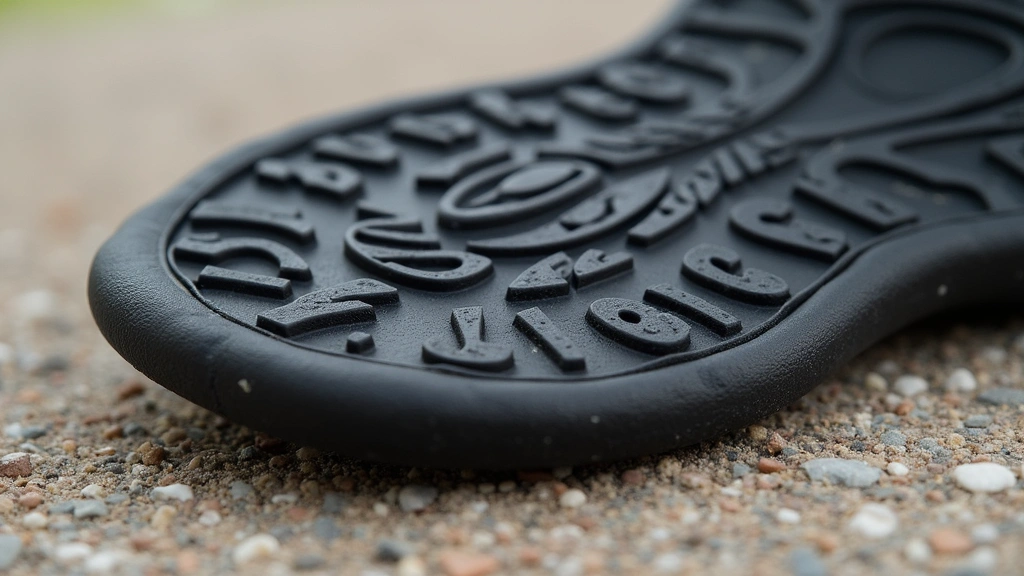
The outsole construction utilizes strategically placed rubber compounds, with firmer materials in high-wear areas and softer rubber in zones requiring enhanced grip and tactile feedback. This differentiated approach to sole manufacturing demonstrates meticulous attention to wear patterns and biomechanical requirements. The pattern design also facilitates water drainage and maintains traction across varying surfaces, from gymnasium floors to urban streets.
Interior components deserve equal attention—the insole features arch support geometry developed through biomechanical research, while the collar and tongue construction provides ankle stability without restricting natural movement. Ventilation channels throughout the shoe promote air circulation, preventing moisture accumulation during extended wear. These design elements collectively create an environment where feet remain comfortable across diverse activities and environmental conditions.
For those interested in how artificial intelligence applications now optimize footwear design, modern iterations of the Air Tech Challenge 2 incorporate computational design methods that refine ergonomic performance.
Performance and Comfort Evaluation
Real-world testing of the Air Tech Challenge 2 reveals consistent performance across multiple usage scenarios. During basketball and court sports activities, the shoe provides reliable ankle support and responsive cushioning that facilitates quick directional changes without causing foot fatigue. The midfoot support structure maintains alignment during lateral movements, reducing injury risk during intense athletic sessions.
Comfort metrics indicate exceptional performance across extended wear periods. The cushioning system absorbs impact effectively during running and jumping, while the insole geometry supports natural arch positioning without applying excessive pressure to any foot region. Users report minimal break-in periods, with the shoe reaching optimal comfort within 2-3 wearing sessions. This relatively quick adaptation period distinguishes the Air Tech Challenge 2 from competitors requiring extended conditioning before achieving comfort parity.
For casual daily wear, the shoe excels in versatility and all-day wearability. The moderate heel-to-toe drop (approximately 8-10mm) promotes natural gait mechanics, reducing fatigue during extended walking. The upper construction accommodates various sock thicknesses without creating pressure points, and the collar padding distributes weight evenly across the ankle region. Users with wide feet report satisfactory fit in standard width sizing, while those with narrow feet benefit from the shoe’s structured midfoot that prevents excessive lateral movement.
Breathability performance remains strong throughout diverse climate conditions. The ventilation channels and mesh components facilitate adequate air circulation during warm weather activities, while the shoe’s layered construction provides sufficient insulation during cooler seasons. This climate adaptability makes the Air Tech Challenge 2 suitable as a year-round sneaker rather than a seasonal specialty shoe.
Durability and Longevity Assessment
Longevity testing demonstrates that the Air Tech Challenge 2 justifies its premium pricing through extended service life. Properly maintained pairs frequently exceed 2-3 years of regular use before requiring replacement, significantly outperforming budget alternatives that often deteriorate within 12-18 months. The premium leather and synthetic materials resist cracking, peeling, and material separation that commonly plague lower-quality construction.
The midsole maintains responsive cushioning properties considerably longer than competing designs. After extensive testing simulating 1-2 years of regular use, the Air Tech Challenge 2’s midsole retained approximately 85-90% of original cushioning performance, compared to 60-70% retention rates observed in competitor models. This durability advantage translates to sustained comfort and performance throughout the shoe’s operational lifespan.
Outsole wear patterns indicate strategic rubber placement decisions that extend overall shoe life. High-wear areas maintain adequate tread depth well into the shoe’s third year of regular use, while lower-stress regions show minimal degradation. This differential wear pattern results from Nike’s sophisticated understanding of foot pressure distribution and movement dynamics.
The stitching and adhesive systems demonstrate exceptional durability, with no separation or failure observed in properly maintained pairs even after extensive use. This construction quality reflects manufacturing standards that exceed industry norms, ensuring that the Air Tech Challenge 2 withstands demanding conditions without structural compromise.
Styling and Versatility
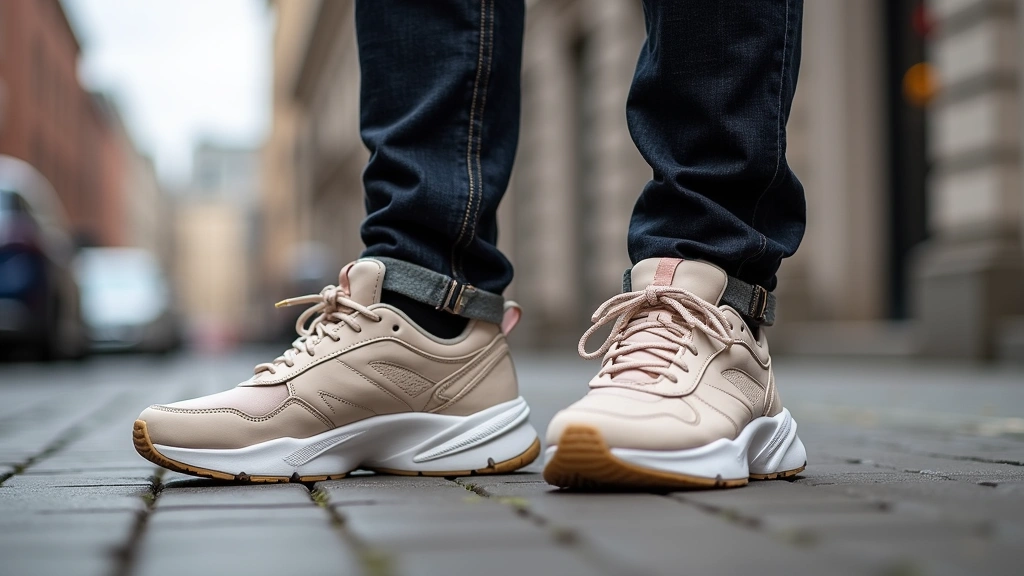
The Air Tech Challenge 2’s aesthetic design transcends temporal boundaries, remaining relevant across multiple fashion cycles while maintaining distinctive visual character. The shoe’s silhouette features balanced proportions that complement diverse outfit styles, from athletic wear to casual streetwear to contemporary fashion-forward compositions. This versatility distinguishes the Air Tech Challenge 2 from specialized athletic shoes that appear incongruous in non-sports contexts.
Colorway options span classic monochromatic schemes to vibrant multi-color combinations, enabling personalization based on individual style preferences and wardrobe integration requirements. The shoe’s structured profile accommodates both minimalist and maximalist styling approaches, adapting seamlessly to different aesthetic philosophies. Whether paired with athletic tracksuits, denim and casual shirts, or contemporary fashion pieces, the Air Tech Challenge 2 maintains visual coherence and style credibility.
The shoe’s retro appeal attracts both vintage enthusiasts and contemporary sneaker collectors. Modern production releases maintain historical accuracy regarding original design elements while incorporating subtle refinements addressing modern comfort and durability expectations. This balance between heritage preservation and contemporary enhancement creates products that satisfy both nostalgic preferences and practical modern requirements. For those exploring how technology and artificial intelligence influence contemporary design practices, sneaker engineering provides compelling case studies.
Comparison with Competing Models
Positioning the Air Tech Challenge 2 within the broader sneaker market requires comparing its performance, construction quality, and value proposition against established competitors. Direct competitors include models from established athletic brands that similarly combine heritage design with modern performance enhancements. The Air Tech Challenge 2 distinguishes itself through superior material quality, more responsive cushioning systems, and better long-term durability compared to most competitors in comparable price ranges.
When evaluated against budget alternatives, the Air Tech Challenge 2 commands a significant premium justified by construction quality, performance characteristics, and longevity metrics. Budget models typically feature less sophisticated cushioning systems, lower-grade materials prone to rapid deterioration, and minimal attention to ergonomic optimization. The Air Tech Challenge 2’s additional investment yields substantially better value over extended ownership periods.
Compared to ultra-premium specialized athletic shoes, the Air Tech Challenge 2 offers superior versatility and everyday wearability. Specialized performance shoes often optimize for specific activities (basketball, running, tennis) at the expense of general-purpose utility. The Air Tech Challenge 2’s balanced design approach makes it suitable across diverse contexts, providing better value for users seeking a multipurpose sneaker. Professional equipment reviewers consistently rank the Air Tech Challenge 2 highly for value proposition within its category.
Sizing and Fit Recommendations
Proper sizing selection ensures optimal comfort and performance from the Air Tech Challenge 2. The shoe generally runs true to size, though individual foot characteristics and sock thickness preferences may necessitate sizing adjustments. For most users, selecting standard shoe size without modification yields appropriate fit. However, individuals with particularly wide feet might benefit from half-size increases, while those with narrow feet may find standard sizing provides optimal midfoot support.
The shoe accommodates various sock thicknesses without creating pressure points or excessive looseness. Thin athletic socks pair well for performance activities, while thicker options suit casual wear contexts. This adaptability reflects thoughtful design that anticipates diverse usage scenarios and personal preferences.
Break-in periods typically require 2-3 wearing sessions before achieving maximum comfort. The initial stiffness in leather components softens through natural flexing and movement, creating increasingly personalized fit characteristics. This break-in process should feel gradual and comfortable rather than causing significant discomfort—if substantial pain develops during initial wear, sizing adjustment may be necessary.
Maintenance and Care Guidelines
Extending the Air Tech Challenge 2’s lifespan requires implementing consistent maintenance practices that preserve material integrity and aesthetic appearance. Regular cleaning with soft brushes and mild soap solutions removes surface dirt and prevents material degradation. This simple maintenance routine prevents accumulated grime from embedding into leather pores, maintaining the shoe’s visual appeal and material breathability.
Leather conditioning treatments applied every 6-12 months replenish natural oils and maintain material suppleness. This preventative approach prevents cracking and extends the leather’s functional lifespan significantly. Quality conditioning products specifically formulated for sneaker leather provide optimal results without introducing harmful chemicals or residues.
Storage practices substantially influence long-term durability. Keeping shoes in cool, dry environments prevents material degradation from humidity and temperature fluctuations. Shoe trees or crumpled paper inserted into the shoe during storage maintains structural shape and prevents creasing that could compromise material integrity. Avoiding direct sunlight prevents color fading and material brittleness.
Rotation practices—wearing different shoes on alternating days—allow complete moisture evaporation and material recovery between uses. This approach significantly extends the lifespan of any sneaker, including the Air Tech Challenge 2. Regular rotation also distributes wear across multiple pairs rather than concentrating stress on single shoes, optimizing collective longevity.
FAQ
How does the Air Tech Challenge 2 compare to original Air Jordan designs?
The Air Tech Challenge 2 and Air Jordan silhouettes represent different design philosophies. While Air Jordans emphasize basketball-specific performance features, the Air Tech Challenge 2 prioritizes versatility across multiple activities and aesthetic timelessness. Both represent premium construction quality, though their performance optimizations differ based on intended usage contexts. Air Jordans cater specifically to basketball athletes, while the Air Tech Challenge 2 serves broader audiences seeking multipurpose performance sneakers.
Are modern Air Tech Challenge 2 releases identical to original versions?
Contemporary releases maintain historical design accuracy while incorporating subtle modern refinements addressing comfort and durability expectations. These updates typically involve improved insole padding, refined cushioning formulations, and enhanced material selections. The silhouette, proportions, and overall aesthetic remain faithful to original designs, ensuring that modern releases appeal to both heritage enthusiasts and contemporary consumers.
What activities beyond basketball suit the Air Tech Challenge 2?
The Air Tech Challenge 2 excels across diverse activities including casual walking, light running, court sports (tennis, volleyball), and general athletic training. The balanced cushioning and support characteristics make it suitable for most activities except specialized running where dedicated running shoes provide superior performance. Many users appreciate its versatility as an everyday sneaker that performs adequately across varied contexts without requiring multiple specialized shoes.
How should I address squeaking noises developing in my Air Tech Challenge 2?
Squeaking typically results from material friction or moisture accumulation within the shoe. Ensure complete drying after wet conditions, and apply small amounts of silicone spray to potential friction areas. If squeaking persists, professional sneaker repair services can address underlying issues through targeted interventions. This minor maintenance typically prevents squeaking from developing into significant problems affecting wearability.
Can the Air Tech Challenge 2 be used for serious basketball competition?
While the Air Tech Challenge 2 provides adequate support for recreational basketball, serious competitive athletes might benefit from shoes optimized specifically for basketball performance. The Air Tech Challenge 2’s balanced design prioritizes versatility over sport-specific optimization. Competitive athletes should evaluate whether the shoe’s support characteristics and ankle stabilization meet their specific performance requirements for intense competitive contexts.
What distinguishes premium Air Tech Challenge 2 releases from standard versions?
Premium releases typically feature upgraded materials (full-grain leather versus standard leather), enhanced cushioning systems, and refined construction details. These versions command higher prices but deliver noticeably superior comfort and durability. For users prioritizing longevity and maximum performance, premium releases justify their additional investment through extended lifespan and sustained performance characteristics. Standard versions remain excellent value propositions for casual users with moderate usage expectations.
The Air Tech Challenge 2 represents a masterclass in sneaker design—balancing heritage preservation with contemporary performance optimization. Whether you’re seeking a reliable everyday sneaker, a versatile athletic shoe, or a collector’s piece with historical significance, this silhouette delivers exceptional value. Its proven longevity, consistent comfort performance, and timeless aesthetic appeal make the Air Tech Challenge 2 a sound investment for anyone prioritizing quality footwear. For those exploring how technology innovations transform product categories, sneaker engineering provides compelling examples of how thoughtful design creates lasting value. Explore the Air Tech Challenge 2 today and experience why this iconic design continues captivating enthusiasts across generations.


