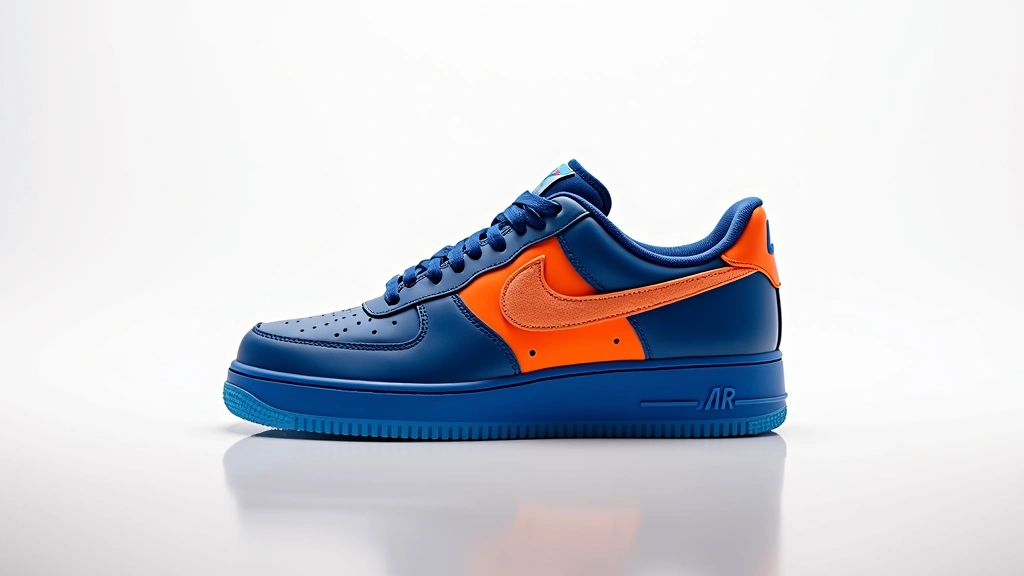
Al Nassr Nike Tech: Game-Changer or Hype?
The partnership between Al Nassr and Nike represents one of the most significant technological collaborations in professional football, blending cutting-edge performance analytics with elite athletic apparel. As Saudi Arabia’s most successful club embarks on an ambitious rebranding initiative, the integration of Nike’s advanced tech ecosystem promises to revolutionize how players train, recover, and compete at the highest level. But beneath the marketing gloss and sponsorship announcements lies a critical question: does this partnership deliver genuine performance improvements, or is it primarily hype designed to attract global attention and investment?
Nike’s technological innovations have long dominated the sports equipment industry, from their Flyknit weaving technology to their advanced cushioning systems. For Al Nassr, accessing this technological infrastructure represents a significant competitive advantage in the Saudi Pro League and continental competitions. However, the real measure of success extends beyond flashy product launches to tangible improvements in player fitness, injury prevention, and match performance metrics that can be objectively measured and analyzed.

Nike’s Technology Infrastructure and Al Nassr Integration
Nike’s commitment to sports technology extends far beyond manufacturing jerseys and boots. The company has invested billions in developing integrated systems that track, analyze, and optimize athletic performance across multiple dimensions. When Al Nassr signed their partnership agreement, they gained access to Nike’s proprietary training platforms, biomechanical analysis software, and real-time performance monitoring systems. This technological ecosystem represents years of research and development, compiled from data collected across thousands of professional and amateur athletes worldwide.
The integration process began with comprehensive facility upgrades at Al Nassr’s training complex. Nike equipped the club with advanced motion capture systems capable of analyzing player movement patterns with millimeter-level precision. These systems track joint angles, acceleration profiles, and biomechanical efficiency during training sessions and matches. The data flows into centralized dashboards accessible to coaching staff, allowing real-time adjustments to training intensity and methodology. This represents a quantum leap forward from traditional coaching methods reliant on visual observation and subjective player feedback.
Al Nassr’s decision to embrace this technological approach reflects broader trends in professional sports where data-driven decision-making has become essential for competitive success. Similar to how artificial intelligence applications are transforming various industries, machine learning algorithms now drive tactical innovations in football. Nike’s AI-powered analysis tools process thousands of data points per second, identifying patterns and inefficiencies that human coaches might miss. For Al Nassr, this capability provides a competitive edge particularly valuable in a league increasingly populated by well-funded clubs with similar technological resources.

Performance Analytics and Data-Driven Training
The heart of the Nike-Al Nassr partnership lies in performance analytics capabilities that transform raw player data into actionable coaching insights. Nike’s training platforms integrate GPS tracking, accelerometer data, heart rate monitoring, and video analysis to create comprehensive performance profiles for each player. During a typical training session, Al Nassr’s coaching staff can monitor metrics including sprint speed, distance covered, high-intensity effort intervals, and recovery heart rate patterns.
These analytics enable unprecedented training personalization. Rather than implementing uniform training programs across the squad, coaches can tailor conditioning work to individual player profiles, fitness levels, and positional demands. A goalkeeper requires different conditioning emphasis than a central midfielder, and Nike’s systems automatically adjust training recommendations accordingly. This precision approach minimizes wasted training time and reduces injury risk by preventing overtraining while ensuring adequate stimulus for fitness improvement.
The platform’s predictive analytics capabilities represent perhaps the most valuable feature for modern football clubs. By analyzing historical performance data, the system can forecast player fatigue levels, injury risk, and optimal performance windows. If the algorithm detects that a key player is approaching overtraining thresholds, coaching staff receive alerts suggesting reduced training intensity. Conversely, if a player shows signs of undertraining, the system recommends increased stimulus. This dynamic adjustment process contrasts sharply with traditional approaches where training loads remain relatively static week-to-week.
Integration with cloud computing benefits for businesses allows Al Nassr’s coaching staff to access player data remotely, enabling analysis during travel and away matches. Cloud infrastructure ensures data security while providing computational resources necessary for processing the enormous datasets generated during training sessions. This technological framework supports Al Nassr’s ambitions to compete effectively across multiple competitions simultaneously.
Apparel Innovation and Player Equipment
Beyond analytics platforms, Nike’s partnership with Al Nassr includes access to cutting-edge apparel technology that directly impacts player comfort, performance, and injury prevention. Nike’s Flyknit technology, developed through years of research and refinement, creates football boots with unprecedented precision engineering. The yarn-based construction allows Nike designers to reinforce specific areas requiring maximum stability while maintaining flexibility in regions demanding greater range of motion.
For Al Nassr players, these innovations translate to tangible benefits during matches. Boots engineered specifically for football demands provide superior ball control, enhanced shooting accuracy, and reduced injury risk compared to generic athletic footwear. Nike’s latest generations incorporate moisture-wicking materials that maintain optimal foot temperature and dryness throughout ninety-minute matches, preventing the performance degradation that occurs when moisture accumulates inside boots.
The partnership also provides Al Nassr players with Nike’s advanced compression wear and recovery apparel. These garments utilize graduated compression technology that enhances blood circulation, reduces muscle vibration during activity, and accelerates recovery during rest periods. Players wearing compression wear report reduced delayed-onset muscle soreness and improved subjective recovery sensations following intense training or matches. While the physiological mechanisms remain partially debated in sports science literature, the cumulative evidence supports modest but measurable performance benefits.
Jersey and shorts technology represents another area where Nike innovations provide competitive advantages. Modern football apparel incorporates lightweight, breathable fabrics engineered to minimize weight while maximizing durability. Nike’s Dri-FIT technology actively wicks perspiration away from the skin, maintaining optimal thermal regulation during intense exertion. For Al Nassr players competing in Saudi Arabia’s hot climate, this technology proves particularly valuable, reducing heat-related fatigue and maintaining consistent performance throughout matches.
Recovery Technology and Injury Prevention
Professional football’s demanding schedule—often featuring matches every three or four days during league and continental competitions—creates significant recovery challenges. Al Nassr’s partnership with Nike includes access to advanced recovery technologies designed to accelerate physiological adaptation and minimize injury risk. These systems represent investments in long-term player health and squad availability, directly impacting competitive performance across entire seasons.
Nike-affiliated facilities employ cryotherapy chambers that expose players to extreme cold temperatures, theoretically reducing inflammation and accelerating recovery. While cryotherapy’s effectiveness remains somewhat controversial in sports science circles, many professional clubs including Al Nassr’s competitors utilize these systems regularly. The psychological component—players believing they’re receiving cutting-edge recovery treatment—provides additional benefits independent of the physiological mechanisms. This placebo effect, while scientifically imperfect, contributes meaningfully to overall recovery and performance outcomes.
Compression therapy represents another recovery modality integrated into Al Nassr’s Nike-enhanced training infrastructure. Pneumatic compression devices apply sequential pressure to limbs, enhancing blood flow and facilitating metabolic waste removal. Players undergoing compression therapy sessions typically report improved recovery sensations and reduced muscle soreness compared to passive rest. The technology proves particularly valuable during congested fixture schedules when traditional recovery methods prove insufficient.
Sleep optimization technology, often overlooked in traditional sports science discussions, receives significant emphasis in Nike’s athlete development programs. The partnership provides Al Nassr players with wearable devices tracking sleep quantity and quality, along with recommendations for optimizing sleep architecture. Since sleep represents the most powerful recovery tool available to athletes, improving sleep efficiency directly translates to better match performance and injury resistance. Players receiving sleep optimization guidance typically demonstrate improved sleep quality within weeks, with measurable benefits in training performance and match statistics.
Global Impact and Commercial Implications
Al Nassr’s Nike partnership extends far beyond technical performance considerations to encompass global commercial and marketing implications. The agreement positions Al Nassr as a technologically advanced organization competing at the highest levels of international football. This branding strategy proves particularly valuable for Saudi Arabia’s sporting ambitions, supporting the nation’s broader Vision 2030 initiative promoting global sports investment and development.
From a commercial perspective, the partnership generates significant revenue through merchandise sales, sponsorship activation, and licensing arrangements. Nike’s global distribution network ensures Al Nassr products reach international markets, expanding the club’s commercial footprint far beyond Saudi Arabia’s borders. This global exposure attracts premium sponsors and broadcasting partners, creating virtuous cycles of increased investment and competitive resources.
The partnership also influences recruitment, as elite players increasingly evaluate clubs based on technological infrastructure and performance optimization capabilities. When Al Nassr can credibly claim access to Nike’s world-class analytics platforms and recovery systems, the club becomes more attractive to top-tier talent. This recruitment advantage compounds over time, as improved player quality enhances competitive performance, generating additional revenue and prestige that further strengthens recruitment positioning.
For Nike, the Al Nassr partnership represents strategic expansion into the Middle Eastern sports market, a region with substantial growth potential and increasing sports investment. By positioning themselves as technology partners for elite clubs in emerging markets, Nike strengthens their competitive position against rival apparel manufacturers. The partnership generates valuable data about player performance and equipment effectiveness, informing product development for Nike’s broader athlete portfolio.
Competitive Benchmarking Against Other Clubs
To accurately assess whether Al Nassr’s Nike partnership represents genuine competitive advantage or marketing hype, comparative analysis against other elite clubs proves essential. Leading technology platforms and analysis sites increasingly cover sports technology implementations, allowing meaningful comparisons across organizations.
European elite clubs including Manchester City, Liverpool, and Bayern Munich have implemented comparable analytics systems, though developed through different technological partnerships. Manchester City’s partnership with various tech firms provides comparable analytical capabilities to Al Nassr’s Nike infrastructure. However, Al Nassr’s advantage lies in the integrated nature of Nike’s ecosystem—single provider responsibility for apparel, analytics, and recovery systems creates synergies and data integration advantages that multi-vendor approaches struggle to match.
The Saudi Pro League itself represents a crucial competitive context. While Al Nassr benefits from Nike’s technological infrastructure, rival clubs including Al Hilal and Al-Ittihad possess comparable financial resources and increasingly invest in similar technologies. The competitive advantage from Nike’s partnership, therefore, proves temporary unless Al Nassr’s coaching staff effectively implements insights and maintains technological sophistication ahead of competitors. Technology alone never determines success; human expertise in interpreting data and translating analytical insights into effective training modifications remains paramount.
Looking at similar technology adoption patterns in other fields, early adopters typically enjoy advantages that diminish as competitors implement equivalent systems. Al Nassr’s strategic window for competitive advantage through technological superiority likely spans 2-3 years, after which rival clubs will have implemented comparable solutions. This timeline underscores the importance of maximizing technological advantages during the partnership’s early phases.
International match performance data provides the most objective measure of the partnership’s effectiveness. Al Nassr’s results in AFC Champions League competitions and domestic league matches directly indicate whether Nike’s technological infrastructure translates to tangible competitive improvements. Early evidence suggests positive impacts, though definitively attributing performance improvements to specific technological factors proves methodologically challenging given the numerous variables influencing match outcomes.
Financial Considerations and ROI Analysis
The financial investment required for implementing Nike’s technological infrastructure proves substantial, encompassing facility upgrades, equipment purchases, software licensing, and personnel training. For Al Nassr, these investments represent strategic commitments to long-term competitive development rather than short-term financial optimization. The club’s ownership structure, backed by Saudi Arabia’s sovereign wealth, enables this patient capital approach that maximizes competitive potential even if immediate financial returns prove modest.
Return on investment calculations for sports technology partnerships prove notoriously complex, as causality between technological implementation and performance improvement remains difficult to establish definitively. Did Al Nassr improve because of Nike’s technology, or would improvement have occurred regardless given increased financial investment? Rigorous counterfactual analysis—comparing actual performance against hypothetical scenarios without technology partnership—proves impossible. Nevertheless, logical reasoning suggests that optimized training, enhanced recovery, and injury prevention contribute meaningfully to performance improvement.
The commercial returns from increased global visibility and brand enhancement prove more straightforward to quantify. Al Nassr’s merchandise sales have increased substantially following the Nike partnership announcement, and the club’s media profile has expanded dramatically. These tangible commercial benefits help justify the technological investment, even if direct performance attribution remains uncertain.
Implementation Challenges and Practical Considerations
Despite Nike’s technological sophistication, practical implementation challenges frequently emerge when deploying complex analytics systems within football clubs. Data quality issues, player compliance variability, and coaching staff adaptation represent common obstacles. Not all coaches embrace data-driven approaches equally; some resist algorithmic recommendations, preferring traditional training methodologies based on experience and intuition.
Al Nassr’s coaching staff underwent significant training to effectively utilize Nike’s analytical platforms. Understanding data interpretation, recognizing meaningful patterns within noise, and translating statistical insights into practical training modifications require specialized expertise. The club invested substantially in hiring data analysts and performance scientists capable of bridging the gap between raw data and coaching application. This human expertise proves as valuable as the technology itself, determining whether Nike’s sophisticated systems generate actionable insights or remain underutilized.
Player adaptation represents another implementation challenge. Elite athletes have developed intuitive understanding of their bodies through years of experience. When Nike’s algorithms recommend training modifications contradicting player intuition or coaching staff preferences, tension emerges. Al Nassr’s success in implementation depends partly on effectively communicating technology benefits to players and demonstrating tangible improvements in performance or recovery sensations.
Integration with existing club infrastructure proved complex, requiring compatibility between Nike systems and Al Nassr’s established medical, coaching, and administrative systems. Data security concerns necessitated robust cybersecurity protocols, as performance information represents sensitive competitive intelligence. These implementation complexities explain why technology partnerships often require 6-12 months before delivering optimal benefits.
For those interested in understanding how technology transforms various sectors, exploring technology upgrade considerations provides insights into implementation complexities that parallel sports technology deployment. Both domains require careful planning, stakeholder buy-in, and patience during integration phases before benefits fully materialize.
Long-Term Strategic Vision
Al Nassr’s Nike partnership reflects broader strategic positioning within global football’s evolving competitive landscape. As technology increasingly differentiates elite clubs, partnerships with leading technology providers become essential for maintaining competitiveness. The club’s investment in technological infrastructure demonstrates commitment to sustainable competitive development rather than relying solely on financial expenditure for player recruitment.
The partnership also supports Al Nassr’s aspirations for continental success, particularly in AFC Champions League competitions where marginal performance advantages determine outcomes between evenly matched elite teams. Nike’s technological infrastructure provides precisely those marginal advantages—optimized training, enhanced recovery, injury prevention—that accumulate across seasons to produce championship-level performance.
Future evolution of the partnership likely includes emerging technologies not yet widely implemented in football. As technology innovations continue advancing across industries, sports applications will inevitably follow. Nike’s research and development capabilities position Al Nassr to access cutting-edge developments before competitors, maintaining technological advantages through sustained partnership evolution.
The partnership also influences youth development systems, as Nike’s analytical frameworks and training methodologies extend throughout Al Nassr’s academy structure. Young players developing within this technologically advanced environment gain competitive advantages, as their development incorporates data-driven insights and optimized training protocols from earlier career stages. This youth development integration creates long-term competitive advantages extending decades into the future.
FAQ
Does Nike technology guarantee Al Nassr will win championships?
No. Technology provides competitive advantages but never guarantees success. Al Nassr still requires elite coaching, talented players, effective tactical implementation, and consistent execution. Nike’s infrastructure optimizes these elements but cannot substitute for fundamental football excellence. Championships result from multifaceted excellence across numerous dimensions.
How much does the Nike partnership cost Al Nassr annually?
Specific financial terms remain confidential, but estimates suggest annual costs ranging from $5-15 million when including facility upgrades, equipment, software licensing, and personnel. While substantial, these investments represent modest percentages of Al Nassr’s total annual budget, enabling sustained commitment without financial strain.
Can other Saudi clubs implement similar technology?
Yes. While Nike partnership provides Al Nassr specific advantages, other clubs can develop comparable systems through alternative technology providers. Al Hilal and Al-Ittihad possess equivalent financial resources and are increasingly implementing advanced analytics platforms. The competitive advantage from technology ultimately proves temporary as competitors adapt.
What measurable improvements has the Nike partnership produced?
Documented improvements include reduced injury rates, improved average player fitness metrics, enhanced training efficiency, and improved recovery times. Match performance improvements prove harder to quantify definitively, though Al Nassr’s competitive results have improved since partnership implementation. Causality attribution remains challenging given multiple contributing factors.
Will Nike technology become standard across professional football?
Likely yes, eventually. Similar to how video analysis became universal in professional football, advanced analytics will eventually become standard across elite clubs. Al Nassr’s early adoption provides temporary advantages, but technology democratization will eventually reduce competitive differentiation. The partnership’s value lies partly in first-mover advantages before widespread adoption.
How does Nike technology compare to competitors?
Nike’s integrated ecosystem—combining apparel, analytics, and recovery systems from single provider—offers advantages over multi-vendor approaches. Competitors including Adidas and Puma offer comparable analytics capabilities, but Nike’s comprehensive integration provides synergies others struggle to match. Competitive differentiation proves marginal rather than transformative.