Best Tech Auto Gadgets? Expert Picks Revealed
The automotive industry has undergone a revolutionary transformation with cutting-edge technology integration. From advanced driver assistance systems to intelligent infotainment platforms, modern vehicles now incorporate sophisticated gadgets that enhance safety, connectivity, and overall driving experience. Whether you’re a tech enthusiast or a practical driver seeking smart solutions, understanding the best automotive tech gadgets available today is essential for making informed purchasing decisions.
We’ve compiled comprehensive reviews of the most innovative automotive technologies that are reshaping how we drive. These expert-selected gadgets range from dashboard cameras and GPS navigation systems to smart car accessories and AI-powered safety features. Each product has been evaluated based on performance metrics, user reliability, integration capabilities, and real-world application value. This guide reveals which automotive tech innovations truly deliver on their promises and which ones warrant careful consideration before investment.
Advanced Dash Cameras and Recording Systems
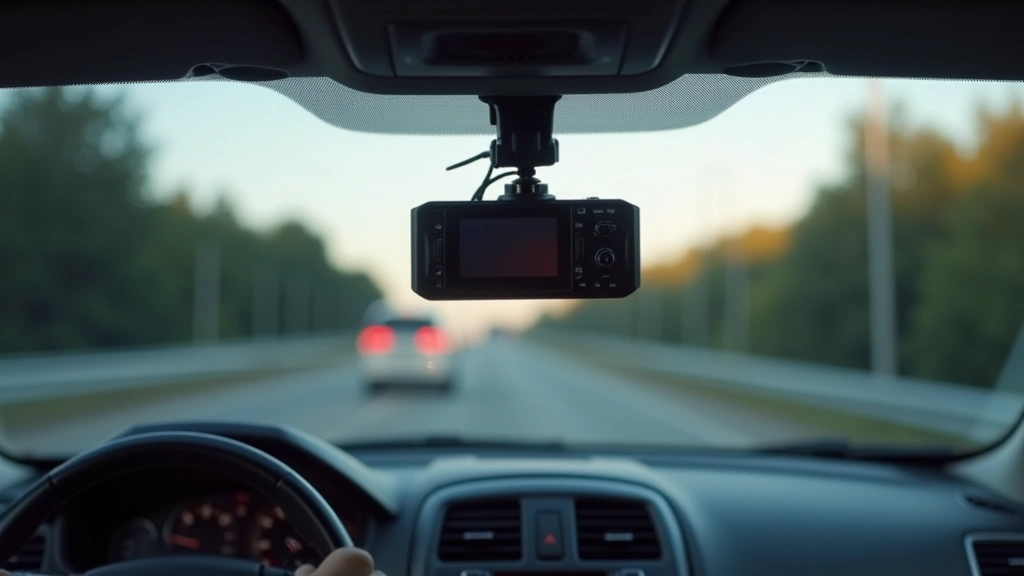
Dashboard cameras have evolved from basic recording devices into sophisticated AI-powered systems that provide comprehensive vehicle documentation. Modern dash cams now feature 4K resolution, advanced night vision capabilities, and intelligent event detection that automatically saves critical footage during accidents or sudden maneuvers. The market leaders in this category offer dual-channel recording, allowing simultaneous front and cabin monitoring with synchronized timestamps and GPS coordinates.
Premium dash camera systems integrate with cloud storage solutions, enabling remote video access and real-time alerts. These devices employ artificial intelligence to detect incidents like collision impacts, sudden braking, and lane departures. Many models now include advanced optical stabilization and HDR imaging to capture clear footage in challenging lighting conditions. The integration of WiFi connectivity allows drivers to review footage directly on smartphones, making incident documentation seamless and efficient.
When selecting a dash camera, consider the field of view (typically 140-180 degrees), frame rate (60fps minimum for clear motion capture), and storage capacity. Top-tier models from manufacturers like Viofo, 70mai, and Nextbase offer parking mode surveillance that continues recording even when the vehicle is stationary. Loop recording functionality ensures storage space is managed automatically, overwriting oldest footage when capacity is reached. These systems have become indispensable for insurance claims, legal documentation, and fleet management applications.
Smart GPS Navigation and Route Planning
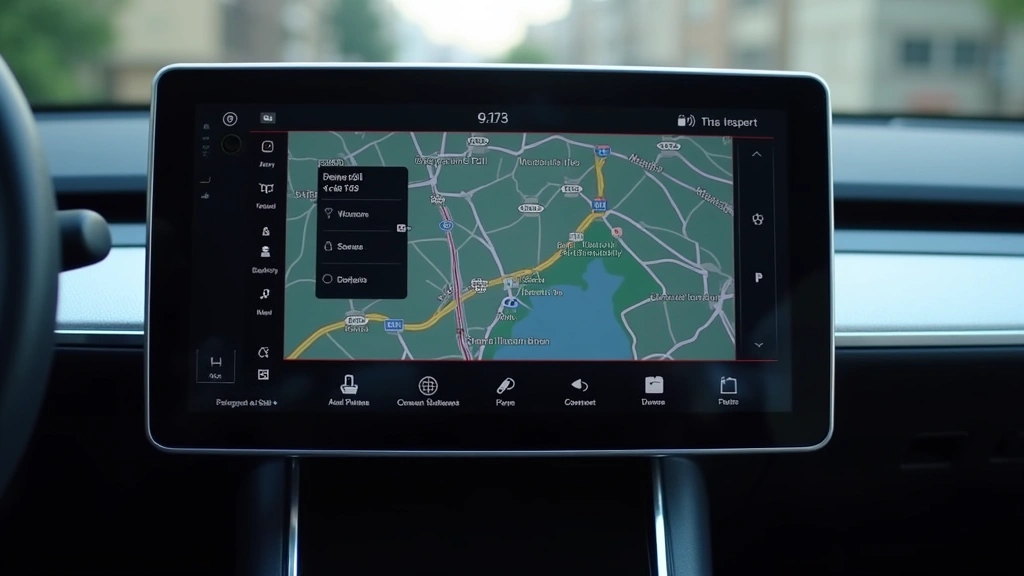
Modern navigation systems have transcended traditional turn-by-turn directions to become comprehensive mobility platforms. Today’s smartest automotive gadgets integrate real-time traffic analysis, predictive routing, and multi-modal transportation options. Advanced GPS units now leverage machine learning algorithms to predict traffic patterns and suggest optimal routes based on historical data and current conditions.
Integration with smartphone ecosystems through Apple CarPlay and Android Auto has revolutionized in-vehicle navigation. These systems provide seamless connectivity with navigation apps like Google Maps, Waze, and Apple Maps, offering dynamic route recalculation and crowd-sourced traffic information. The best navigation solutions incorporate voice command functionality, allowing drivers to maintain focus on the road while inputting destinations and receiving turn-by-turn guidance. Many systems now feature augmented reality overlays that display directional arrows directly on the road ahead.
Professional-grade navigation systems combine GPS accuracy with cellular connectivity for real-time updates. These devices support multi-destination route planning, allowing drivers to sequence multiple stops efficiently. Advanced systems calculate estimated arrival times considering traffic patterns, weather conditions, and historical driving data. For commercial fleet operations, integration with dispatch management software enables centralized vehicle tracking and route optimization across multiple vehicles, significantly reducing fuel consumption and improving delivery efficiency.
Vehicle Security and Tracking Systems
Automotive security technology has advanced dramatically with the integration of GPS tracking, cellular connectivity, and advanced encryption protocols. Modern vehicle security systems offer real-time location tracking, remote immobilization capabilities, and intelligent alarm systems that distinguish between legitimate vehicle movement and unauthorized access attempts. These multi-layered protection systems provide comprehensive security across various threat scenarios.
OBD-II port trackers represent an affordable entry point for vehicle monitoring, offering real-time location data transmitted to smartphone applications. These compact devices monitor engine diagnostics simultaneously, providing alerts for mechanical issues. More advanced systems integrate with vehicle electrical systems, offering remote door locking, engine immobilization, and automatic emergency notifications. Some premium solutions employ geofencing technology that alerts owners when vehicles leave designated areas, making them particularly valuable for fleet management and teenage driver monitoring.
Professional installation security systems integrate with existing vehicle electronics, offering seamless operation without visible external components. These systems utilize cellular networks for reliable communication even in areas with poor GPS coverage. Advanced models include motion sensors, glass break detection, and pressure-sensitive door switches that trigger immediate notifications. Integration with emergency response services enables rapid police dispatch when theft is detected, significantly improving vehicle recovery rates compared to traditional security systems.
Connected Car Infotainment Solutions
The modern vehicle infotainment system represents the technological heart of contemporary automobiles. These integrated platforms combine navigation, entertainment, climate control, and vehicle diagnostics into unified touchscreen interfaces. Today’s best automotive infotainment systems feature voice-activated controls, wireless connectivity, and AI-powered personalization that learns driver preferences and adjusts settings automatically.
Integration with smartphone ecosystems has become essential for modern infotainment systems. Apple CarPlay and Android Auto provide seamless access to messaging apps, music streaming services, and hands-free communication. Premium systems now support wireless connectivity, eliminating the need for physical USB connections and allowing automatic updates over cellular networks. These systems intelligently manage multiple simultaneous connections, prioritizing critical safety notifications while minimizing driver distraction.
Advanced infotainment platforms incorporate machine learning algorithms that optimize audio settings based on vehicle acoustics and road conditions. Noise cancellation technology filters out engine and tire noise, improving call clarity and audio quality. Integration with artificial intelligence transforming our future technologies enables predictive functionality, such as automatically playing favorite music based on time of day or suggesting restaurants near your destination. Some systems even monitor driver attention, alerting drowsy operators and recommending rest stops on long journeys.
Driver Assistance and Safety Technologies
Advanced Driver Assistance Systems (ADAS) represent the frontier of automotive safety technology. These sophisticated systems employ multiple sensors, cameras, and radar units to provide comprehensive environmental awareness and automated safety interventions. Modern ADAS implementations offer adaptive cruise control, automatic emergency braking, lane keeping assistance, and collision avoidance functionality that work together to prevent accidents before they occur.
Blind spot monitoring systems use radar sensors to detect vehicles in areas invisible to mirrors, providing visual and auditory alerts when lane changes pose collision risks. Forward collision warning systems analyze relative speed and distance to vehicles ahead, automatically engaging brakes if the driver fails to respond to warnings. Lane departure warning systems monitor road markings and alert drivers when unintentional lane drift occurs, with some advanced versions automatically correcting trajectory.
Aftermarket ADAS solutions provide affordable upgrades for vehicles lacking factory-installed safety systems. These systems integrate multiple camera modules and AI-powered processing to deliver OEM-level functionality. Integration with computer optimization technologies ensures smooth operation without impacting vehicle performance. Advanced safety systems now incorporate machine learning to improve detection accuracy continuously, adapting to various lighting conditions, weather scenarios, and traffic situations.
Wireless Charging and Power Solutions
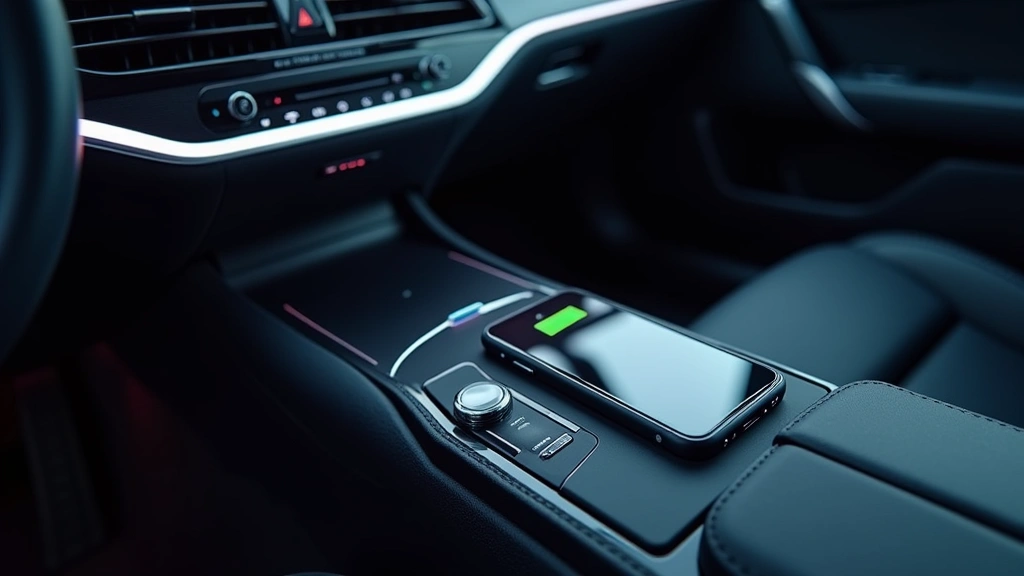
Automotive power management has revolutionized with wireless charging technology and intelligent power distribution systems. Modern vehicles increasingly feature integrated wireless charging pads for compatible smartphones, eliminating cable clutter and providing convenient charging during commutes. These systems employ inductive charging technology that safely transmits power through protective casings, with automatic alignment detection and temperature monitoring to prevent overcharging.
Aftermarket wireless charging solutions integrate seamlessly with vehicle interiors, offering discreet installation and reliable performance across various smartphone models. Advanced systems include fast-charging capabilities delivering 10-15W power output, suitable for rapid charging during short trips. Some premium solutions incorporate cooling systems to maintain optimal charging temperatures, extending battery longevity and ensuring consistent charging speeds.
Multi-port USB power solutions have evolved to support simultaneous charging of multiple devices with intelligent power distribution. Modern automotive USB hubs feature Quick Charge and USB Power Delivery support, enabling rapid charging of smartphones, tablets, and laptops. Integration with vehicle electrical systems ensures stable power delivery regardless of engine load or electrical demand fluctuations. These systems often include voltage regulation and surge protection, safeguarding expensive electronics from power fluctuations and electrical faults.
Performance Monitoring Devices
Vehicle performance monitoring gadgets provide drivers with real-time insights into mechanical condition and driving efficiency. OBD-II scanners connect to vehicle diagnostic ports, reading engine parameters and identifying fault codes before warning lights illuminate. Modern performance monitors display real-time metrics including fuel consumption, engine temperature, acceleration data, and emissions information through smartphone applications or in-vehicle displays.
Advanced performance monitoring systems integrate with cloud platforms, enabling historical data analysis and predictive maintenance alerts. These devices analyze driving patterns to identify efficiency improvements, helping drivers reduce fuel consumption through behavior modification. Integration with system upgrade technologies allows for firmware updates that improve vehicle performance and address known issues. Some systems provide lap timing and performance analysis for track enthusiasts, measuring acceleration, braking distance, and cornering speed with precision sensors.
Fleet operators benefit significantly from performance monitoring systems that track vehicle health across multiple units. Predictive analytics identify maintenance needs before catastrophic failures occur, reducing downtime and extending vehicle lifespan. Integration with TechPulse Hunter Blog resources provides comprehensive guidance on interpreting performance data and optimizing vehicle efficiency. These systems generate detailed reports analyzing fuel consumption trends, driver behavior patterns, and maintenance schedules, enabling data-driven fleet management decisions that reduce operational costs significantly.
For enthusiast drivers, advanced telemetry systems provide comprehensive performance analysis with GPS-synchronized video recording. These systems capture acceleration, braking, and cornering forces alongside video footage, enabling detailed performance review and driving technique improvement. Integration with racing simulation software allows drivers to compare real-world performance against virtual simulations, identifying optimization opportunities for both street and track driving.
FAQ
What are the most essential automotive tech gadgets for daily driving?
The most valuable automotive tech gadgets for everyday drivers include dash cameras for documentation and safety, smartphone integration systems for navigation and communication, and driver assistance features that enhance safety. Quality dash cameras provide insurance protection and accident documentation, while modern infotainment systems improve navigation accuracy and connectivity. Driver assistance technologies like automatic emergency braking and lane keeping assistance offer tangible safety benefits in real-world driving scenarios.
How do wireless charging systems work in vehicles?
Automotive wireless charging employs inductive coupling technology, where electrical coils in the charging pad generate electromagnetic fields that induce current in receiver coils within compatible devices. When a smartphone with wireless charging capability is placed on the charging pad, the electromagnetic field transfers power without physical contact. Modern systems include temperature monitoring and foreign object detection to ensure safe operation and prevent damage to electronic devices.
Are aftermarket ADAS systems as reliable as factory-installed versions?
Quality aftermarket ADAS systems can provide comparable functionality to factory-installed versions, though integration and performance may vary depending on installation quality and vehicle compatibility. Reputable aftermarket solutions undergo rigorous testing and employ proven sensor technology. However, factory systems often benefit from deeper vehicle integration and manufacturer optimization. For older vehicles lacking modern safety features, aftermarket ADAS systems offer significant safety improvements at reasonable costs.
What should I consider when choosing a dash camera?
When selecting a dash camera, prioritize resolution (4K recommended), night vision capability, field of view (140-180 degrees), and storage management features. Consider cloud connectivity for remote access and AI-powered incident detection. Evaluate build quality, weather resistance, and installation ease. For comprehensive protection, dual-channel systems recording both front and cabin views provide maximum documentation value. Check user reviews for reliability and real-world performance in various lighting conditions.
How can vehicle performance monitoring improve fuel efficiency?
Performance monitoring systems display real-time fuel consumption metrics, allowing drivers to identify inefficient driving habits like aggressive acceleration and excessive idling. By analyzing driving patterns and providing feedback, these systems help drivers optimize efficiency through behavioral modifications. Advanced systems track consumption trends over time, identifying mechanical issues affecting efficiency before they become severe. For fleet operators, comprehensive analysis enables systematic optimization across multiple vehicles, resulting in significant fuel savings.
What’s the difference between GPS tracking and navigation systems?
GPS navigation systems focus on route planning and turn-by-turn directions to destinations, emphasizing user experience and real-time traffic integration. GPS tracking systems prioritize vehicle location monitoring and movement history, valuable for security and fleet management. Modern systems often combine both functionalities, offering navigation features alongside location tracking. Navigation systems typically emphasize user interface and destination discovery, while tracking systems prioritize reliability and continuous location updates even in poor coverage areas.
Can I install advanced tech gadgets in older vehicles?
Yes, most modern automotive tech gadgets are designed for aftermarket installation in vehicles of all ages. Dash cameras, wireless charging systems, and performance monitors connect through standard ports like OBD-II or USB without requiring vehicle modifications. However, some advanced features like ADAS integration may require professional installation and calibration. Compatibility varies by vehicle model, so research specific requirements before purchasing. Professional installation ensures proper integration and optimal performance while preserving vehicle warranty coverage where applicable.


