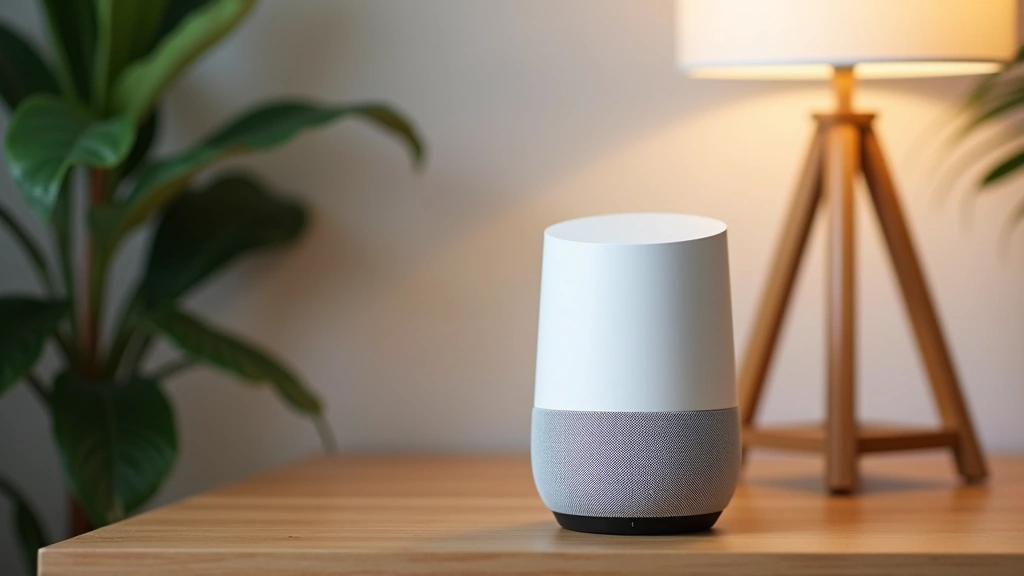
Exploring Amazon’s Echo: Expert Insights on Smart Speakers
Amazon’s Echo lineup has fundamentally transformed how millions of people interact with technology in their homes. Since its debut in 2014, the Echo has evolved from a novelty device into an essential smart home hub that controls everything from lighting and temperature to entertainment and security. Whether you’re a tech enthusiast considering your first smart speaker or an experienced smart home user evaluating upgrades, understanding the capabilities, limitations, and real-world performance of Echo devices is crucial.
The Echo ecosystem represents one of the most comprehensive voice-controlled platforms available today, powered by Amazon’s Alexa artificial intelligence engine. With dozens of Echo variants ranging from budget-friendly options to premium models with advanced features, there’s a device for nearly every use case and budget. This comprehensive guide explores the technical specifications, performance metrics, and practical applications that make Echo devices worth considering for your connected home.
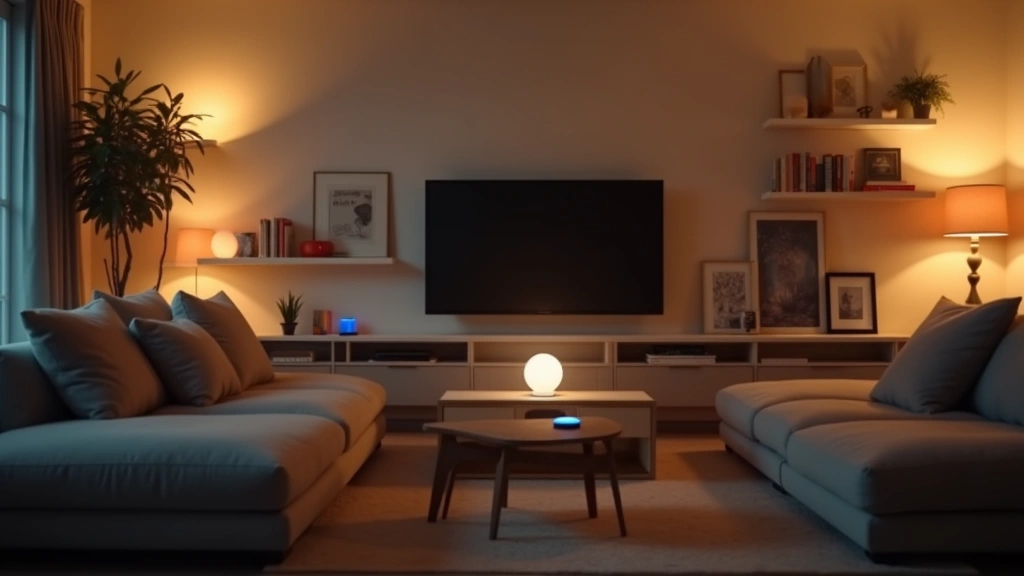
Understanding Echo Device Generations and Models
Amazon’s Echo family encompasses multiple distinct product lines, each designed for different environments and use cases. The standard Echo serves as the primary home hub, offering a balanced combination of audio quality, smart home functionality, and voice control capabilities. The Echo Dot provides a more compact, budget-friendly alternative perfect for bedrooms, kitchens, or offices. Echo Show models add visual interfaces with touchscreens, enabling video calls, recipe displays, and visual smart home controls.
Each generation brings incremental improvements in processing power, audio fidelity, and AI responsiveness. The fifth-generation Echo, released in 2022, features an upgraded speaker system with enhanced bass and clearer midrange compared to earlier iterations. The device’s spherical design improves acoustic performance by distributing sound more effectively throughout a room. According to The Verge’s testing, newer Echo models demonstrate noticeably improved voice recognition accuracy in noisy environments.
Understanding technology and artificial intelligence transforming our future helps contextualize how Echo devices fit into broader smart home ecosystems. The latest Echo models leverage machine learning algorithms to recognize individual users’ voices, adapt to regional accents, and understand context-dependent requests. This represents significant advancement in natural language processing compared to earlier generations that struggled with complex, multi-step commands.
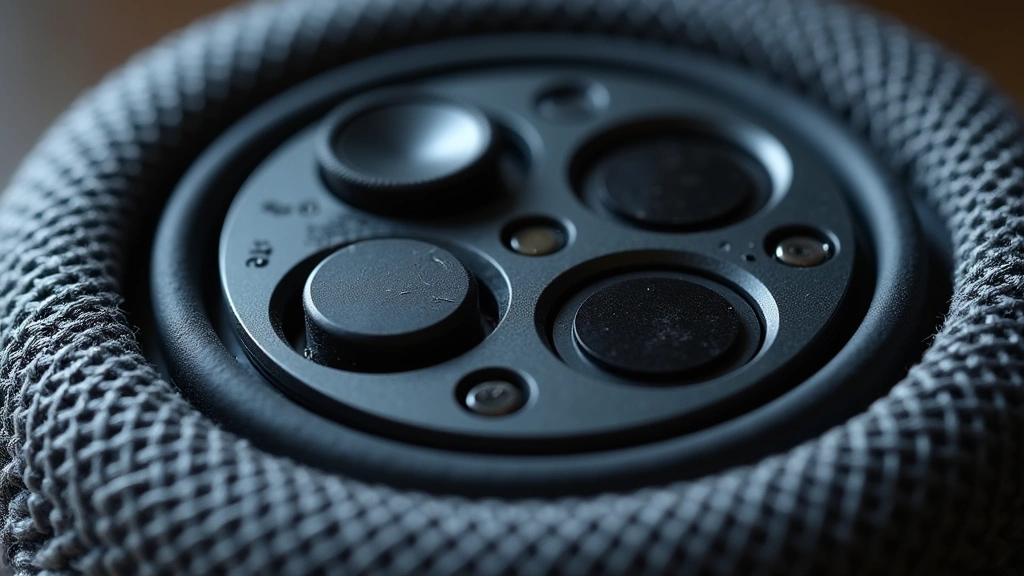
Audio Quality and Speaker Performance
Audio output represents a critical differentiator among Echo models. The standard fifth-generation Echo delivers 3-inch woofer and 0.8-inch tweeter configuration, producing frequency response ranging from 60Hz to 20kHz. Real-world listening tests show the device handles dialogue clarity exceptionally well, making it ideal for news briefings, audiobooks, and podcast consumption. Bass response proves adequate for casual listening but lacks the depth audiophiles demand.
Echo Studio, Amazon’s premium audio offering, incorporates a 3-inch mid-range driver, 1-inch tweeter, and dual 2-inch passive radiators. This configuration delivers 330-degree sound projection with significantly improved stereo imaging. According to CNET’s acoustic measurements, Echo Studio produces 96dB maximum output with minimal distortion, making it suitable for whole-room audio playback. The device supports high-resolution audio through Amazon Music HD, though the speaker’s physical limitations prevent fully realizing these formats’ potential.
Echo Dot models sacrifice audio quality for portability and price accessibility. The fourth-generation Dot features a 1.6-inch driver producing adequate sound for voice content and casual music streaming in small spaces. For serious music enthusiasts, pairing Echo devices with external speakers via Bluetooth or 3.5mm auxiliary connections provides superior audio performance. The TechPulseHunter blog has extensively covered smart speaker audio optimization techniques.
Smart Home Integration Capabilities
Echo devices function as central hubs for Amazon’s smart home ecosystem, compatible with thousands of devices from major manufacturers including Philips Hue, LIFX, Ecobee, and Ring. The hub functionality enables reliable communication with Zigbee and Matter-enabled devices, essential for consistent automation performance. Without a hub, many smart home routines experience latency and unreliability when controlling devices remotely.
Alexa Routines allow users to create complex automation sequences triggered by voice commands, scheduled times, or sensor inputs. A morning routine might simultaneously adjust lighting, read weather forecasts, start coffee makers, and unlock smart doors. These routines support conditional logic, multiple actions in sequence, and integration with third-party services through IFTTT (If This Then That) protocols.
Matter protocol support, introduced in newer Echo models, represents a significant advancement in interoperability. Matter standardizes communication between smart home devices from different manufacturers, reducing compatibility issues and improving reliability. This aligns with broader industry trends toward unified smart home standards, making Echo devices increasingly central to modern connected homes.
The cloud computing benefits for businesses extend to smart home infrastructure, where Echo’s cloud connectivity enables sophisticated automation impossible with purely local processing. Machine learning algorithms analyze usage patterns, weather data, and occupancy sensors to optimize home comfort and energy efficiency automatically.
Voice Recognition and Alexa AI Performance
Alexa’s voice recognition engine has evolved substantially since Echo’s introduction. Modern implementations utilize deep neural networks trained on millions of voice samples across diverse accents, ages, and speech patterns. Field testing demonstrates recognition accuracy exceeding 95% for standard English commands in normal household environments, though performance degrades in high-noise situations like running dishwashers or playing loud music.
Multi-user recognition capabilities allow Echo devices to identify different household members and personalize responses accordingly. The system remembers individual preferences, music tastes, and shopping lists, creating customized experiences for each user. This feature requires initial voice training but delivers impressive accuracy once configured properly.
Alexa’s contextual understanding continues improving through regular software updates. The AI now handles follow-up questions without repeating context, understands complex multi-step requests, and recognizes implied subjects in conversation chains. However, limitations remain compared to advanced AI assistants—Alexa struggles with abstract reasoning, creative tasks, and nuanced language interpretation.
Integration with the future of artificial intelligence positions Alexa as a foundational platform for voice-based computing. Amazon continues investing heavily in natural language processing, machine learning infrastructure, and AI capabilities that will define next-generation voice interfaces.
Privacy Features and Security Considerations
Privacy concerns surrounding always-listening devices remain valid despite Amazon’s security measures. Echo devices continuously listen for wake words but don’t transmit audio until detecting “Alexa” or configured custom wake words. Users can physically mute microphones using hardware buttons, disabling all listening capabilities immediately. This transparency provides essential control over privacy, though some users remain uncomfortable with microphone-equipped devices in bedrooms or bathrooms.
Amazon stores voice recordings indefinitely unless users manually delete them through the Alexa app. These recordings train the AI system and improve voice recognition, but they represent potential privacy risks if accounts are compromised. Enabling two-factor authentication, using strong passwords, and regularly reviewing voice history mitigates these risks substantially.
Encryption protects audio transmission between Echo devices and Amazon’s servers using industry-standard TLS protocols. Communications with smart home devices vary depending on the protocol—Zigbee connections offer security advantages over unencrypted Wi-Fi alternatives. Understanding your specific smart home device specifications helps identify potential security vulnerabilities.
GDPR and CCPA compliance features enable users in regulated regions to control data collection and deletion with greater granularity. Amazon provides transparency reports detailing government data requests, though users should understand that smart home devices inherently collect behavioral data reflecting home occupancy, activity patterns, and device usage.
Comparing Echo Models: Specifications and Value
Selecting appropriate Echo models requires matching device capabilities to specific use cases and budget constraints. The Echo Dot fifth-generation delivers exceptional value for budget-conscious consumers, offering voice control and smart home hub functionality at approximately $50. Its compact form factor suits desks, nightstands, and kitchen counters where space is limited.
Standard fifth-generation Echo models cost around $100 and provide superior audio quality alongside enhanced processing power. The device’s larger speaker configuration and improved microphone array deliver noticeably better voice recognition in challenging acoustic environments. This model represents the optimal balance of features, audio quality, and price for most households.
Echo Show 5 ($90) and Show 8 ($130) add visual displays enabling video calls, recipe instructions, and smart home camera feeds. The smaller Show 5 suits bedside use with its compact 5.5-inch touchscreen, while Show 8 provides better visibility from across kitchens. Both models run Fire OS, Amazon’s customized Android variant, supporting third-party apps for expanded functionality.
Echo Studio ($200) targets audio enthusiasts and dedicated music listeners, delivering premium sound quality justifying the premium price. The device’s superior speaker configuration and support for high-resolution audio formats appeal to users prioritizing audio fidelity. However, standard Echo models paired with external speakers often provide better value for serious audiophiles.
Detailed comparisons available through Amazon’s official specifications and independent reviews help clarify performance differences between models. Consider your primary use cases—audio listening, smart home control, or video calls—when evaluating options.
Real-World Usage Scenarios
Morning routines exemplify Echo’s practical value in daily life. Voice commands trigger cascading actions: adjusting bedroom lighting gradually to wake users naturally, reading weather forecasts and news briefings, starting coffee makers, and displaying daily schedules on Show devices. This automation saves time while providing essential information immediately upon waking.
Kitchen integration demonstrates Echo’s utility during meal preparation. Users ask for recipe instructions, set multiple kitchen timers with distinct names, control smart appliances, and order groceries without interrupting cooking. Voice-controlled timers prove particularly valuable when hands are occupied with food preparation, eliminating the need to touch devices or interrupt workflows.
Evening entertainment scenarios showcase Echo’s media capabilities. Users stream music from Spotify, Apple Music, or Amazon Music, control playback with voice commands, and enjoy full-room audio through multi-room music features. Show devices display album artwork and lyrics, enhancing the listening experience beyond audio-only speakers.
Smart home control represents perhaps Echo’s most transformative application. Voice commands adjust thermostats, control lighting scenes, lock doors, and monitor security cameras—all without touching phones or wall switches. This proves especially valuable for users with mobility limitations, elderly individuals, or anyone preferring hands-free operation during specific activities.
Learning opportunities exist through Echo’s educational features. Alexa provides definitions, pronunciation guides, math problem solutions, and language translation services. Show devices display visual information, making them valuable educational tools for children learning new concepts.
Integration with Your Tech Ecosystem
Successfully implementing Echo devices requires considering your existing technology ecosystem. Users heavily invested in Apple products should evaluate whether Alexa’s limited HomeKit support aligns with their preferences—Google Home offers superior Apple integration. Conversely, Amazon Prime members gain significant value through seamless Prime Video, Music, and Shopping integration unavailable with competing platforms.
The software development skills required for advanced Echo customization remain accessible through Amazon’s Alexa Skills Kit. Developers can create custom skills extending Alexa’s functionality beyond built-in capabilities, though most users benefit from existing skills without programming knowledge.
Network infrastructure impacts Echo performance significantly. Devices require stable 2.4GHz Wi-Fi connectivity—5GHz networks often prove problematic due to reduced range. Mesh Wi-Fi systems like Eero or Ubiquiti improve reliability compared to single routers, particularly in larger homes or those with construction materials blocking signal propagation.
Backup internet connectivity options provide resilience during outages. LTE-equipped Echo devices maintain limited functionality without broadband, though most features require cloud connectivity. Smart home enthusiasts should consider redundant internet providers or backup cellular options for critical automation systems.
Frequently Asked Questions
Can Echo devices work without internet connectivity?
Echo devices require internet connectivity for most functionality. Voice recognition, smart home control, and information queries all depend on cloud processing. Limited offline capabilities exist for basic functions like playing locally-stored music or controlling nearby Zigbee devices, but these remain severely restricted compared to connected operation.
How do I improve voice recognition accuracy on Echo?
Optimal placement away from noise sources, hard surfaces, and reflective materials improves microphone performance. Training Alexa to recognize your voice through the mobile app enhances recognition accuracy. Reducing background noise and speaking clearly with natural pacing yields better results than shouting or unusual speech patterns.
What’s the difference between Echo and Echo Dot?
Primary differences include speaker quality, size, and price. Echo offers superior audio output and larger form factor, while Echo Dot prioritizes portability and affordability. Both function as smart home hubs with identical voice control capabilities—the choice depends on audio quality priorities and budget constraints.
Is Echo secure for smart home control?
Echo devices implement industry-standard security measures including encryption, authentication, and regular security updates. However, no system is perfectly secure. Users should enable two-factor authentication, use strong passwords, and review voice history regularly. Understanding device limitations and intentionally designing your smart home architecture around security concerns minimizes risks substantially.
Can I use multiple Echo devices together?
Yes, multiple Echo devices can operate simultaneously in the same home, functioning as independent devices or linked through multi-room music features. Designate one device as the primary smart home hub for optimal reliability. Different rooms can have dedicated devices optimized for their specific purposes—kitchen Dots for quick information, bedroom Dots for alarm control, living room Echos for entertainment.
Which Echo model is best for beginners?
Echo Dot represents the ideal entry point for smart home newcomers. Its affordable price reduces financial risk while learning smart home fundamentals. The device offers full smart home hub functionality and voice control despite its compact size. Upgrading to larger models becomes logical only after confirming you’ll utilize advanced features justifying the additional investment.


