AMC Dine-In Tech: A Cinematic Experience?
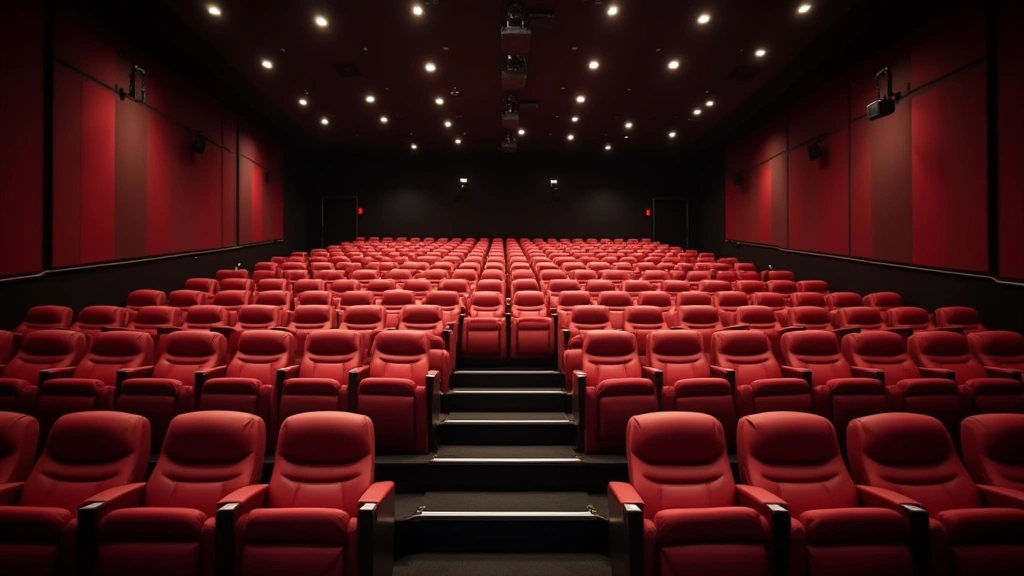
AMC Theatres has positioned itself at the forefront of premium cinema experiences with its Dine-In locations, particularly the flagship Tech Ridge 10 cinema in Austin, Texas. These venues represent a significant investment in merging entertainment with hospitality, featuring state-of-the-art projection systems, immersive sound technology, and full-service dining integrated directly into the theater experience. The question remains: does the technological implementation truly enhance the cinematic experience, or does it distract from the film itself?
The AMC Dine-In Tech Ridge 10 combines IMAX screens, Dolby Cinema projection, and Dolby Atmos surround sound with an upscale dining concept that rivals boutique restaurants. Guests can order gourmet meals, craft cocktails, and premium snacks delivered directly to their reclinable seats during the film. This comprehensive review examines whether the advanced projection technology, audio systems, seating infrastructure, and integrated dining service justify the premium pricing and create a genuinely superior cinematic experience.
Projection Technology and Display Quality
The AMC Dine-In Tech Ridge 10 features multiple screen configurations, with premium auditoriums equipped with Dolby Cinema projection technology. Dolby Cinema utilizes dual 4K laser projectors that deliver exceptional brightness, color accuracy, and contrast ratios compared to standard DCI-2K projection systems. The technology supports higher frame rates and enhanced color grading that filmmakers increasingly utilize for premium releases.
Standard screens at the venue employ Christie digital projection systems capable of 2K resolution at 60 fps, while IMAX screens feature proprietary laser projection delivering 8K resolution native capture potential. According to The Verge’s technology assessments, modern cinema projection has reached a plateau in brightness and resolution where marginal improvements require exponential cost increases. The real differentiation comes from color science and light efficiency.
Dolby Cinema projects approximately 500 nits of brightness on screen, compared to 55-85 nits in standard theaters. This brightness advantage proves particularly valuable for films shot with HDR grading, allowing shadow detail and highlight separation that standard projection cannot reproduce. The projectors maintain native 4K resolution across the entire screen, eliminating the pixel visibility issues sometimes present in standard 2K projection on larger screens.
However, the practical benefits depend heavily on content selection. Films mastered in standard DCI-2K format receive no resolution advantage on Dolby Cinema screens. Additionally, the enhanced brightness can prove problematic for films intentionally graded with darker aesthetics—bright projection systems may wash out carefully calibrated shadow tones. Testing by CNET’s cinema technology experts indicates that viewer preference varies significantly based on individual film characteristics rather than universal technical superiority.
Audio Systems and Sound Engineering
The audio experience represents perhaps the most significant technological achievement at AMC Dine-In locations. Dolby Atmos surround sound implementation creates three-dimensional soundscapes with precise object-based audio placement. Unlike traditional 5.1 or 7.1 channel systems that assign audio to discrete speakers, Atmos enables sound objects to move fluidly through the theater space, including overhead placement via ceiling-mounted speakers.
The Tech Ridge 10 installation includes immersive audio systems with 64+ individual speakers calibrated to deliver synchronized sound object positioning. This creates remarkable effects—rainfall appears to fall from above, aircraft movements track across the entire auditorium, and dialogue maintains perfect synchronization with on-screen action regardless of viewing position. The system supports up to 128 audio objects simultaneously, though most theatrical releases utilize 30-50 discrete sound elements.
Bass response proves particularly impressive, with dedicated subwoofer arrays delivering low-frequency impact that extends below 20 Hz. Films mixed in Atmos format—including Marvel blockbusters, Christopher Nolan productions, and animated features—showcase the system’s capabilities dramatically. However, older films remixed for Atmos sometimes suffer from artificial enhancement that feels incongruous with the original artistic intent.
Calibration quality directly impacts audio performance. Professional installations require acoustic measurements, speaker-to-screen distance calculations, and frequency response optimization specific to each auditorium’s geometry. AMC’s technical specifications indicate baseline calibration standards, though individual location quality varies based on installation execution and maintenance protocols. Dolby’s official cinema specifications provide detailed technical parameters for reference implementations.
Seating Comfort and Theater Design
Premium seating technology dramatically impacts cinematic immersion. The AMC Dine-In locations feature power-reclining seats with integrated dining tables, heated leather upholstery, and individual lumbar support adjustment. Each seat includes cup holders, device charging ports, and call buttons for service staff. The recline mechanism accommodates full horizontal positioning while maintaining optimal screen viewing angles.
Theater geometry optimization receives significant attention in premium venues. Screen height, aspect ratio, and auditorium dimensions follow established standards ensuring that viewers from any seat position experience appropriate image scaling and perspective. The Tech Ridge 10 implements stadium seating with progressive row elevation preventing head obstruction and optimizing sightlines. Premium auditoriums feature reduced seating density—fewer seats per screen—allowing wider aisles and improved personal space.
Lighting design balances ambient illumination for dining service with darkness requirements for optimal projection. Advanced LED systems provide adjustable lighting scenarios: bright illumination during pre-show and intermissions, dimmed pathway lighting during the film, and emergency lighting systems. Modern installations implement motion sensors triggering pathway illumination when patrons move during films, minimizing screen light pollution while maintaining safety.
Climate control systems in premium theaters often exceed standard HVAC capabilities. The dining service generates heat and odors requiring sophisticated ventilation. Temperature management across premium auditoriums typically maintains 70-72°F with humidity control between 40-50%, creating comfortable conditions despite seat density variations and dining activity.
Dining Integration and Service
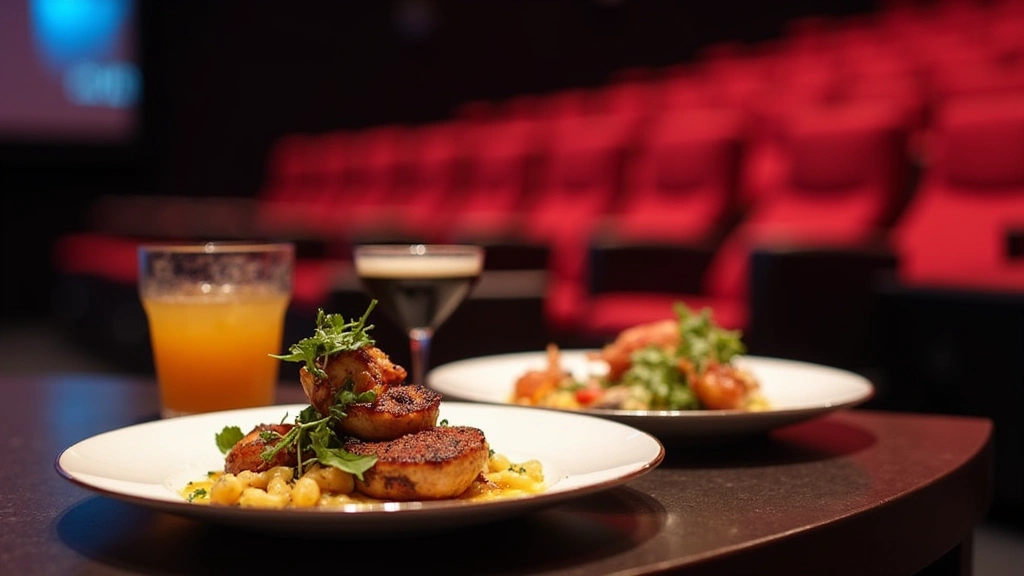
The integrated dining concept fundamentally differentiates AMC Dine-In from traditional cinema experiences. Full restaurant-quality menus available at concession stands include appetizers, entrees, desserts, and premium beverages. Seating features individual tables attached to seat platforms, enabling comfortable dining during films. Service staff deliver orders to seats, manage clearing of dishes, and respond to patron requests via call buttons.
This integration presents both advantages and complications. Positive aspects include convenience—patrons avoid choosing between cinema visits and dining experiences—and the ability to extend cinema visits into full evening entertainment. Premium pricing reflects the restaurant-grade food quality and personalized service. However, practical complications emerge: odor management, noise from dining activity, potential screen view obstruction, and the inherent distraction of food consumption during films.
Food delivery timing requires careful coordination to minimize disruption. Standard protocols typically restrict delivery to pre-film periods and intermissions when applicable. Hot food service generates steam and aroma that can affect neighboring patrons. Alcoholic beverage service in theaters introduces liability considerations and regional regulatory compliance requirements. Some states restrict alcohol consumption in cinemas entirely, limiting menu options in those locations.
The latest cinema industry trends indicate mixed customer reception to integrated dining. Luxury cinema chains like Alamo Drafthouse and iPic have established successful dine-in models, but traditional theater chains experimenting with similar concepts report variable results. Modern technology and AI applications increasingly optimize reservation systems and order management, improving service efficiency in dine-in environments.

Pricing, Value Proposition, and Comparison
AMC Dine-In Tech Ridge 10 tickets typically cost $18-28 per person, compared to $10-15 for standard AMC auditoriums. Additional dining costs range from $15-50 per person depending on menu selections. A family of four experiencing the full dine-in package might spend $150-200 total, comparable to dinner and separate entertainment expenses but concentrated into a single venue visit.
Value assessment requires evaluating whether premium pricing delivers proportional experience enhancement. Technical specifications clearly demonstrate objective superiority: Dolby Cinema projection exceeds standard systems in brightness and color accuracy; Dolby Atmos surround sound objectively provides dimensional audio advantages; premium seating increases comfort significantly. However, subjective experience quality depends on individual preferences, film selection, and dining service consistency.
Comparative analysis against competing premium cinema experiences reveals nuanced positioning. Luxury cinema chains like Alamo Drafthouse emphasize curated film selection and theatrical programming alongside premium amenities. IMAX locations focus exclusively on screen size and projection technology. Dolby Cinema venues concentrate on image and audio quality. AMC Dine-In attempts comprehensive integration of multiple premium elements, creating a broader experience rather than specialized excellence in single dimensions.
Industry benchmarks from Cinema Insider’s technical analysis indicate that premium cinema experiences command 40-60% price premiums over standard theaters, yet attendance data shows only 20-30% of cinema visits occur at premium venues. This suggests that while premium technology genuinely enhances experiences, the majority of moviegoers prioritize film selection and convenience over technical optimization.
Technical Specifications Breakdown
Projection Systems: Dolby Cinema installations feature dual 4K laser projectors (4096 × 2160 native resolution), 500+ nits peak brightness, 1,000,000:1 contrast ratio, and 99% DCI-P3 color gamut coverage. IMAX screens utilize proprietary laser projection at 8K resolution capability. Standard screens employ Christie digital projectors at 2K resolution (2048 × 1080), 85 nits brightness, and 3,000:1 contrast ratio.
Audio Systems: Dolby Atmos implementation includes 64+ discrete speakers, subwoofer arrays extending to 20 Hz, object-based audio processing supporting 128 simultaneous audio objects, and surround speaker arrays covering 360-degree sound field. System frequency response spans 20 Hz – 20 kHz with calibrated equalization to auditorium specifications. Atmos object metadata enables dynamic sound positioning requiring processing latency under 10ms.
Seating: Power-reclining seats feature 160-degree recline range, heated leather upholstery, individual armrest positioning, lumbar support adjustment, and integrated dining tables. Seat pitch (front-to-back spacing) exceeds standard theaters by 8-12 inches. Premium auditoriums reduce seating density to 80-100 seats versus 150-200 in standard configurations.
Display Calibration: Projection systems undergo calibration to DCI color standards (D55 white point, 14 foot-lamberts reference brightness), with quarterly recalibration protocols. Audio systems receive calibration to ITU-R BS.2051-1 standards with microphone-based frequency response measurement and correction. Climate control maintains 70-72°F with ±2°F variation and 45% relative humidity.
The Dolby Professional Cinema specifications document provides comprehensive technical parameters. Manufacturers including Christie Digital and Dolby Laboratories publish detailed technical documentation for professional reference.
FAQ
Is Dolby Cinema worth the premium price?
Dolby Cinema provides objective technical advantages in brightness, color accuracy, and contrast that benefit appropriately-mastered content. However, the subjective experience improvement varies significantly by individual preference and film selection. Films shot and graded specifically for Dolby Cinema show the most dramatic advantages. Standard DCI-2K films receive minimal benefit. For cinema enthusiasts prioritizing technical excellence, the premium proves worthwhile; casual moviegoers may not perceive sufficient difference to justify additional costs.
How does AMC Dine-In compare to traditional premium cinemas?
AMC Dine-In distinguishes itself through integrated dining service rather than specialized focus on single technical dimensions. Competing premium venues typically excel in specific areas—IMAX dominates screen size, Dolby Cinema focuses on image quality, Alamo Drafthouse emphasizes content curation. AMC Dine-In provides balanced premium implementation across multiple categories without achieving category-leading excellence in any single dimension. This generalist approach appeals to patrons seeking comprehensive premium experiences rather than specialized technical optimization.
What’s the difference between Dolby Atmos and standard surround sound?
Dolby Atmos employs object-based audio where sound elements receive three-dimensional positioning coordinates rather than channel-based assignment. Standard surround systems assign audio to discrete speaker channels (front left, center, right, surround left, surround right, subwoofer). Atmos enables sound objects to move dynamically through three-dimensional space including overhead dimensions. This creates more immersive, spatially-accurate soundscapes particularly beneficial for action sequences, environmental ambiance, and dialogue precision. However, older films remixed for Atmos sometimes feature artificial enhancement that detracts from original artistic intent.
Are premium seats really more comfortable than standard theater seating?
Premium reclining seats objectively provide superior comfort through increased padding, heating functionality, lumbar support adjustment, and recline capability. However, theater seating comfort depends on individual body dimensions, viewing duration, and personal preferences. Some patrons find reclined positions uncomfortable for extended viewing; others appreciate the relaxation. Stadium seating and reduced density in premium auditoriums provide clearer sightlines and less crowded environments, which many viewers prioritize over seat features themselves. Personal testing remains the most reliable assessment method.
Can you eat during the movie without disturbing others?
Dining during films introduces inherent distraction potential through odor, noise, and visual attention diversion. AMC Dine-In protocols typically restrict hot food delivery to pre-film periods and encourage discrete eating during films. Cold foods and beverages present fewer disturbance risks than hot items. Individual theater etiquette varies significantly—some patrons find any dining distracting, others appreciate the option. Choosing less aromatic foods and consuming during action-heavy sequences minimizes impact on surrounding viewers. Theater staff can assist with timing and food selection for minimal disturbance.
What films benefit most from premium technology?
Action blockbusters, science fiction epics, and visually-intensive productions maximize premium technology benefits. Films shot with high frame rates, HDR grading, and Atmos audio mixing showcase technical capabilities effectively. Conversely, dialogue-heavy dramas, character studies, and older films often show minimal technical advantage. Content-specific benefits vary considerably—some viewers prioritize technical excellence regardless of film type, while others view premium amenities as unnecessary for certain genres. Personal film preferences should guide premium venue selection more than technical specifications alone.


