Anoka Tech D2L: Ultimate User Guide for Students and Educators
The Anoka Tech D2L learning management system represents a critical digital infrastructure component for educational institutions seeking to streamline course delivery, student engagement, and institutional collaboration. D2L (Desire2Learn), now operating under the Brightspace brand umbrella, has become the backbone of modern educational technology ecosystems, particularly within technical and vocational training environments like Anoka Technical College. This comprehensive guide explores every facet of navigating, optimizing, and maximizing your Anoka Tech D2L experience, whether you’re a student completing coursework or an educator designing transformative learning experiences.
Understanding the D2L platform’s capabilities extends beyond basic login credentials and course navigation. The system integrates sophisticated learning analytics, assessment tools, collaborative spaces, and content management features that, when properly leveraged, can significantly enhance educational outcomes. This guide provides actionable strategies, troubleshooting solutions, and best practices developed through extensive platform usage and institutional implementation research.

Getting Started with Anoka Tech D2L Login
Accessing the Anoka Tech D2L platform requires understanding your institutional credentials and the authentication process specific to Anoka Technical College’s implementation. Your login credentials typically consist of your student or staff ID combined with a password established during initial account setup. The primary access point directs you to the institution’s branded D2L portal, which maintains security compliance with FERPA regulations and institutional data protection standards.
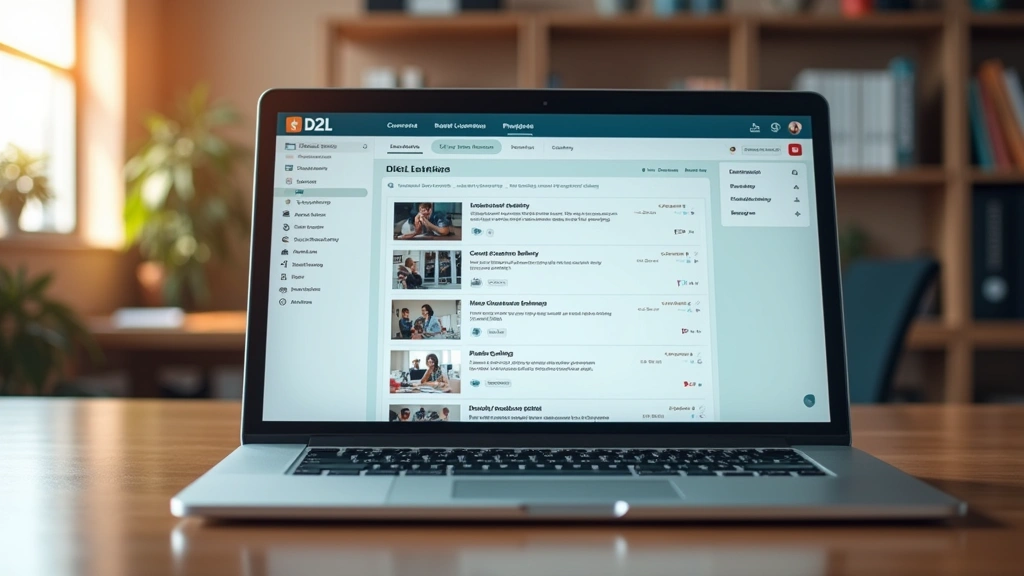
The initial login experience presents your personalized homepage, displaying enrolled courses, upcoming deadlines, and recent announcements. This dashboard serves as your command center for all learning activities. When you first visit the Tech Pulse Hunter Blog for supplementary learning resources, you’ll appreciate how D2L’s interface mirrors modern educational technology standards. Your profile settings, accessible from the top navigation menu, allow customization of notification preferences, theme selection, and privacy controls.
Password recovery procedures exist for situations where credentials become inaccessible. Anoka Tech typically provides account recovery through your registered email address or through the IT help desk. Two-factor authentication options, increasingly common in institutional implementations, add security layers that protect your academic records and personal information from unauthorized access.
Navigating Your Course Dashboard
Each course within Anoka Tech D2L maintains its own dedicated space, structured with consistent organizational principles while allowing instructor customization. The course navigation menu, typically positioned on the left sidebar, provides access to core learning components including content modules, assessments, gradebook information, and communication tools. Understanding this hierarchical structure accelerates your ability to locate resources and submit work efficiently.
The course homepage often contains essential information: syllabus documents, instructor contact details, course policies, and motivational welcome messages from your educator. Many Anoka Tech instructors utilize this prime real estate to establish expectations, communicate learning objectives aligned with career pathway planning, and provide links to external resources supporting technical competency development.
Content modules organize coursework into logical sequences, typically aligned with weekly schedules or topical units. Each module may contain readings, videos, interactive elements, quizzes, and assignment instructions. The sequential nature of module design encourages progressive skill development, particularly important in technical fields where foundational knowledge supports advanced competencies. Breadcrumb navigation at the top of content pages helps you understand your location within the course structure and facilitates quick returns to the main dashboard.
Accessing Course Content and Materials
Anoka Tech D2L content delivery leverages multiple media formats optimized for different learning styles and technical capabilities. Instructors upload PDF documents, embed video content, create interactive presentations, and link to external resources supporting course objectives. The content area displays materials in organized folders or sequential modules, with clear labeling indicating content type, file size, and submission requirements when applicable.
Video content embedded within D2L often includes playback controls, closed captioning options for accessibility, and sometimes interactive transcripts allowing you to jump to specific sections. These multimedia elements, increasingly common in technical training programs, provide visual demonstrations essential for hands-on skill development. External video platforms like YouTube may host content with D2L embedding, though bandwidth considerations occasionally affect playback quality.
Document management within Anoka Tech D2L supports multiple file formats: Microsoft Office documents, PDFs, images, and compressed archives. File preview functionality allows quick content inspection without downloading, saving bandwidth and storage space. When downloading materials for offline study, ensure your device has appropriate software for opening files—particularly important for technical documentation, CAD files, or specialized software outputs relevant to your program.
The content search functionality, accessible from most D2L pages, enables rapid location of specific materials across your entire course. This feature proves invaluable when reviewing previous weeks’ materials or searching for specific concepts discussed throughout the semester. Bookmarking frequently accessed resources creates personalized shortcuts, reducing navigation time and improving study efficiency.
Submitting Assignments and Assessments
Assignment submission within Anoka Tech D2L follows standardized procedures ensuring instructors receive completed work with metadata documenting submission times and file versions. The assignment tool displays detailed instructions, due dates, point values, and submission specifications—information you should review completely before beginning work. Submission requirements often specify acceptable file formats; technical programs may require specific software outputs or documentation formats.
The submission interface supports multiple file uploads, allowing you to submit primary work along with supporting documentation, supplementary files, or evidence of your learning process. Many Anoka Tech instructors appreciate submissions including work-in-progress files or reflection documents alongside final deliverables. The system automatically timestamps submissions, protecting you from late penalties when you upload before deadline cutoffs. Some courses implement grace periods or rolling deadlines; always check your syllabus for specific policies.
Draft saving functionality prevents work loss due to unexpected technical issues. Regularly saving your progress as you work—particularly on longer assignments or timed assessments—ensures you never lose significant effort to connectivity problems or system glitches. The submission confirmation page provides critical information: submission timestamp, file names, and submission status. Retain this confirmation information for your records.
Turnitin integration, commonly implemented at Anoka Tech, automatically checks written submissions for originality and citation accuracy. Understanding plagiarism detection helps you properly attribute sources and maintain academic integrity. The originality report, available after submission, identifies potential citation issues and provides opportunities for revision before instructor grading.
Utilizing Discussion Forums Effectively
Discussion forums represent asynchronous communication spaces where you engage with classmates and instructors around course concepts, share perspectives, and develop collaborative understanding. Anoka Tech instructors often structure forum activities with specific prompts, participation expectations, and assessment rubrics. Meaningful contributions demonstrate engagement and deepen your understanding through peer dialogue.
Effective forum participation requires reading existing posts before responding, ensuring you don’t duplicate points and build genuinely on class discussions. The threaded nature of forum conversations helps track response chains, though large discussions occasionally become difficult to navigate. Topic tags and search functionality assist in locating specific conversation threads relevant to your interests or assignment requirements.
Professional communication standards apply in educational forums. Your posts should demonstrate respect for diverse perspectives, cite sources when appropriate, and contribute substantively to course learning objectives. Instructors often participate actively in discussions, modeling professional discourse and redirecting conversations back to learning goals when necessary. Some Anoka Tech courses implement peer grading for forum contributions, making your evaluative skills equally important as your communication abilities.
Notification settings allow you to receive email alerts for new forum posts, preventing you from missing important discussions or deadline-driven contributions. Balancing notification frequency prevents email overload while ensuring you remain engaged with active conversations. Many successful students check forums daily, particularly during weeks with active assignments or major discussion prompts.
Tracking Progress and Grades
The Anoka Tech D2L gradebook provides real-time visibility into your academic performance, displaying individual assignment scores, calculated course grades, and progress toward learning outcomes. Understanding grade calculation methods—whether weighted by category, cumulative, or points-based—helps you strategize effort allocation across remaining coursework. The gradebook displays due dates for upcoming assessments, providing essential deadline management information.
Grade posting policies vary by instructor; some immediately reveal scores while others maintain grade confidentiality until course completion. If grades appear delayed, check your syllabus for posting timelines or contact your instructor directly. Grade disputes should be handled professionally and promptly, particularly if you believe calculation errors occurred. Detailed score breakdowns, when provided, help identify specific skill gaps requiring additional study or tutoring support.
Learning outcomes, increasingly featured in D2L gradebooks, track your mastery across specific competencies rather than just assignment scores. This outcomes-based assessment approach, particularly valuable in technical training programs, demonstrates your readiness for technical career positions and industry certification. Review your outcomes progress regularly to identify areas requiring additional practice or mentoring.
The grade prediction tool, available in some Anoka Tech courses, projects your final grade based on current performance and assumptions about remaining assessments. This predictive capability helps you understand the impact of future assignments and motivates focused effort on high-value assessments. Discussing grade projections with your instructor can clarify expectations and identify tutoring resources if needed.
Mobile Access and D2L App Features
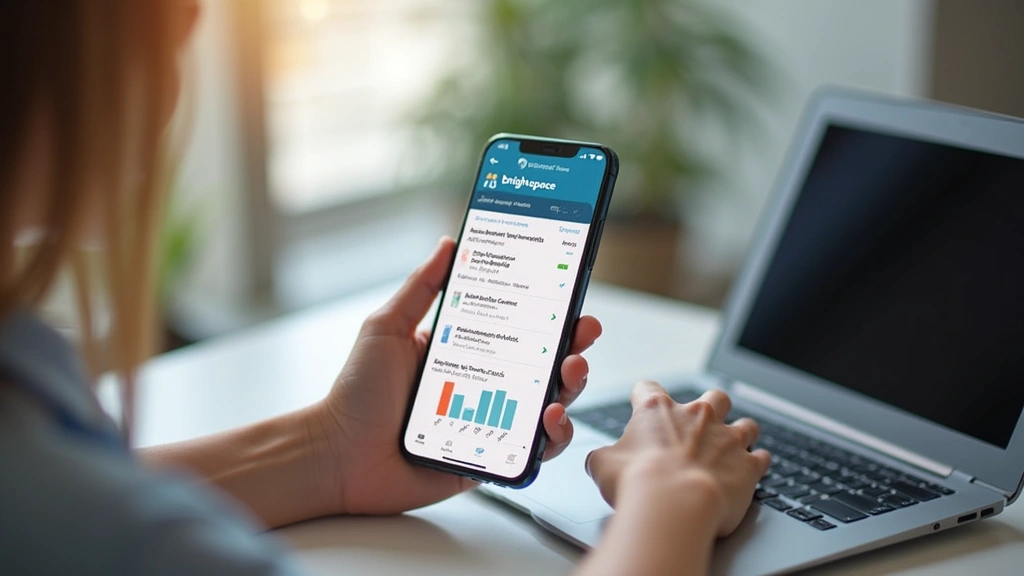
The Brightspace mobile app extends Anoka Tech D2L access beyond desktop computers, enabling learning engagement from smartphones and tablets. The app supports core functions: course navigation, content access, assignment submission, and grade checking. Mobile optimization ensures content displays properly on smaller screens, though some complex materials may display better on larger devices.
Push notifications keep you informed about assignment due dates, new announcements, and instructor messages, ensuring you never miss critical course updates. Customizable notification settings prevent excessive alerts while maintaining awareness of important events. The mobile interface prioritizes essential functions, streamlining the experience for quick information access between classes or during commutes.
Offline functionality, available in some D2L implementations, allows downloading course materials for study without internet connectivity. This feature particularly benefits students with inconsistent connectivity or those preferring offline study environments. Downloaded content syncs when connectivity resumes, ensuring your notes and progress remain current.
Mobile assignment submission supports file uploads from your device’s storage or camera, enabling image capture of handwritten work or physical objects relevant to your coursework. This flexibility accommodates various learning situations and submission preferences, though you should verify file format requirements before submitting mobile-captured content.
Troubleshooting Common Issues
Technical difficulties occasionally disrupt your Anoka Tech D2L experience despite the platform’s robust infrastructure. Browser compatibility issues, while increasingly rare, can be resolved by updating your browser or switching to an alternative. The D2L support documentation recommends current versions of Chrome, Firefox, Safari, or Edge for optimal performance. Clearing browser cache and cookies sometimes resolves display or functionality issues.
Login problems may stem from caps lock activation, incorrect credentials, or temporary account restrictions. The password reset feature, available on the login page, provides self-service recovery for forgotten passwords. If login issues persist, contact Anoka Tech’s IT help desk with your student ID and registered email address for account recovery assistance.
File upload failures occasionally occur due to file size limitations, unsupported formats, or connection interruptions. Breaking large submissions into multiple smaller files, converting documents to PDF format, or uploading from a wired internet connection often resolves these issues. The system provides error messages indicating specific problems; read these carefully before attempting resubmission.
Content loading delays, particularly during peak usage times, may temporarily affect your experience. Refreshing the page, waiting a few minutes, or accessing the course during off-peak hours usually resolves these temporary slowdowns. Persistent performance issues should be reported to IT support with specific details about affected pages and your browser information.
Communication delays with instructors occasionally occur during high-volume periods like assignment deadlines. Monitor your email for responses, as instructors may reply through email rather than the D2L messaging system. Setting realistic expectations about response times—typically 24-48 hours for non-urgent inquiries—prevents frustration and encourages professional communication practices.
FAQ
How do I reset my Anoka Tech D2L password?
Visit the D2L login page and select the “Forgot Password” link. Enter your email address associated with your account, and follow the reset instructions sent to your email. If you don’t receive the reset email, check your spam folder or contact the IT help desk for account recovery assistance.
Can I access Anoka Tech D2L offline?
The D2L mobile app offers limited offline functionality for downloaded course materials. However, assignment submission, forum participation, and grade checking require active internet connectivity. Plan your study schedule accordingly to ensure you can access interactive course components when needed.
What file formats does D2L accept for assignment submission?
Most Anoka Tech courses accept common formats: PDF, Microsoft Office documents (.docx, .xlsx, .pptx), images (.jpg, .png), and compressed archives (.zip). Your instructor’s assignment instructions specify acceptable formats; contact your instructor if you’re unsure about file format compatibility.
How long does it take for grades to appear in D2L?
Grade posting timelines vary by instructor and are typically outlined in your course syllabus. Most instructors post grades within 5-7 business days of submission deadlines. If grades appear significantly delayed, contact your instructor directly to inquire about grading status.
Is D2L accessible from my mobile device?
Yes, the Brightspace mobile app provides access to Anoka Tech D2L courses from iOS and Android devices. Download the app from your device’s app store, log in with your institutional credentials, and access your courses. Mobile functionality includes content viewing, assignment submission, grade checking, and forum participation.
How do I contact my instructor through D2L?
The messaging tool, accessible from the course navigation menu, enables direct communication with your instructor. Compose messages clearly, include relevant course details, and allow 24-48 hours for responses. For urgent issues, email your instructor directly using the contact information provided in your course syllabus.
What should I do if I can’t see my course in D2L?
Enrollment delays sometimes prevent immediate course visibility. Wait 24 hours after registration confirmation before contacting IT support. If you’ve waited longer and still can’t access your course, the IT help desk can investigate enrollment records and resolve access issues. Provide your student ID and course information when requesting assistance.
Can I submit assignments late in Anoka Tech D2L?
Late submission policies are determined by individual instructors and should be clearly stated in your syllabus. Some instructors allow late submissions with grade penalties; others implement firm deadlines. Review your course policies and contact your instructor if unexpected circumstances prevent timely submission to discuss possible accommodations.
External Resources: For additional technical support, visit D2L’s official platform documentation. CNET’s LMS comparison guide provides broader context on educational technology. The Atlantic’s analysis of educational technology explores institutional implementation challenges. For device recommendations supporting coursework, consult our comprehensive laptop guide. Explore programming languages relevant to technical education for career development planning.


