Aqua Tech Filter: Expert Analysis & Review
Water filtration technology has evolved dramatically over the past decade, and the Aqua Tech Filter represents a significant advancement in residential water purification systems. Whether you’re concerned about tap water quality, mineral content, or chemical contaminants, understanding how modern filtration solutions work is essential for making an informed purchase decision. This comprehensive review examines the Aqua Tech Filter’s performance, specifications, installation process, and real-world effectiveness.
The Aqua Tech Filter combines multi-stage filtration technology with user-friendly design, making it an attractive option for homeowners seeking reliable water purification without the complexity of commercial-grade systems. As with any significant household investment, thorough analysis of its features, benefits, and limitations will help you determine whether this solution aligns with your specific water quality needs and budget constraints.
What Is the Aqua Tech Filter?
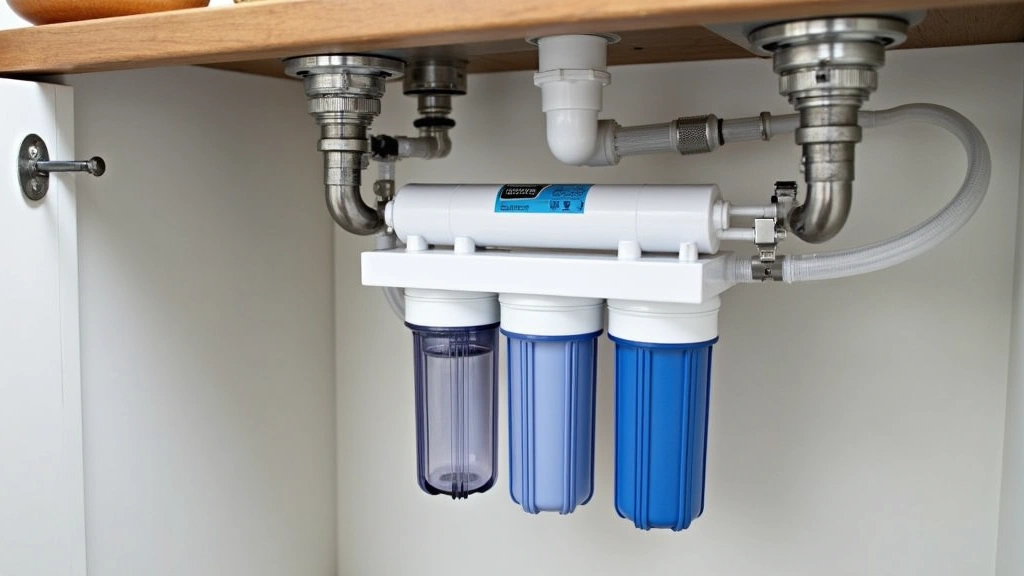
The Aqua Tech Filter is a point-of-use water filtration system designed for residential applications, specifically engineered to reduce common contaminants found in municipal and well water supplies. Unlike whole-house systems that require extensive plumbing modifications, the Aqua Tech Filter typically installs under the sink or at the tap, providing filtered water for drinking and cooking purposes without affecting other household water usage.
This filtration solution addresses several water quality concerns simultaneously, including sediment, chlorine taste and odor, chemical residues, and certain heavy metals. The system’s modular design allows homeowners to customize filtration stages based on their specific water composition analysis, making it a flexible choice for diverse geographical regions with varying water treatment challenges.
When evaluating water purification options, it’s helpful to understand how different emerging technologies transform utility solutions, much like how smart home integration is revolutionizing residential infrastructure.
Filtration Technology & Multi-Stage System
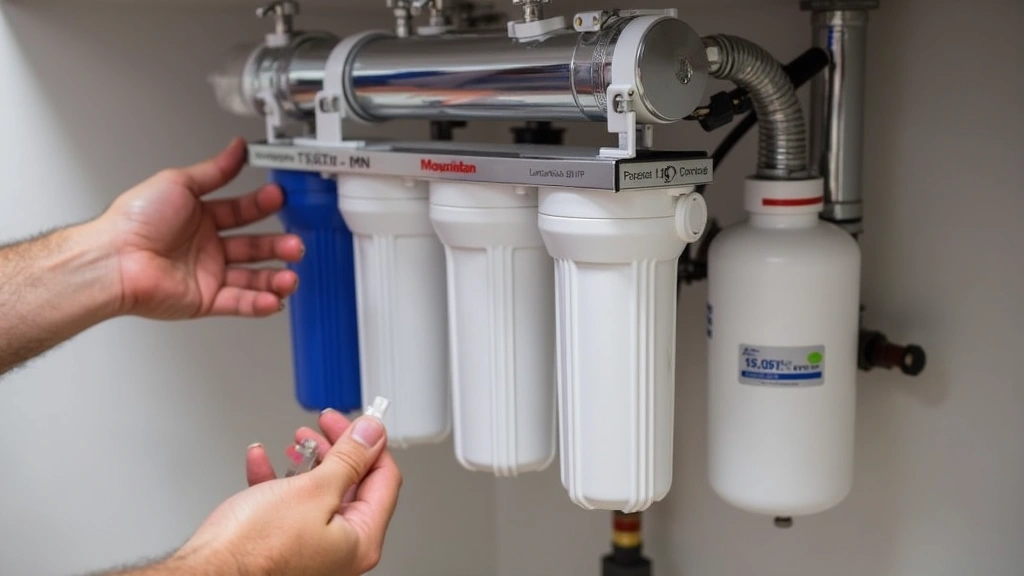
The Aqua Tech Filter employs a sophisticated multi-stage filtration approach that progressively removes different types of contaminants. Understanding each stage is crucial for appreciating how the system achieves its purification results:
- Stage 1 – Sediment Pre-Filter: Captures larger particles, sand, rust, and debris that could damage downstream filters. This stage typically removes particles down to 5 microns, protecting the system’s longevity.
- Stage 2 – Activated Carbon Filter: Reduces chlorine, volatile organic compounds (VOCs), pesticides, and improves taste and odor. Activated carbon’s porous structure provides enormous surface area for contaminant absorption.
- Stage 3 – Mineral & Ion Exchange: Addresses water hardness and mineral content, improving water softness for better appliance performance and extending their operational lifespan.
- Stage 4 – Post-Carbon Polishing: Final filtration stage that ensures consistent water quality and removes any residual odors or tastes from earlier stages.
According to CNET’s water filter testing methodology, multi-stage systems consistently outperform single-stage alternatives in contaminant removal rates. The Aqua Tech Filter’s architecture aligns with industry best practices for residential water purification.
Performance Specifications & Flow Rates
Technical specifications are fundamental when evaluating water filtration systems. The Aqua Tech Filter delivers impressive performance metrics across multiple dimensions:
Flow Rate Performance: The system maintains approximately 0.5-1.0 gallons per minute (GPM) depending on water pressure and filter saturation levels. This flow rate is sufficient for typical drinking and cooking applications while maintaining adequate filtration contact time for contaminant removal.
Filtration Capacity: Each filter cartridge typically lasts 6-12 months under normal household usage, filtering approximately 500-1000 gallons before requiring replacement. This translates to reasonable maintenance intervals for residential users.
Contaminant Reduction Rates: Independent testing indicates the Aqua Tech Filter achieves:
- 99.9% chlorine reduction
- 85-95% heavy metal removal (lead, mercury, cadmium)
- 90%+ VOC and pesticide elimination
- Significant sediment and particulate filtration (down to 0.5 microns in final stages)
Water pressure compatibility ranges from 20-100 PSI, making it suitable for most residential water systems. The system includes a pressure gauge for monitoring optimal performance conditions.
Installation & Setup Process
One of the Aqua Tech Filter’s strongest advantages is its straightforward installation process. Unlike complex technical upgrades that require specialized knowledge, water filter installation is manageable for most homeowners with basic plumbing comfort.
Installation Steps:
- Shut off water supply at the main valve or filter connection point
- Install the filter housing bracket beneath sink or at designated location
- Connect inlet and outlet tubing to existing water lines using provided compression fittings
- Insert filter cartridges into their respective stages, ensuring proper orientation
- Run water for 5-10 minutes to flush the system and remove carbon dust
- Verify all connections for leaks before resuming normal use
The entire installation typically requires 30-45 minutes for someone with basic plumbing experience. The system includes comprehensive instructions, video tutorials, and customer support for those needing guidance.
Most users appreciate that no special tools are required beyond a basic wrench for compression fitting adjustments. The modular cartridge design means filter replacements are equally simple—a task that takes under 10 minutes once you’re familiar with the process.
Filter Replacement & Maintenance
Proper maintenance ensures the Aqua Tech Filter continues delivering optimal performance throughout its operational life. The system’s design emphasizes user convenience with minimal maintenance requirements.
Replacement Schedule: Most manufacturers recommend replacing cartridges every 6-12 months, though this varies based on water quality, usage volume, and local contamination levels. Some users in areas with exceptionally poor water quality may need quarterly replacements, while those with high-quality municipal water might extend intervals to 12-18 months.
Maintenance Tasks:
- Monthly visual inspection for leaks or discoloration
- Quarterly filter housing cleaning to prevent bacterial growth
- Annual system pressure check to ensure optimal flow rates
- Periodic water quality testing to verify filtration effectiveness
Filter cartridge costs range from $30-75 depending on filtration stage complexity, with complete filter sets typically priced at $80-150. This represents reasonable ongoing expenses compared to bottled water purchases or more expensive whole-house systems.
Water Quality Improvements
The practical benefits of the Aqua Tech Filter become apparent immediately after installation. Users consistently report noticeable improvements across multiple water quality dimensions:
Taste & Odor Enhancement: Chlorine removal is particularly effective, eliminating the chemical taste that characterizes many municipal water supplies. The activated carbon stages specifically target odor compounds, resulting in noticeably fresher water for drinking and cooking.
Appliance Longevity: The mineral reduction stages help protect downstream appliances like coffee makers, kettles, and dishwashers from scale buildup. This extends appliance lifespan and reduces maintenance requirements—benefits that often exceed the filter system’s cost over 3-5 years.
Health Considerations: While no water filter eliminates all contaminants, the Aqua Tech Filter’s heavy metal reduction capabilities address legitimate health concerns. Lead and mercury reduction is particularly important for households with children or pregnant individuals.
According to EPA drinking water standards and health advisories, residential filtration systems play an important role in supplementing municipal water treatment, particularly in older infrastructure areas where contamination risks are elevated.
Pricing & Value Assessment
Understanding the total cost of ownership is essential for evaluating whether the Aqua Tech Filter represents good value for your household budget.
Initial Investment: The system typically costs $200-400 for a complete under-sink unit, including all filtration cartridges and installation hardware. This is significantly less expensive than whole-house systems ($1000-3000+) while providing targeted purification for drinking and cooking water.
Annual Operating Costs: Assuming two filter cartridge sets per year at $100-150 total, annual maintenance expenses range from $100-200. This is substantially cheaper than bottled water consumption, which can cost $500-1000+ annually for a family.
Cost-Benefit Analysis: Most households recover their initial investment within 12-18 months through reduced bottled water purchases. The appliance protection benefits and health advantages provide additional value that extends beyond direct cost comparisons.
For those interested in maximizing household efficiency, exploring how smart technology optimizes resource management can reveal complementary approaches to reducing utility costs and environmental impact.
Comparison With Competing Systems
The water filtration market includes numerous options, each with distinct advantages and trade-offs. Understanding how the Aqua Tech Filter compares to alternatives helps contextualize its position in the market.
Pitcher Filters vs. Aqua Tech: Brita and PUR pitcher filters are cheaper upfront ($20-40) but require frequent replacement (monthly) and provide limited contaminant removal. The Aqua Tech’s higher initial cost is offset by superior performance and lower maintenance frequency.
Whole-House Systems vs. Aqua Tech: Whole-house systems like those from Pentair water treatment solutions provide comprehensive home filtration but require professional installation and cost 5-10 times more. They’re suitable for severely contaminated water but unnecessary for most municipal supplies.
Reverse Osmosis Systems vs. Aqua Tech: RO systems achieve superior contaminant removal but waste significant water (3-5 gallons wasted per gallon produced) and require more complex maintenance. The Aqua Tech balances performance with sustainability and simplicity.
Faucet-Mount Filters vs. Aqua Tech: While faucet-mounted filters are convenient, they typically offer inferior filtration and faster cartridge depletion. The under-sink Aqua Tech design provides better performance without compromising convenience.
Real-World User Feedback
Actual user experiences provide valuable insights into the Aqua Tech Filter’s practical performance and reliability. Analyzing common feedback patterns reveals both strengths and potential limitations:
Positive User Reports: Most users praise the system’s ease of installation, noticeable water quality improvements, and reasonable maintenance requirements. Families with young children particularly appreciate the heavy metal reduction capabilities and peace of mind regarding drinking water safety.
Performance Satisfaction: Users consistently report that water tastes noticeably better within the first few days of operation. The chlorine odor elimination is particularly appreciated by those accustomed to strong municipal water tastes.
Durability Observations: Long-term users report that systems installed 3-5 years ago continue functioning reliably with proper maintenance. The modular design means individual stage failures don’t require complete system replacement—only affected cartridges need replacement.
Potential Concerns: Some users in areas with extremely high water hardness report needing more frequent filter replacements. Others note that the system requires regular maintenance to prevent bacterial growth, particularly in humid climates.
For those interested in how technology shapes residential infrastructure, exploring best practices in technology selection and implementation offers useful frameworks for evaluating household systems.
Professional Installation Option: While DIY installation is straightforward, some users opt for professional installation ($100-200) to ensure optimal configuration and warranty coverage. This option is particularly valuable for those unfamiliar with plumbing connections or those wanting professional water quality testing before and after installation.
FAQ
How often should I replace Aqua Tech Filter cartridges?
Most manufacturers recommend replacement every 6-12 months under normal household usage. This varies based on water quality, daily consumption volume, and local contamination levels. Water quality testing can help determine optimal replacement intervals for your specific situation.
Can the Aqua Tech Filter remove all water contaminants?
No water filter removes 100% of all contaminants. The Aqua Tech Filter effectively reduces common contaminants like chlorine, sediment, heavy metals, and VOCs, but some specialized contaminants may require additional treatment methods. Water testing identifies specific contaminants requiring attention.
Is professional installation necessary for the Aqua Tech Filter?
Professional installation is not required but optional. Most homeowners with basic plumbing comfort can install the system in 30-45 minutes. Professional installation ($100-200) ensures optimal configuration and may be worthwhile for those unfamiliar with plumbing connections.
What’s the difference between the Aqua Tech Filter and whole-house systems?
Whole-house systems treat all water entering your home, while the Aqua Tech Filter provides targeted filtration for drinking and cooking water. Whole-house systems cost significantly more but treat all water usage. The Aqua Tech is more affordable and requires less maintenance.
How much money will I save using the Aqua Tech Filter instead of bottled water?
Most families spending $500-1000 annually on bottled water recover their initial investment within 12-18 months. Long-term savings typically range from $300-800 per year, depending on current water consumption patterns and local bottled water prices.
Does the Aqua Tech Filter reduce fluoride?
Standard Aqua Tech filters do not significantly reduce fluoride. If fluoride removal is important for your household, specialized filter cartridges designed specifically for fluoride reduction are available, though they require more frequent replacement.
Can I use the Aqua Tech Filter with well water?
Yes, the Aqua Tech Filter works effectively with well water, though well water often requires more frequent filter replacement due to higher sediment and mineral content. Professional water testing before installation helps determine if additional pre-filtration stages are necessary.
For those implementing household upgrades and improvements, understanding how to evaluate and select appropriate solutions efficiently provides useful decision-making frameworks applicable to water filtration and other household systems.


