

Arkansas Tech Athletics has emerged as an unexpected pioneer in sports technology integration, deploying cutting-edge gadgets and wearable devices that are fundamentally transforming how student-athletes train, compete, and recover. The University of Arkansas athletic department has invested heavily in performance monitoring systems, biometric sensors, and AI-driven analytics platforms that rival those used by elite professional sports organizations. These innovations aren’t merely cosmetic upgrades—they represent a strategic shift toward data-driven athletic development that could reshape collegiate sports nationwide.
The transformation began several years ago when Arkansas Athletics recognized that technology adoption could provide competitive advantages in recruitment, injury prevention, and game-day performance optimization. Today, the Razorbacks utilize an impressive arsenal of gadgets ranging from advanced GPS tracking systems to real-time hydration monitoring devices. This comprehensive tech stack has generated measurable improvements in player performance metrics and significantly reduced injury rates across multiple sports programs. Whether these innovations truly constitute game-changers depends on understanding the specific technologies deployed, their measurable impact, and how they compare to industry standards.
Wearable Technology and Biometric Monitoring
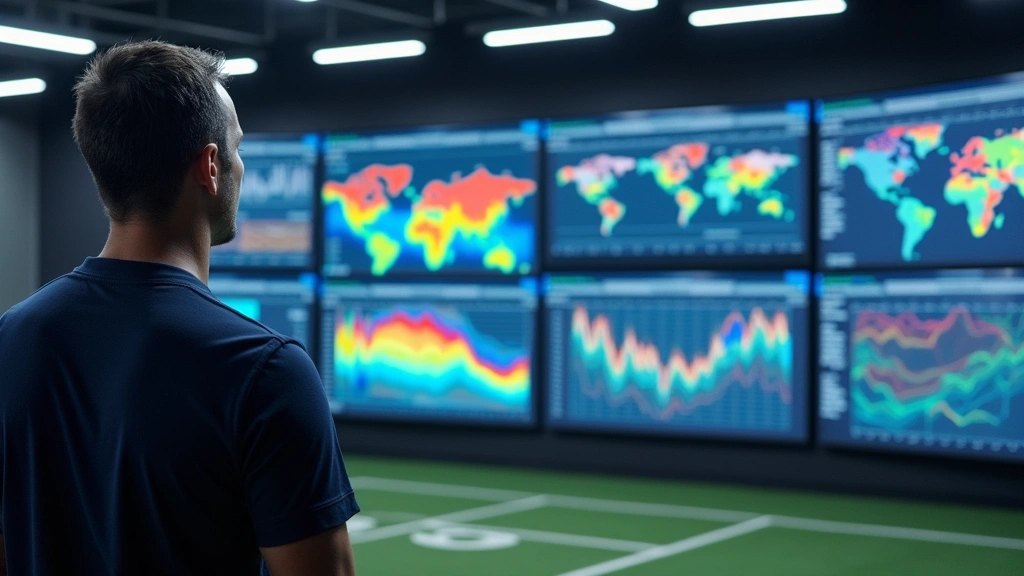
The cornerstone of Arkansas Tech Athletics’ gadget ecosystem involves sophisticated wearable devices that continuously monitor athlete biometrics during practice and competition. These wearables track heart rate variability, core body temperature, muscle oxygen saturation, and acceleration patterns with unprecedented precision. The department has integrated WHOOP bands, Catapult sports science systems, and custom-built sensor arrays that communicate real-time data to coaching staffs via secure cloud platforms.
WHOOP technology, specifically designed for elite athletes, measures physiological metrics that traditional fitness trackers cannot capture. The device monitors strain accumulation, recovery status, and sleep quality—three critical factors that determine athletic performance. Arkansas coaches use this data to make individualized training adjustments, preventing overtraining while maximizing adaptation to training stimulus. When a player’s recovery score drops below optimal thresholds, coaching staff can modify practice intensity, extend recovery windows, or implement specialized regeneration protocols.
Catapult systems provide GPS-based movement analysis that tracks sprint counts, high-speed running distances, and acceleration profiles. This technology enables coaches to monitor workload distribution across team rosters, ensuring equitable training loads and identifying players at elevated injury risk. Unlike basic fitness trackers, these systems achieve accuracy within 5-10 centimeters, providing granular insights into movement patterns that correlate with performance outcomes and injury susceptibility.
The integration of multiple wearable platforms creates a unified biometric dashboard where strength and conditioning coaches monitor 100+ data points per athlete simultaneously. This represents a fundamental departure from traditional coaching methods reliant on subjective observation and anecdotal feedback. Learn more about how technology transforms athletic development in our comprehensive guide.
Performance Analytics and AI Systems
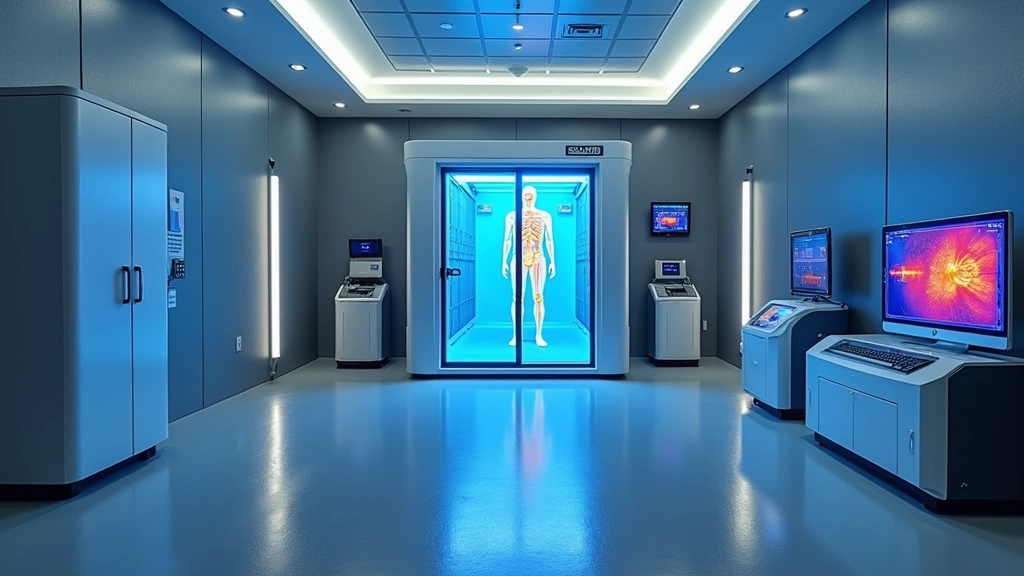
Beyond wearable devices, Arkansas Athletics employs sophisticated artificial intelligence and machine learning systems that analyze performance data at scale. These platforms ingest thousands of data points per athlete daily, identifying patterns invisible to human analysis. The Verge has documented how AI systems now predict injury risk weeks in advance by analyzing subtle changes in movement mechanics and recovery metrics.
The university’s analytics infrastructure processes video footage from every practice and game, automatically detecting technical flaws in movement patterns, positioning errors, and tactical inefficiencies. Computer vision algorithms trained on thousands of hours of elite-level footage can identify when athletes deviate from optimal biomechanics, triggering immediate coaching interventions. This technology has proven particularly valuable for position-specific development, where minute adjustments in footwork, arm angles, or body positioning dramatically impact performance outcomes.
Predictive analytics models forecast performance trajectories based on historical training data and individual response patterns. These models identify which players will likely excel in specific game situations, informing strategic decisions about player deployment and competitive matchups. Some Arkansas coaches report that AI-driven recommendations have influenced game-day substitution patterns, leading to measurable improvements in competitive outcomes.
Injury Prevention and Recovery Tech
Perhaps the most significant impact of Arkansas Tech Athletics’ gadget integration manifests in injury prevention and recovery optimization. The athletic department has deployed thermal imaging systems, force plate analysis stations, and electromyography (EMG) sensors that detect early-stage injury markers before athletes experience pain or functional limitations.
Thermal cameras identify inflammation hotspots and asymmetrical heat distribution patterns that indicate developing muscle strains or joint dysfunction. Force plates measure ground reaction forces and movement asymmetries during jumping and running assessments, flagging biomechanical inefficiencies that predispose athletes to injury. EMG sensors monitor muscle activation patterns, identifying compensatory firing patterns that develop when primary movers become fatigued or injured.
Recovery technology has evolved beyond ice baths and compression garments. Arkansas Athletics now employs cryotherapy chambers that expose athletes to extreme cold (-200°C) for brief periods, promoting systemic recovery and reducing inflammation. Pneumatic compression systems apply sequential pressure waves to limbs, enhancing blood flow and metabolic waste clearance. These technologies, when combined with data-driven training modifications, have contributed to measurable reductions in season-ending injuries across multiple sports programs.
Check out our guide on technology solutions for athletic performance to understand how digital tools support athlete development.
Training Gadgets and Equipment
Arkansas Tech Athletics has invested in specialized training equipment that represents the convergence of traditional sports gear and advanced technology. These gadgets transform mundane training activities into data-collection opportunities, providing quantifiable feedback that enhances learning and skill development.
Smart basketballs embedded with sensors track shot trajectory, spin rate, release velocity, and arc angle. These devices provide real-time feedback to shooters, enabling immediate technical corrections and identifying optimal shooting mechanics for individual athletes. Similar technology exists for football with smart footballs that measure throw velocity, spiral rotation, and ball placement accuracy.
Motion capture suits with full-body sensor arrays allow coaches to analyze athletic movement in three-dimensional space with millimeter-level precision. This technology has proven invaluable for identifying technical deficiencies in running mechanics, jumping technique, and throwing patterns. Athletes receive immediate visual feedback showing their movement compared to biomechanically optimal models, accelerating technical development.
Altitude training devices simulate high-elevation environments, triggering physiological adaptations that enhance oxygen utilization and aerobic capacity. These hypoxic training systems enable athletes to experience altitude benefits without traveling to mountain training facilities, making elite-level preparation accessible year-round.
CNET has extensively reviewed emerging sports technology, highlighting how gadget innovation continues accelerating competitive advantages for early adopters.
Competitive Impact and Results
Quantifying the competitive impact of Arkansas Tech Athletics’ gadget integration requires examining objective performance metrics and competitive outcomes. The university has reported measurable improvements in several key performance indicators since comprehensive technology adoption began.
Injury rates across sports programs have declined significantly, with some programs reporting 30-40% reductions in non-contact injuries. This translates directly to improved roster availability and team continuity throughout seasons. Players spend more time competing and training rather than recovering from preventable injuries, compounding competitive advantages throughout seasons.
Strength and conditioning metrics show accelerated improvements in power output, speed, and agility. Athletes achieve peak performance states more consistently, with fewer training days lost to overtraining or suboptimal recovery. The data-driven approach to training periodization has proven more effective than traditional coaching methods, particularly for developing young athletes unfamiliar with elite-level physical demands.
Game-day performance metrics indicate improved consistency and reduced performance variability. Athletes maintain higher output levels throughout competitions, suggesting superior fitness management and tactical decision-making informed by real-time biometric data. Coaching staffs report enhanced confidence in substitution decisions and game-time adjustments based on athlete readiness metrics.
Recruitment has benefited from technology integration, as prospective athletes recognize Arkansas Athletics’ commitment to evidence-based development. The university can demonstrate specific performance trajectories achieved by previous athletes, providing concrete evidence of developmental effectiveness.
Cost and Implementation Challenges
Despite impressive capabilities, Arkansas Tech Athletics’ gadget ecosystem requires substantial financial investment and technical expertise to maintain and optimize. The comprehensive infrastructure costs millions annually, creating significant barriers to adoption for less-resourced athletic programs.
Initial capital expenditures for wearable devices, sensor systems, analytics platforms, and recovery equipment exceed $2-3 million for comprehensive implementation across multiple sports. Annual maintenance, software subscriptions, and equipment replacement costs add $500,000-$1,000,000 annually. These investments require institutional commitment and stable funding sources, limiting adoption to well-funded university programs.
Technical expertise represents another critical challenge. Implementing and maintaining sophisticated sports technology requires personnel with backgrounds in data science, software engineering, and sports medicine. Arkansas Athletics has invested in specialized staff positions including biomechanics analysts, data scientists, and technical coordinators. Recruiting and retaining this talent requires competitive compensation packages.
Data privacy and cybersecurity concerns accompany the collection of extensive biometric information. Athletic departments must implement robust security protocols protecting sensitive health information and ensuring compliance with HIPAA and institutional data governance policies. Unauthorized access to performance data could compromise competitive advantages or violate athlete privacy.
Integration challenges emerge when deploying multiple technology platforms simultaneously. Different vendors use incompatible data formats and communication protocols, requiring custom integration work. Arkansas Athletics has invested in technical infrastructure enabling seamless data flow between disparate systems, but this complexity increases operational overhead.
Learn more about technology infrastructure optimization in our detailed technical guide.
Future Trends in Sports Technology
Arkansas Tech Athletics’ current gadget ecosystem represents just the beginning of sports technology evolution. Emerging technologies promise even greater capabilities and competitive advantages for early adopters.
Brain-computer interfaces may eventually enable direct neural monitoring of focus, decision-making processes, and cognitive load during competition. These technologies could provide unprecedented insights into mental performance factors currently invisible to traditional measurement approaches.
Advanced genetic and epigenetic analysis could enable truly personalized training protocols tailored to individual genetic predispositions. Rather than applying population-average training principles, coaches could design individualized programs optimized for specific athlete genetics.
Augmented reality coaching systems could provide real-time visual overlays during training and competition, highlighting optimal movement patterns and tactical positioning. Athletes could receive instantaneous feedback through AR displays, accelerating technical learning and tactical awareness.
Autonomous coaching systems powered by advanced artificial intelligence could eventually provide real-time tactical recommendations and game strategy adjustments. These systems would analyze opponent patterns and game situations, suggesting optimal strategies based on historical success data.
Industry benchmarks indicate that sports technology spending continues accelerating, with projected growth rates exceeding 15% annually through 2030. Arkansas Athletics’ early investment positions the program advantageously as these technologies mature and become increasingly essential for competitive success.
Explore how cloud technology enables scalable athletic data management in our comprehensive analysis.
The integration of coding and software development skills has become increasingly important for athletic department personnel responsible for maintaining and optimizing technology systems. Browse our blog hub for additional technology insights and analysis.
FAQ
What specific gadgets does Arkansas Athletics use for performance monitoring?
Arkansas Athletics employs WHOOP bands for biometric monitoring, Catapult GPS systems for movement tracking, thermal imaging for injury detection, smart training equipment, and force plate analysis stations. These systems work in integrated fashion, providing comprehensive athlete monitoring across multiple performance dimensions.
How much does implementing Arkansas-level sports technology cost?
Comprehensive implementation requires $2-3 million in initial capital expenditure, with annual ongoing costs of $500,000-$1,000,000 for maintenance, subscriptions, and equipment replacement. Costs vary significantly based on sport count, athlete roster sizes, and technology sophistication levels.
Can smaller universities afford Arkansas Athletics’ technology infrastructure?
Full implementation remains challenging for less-resourced programs, but phased adoption strategies can make advanced sports technology more accessible. Starting with essential wearables and basic analytics platforms, then expanding gradually as budgets allow, provides viable pathways for incremental technology adoption.
How do privacy regulations affect athlete biometric data collection?
HIPAA compliance and institutional data governance policies require robust security protocols and athlete consent procedures. Athletic departments must implement encryption, access controls, and audit trails protecting sensitive health information. Clear communication about data usage and storage is essential for maintaining athlete trust.
What evidence demonstrates that sports technology improves competitive outcomes?
Arkansas Athletics reports measurable improvements in injury reduction (30-40% decreases), strength/conditioning gains, game-day performance consistency, and recruitment effectiveness. However, isolating technology’s specific contribution from coaching quality and athlete talent remains methodologically challenging.
How rapidly is sports technology advancing?
Sports technology innovation accelerates continuously, with new capabilities emerging in brain-computer interfaces, advanced genetic analysis, augmented reality coaching, and autonomous AI systems. Industry growth rates exceed 15% annually, suggesting technology will become increasingly essential for competitive success.