Arkansas Tech Baseball: Top Gadgets for Athletes
Arkansas Tech baseball players operate at the highest competitive level, where marginal gains in performance can determine championship outcomes. Modern athletic training demands more than traditional coaching and practice—it requires cutting-edge technology that provides real-time feedback, injury prevention, and data-driven insights into player development. The intersection of sports and technology has created an ecosystem of innovative gadgets specifically designed to enhance athletic performance, recovery, and overall player longevity.
Whether you’re training at the collegiate level or aspiring to reach Arkansas Tech’s competitive standards, understanding which gadgets deliver measurable results is crucial. From wearable devices that track biometric data to advanced recovery equipment and performance analytics tools, the right technology can accelerate your development as a baseball player. This comprehensive guide explores the essential gadgets that Arkansas Tech baseball athletes and serious competitors should consider for their training arsenal.
Wearable Performance Trackers and Smart Devices
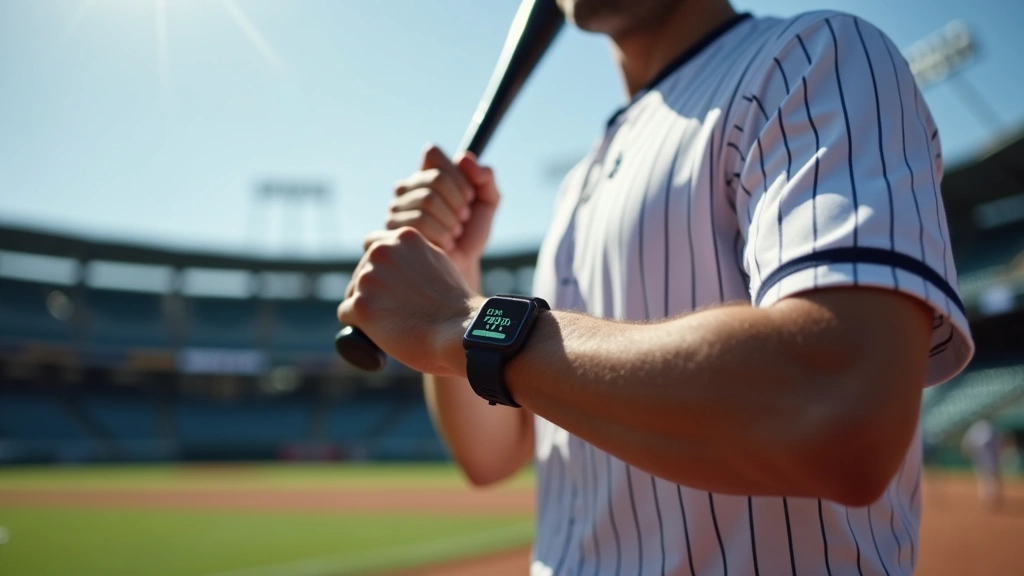
Wearable technology has revolutionized how athletes monitor their physical condition during training and competition. For Arkansas Tech baseball players, GPS-enabled sports watches and fitness trackers provide continuous data collection on heart rate variability, sleep quality, and training load. These devices help coaches and athletes understand recovery status and prevent overtraining, which is particularly important during grueling seasons when players face multiple games per week.
The leading sports technology providers now offer watches specifically calibrated for baseball, tracking metrics like maximum sprint speed, acceleration rates, and distance covered during games. Elite models incorporate stress monitoring algorithms that measure cortisol levels through heart rate patterns, providing insight into mental and physical fatigue. These insights help Arkansas Tech athletes optimize their training intensity and recovery protocols.
Smart compression sleeves represent another critical category of wearable technology. These devices embed sensors that measure muscle oxygenation, temperature, and electrical activity during athletic movements. By monitoring these parameters in real-time, players can adjust their mechanics or intensity levels before injury occurs. Many collegiate programs now mandate wearable technology for all roster players, recognizing the competitive advantage and injury prevention benefits these devices provide.
Battery life and data synchronization are essential considerations when selecting wearables. Look for devices offering 7-10 day battery life with cloud-based analytics that integrate seamlessly with coaching staff dashboards. This enables coaches to review aggregate team data and identify patterns in player performance and recovery trends.
Motion Capture and Swing Analysis Technology
Baseball’s emphasis on precise biomechanics makes motion capture technology invaluable for Arkansas Tech athletes. High-speed camera systems recording at 240-1000 frames per second capture every detail of batting swing mechanics, pitching delivery, and fielding movements. Unlike traditional video analysis, these systems generate quantifiable data points—hip rotation speed, shoulder separation angles, stride length—that coaches can compare against optimal biomechanical models.
Markerless motion capture technology has become increasingly affordable for collegiate programs. Systems using artificial intelligence algorithms can analyze movement without requiring athletes to wear specialized suits or markers, making them practical for game-day use. These platforms provide immediate feedback during live games, allowing coaches to make real-time adjustments to player positioning or approach.
Bat sensors have emerged as game-changing technology for hitters. These lightweight devices attach to bats and measure impact location, barrel speed, and attack angle for every swing. Data collected through comprehensive testing by technology reviewers shows that players using bat sensors improve their batting average by understanding their optimal swing patterns. The sensors sync with mobile applications that display swing metrics immediately after contact, enabling rapid feedback loops during practice sessions.
Pitching analysis systems track release point consistency, spin rate, spin axis, and velocity across multiple pitch types. Arkansas Tech pitchers can identify mechanical inefficiencies or fatigue-related velocity drops that might otherwise go unnoticed. This data-driven approach to pitching development has proven particularly effective for developing competitive college athletes who aspire to professional careers.
Recovery and Injury Prevention Gadgets
The recovery phase of athletic training often determines long-term performance gains and injury prevention outcomes. Cryotherapy chambers and ice bath technology remain popular among elite programs, but portable alternatives now provide comparable benefits. Personal ice compression devices combine cold therapy with graduated compression, reducing inflammation while improving blood flow recovery. These portable units are particularly valuable for Arkansas Tech athletes traveling to away games.
Percussion massage devices have become standard recovery tools across collegiate baseball programs. These handheld devices deliver rapid, targeted vibrations to muscle groups, reducing soreness and improving range of motion. Research from sports medicine databases indicates that percussive therapy accelerates recovery timelines when combined with conventional stretching and mobility work.
Infrared therapy devices emit specific wavelengths that penetrate tissue, reducing pain and accelerating cellular repair. Unlike heating pads, infrared technology targets deep muscle and connective tissue structures. Arkansas Tech players can use these devices in dorm rooms or training facilities without requiring specialized equipment setup, making them practical for daily recovery protocols.
Sleep optimization technology deserves particular attention for baseball athletes. Blue light filtering glasses and circadian rhythm-adjusting light devices help athletes maintain consistent sleep schedules despite travel and competition stress. Quality sleep directly impacts injury recovery, immune function, and cognitive performance—all critical for competitive baseball.
Training Equipment with Smart Features
Resistance training equipment integrated with smart sensors provides real-time feedback on form and power output. For Arkansas Tech baseball players, smart weight plates and connected dumbbells track repetitions, range of motion, and movement velocity. This data helps strength coaches ensure athletes maintain proper form and identify asymmetries between dominant and non-dominant sides—critical for preventing shoulder and elbow injuries in baseball athletes.
Smart baseball training machines now feature advanced analytics capabilities that adjust pitch speed, location, and spin characteristics based on player performance. These machines collect data on swing timing, contact quality, and consistency, providing objective metrics for batting practice effectiveness. Unlike traditional pitching machines, smart systems adapt difficulty levels in real-time, optimizing the training stimulus.
Agility training systems using motion sensors and LED-based feedback help develop the quick-twitch response necessary for baseball. These platforms guide athletes through drills while recording acceleration, deceleration, and change-of-direction metrics. Coaches can track improvement across training cycles and compare individual athlete performance against program benchmarks.
Plyometric training platforms with embedded force plates measure ground reaction forces during jumping and explosive movements. For baseball athletes developing lower body power for batting and running, these metrics provide objective evidence of strength development and power transfer efficiency. Arkansas Tech training staff can adjust exercise progressions based on actual force output rather than subjective assessment.
Nutrition and Hydration Monitoring Systems
Hydration status directly impacts athletic performance, yet many athletes train in suboptimal hydration states. Smart water bottles equipped with sensors remind athletes to drink and track cumulative fluid intake throughout training sessions and games. These devices connect to mobile applications that display hydration status and recommend intake based on sweat rate calculations.
More sophisticated systems analyze sweat composition through wearable patches, measuring electrolyte loss and sodium concentration. This personalized data enables Arkansas Tech athletes to customize hydration strategies rather than following generic recommendations. Individual sweat rates and electrolyte profiles vary significantly, making personalized hydration particularly important for performance and safety.
Nutritional tracking applications integrated with digital platforms used by college athletes monitor macronutrient and micronutrient intake. For baseball players managing demanding training loads, precise nutrition tracking ensures adequate protein consumption for muscle recovery and carbohydrate availability for training intensity. Sports nutrition software can generate automated meal recommendations based on training volume and performance goals.
Portable metabolic testing devices measure oxygen consumption and carbon dioxide production during training, determining individual athlete caloric expenditure. This data enables Arkansas Tech nutritionists to develop personalized caloric recommendations rather than applying generic formulas that may not reflect individual metabolism variations.
Video Analysis and Game Intelligence Tools
Advanced video analysis platforms have become essential for competitive baseball programs. These systems enable frame-by-frame breakdown of opponent pitching patterns, allowing hitters to prepare for upcoming matchups. Arkansas Tech analysts can review historical data on pitcher tendencies, identifying patterns in pitch selection based on count, baserunner situation, and game context.
Cloud-based video systems allow players to access game footage and training videos from any location, supporting learning during travel and off-season training. Integration with artificial intelligence applications enables automated highlight generation and performance comparison against previous games or training sessions.
Defensive positioning analytics use computer vision to track ball and player movement, generating heat maps showing optimal fielding positions based on batter handedness and pitch type. This objective data helps Arkansas Tech coaches optimize defensive alignment, potentially preventing hits and creating additional outs over a season.
Pitch tracking systems provide detailed information on every pitch thrown during games—velocity, spin rate, movement profile, and location. This data supports pitcher development planning and helps identify which pitch types generate the most favorable outcomes. Coaches can compare pitcher performance across outings and identify mechanical adjustments that improve effectiveness.

Game intelligence platforms aggregate all this data into comprehensive dashboards accessible to coaches and players. Rather than reviewing isolated metrics, Arkansas Tech staff can examine how swing mechanics, pitch selection, baserunning decisions, and defensive positioning interact to produce game outcomes. This holistic approach to performance analysis drives more effective coaching interventions.
Choosing the Right Technology Stack for Your Program
Implementing technology effectively requires strategic planning beyond simply purchasing individual gadgets. Arkansas Tech baseball programs must consider integration compatibility between different platforms, ensuring data flows seamlessly between wearables, analysis software, and coaching dashboards. Fragmented systems create data silos that limit analytical insights.
Budget allocation should prioritize technologies with proven performance impact. Research from NCAA athletics resources and peer program benchmarking helps identify which investments deliver measurable returns. Starting with foundational technologies like wearable trackers and basic video analysis often provides better value than expensive specialized equipment until core systems are optimized.
Staff training represents a critical but often overlooked implementation requirement. Even the most advanced technology provides limited value if coaches and athletes lack training on proper interpretation and application. Investing in comprehensive onboarding and ongoing education maximizes technology ROI.
For individual athletes aspiring to Arkansas Tech competitive standards, starting with fundamental performance tracking devices and affordable video analysis tools provides excellent value. As skills develop and competition increases, more specialized equipment becomes justified.

FAQ
What’s the most important gadget for baseball athletes?
Wearable performance trackers and high-speed video analysis systems provide the greatest performance impact. These technologies deliver immediate, objective feedback that drives rapid skill development. Starting with these two categories provides excellent value before investing in specialized equipment.
How much should Arkansas Tech athletes spend on training technology?
Individual athletes should budget $500-$2,000 for foundational technology including a quality wearable tracker ($300-$500), basic video analysis software ($100-$300), and recovery equipment ($200-$500). Collegiate programs typically invest $50,000-$200,000 annually across all technology systems when accounting for software subscriptions, equipment, and staff training.
Can technology replace traditional coaching?
No. Technology amplifies coaching effectiveness by providing objective data that informs training decisions. The best programs combine experienced coaching expertise with technology-driven insights, creating feedback loops that accelerate player development beyond what either approach achieves independently.
Which recovery technology provides the best value?
Percussion massage devices and compression sleeves offer excellent value for individual athletes, typically costing $200-$400 with proven recovery benefits. Sleep optimization tools and hydration monitoring systems provide complementary benefits at similar price points.
How does Arkansas Tech compare to other collegiate baseball programs regarding technology adoption?
Arkansas Tech maintains competitive parity with elite collegiate programs through strategic technology investments focused on swing analysis, wearable performance tracking, and video intelligence systems. These core technologies provide measurable competitive advantages in player development and injury prevention.
Should aspiring college athletes invest in personal training technology?
Yes. Individual athletes who invest in quality wearables and video analysis tools demonstrate commitment to data-driven development. This preparation also provides valuable familiarity with technology systems used by collegiate programs, accelerating the transition to college-level training protocols.