Arkansas Tech Football: Game-Changing Gadgets for Modern Athletes
Arkansas Razorbacks football has evolved dramatically over the past decade, and much of that transformation owes itself to cutting-edge technology integration on and off the field. From wearable biometric sensors to advanced coaching analysis platforms, the gadgets powering modern collegiate football have become as critical as the athletes themselves. The University of Arkansas athletic department has invested heavily in tech infrastructure to keep their program competitive, leveraging everything from real-time performance monitoring to AI-driven play analysis systems that rival professional NFL operations.
In this comprehensive guide, we’ll explore the game-changing gadgets that are revolutionizing Arkansas tech football, examining how these innovations enhance player performance, reduce injury risk, and provide competitive advantages. Whether you’re a Razorbacks fan curious about behind-the-scenes technology, a student-athlete considering performance tech, or simply interested in how modern sports leverage technology, this article breaks down the essential gadgets transforming collegiate football at one of the SEC’s premier programs.
Wearable Biometric Monitoring Systems
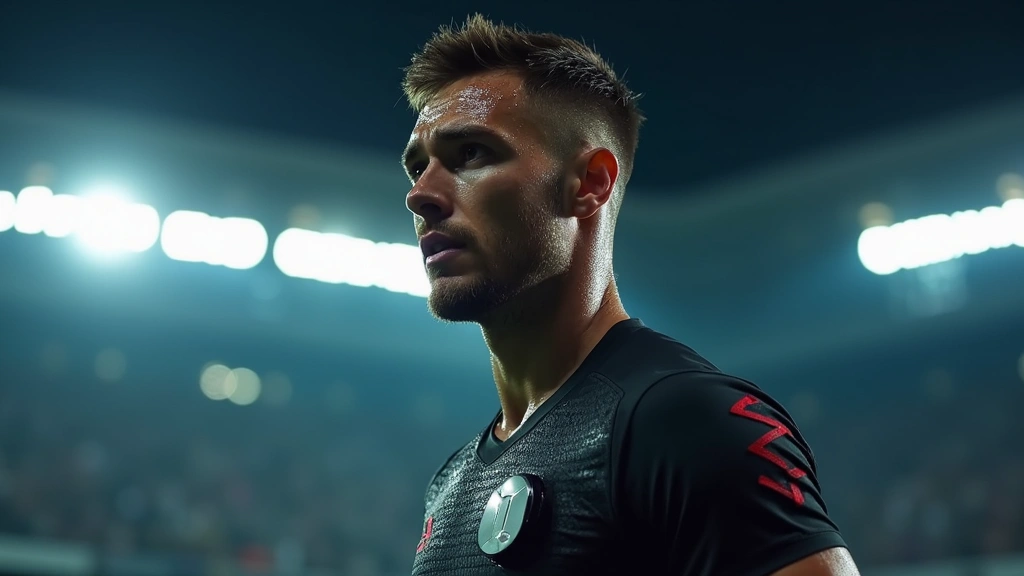
The foundation of modern Arkansas tech football performance analysis begins with wearable biometric devices. These sophisticated sensors track everything from heart rate variability to muscle oxygen saturation, providing coaches with real-time data about player exertion levels and recovery status. The most advanced systems integrate multiple sensor types into lightweight chest straps or arm bands that athletes wear during practice and games.
Leading programs like Arkansas utilize devices from manufacturers such as WHOOP, which provides detailed recovery metrics, strain scores, and sleep quality analysis. These wearables collect data points including:
- Heart rate and heart rate variability (HRV)
- Respiratory rate and breathing patterns
- Skin temperature fluctuations
- Sleep architecture and REM cycles
- Cumulative strain load across training sessions
- Real-time exertion monitoring
For Arkansas athletes, this data translates directly to personalized training adjustments. When a player shows signs of overtraining or inadequate recovery, strength coaches can modify practice intensity accordingly, preventing burnout and injury. The TechPulse Hunter Blog regularly covers emerging wearable innovations, and similar biometric breakthroughs are reshaping how collegiate programs approach athlete development.
Integration with team management systems allows coaching staff to monitor entire roster health simultaneously. A player showing concerning recovery metrics can be flagged for additional rest days or modified drills, while teammates with optimal recovery can handle increased training volume. This data-driven approach to workload management has proven particularly valuable for preventing overuse injuries in positions requiring high repetitive stress, such as quarterbacks and running backs.
Advanced Video Analysis and AI Coaching Tools
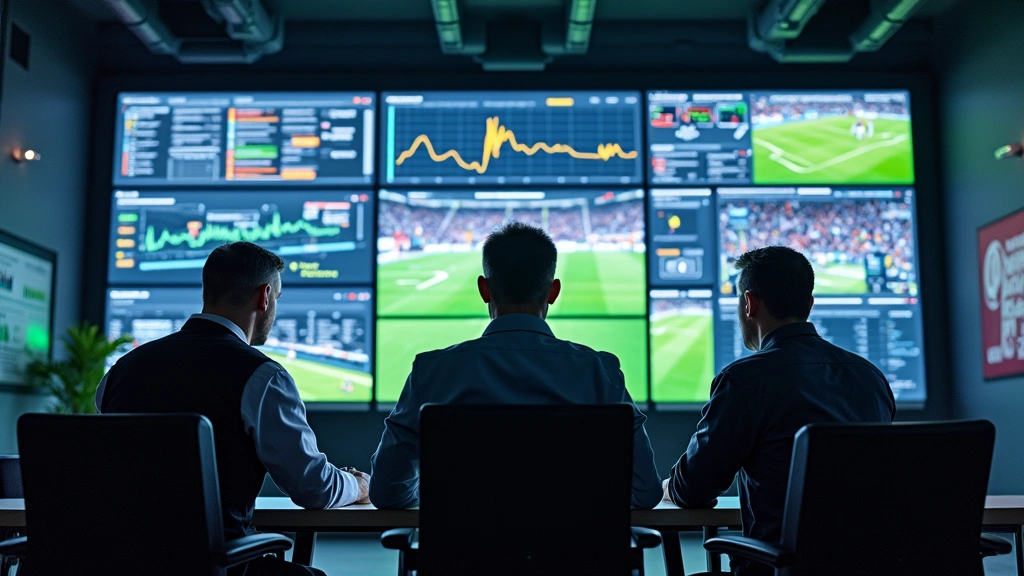
Video analysis technology has evolved from simple slow-motion replay to sophisticated artificial intelligence systems that break down every element of player performance. Arkansas tech football programs now employ systems like Hudl and Zebra Technologies that combine multi-angle video capture with AI-driven performance metrics.
These platforms automatically tag plays, identify coaching points, and generate performance comparisons across seasons and opponents. Defensive backs can review coverage breakdowns in seconds rather than hours of manual tape study. Offensive linemen receive instant feedback on hand placement, footwork, and gap assignments. Machine learning algorithms identify patterns in successful plays versus unsuccessful ones, helping coordinators design plays that exploit opponent weaknesses.
The technology extends beyond simple video review. Some systems now integrate biometric data with video footage, allowing coaches to correlate physical exertion with decision-making quality. A quarterback throwing interceptions when experiencing elevated heart rate might benefit from different conditioning protocols or mental training approaches. This intersection of biomechanics and tactical analysis represents the cutting edge of Arkansas tech football coaching.
Remote coaching capabilities have become invaluable, allowing assistant coaches to review practice footage in real-time from other facilities or home offices. This flexibility improves coaching efficiency and allows specialized consultants to contribute without requiring constant on-site presence. During recruiting visits, prospects can watch personalized highlight reels created from AI-analyzed game footage, demonstrating exactly how they fit into offensive or defensive schemes.
GPS Tracking and Positioning Technology
Understanding player movement patterns during games and practices requires sophisticated GPS and local positioning technology. Arkansas tech football programs utilize systems providing centimeter-level accuracy in tracking athlete positions, velocities, and acceleration patterns. Unlike consumer GPS watches, these professional-grade systems operate indoors using ultra-wideband technology or optical systems, capturing data at 25 Hz or higher sampling rates.
This positional data reveals insights impossible to detect through video alone. How many total distance meters did a cornerback cover during a game? What was the maximum sprint velocity for a wide receiver on a particular route? Which defensive lineman consistently penetrated the backfield fastest? These metrics inform player evaluation, conditioning program design, and even contract negotiations.
The data becomes particularly valuable when analyzed across entire seasons. Coaching staff can identify trends like declining velocity in the fourth quarter, suggesting conditioning deficiencies. They can compare player performance across different opponent tempos and schemes. Injury prevention specialists use movement pattern changes as early warning signs of developing problems before pain manifests.
Integration with game film allows coaches to correlate movement data with tactical outcomes. A defensive end’s failure to contain a specific play might correlate with slightly slower lateral movement velocity on that rep. This specificity enables targeted coaching interventions rather than generic feedback.
Recovery and Injury Prevention Gadgets
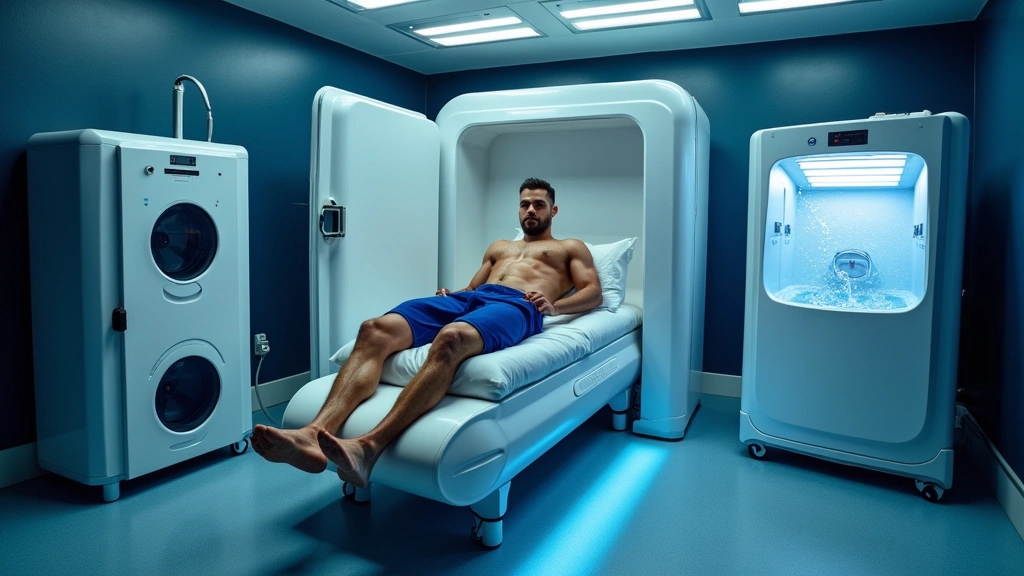
Modern Arkansas tech football recognizes that game performance depends as much on recovery quality as training intensity. Advanced recovery gadgets have become standard equipment in elite programs. Cold plunge pools with precise temperature control, compression therapy devices, and specialized massage guns represent the baseline. More sophisticated options include contrast therapy chambers, cryotherapy units, and hyperbaric oxygen chambers.
Compression therapy devices like Normatec systems use dynamic air compression patterns to enhance blood flow and reduce muscle soreness. Athletes spend 30-60 minutes post-practice or post-game in these chambers, accelerating lactate clearance and promoting nutrient delivery to damaged tissues. The technology has become popular because independent research shows measurable improvements in recovery metrics when combined with proper training and nutrition protocols.
Thermal imaging cameras help medical staff identify inflammation patterns and asymmetries that might indicate developing injuries. If a player shows elevated temperature in one shoulder compared to the other, this could signal inflammation warranting intervention before pain develops. Combined with the biometric wearables mentioned earlier, thermal imaging provides comprehensive injury risk assessment.
Sleep optimization technology deserves special attention in Arkansas tech football injury prevention strategies. Smart mattresses monitor sleep architecture, adjusting firmness and temperature throughout the night. Sleep tracking combined with comprehensive student athlete wellness monitoring helps ensure adequate recovery. Most collegiate athletes need 8-10 hours nightly, and tracking technology ensures compliance while identifying sleep disorders requiring intervention.
On-Field Communication Systems
Effective communication between coaches and players during games requires reliable, interference-resistant technology. Modern Arkansas tech football programs utilize encrypted digital communication systems that provide crystal-clear audio even in stadium environments with significant ambient noise. These systems typically operate on dedicated frequencies separate from commercial broadcasting, ensuring security and reliability.
Helmet communication systems allow coaches to send play calls, adjustments, and encouragement directly to quarterbacks and defensive captains. The technology includes timeout limitations and specific communication windows to comply with NCAA regulations. More sophisticated systems integrate with offensive and defensive coordinator headsets, allowing coordinated communication across multiple coaching staff members and players.
Visual communication systems complement audio technology. Sideline display boards showing upcoming plays, defensive assignments, and key metrics help players absorb information during brief timeouts. These aren’t simple laminated cards anymore—modern systems use digital displays with instant updates, allowing coaches to adapt play-calling based on real-time game situations.
Communication technology extends beyond play-calling. Mental performance coaches use communication systems to deliver psychological interventions during games. A player showing signs of frustration might receive calming messages between plays. Team captains can deliver motivational communication to struggling teammates without waiting for timeout breaks.
Smart Training Equipment and Sensors
Traditional training equipment has evolved into intelligent systems providing real-time feedback on exercise execution. Smart barbells with embedded sensors track bar velocity, allowing strength coaches to monitor power output and fatigue accumulation. When bar velocity decreases below target ranges, coaches know the athlete has reached appropriate fatigue levels and should reduce load or volume.
Resistance training technology extends to cable machines, leg presses, and other equipment fitted with force plates and motion sensors. These systems provide instantaneous feedback on force production, range of motion, and movement patterns. A player performing squats receives real-time alerts if they’re not achieving adequate depth, preventing compensation patterns that could lead to injuries.
Agility training equipment has similarly advanced. Smart cones with light-up sequences and timing gates create programmable agility drills that record completion times and acceleration profiles. Cone drills remain essential for football conditioning, but modern versions provide objective performance metrics rather than coach-estimated times. This objectivity proves invaluable when comparing player development across seasons.
Tackling sleds and blocking dummies now incorporate sensor technology measuring impact force, contact consistency, and technique quality. Defensive linemen practicing gap assignments can see whether they’re maintaining proper pad level and contact angles. Linebackers can review tackling form immediately after drills, reinforcing proper technique while feedback is fresh.
When combined with upgraded performance tracking systems and properly maintained analysis infrastructure, these smart training devices create comprehensive feedback loops that accelerate skill development and technique refinement.
Mobile Apps for Performance Management
Comprehensive mobile applications serve as central hubs for Arkansas tech football athlete information. These apps integrate wearable data, video footage, training schedules, nutrition plans, and messaging systems into single platforms accessible to players, coaches, and support staff. Modern performance management apps like Catapult and GPexe serve as command centers for team management.
Athletes receive daily notifications about training focus areas, recovery recommendations, and personalized messaging from coaching staff. Players can log meals, track hydration, and monitor sleep quality through integrated wellness modules. This data feeds into coaching staff dashboards, allowing medical and strength staff to identify concerning patterns requiring intervention.
Video review functionality allows athletes to independently study footage, reinforcing coaching instruction and enabling self-directed learning. A wide receiver can watch route-running progressions from multiple games, developing intuitive understanding of spacing and timing. Defensive backs can review coverage assignments while traveling or during off-hours, improving mental preparation for upcoming opponents.
Performance comparison tools help players understand their development trajectory. Comparing current sprint times, vertical jump heights, and strength metrics to previous seasons provides motivation and identifies areas requiring additional focus. Benchmarking against position-specific standards helps players understand where they rank within the program and nationally.
Mental performance modules increasingly integrate into comprehensive apps. Visualization exercises, breathing techniques, and motivational content support psychological development. Some apps include sport psychologist consultations, allowing athletes to address performance anxiety and stress management with professional guidance. This integration of physical and mental performance represents modern holistic athlete development.
FAQ
What specific wearable devices does Arkansas football currently use?
While the University of Arkansas hasn’t publicly detailed every device in their system, industry reports indicate they utilize WHOOP bands for biometric monitoring, similar to most SEC programs. The exact combination varies by position and coaching staff preferences, but typically includes chest-worn monitors, smartwatches, and integrated helmet sensors.
How do coaches use GPS tracking data during games?
GPS tracking during games provides post-game analysis rather than real-time coaching adjustments. Coaches review movement patterns, sprint distances, and velocity metrics to evaluate player performance and identify conditioning trends. This data informs practice planning and helps identify which players require additional conditioning work.
Are these gadgets expensive for collegiate programs?
Yes, significantly. Comprehensive tech implementations cost major programs $500,000 to $2 million annually. This includes hardware, software subscriptions, technical support staff, and infrastructure maintenance. However, most SEC programs consider this investment essential for competitiveness and injury prevention.
Can student-athletes access this technology during offseason training?
Availability varies by program and athlete status. Full-scholarship athletes typically have year-round access to most technologies. Walk-on athletes and those in offseason conditioning programs may have limited access depending on facility availability and coaching staff priorities.
How does this technology impact recruiting?
Modern recruits expect advanced technology access. Programs showcasing sophisticated training technology, recovery systems, and performance tracking impress prospects and their families. Demonstrating how technology supports player development and injury prevention helps recruiting pitches resonate with elite athletes evaluating program options.
What’s the relationship between technology use and actual performance improvements?
Research shows technology provides marginal improvements when implemented properly. The real advantage comes from using data to make better coaching decisions rather than the technology itself. Programs that collect data but fail to act on insights see minimal returns. Those combining technology with expert coaching and athlete commitment see measurable performance gains.


