
Arkansas Tech University’s library system represents one of the most significant digital transformations in higher education infrastructure today. Located in Russellville, Arkansas, this institution has undergone a comprehensive modernization that extends far beyond traditional book collections. The library now functions as a hybrid knowledge hub, seamlessly integrating physical resources with cutting-edge digital platforms, AI-powered research tools, and collaborative technology spaces designed for the modern student experience.
The digital revolution at Arkansas Tech’s library isn’t simply about scanning books or uploading documents to the cloud. It encompasses a holistic reimagining of how students, faculty, and researchers access information, collaborate on projects, and develop technological competencies essential for their careers. From advanced database subscriptions to maker spaces equipped with 3D printers, the facility has evolved into a tech-forward learning environment that directly supports the university’s commitment to producing industry-ready graduates prepared for Arkansas Tech jobs and beyond.
Digital Infrastructure & Cloud Integration
The foundation of Arkansas Tech’s library digital revolution rests on robust cloud infrastructure and enterprise-grade networking systems. The library has implemented a distributed cloud architecture that ensures 24/7 access to digital resources, whether students are on campus or studying remotely. This infrastructure supports thousands of concurrent users without performance degradation, utilizing content delivery networks (CDNs) to cache frequently accessed materials closer to end users.
The backend systems employ redundancy at multiple levels, guaranteeing that critical research databases and institutional repositories remain accessible even during maintenance windows. The university invested heavily in fiber-optic connectivity throughout the library, providing gigabit-speed internet access that supports high-bandwidth activities like video streaming for educational content, real-time collaborative document editing, and large file uploads for research projects. Students working on how to become a software developer initiatives benefit from these speeds when downloading development frameworks and pushing code repositories.
The library’s IT infrastructure also incorporates advanced security protocols including end-to-end encryption for sensitive research data, multi-factor authentication systems, and regular penetration testing to identify vulnerabilities. All user data is encrypted both in transit and at rest, meeting FERPA compliance requirements and protecting intellectual property from unauthorized access. This security-first approach has become increasingly critical as academic institutions face growing cybersecurity threats.
Advanced Research Databases & Tools
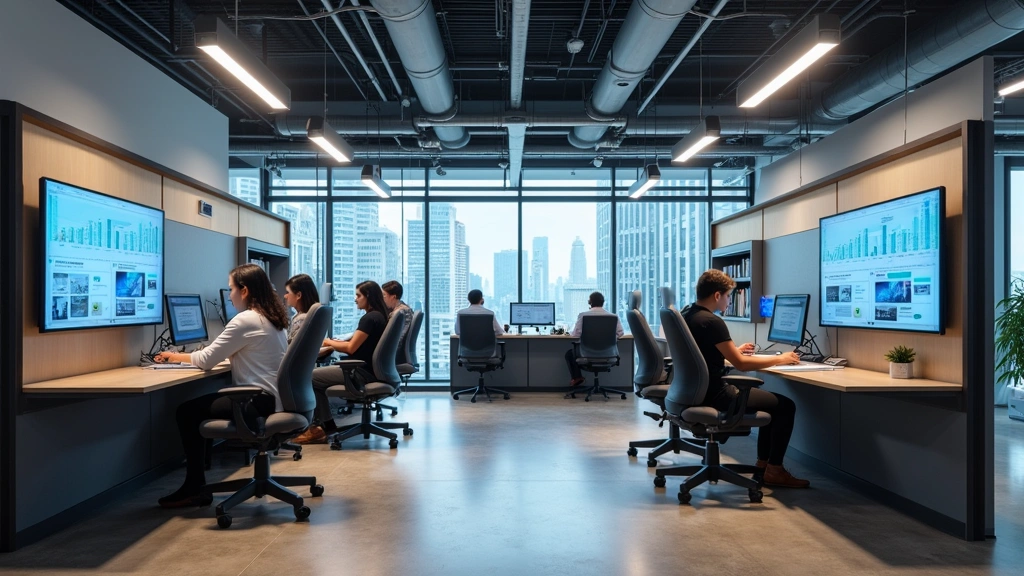
Arkansas Tech’s library provides access to over 200 specialized research databases covering disciplines from engineering and computer science to business and liberal arts. These databases include industry-standard platforms like ProQuest, JSTOR, EBSCOhost, and subject-specific collections curated for different academic programs. The library’s database licensing strategy prioritizes tools that offer API access and integration capabilities, enabling seamless incorporation into learning management systems and research workflows.
One particularly significant addition is the implementation of AI-powered research assistants that help students navigate the overwhelming volume of available information. These tools use natural language processing to understand research queries and recommend relevant databases, suggesting appropriate search strategies and even identifying potential gaps in existing research. The official library systems have integrated citation management tools like Zotero and Mendeley, automating the tedious process of formatting bibliographies according to MLA, APA, Chicago, and IEEE standards.
The library has also developed institutional repositories that showcase faculty research, student theses, and university-generated intellectual property. These repositories are indexed by major search engines and academic discovery platforms, increasing the visibility and impact of Arkansas Tech scholarship. Researchers can upload datasets, preprints, and supplementary materials, creating a comprehensive digital archive of the institution’s intellectual contributions. The open-access movement has particularly benefited faculty publishing groundbreaking research that might otherwise remain behind paywalls.
Collaborative Learning Spaces & Technology
Physical spaces within Arkansas Tech’s library have been completely reimagined to support the collaborative nature of modern education and research. The facility features multiple types of collaborative zones: quiet study areas equipped with individual focus pods, group study rooms with large interactive displays, and open-concept maker spaces where students can prototype ideas and develop practical technical skills. These spaces accommodate different learning styles and project requirements, recognizing that one-size-fits-all library design no longer serves diverse student populations.
The collaborative rooms are equipped with video conferencing technology, wireless screen-casting capabilities, and high-resolution displays that enable hybrid meetings where some participants are physically present while others join remotely. Smart boards allow real-time annotation and drawing, facilitating brainstorming sessions and technical whiteboarding. These setups prove invaluable for group projects, particularly for students pursuing degrees in engineering, computer science, and business—fields where collaboration mirrors professional workplace dynamics.
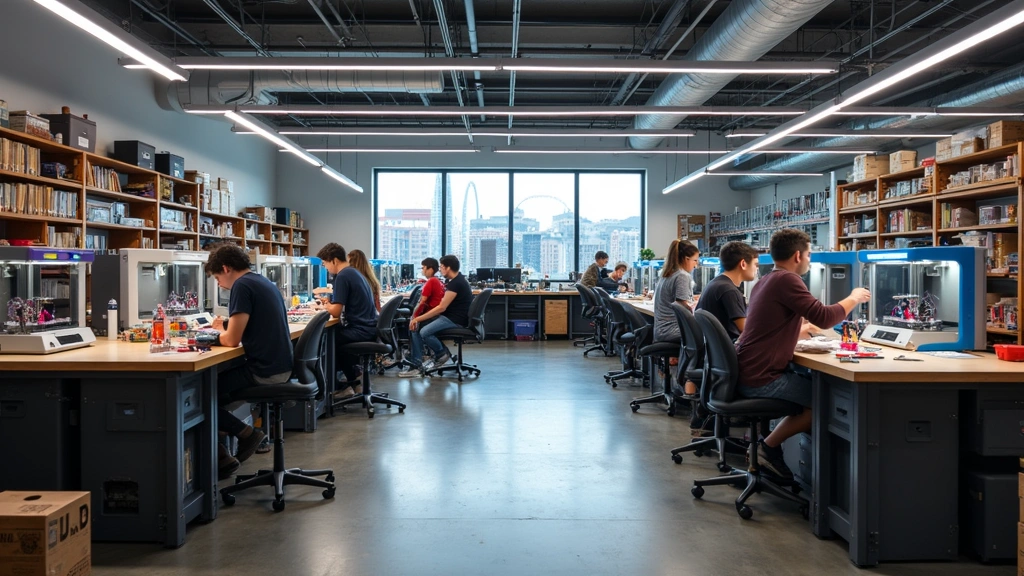
The maker spaces represent perhaps the most tangible expression of the library’s digital revolution. Equipped with 3D printers, laser cutters, CNC machines, soldering stations, and electronics prototyping kits, these spaces enable students to move from theoretical knowledge to practical application. Engineering students design components, iterate on designs, and manufacture physical prototypes. Computer science students build hardware projects and Internet of Things (IoT) devices. Business students create product mockups and presentation materials. The library provides training and technical support, ensuring students can safely and effectively use sophisticated equipment.
Accessibility Features & Inclusive Design
Arkansas Tech’s library digital transformation prioritizes universal design principles, ensuring that students with disabilities can access all resources and spaces with equal effectiveness. All digital platforms comply with WCAG 2.1 accessibility standards, featuring screen reader compatibility, keyboard navigation support, and alternative text descriptions for images and complex diagrams. The library provides assistive technology workstations equipped with specialized software for students with visual, hearing, mobility, and learning disabilities.
The digital collection includes numerous formats to accommodate different accessibility needs. Textbooks and research materials are available not only as PDFs but also as EPUB files, audiobook versions, and large-print editions. The library partners with organizations like Learning Ally to provide human-narrated audiobooks for coursework. For students pursuing top programming languages in 2025, the library offers accessible coding environments and specialized tutorials adapted for different learning needs.
Physical accessibility extends throughout the facility, with wheelchair-accessible study areas, adjustable-height desks, and ergonomic furniture options. The library employs accessibility specialists who work with students to customize their learning environment and identify appropriate accommodations. This commitment to inclusive design reflects a broader recognition that accessibility benefits all users—curb cuts designed for wheelchairs help parents with strollers, and captions created for deaf users benefit anyone watching videos in noisy environments.
Student Support & Digital Literacy Programs
The digital revolution at Arkansas Tech’s library extends beyond infrastructure to encompassing comprehensive educational programs that develop student digital literacy and research competencies. The library offers workshops on database searching, citation management, research methodology, and academic integrity. These sessions address the unique challenges students face navigating information overload, identifying credible sources, and avoiding plagiarism in an era of abundant digital content.
Librarians serve as embedded research consultants within academic departments and online courses, providing specialized guidance tailored to disciplinary research practices. Engineering students learn to navigate technical standards and patent databases. Business students explore market research tools and competitive intelligence platforms. Liberal arts students develop critical evaluation skills for assessing source credibility in humanities research. This embedded model ensures students receive timely, contextually appropriate support rather than generic guidance divorced from their actual coursework.
The library also supports students seeking best laptops for students 2025 by providing technology consultation services. Librarians help students understand specifications, performance requirements for different majors, and value considerations. The library maintains a checkout system for high-end equipment—including laptops, tablets, and specialized software—allowing students to access expensive technology without requiring personal purchase. This democratization of access levels the playing field for students from lower-income backgrounds who might otherwise lack tools necessary for academic success.
Future Innovations & Emerging Technologies
Looking forward, Arkansas Tech’s library continues exploring emerging technologies that will further enhance the research and learning experience. Augmented reality (AR) applications are being developed to help students visualize complex concepts, from molecular structures in chemistry to architectural designs in engineering. Virtual reality (VR) simulations create immersive learning experiences, enabling students to explore historical sites, conduct virtual laboratory experiments, or practice technical procedures in risk-free environments.
The library is also investigating blockchain technology applications for digital rights management and verifying academic credentials. As the technology matures, blockchain could enable more transparent, secure systems for managing intellectual property and authenticating research integrity. Artificial intelligence continues advancing, with potential applications in personalized learning recommendations, automated research paper summarization, and intelligent tutoring systems that adapt to individual student needs.
The Tech Pulse Hunter Blog regularly covers developments in educational technology that will likely influence Arkansas Tech’s future roadmap. Integration with emerging platforms, adoption of new teaching methodologies, and response to evolving student expectations will continue driving innovation. The library recognizes that today’s cutting-edge technology becomes tomorrow’s baseline expectation, requiring continuous investment and adaptation.
The university is also exploring partnerships with technology companies to pilot emerging tools and provide students with hands-on experience using industry-standard platforms. Early access to new software, beta testing opportunities, and direct feedback to developers creates synergies benefiting both the institution and the tech industry. Students gain competitive advantages in job markets, employers gain insights into emerging talent, and technology companies gain valuable user feedback from an educated, sophisticated user base.
Additionally, Arkansas Tech’s library is investigating quantum computing applications for complex research problems. While quantum computers remain nascent technology, forward-thinking institutions are preparing students to leverage these systems as they mature. The library provides educational resources explaining quantum computing principles and facilitates access to quantum computing platforms through cloud-based services, ensuring Arkansas Tech graduates understand next-generation computing paradigms.
FAQ
What are the main digital resources available at Arkansas Tech’s library?
Arkansas Tech’s library provides access to over 200 research databases, institutional repositories, digital collections, e-books, audiobooks, streaming video content, and specialized research tools. All resources are accessible 24/7 to enrolled students, faculty, and staff through the library’s online portal. The collection spans multiple disciplines and formats, accommodating diverse research needs and learning preferences.
Can students access library resources remotely?
Yes, all digital resources are accessible from anywhere with internet connectivity. Students authenticate using their university credentials, enabling secure off-campus access to databases, e-books, and other digital materials. The library also offers remote reference services, allowing students to chat with librarians, request research assistance, and participate in virtual consultations without visiting the physical facility.
Are there accessibility accommodations for students with disabilities?
Absolutely. The library implements comprehensive accessibility features including screen reader compatibility, alternative text descriptions, large-print materials, audiobook versions, and specialized assistive technology workstations. Students with disabilities should contact the library’s accessibility specialist to discuss specific accommodation needs and customize their learning environment.
What technology equipment is available for student checkout?
The library maintains a checkout system for laptops, tablets, cameras, audio equipment, and other technology devices. Students can reserve equipment for specific time periods, enabling access to expensive tools without requiring personal purchase. This program proves particularly valuable for students in media production, engineering, and computer science programs requiring specialized hardware.
How can students develop digital literacy and research skills?
The library offers workshops on database searching, citation management, academic integrity, and research methodology. Additionally, librarians serve as embedded consultants within academic departments, providing specialized guidance tailored to disciplinary research practices. One-on-one research consultations are available by appointment, addressing individual student needs and questions.
Does the library support collaborative projects and group work?
Yes, the library features multiple collaborative spaces including group study rooms with interactive displays, open-concept maker spaces, and video conferencing facilities. These spaces accommodate different project types and group sizes, equipped with technology supporting brainstorming, prototyping, and hybrid collaboration where some participants are remote.


