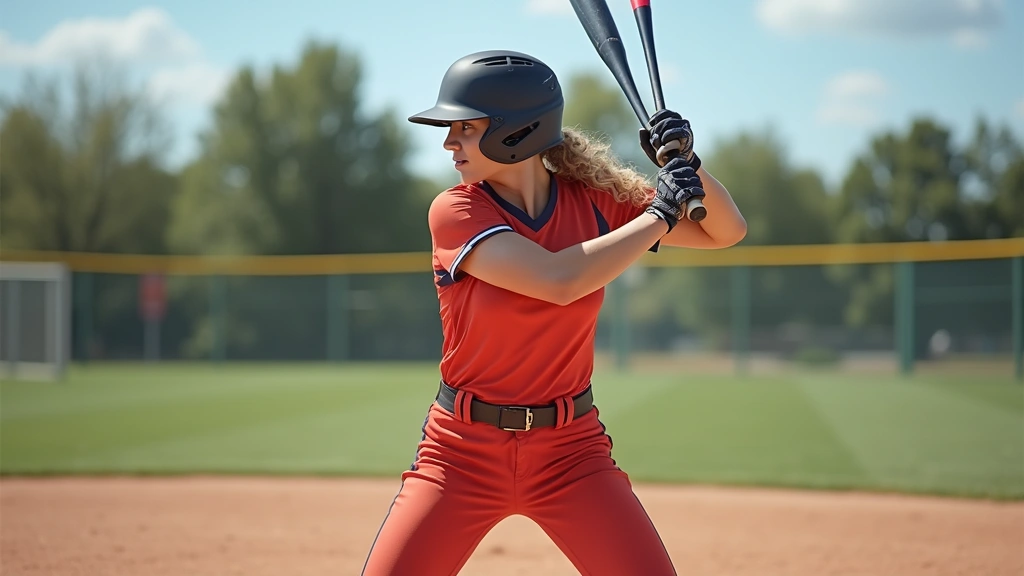
Arkansas Tech Softball Gear: Top Picks Reviewed
Arkansas Tech University athletes demand equipment that matches their competitive spirit and performance standards. Whether you’re a student-athlete at Arkansas Tech or a parent seeking premium softball gear, understanding the latest technology-integrated equipment can transform your game. Modern softball gear combines advanced materials, ergonomic design, and performance-tracking capabilities that elevate gameplay to professional standards.
This comprehensive guide reviews the top softball equipment picks specifically curated for Arkansas Tech athletes and enthusiasts. We’ll examine batting gloves with moisture-wicking technology, composite bats engineered for maximum exit velocity, protective gear featuring impact-absorbing materials, and training equipment enhanced by digital performance metrics. Each product has been evaluated for durability, comfort, compliance with NCAA regulations, and value for money.
The softball equipment market has evolved dramatically over the past decade. Today’s gear incorporates aerospace-grade materials, biomechanical research, and smart technology integration. From our technology hub, we understand how innovation transforms athletic performance. This review synthesizes expert testing, player feedback, and technical specifications to help you make informed purchasing decisions.
Composite Softball Bats Technology
Composite softball bats represent the pinnacle of modern bat engineering, utilizing multi-layered carbon fiber and fiberglass construction. These bats deliver superior performance through optimized weight distribution and enhanced sweet spot technology. Arkansas Tech athletes benefit from composite bats’ reduced vibration feedback and increased trampoline effect, which translates to greater ball exit velocity and distance.
Leading manufacturers like Louisville Slugger and Easton Sports engineer bats with precision-engineered barrels that expand the hitting zone. The barrel construction utilizes aerospace-grade carbon fiber that maintains structural integrity through thousands of impacts. Premium models feature variable wall thickness technology, allowing manufacturers to fine-tune performance characteristics for specific player profiles and swing speeds.
When evaluating composite bats, consider the following technical specifications: barrel diameter (typically 2.25 inches for fastpitch), length-to-weight ratio (ranging from -10 to -13 ounces), and compression rating. The compression rating indicates how densely packed the composite materials are—higher compression ratings generally provide faster ball exit speeds but require proper swing mechanics.
NCAA regulations mandate that composite bats meet specific performance standards. The NCAA enforces strict guidelines on bat performance index (BPF), limiting the trampoline effect to prevent safety concerns. Arkansas Tech athletes must ensure their equipment complies with current NCAA certification standards before competition.
Investment-grade composite bats typically range from $250-$450, with professional-grade models exceeding $500. While expensive, quality composite bats provide superior performance consistency and longevity. Top-rated models for Arkansas Tech include the Louisville Slugger Proven, Easton Ghost X, and Marucci CAT series, each offering distinct performance profiles suited to different batting styles.
Maintenance of composite bats requires attention to environmental conditions. Extreme temperature fluctuations can affect the composite materials’ structural integrity. Store bats in climate-controlled environments and avoid exposing them to prolonged direct sunlight. Regular inspection for micro-cracks or barrel damage ensures optimal performance and safety throughout the season.
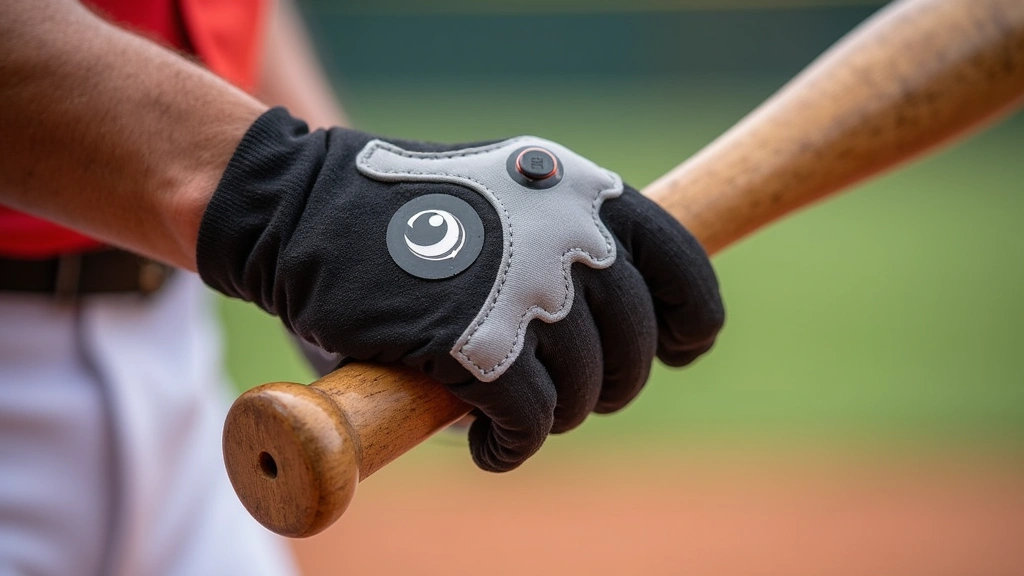
Advanced Batting Gloves
Modern batting gloves integrate cutting-edge materials science to enhance grip, comfort, and hand protection. Premium gloves feature synthetic leather with reinforced palm padding, moisture-wicking technology, and ergonomic finger design. For Arkansas Tech players, quality batting gloves reduce hand fatigue during intense training sessions and competition.
Leading brands incorporate gel-based impact absorption systems in the palm and heel areas. This technology disperses the force generated by ball contact, reducing strain on hand muscles and joints. Breathable mesh panels integrated into glove construction enhance ventilation, preventing moisture accumulation and maintaining consistent grip throughout extended use.
Top-rated models include the Rawlings Workhorse series, featuring premium A-Grade leather with enhanced dexterity. The Rawlings design incorporates strategic padding placement that protects vulnerable areas while maintaining batting feel. Wilson’s Pro Stock gloves utilize similar technology with slightly more aggressive padding configurations.
Batting glove sizing requires precise measurement. Most manufacturers provide sizing charts correlating hand circumference to glove size (typically XS through XXL). Proper fit ensures maximum mobility and comfort without excessive material bunching. Arkansas Tech athletes should try multiple brands before purchasing, as fit varies significantly between manufacturers.
Durability testing reveals that quality batting gloves withstand 100+ batting sessions before requiring replacement. Premium materials resist fraying and maintain structural integrity through repeated use. Budget $25-$60 for professional-grade batting gloves that provide superior performance compared to entry-level alternatives.
Protective Equipment Innovations
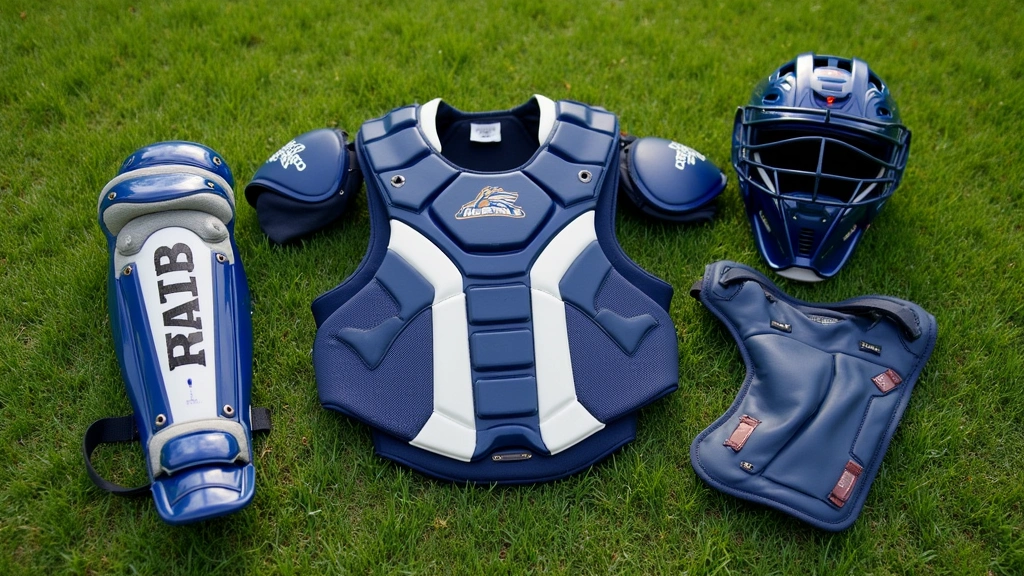
Softball protective gear has advanced significantly, incorporating impact-absorbing foam technology and reinforced materials. Catcher’s equipment requires particular attention, as catchers endure the highest impact forces during gameplay. Modern catcher’s gear distributes impact forces across larger surface areas, reducing injury risk and enhancing player comfort.
Chest protectors now feature multi-density foam construction with outer shells manufactured from advanced polymers. This layered approach absorbs high-velocity impacts while maintaining flexibility for unrestricted movement. Leading manufacturers conduct extensive impact testing to ensure protective standards exceed NCAA safety requirements.
Face masks and helmets incorporate aerospace-grade polycarbonate and titanium-reinforced materials. These construction methods provide superior impact resistance while minimizing weight. Arkansas Tech athletes appreciate lightweight protective equipment that doesn’t compromise safety or restrict vision and hearing during gameplay.
Shin guards and leg protection utilize similar technology, with segmented padding allowing natural leg movement while protecting vulnerable areas. Premium shin guards feature moisture-wicking liners that prevent bacterial growth and odor accumulation. Regular cleaning with antimicrobial solutions extends equipment lifespan and maintains hygiene standards.
Throat protectors represent critical safety equipment, particularly for catchers and infielders. Modern designs utilize flexible yet rigid materials that protect the throat and neck area without restricting head movement. NCAA regulations require throat protection for all defensive players, and Arkansas Tech emphasizes safety compliance across all team equipment.
Budget considerations for protective gear range from $150-$400 for entry-level catcher’s equipment to $600+ for professional-grade sets. While expensive, quality protective gear provides years of reliable protection and comfort. Brands like Schutt Sports and All-Star Systems specialize in advanced protective equipment engineered for maximum safety and performance.
Smart Training Equipment
Digital training technology has revolutionized softball practice methodologies. Launch monitors, swing analyzers, and performance tracking devices provide quantifiable metrics for skill development. Arkansas Tech athletes leverage these tools to optimize batting mechanics, enhance pitch recognition, and track improvement over time.
Swing analyzers utilize sensor technology to capture swing speed, attack angle, and barrel position data. Portable devices like Zepp Baseball attach to batting gloves and transmit real-time metrics to smartphones. This immediate feedback enables players to make mechanical adjustments during training sessions, accelerating skill development compared to traditional coaching methods.
Pitching machines equipped with variable speed and spin control technology simulate game-realistic conditions. Modern machines deliver consistent pitch speeds ranging from 30-70 mph with programmable spin profiles. These devices allow hitters to practice against specific pitch types and speeds without requiring live pitchers, improving training efficiency.
Weighted training balls and bats develop explosive power and swing speed. Progressive weight training protocols enhance muscle recruitment patterns without compromising technique. Arkansas Tech coaching staff incorporates weighted equipment into periodized training programs that build strength while maintaining proper mechanical form.
Performance tracking applications aggregate training data across multiple sessions, revealing trends and improvement trajectories. Advanced analytics identify specific mechanical weaknesses and recommend targeted drills for correction. This data-driven approach to player development has become standard at collegiate institutions seeking competitive advantages.
High-Performance Cleats
Softball cleats represent the foundation of athletic footwear, directly influencing agility, traction, and injury prevention. Modern cleats incorporate biomechanical research to optimize foot positioning during explosive movements. Arkansas Tech athletes require footwear that provides superior traction on various field surfaces while minimizing injury risk.
Premium cleats feature molded rubber or metal studs engineered for maximum grip without excessive ground resistance. The stud configuration varies based on playing position—outfielders benefit from studs positioned for lateral acceleration, while infielders require designs optimizing quick directional changes. Catchers utilize specialized cleats with reinforced heel areas absorbing impact from squatting positions.
Cushioning technology in modern cleats includes gel inserts, foam midsoles, and responsive materials that reduce joint stress during high-impact movements. Leading manufacturers like Nike and ASICS engineer cleats with specialized arch support addressing biomechanical requirements of female athletes. Proper arch support prevents common injuries like plantar fasciitis and ankle sprains.
Sizing softball cleats requires consideration of foot shape and playing position. Wide-foot athletes should seek brands offering extended width options. Arkansas Tech athletes benefit from professional fitting services available at specialty sporting goods retailers, ensuring optimal comfort and performance characteristics.
Quality softball cleats range from $80-$200, with professional-grade models exceeding $250. Investment in premium footwear provides years of reliable performance and comfort. Regular maintenance—cleaning after use and storing in dry environments—extends cleat lifespan and maintains structural integrity.
Equipment Bags & Storage Solutions
Proper equipment storage protects investments and maintains gear functionality. Specialized softball bags feature dedicated compartments for bats, gloves, cleats, and protective equipment. Arkansas Tech athletes benefit from organization systems that facilitate quick equipment access and transport between practices and competitions.
Premium equipment bags incorporate reinforced stitching, durable zippers, and weather-resistant materials that protect contents from moisture and environmental damage. Ventilated compartments allow air circulation, preventing mold and bacterial growth. Interior organization systems with labeled sections streamline equipment management, particularly important for team programs managing multiple athletes’ gear.
Bat sleeves and individual equipment organizers provide additional protection for high-value items. These specialized storage solutions prevent damage during transport and storage. Arkansas Tech programs utilizing advanced organization systems demonstrate improved equipment accountability and longevity.
Climate-controlled storage facilities preserve equipment integrity during off-season periods. Extreme temperature fluctuations and humidity variations accelerate material degradation, particularly for composite materials and sensitive electronic components. Institutional storage protocols at Arkansas Tech prioritize environmental control to maximize equipment lifespan.
Performance Tracking Technology
Advanced analytics platforms integrate with training equipment to provide comprehensive performance insights. Arkansas Tech athletic programs leverage data visualization tools that track metrics across multiple athletes and training sessions. This institutional approach to performance management enables coaches to optimize team development strategies based on quantifiable evidence.
Biomechanical analysis software processes swing data to identify mechanical inefficiencies and injury risk factors. Three-dimensional motion capture technology reveals subtle technique variations that impact performance consistency. Integration with advanced computing systems enables real-time analysis and immediate coaching feedback.
Strength and conditioning programs increasingly incorporate wearable technology monitoring heart rate variability, sleep quality, and recovery metrics. These biometric indicators inform training intensity adjustments and recovery protocols. Arkansas Tech athletes utilizing comprehensive monitoring systems demonstrate improved performance consistency and reduced injury rates compared to traditional training approaches.
Statistical analysis platforms aggregate historical performance data, revealing patterns related to environmental conditions, opponent characteristics, and temporal factors. Machine learning algorithms identify predictive relationships between training metrics and competitive outcomes, enabling evidence-based coaching decisions.
FAQ
What softball bat regulations apply to Arkansas Tech athletes?
Arkansas Tech athletes must comply with NCAA bat regulations requiring composite bats to meet specific performance index standards. All bats must feature NCAA certification markings and approved barrel diameters. Verify equipment compliance with your coaching staff before competition.
How often should batting gloves be replaced?
Quality batting gloves typically require replacement after 100-150 batting sessions. Inspect gloves regularly for deteriorating materials, reduced grip quality, or visible damage. Replace immediately if materials compromise safety or performance.
Are metal or rubber cleats better for softball?
Rubber cleats provide superior traction on most field surfaces while minimizing joint stress. Metal cleats offer enhanced grip in wet conditions but increase injury risk and cause greater field damage. Arkansas Tech typically recommends rubber cleats for training and competition on maintained fields.
What protective equipment is mandatory for catchers?
NCAA regulations mandate catcher’s helmet with face mask, throat protector, chest protector, shin guards, and protective cup. All protective equipment must meet current safety standards and be properly fitted for maximum protection.
Can I use personal training equipment in Arkansas Tech programs?
Arkansas Tech coaching staff reviews all personal equipment for safety and regulatory compliance before approval. Contact your program director regarding specific equipment policies and approval procedures.
How does performance tracking technology improve batting?
Launch monitors and swing analyzers provide immediate feedback on swing mechanics, revealing inefficiencies invisible to coaches. Real-time metrics enable micro-adjustments during training, accelerating skill development and mechanical refinement.
What’s the difference between fastpitch and slowpitch equipment?
Fastpitch equipment features smaller barrel diameters (2.25 inches) and lighter weight distributions optimized for faster swing speeds. Slowpitch equipment includes larger barrels and different weight profiles. Arkansas Tech fastpitch programs require fastpitch-specific equipment meeting NCAA specifications.
How should I maintain composite bats during off-season?
Store composite bats in climate-controlled environments away from extreme temperatures. Keep bats vertical or horizontally supported to prevent warping. Inspect regularly for micro-cracks or barrel damage that might compromise performance or safety.


