Arkansas Tech Baseball: Top Gear Guide
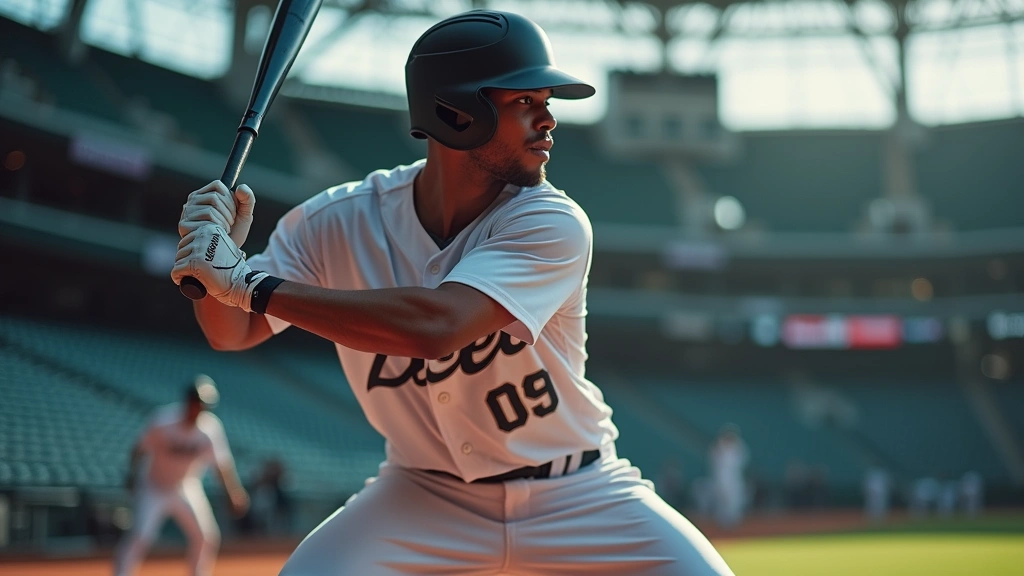
Arkansas Tech University baseball represents one of the most competitive athletic programs in the Great American Conference, combining traditional athletic excellence with cutting-edge sports technology. The Eagles have built a reputation for consistent performance, strategic player development, and innovative training methodologies that rival Division II powerhouses across the nation. Whether you’re a prospective student-athlete, devoted fan, or sports equipment enthusiast, understanding the technological infrastructure and gear that powers Arkansas Tech baseball provides valuable insights into modern collegiate athletics.
This comprehensive guide explores the equipment, training technologies, performance analytics, and gear specifications that define the Arkansas Tech baseball experience. From advanced batting cages to biomechanical analysis systems, the Eagles employ state-of-the-art tools to maximize player potential and competitive advantage. We’ll examine the specific technologies, recommended equipment, and institutional practices that make Arkansas Tech baseball a standout program in collegiate sports.
Arkansas Tech Baseball Program Overview
The Arkansas Tech Eagles baseball program competes in the Arkansas Tech Athletics department as a cornerstone varsity sport. Located in Russellville, Arkansas, the program benefits from modern facilities and a commitment to technological advancement that distinguishes it within Division II competition. The Eagles play their home games at Volcanoes Field, a venue equipped with contemporary amenities and observation systems that support both competitive play and coaching analysis.
Arkansas Tech baseball maintains rigorous recruiting standards, attracting talented athletes from across the region and nationally. The program emphasizes academic achievement alongside athletic performance, creating a balanced student-athlete experience. The coaching staff employs evidence-based training methodologies supported by advanced technology platforms, ensuring that player development extends beyond traditional practice routines.
The Eagles compete in the Great American Conference, one of the nation’s most competitive NCAA Division II conferences. This level of competition necessitates investment in equipment, facilities, and training technologies that match the sophistication of rival programs. Arkansas Tech’s commitment to technological excellence reflects broader trends in collegiate athletics, where data-driven decision-making and specialized equipment increasingly determine competitive outcomes.
Advanced Training Technology and Equipment
Modern baseball training at Arkansas Tech University integrates sophisticated technological systems that optimize skill development and injury prevention. The program utilizes motion capture technology, biomechanical analysis platforms, and real-time performance feedback systems that provide coaches and athletes with detailed insights into movement patterns and mechanical efficiency.
Rapsodo baseball systems represent a cornerstone technology in contemporary baseball training environments. These devices measure pitch velocity, spin rate, spin axis, and trajectory data with exceptional accuracy. Arkansas Tech employs Rapsodo technology to monitor pitcher development, track throwing mechanics, and identify optimization opportunities. The system’s portability allows coaches to collect meaningful data during practice, bullpen sessions, and competitive games, creating comprehensive performance profiles for individual players.
TrackMan launch monitors provide complementary data regarding batted ball performance, measuring exit velocity, launch angle, spin rate, and carry distance. These metrics enable hitting coaches to quantify swing efficiency and identify mechanical adjustments that enhance offensive production. By comparing individual player data against established benchmarks, coaches develop personalized training interventions that address specific performance gaps.
The Eagles also implement Arkansas Tech Football‘s strength and conditioning infrastructure, sharing facility access and coaching expertise across athletic departments. This integrated approach leverages specialized equipment and training protocols that benefit baseball players’ overall athletic development.
Batting and Hitting Systems
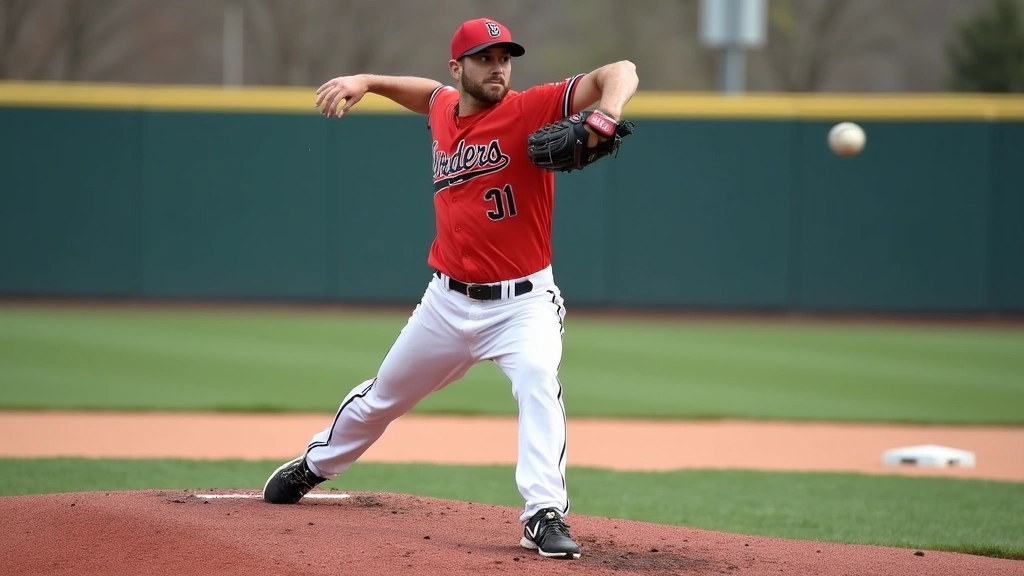
Hitting represents baseball’s most analytically advanced skill domain, and Arkansas Tech’s hitting technology reflects this evolution. The Eagles utilize multiple complementary systems that address different aspects of offensive development, from mechanical analysis to competitive simulation.
Zepp baseball sensors attach to player bats, capturing swing mechanics through three-dimensional motion analysis. These lightweight devices record swing speed, time to contact, and rotational metrics that quantify hitting efficiency. Athletes and coaches review Zepp data immediately after each swing, enabling rapid feedback loops that accelerate learning and mechanical refinement. The sensor’s portability makes it valuable during practice, training sessions, and competitive games.
Virtual reality batting simulators create competitive game scenarios within controlled training environments. These systems project realistic pitch sequences, varying speeds, movement profiles, and locations that mirror actual game situations. Players develop pitch recognition skills, timing consistency, and decision-making capabilities while receiving immediate feedback regarding swing execution. The psychological benefit of repeated competitive simulation prepares athletes for high-pressure game situations.
Blast Motion technology provides another sophisticated hitting analysis platform. The system measures bat speed, connection quality, and swing efficiency through high-speed video analysis combined with biomechanical calculations. Blast Motion data identifies mechanical inefficiencies and quantifies the relationship between specific swing adjustments and improved batted ball outcomes. Arkansas Tech hitting coaches utilize this platform to develop individualized training progressions that target each player’s unique mechanical characteristics.
Tee work, a foundational hitting development tool, remains central to Arkansas Tech’s hitting curriculum. Advanced tee systems, including adjustable heights and automated ball feeders, enable repetitive practice with precise mechanical feedback. Players develop muscle memory for optimal swing mechanics while building consistency across varied pitch locations and heights.
Pitching Analysis and Development
Pitching represents baseball’s most injury-prone position, making technological analysis and biomechanical monitoring essential components of player safety and performance optimization. Arkansas Tech’s pitching development program integrates multiple specialized systems that quantify throwing mechanics, monitor workload, and track injury risk indicators.
High-speed video analysis, captured through specialized cameras operating at 300+ frames per second, enables detailed examination of pitching mechanics. Coaches review footage frame-by-frame, identifying mechanical inefficiencies, asymmetries, or deviation patterns that predispose athletes to injury. This detailed analysis supports corrective coaching interventions that enhance both performance and durability.
Radar gun technology, including Stalker and Jugs radar systems, provides real-time velocity measurements and consistency data. Modern radar guns display velocity trends across bullpen sessions, identifying fatigue-related velocity decline that indicates adequate workload management. Arkansas Tech pitching coaches monitor velocity patterns to optimize training intensity and recovery protocols.
Pitch design optimization utilizes data from Rapsodo systems to quantify spin characteristics and movement profiles. Pitchers work with coaches to develop pitch arsenals that maximize effectiveness within their individual biomechanical constraints. Spin efficiency, spin axis orientation, and release point consistency receive detailed analysis, with training modifications implemented to optimize pitch performance.
Workload management represents a critical pitching development component. Arkansas Tech monitors pitch counts, throwing volume, and rest intervals to prevent overuse injuries and maintain long-term pitcher health. Analytical platforms track cumulative workload across practice, bullpen, and competitive sessions, enabling coaches to make informed decisions regarding pitcher availability and usage patterns.
Fielding and Defensive Equipment
Defensive excellence requires specialized equipment, training methodology, and performance analysis systems. Arkansas Tech’s fielding program emphasizes both traditional skill development and technology-enhanced training approaches that optimize defensive consistency and range.
Automated ball machines enable repetitive ground ball and fly ball practice with consistent pace and trajectory. These devices allow fielders to develop reaction time, positioning consistency, and transfer mechanics through high-volume repetition. Variable speed settings accommodate different skill development levels, from fundamental mechanics to advanced game-speed scenarios.
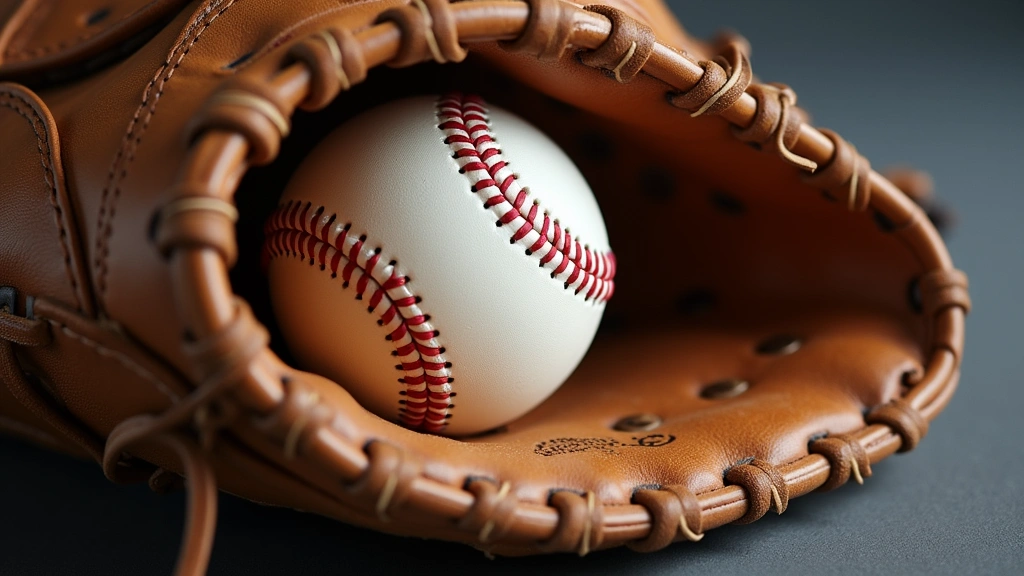
Glove technology continues evolving, with manufacturers incorporating improved materials, padding configurations, and ergonomic designs. Arkansas Tech athletes utilize professional-grade gloves from manufacturers including Rawlings, Wilson, and Mizuno, selecting equipment specifications that optimize comfort, control, and durability. Glove selection represents a personalized decision, with players testing multiple options to identify their preferred performance characteristics.
Infield positioning analytics utilize Tech Pulse Hunter Blog resources and specialized software platforms that analyze batted ball distribution, defensive shifts, and optimal positioning strategies. Coaches employ this data to develop defensive alignments that maximize run prevention while accommodating individual player strengths and weaknesses.
Video analysis of defensive performance captures footwork, first step quickness, and decision-making efficiency. Coaches review footage to identify improvement opportunities and reinforce positive mechanical patterns. This detailed analysis accelerates defensive development and creates accountability for consistent execution.
Performance Monitoring and Analytics
Contemporary baseball programs generate substantial performance data from multiple sources, requiring sophisticated analytics platforms for meaningful interpretation and application. Arkansas Tech’s coaching staff utilizes comprehensive analytics systems that synthesize data from various technologies into actionable intelligence.
Statcast-style systems, similar to MLB’s proprietary technology, capture detailed information regarding every pitch and batted ball during competitive games. These systems measure pitch velocity, movement, location, and release point for pitchers, while quantifying exit velocity, launch angle, and directional distribution for hitters. Arkansas Tech’s coaching staff reviews this data to identify performance trends, competitive advantages, and areas requiring development focus.
Wearable technology, including heart rate monitors and GPS tracking devices, measures athlete workload, recovery status, and exertion levels during practice and competition. This physiological data informs training intensity decisions, ensuring athletes achieve appropriate stimulus for adaptation without excessive fatigue accumulation. CNET’s wearable technology coverage provides context for understanding modern performance monitoring capabilities.
Game video management systems organize competitive footage by situation, pitcher, batter, and outcome, enabling rapid analysis of specific scenarios. Coaches and players access this archive to study opponent tendencies, identify personal performance patterns, and develop strategic adjustments. The organizational efficiency of modern video systems accelerates learning cycles and supports more informed decision-making.
Statistical analysis platforms process raw performance data into meaningful insights regarding player contributions, team efficiency metrics, and competitive positioning. Advanced statistics including weighted on-base average, weighted runs created plus, and defensive runs saved provide nuanced performance evaluation beyond traditional metrics.
Protective Gear and Safety Innovation
Player safety represents a paramount concern in modern baseball, with significant technological advancement in protective equipment design and injury prevention strategies. Arkansas Tech provides athletes with equipment specifications and safety protocols that reflect current best practices and emerging research.
Batting helmets incorporate impact-absorbing materials and designs engineered to protect against pitched ball contact. Modern helmets feature extended coverage protecting the jaw and cheek areas, addressing vulnerability zones identified through injury analysis. The Verge’s technology analysis occasionally covers safety innovation in sports equipment, providing broader context for protective gear advancement.
Catcher’s protective equipment has evolved significantly, with manufacturers like Rawlings and Wilson developing gear that balances protection with mobility and comfort. Modern catcher’s masks incorporate improved visibility, impact distribution, and padding configurations that reduce injury risk while maintaining performance capabilities. Chest protectors, leg guards, and throat protectors receive continuous design refinement based on injury prevention research.
Sliding protection, including compression sleeves and padded sliding pants, reduces abrasion injuries and provides impact protection during base-running scenarios. Arkansas Tech athletes utilize these protective options during practice and competition, with selection based on individual preference and injury history.
Concussion protocols and baseline neurological testing establish safety standards for managing head injuries. Arkansas Tech follows NCAA guidelines and institutional policies requiring immediate evaluation and graduated return-to-play protocols for athletes sustaining suspected concussions. This comprehensive approach prioritizes long-term neurological health alongside short-term competitive considerations.
Strength and Conditioning Technology
Baseball performance depends substantially on athlete strength, power, flexibility, and overall conditioning. Arkansas Tech’s strength and conditioning program integrates specialized equipment and monitoring systems that optimize athletic development while preventing injuries.
Force plate technology measures ground reaction forces during strength exercises, jump assessments, and movement patterns. This data quantifies power output, symmetry between limbs, and movement efficiency. Strength coaches utilize force plate feedback to identify imbalances and design corrective interventions that enhance performance and reduce injury risk.
Velocity-based training systems measure bar speed during strength exercises, providing real-time feedback regarding fatigue levels and exercise intensity. This approach enables precise autoregulation, where athletes adjust loading based on actual performance rather than predetermined percentages. The method optimizes training stimulus while reducing overtraining risk and injury incidence.
Flexibility and mobility assessment utilizes specialized tools and movement screens that identify restrictions affecting athletic performance. Arkansas Tech’s training staff implements corrective exercise programs addressing identified limitations, with progress tracked through repeated assessment. This systematic approach ensures that flexibility development receives appropriate emphasis within comprehensive training programs.
Recovery monitoring systems, including sleep tracking and heart rate variability analysis, inform training intensity decisions and recovery interventions. Athletes with inadequate recovery indicators receive modified training loads or additional recovery resources, ensuring sustainable training progression and injury prevention. The Verge’s technology coverage frequently addresses wearable recovery monitoring systems and their applications in athletic contexts.
Nutrition tracking platforms support optimal fueling and hydration strategies aligned with training demands. Arkansas Tech’s sports nutrition program utilizes technology to monitor athlete compliance with nutritional guidelines and optimize dietary interventions supporting performance and recovery goals.
FAQ
What technologies does Arkansas Tech baseball use for player development?
Arkansas Tech employs Rapsodo baseball systems for pitch analysis, TrackMan launch monitors for hitting evaluation, Zepp sensors for swing mechanics, and high-speed video analysis for comprehensive biomechanical assessment. These complementary technologies provide detailed performance data supporting individualized player development programs.
How does Arkansas Tech monitor pitcher workload and injury prevention?
The program utilizes pitch count monitoring, velocity trend analysis through radar gun data, wearable technology tracking physiological stress, and biomechanical video analysis identifying mechanical risk factors. Comprehensive workload management protocols ensure sustainable pitcher health and performance.
What batting training systems are available to Arkansas Tech athletes?
Arkansas Tech provides access to virtual reality batting simulators, Zepp bat sensors, Blast Motion technology, advanced tee systems, and automated pitch machines. These varied approaches address different aspects of hitting development from mechanical refinement to competitive game simulation.
How does Arkansas Tech compare technologically to other Division II programs?
Arkansas Tech’s technology integration represents competitive parity with Division II programs and increasingly approaches Division I standards. Investment in Rapsodo, TrackMan, and complementary systems positions the program advantageously within the Great American Conference.
What protective equipment standards does Arkansas Tech maintain?
The Eagles provide athletes with modern batting helmets featuring extended coverage, professional-grade catcher’s equipment, sliding protection, and comprehensive concussion management protocols. Equipment selection follows NCAA standards and incorporates emerging safety innovations.
How can prospective athletes learn more about Arkansas Tech baseball recruiting?
Interested athletes should contact the coaching staff through official Arkansas Tech Athletics channels. The program welcomes inquiries from qualified student-athletes interested in competing at the collegiate level while maintaining academic excellence.


