
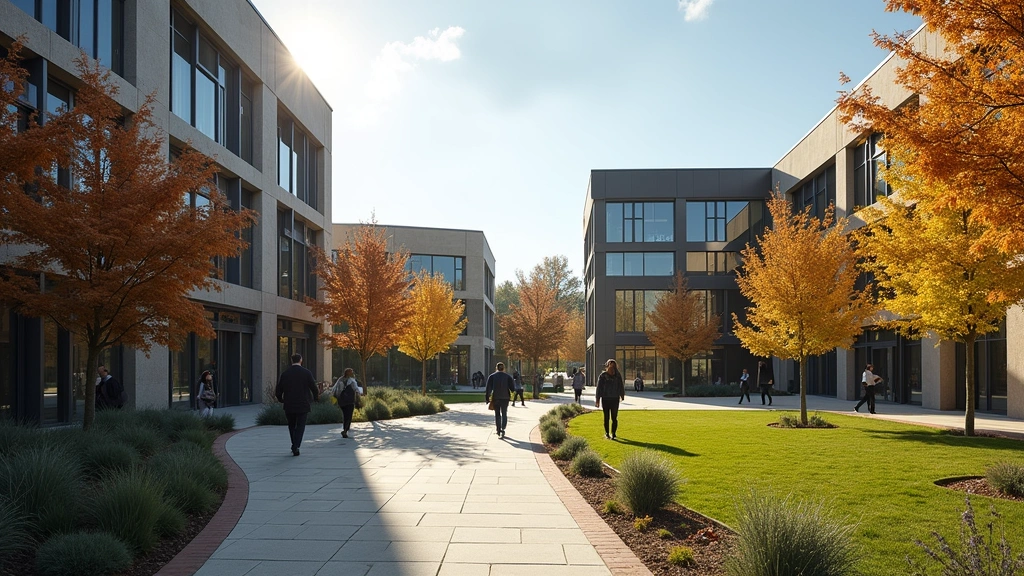
Arkansas Tech University’s sprawling 540-acre campus in Russellville offers students a comprehensive academic environment equipped with modern facilities and cutting-edge technology infrastructure. Whether you’re a prospective student considering your options or a current Trojan navigating campus for the first time, understanding the layout and key locations will significantly enhance your university experience. This detailed guide explores the Arkansas Tech University campus map, highlighting essential buildings, academic centers, residential areas, and technological resources that define student life at this innovative institution.
The campus blends traditional academic architecture with contemporary learning spaces, creating an ideal setting for both classroom instruction and collaborative research. From the heart of the main campus to specialized athletic facilities, every area has been thoughtfully designed to support student success. Our comprehensive walkthrough will help you navigate with confidence and discover hidden gems throughout the grounds.
Main Campus Layout and Navigation
The Arkansas Tech University campus map reveals a well-organized structure that efficiently connects residential, academic, and recreational zones. The main quad serves as the central hub, surrounded by historic and modern buildings that form the university’s academic core. Understanding this layout is crucial for efficient campus navigation, particularly during your first semester.
The primary entrance from Highway 64 leads directly into the heart of campus, where visitors encounter the distinctive architecture that characterizes Arkansas Tech. The campus flows naturally from north to south, with clear pathways connecting major academic buildings. Arkansas Tech Athletics facilities anchor the western portion, while residential areas extend eastward from the central quad.
Digital campus maps are available through the university’s mobile application, providing real-time navigation and location services. These best laptops for students can run the campus navigation app seamlessly, allowing you to access directions, building hours, and event information instantly. The physical map stations distributed throughout campus offer printed alternatives for those preferring traditional navigation methods.
Academic Buildings and Learning Centers
Arkansas Tech’s academic infrastructure spans multiple colleges and specialized centers, each housing state-of-the-art facilities designed for specific disciplines. The College of Applied Science and Technology occupies several interconnected buildings featuring advanced laboratories and maker spaces. The Engineering Building stands as one of the most technologically sophisticated structures on campus, equipped with CAD labs, testing facilities, and collaborative design studios.
The College of Business and Liberal Arts operates from the historic Morrison Hall and adjacent modern annexes, providing classrooms equipped with presentation technology and interactive learning tools. The Arkansas Tech University Baseball program benefits from academic facilities that support student-athletes in balancing rigorous coursework with athletic commitments. Business students access specialized trading rooms and case study laboratories throughout their curriculum.
The Science and Mathematics Building represents a recent major investment in STEM education, featuring advanced biology labs, chemistry facilities, and physics demonstration spaces. Computer science students work in dedicated programming labs with high-performance workstations. These facilities support the university’s emphasis on hands-on learning and research opportunities across all academic disciplines.
Professional development centers provide tutoring, writing assistance, and academic coaching in dedicated spaces throughout campus. The Disability Services office operates from a centrally located building, ensuring all students can access accommodations and support services. Career Services maintains offices in the Student Center, facilitating internship placements and professional networking opportunities.
Student Housing and Residential Life
Arkansas Tech’s residential campus houses approximately 45% of the student body in modern dormitory facilities spread across the eastern section of campus. Freshman housing concentrates in four connected residence halls forming the North Complex, fostering community among incoming students. Each residence hall features lounges, study rooms, and laundry facilities, with high-speed internet connectivity throughout.
Upper-class housing includes suite-style residences offering greater independence and privacy. The Towers residence complex provides premium accommodations with modern amenities and enhanced recreational spaces. Themed housing options allow students with shared interests to live together, creating focused communities around academic majors, sustainability initiatives, and cultural interests.
Graduate student housing occupies dedicated apartment-style facilities near the eastern boundary of campus. These spaces accommodate advanced students requiring flexible living arrangements and private study environments. Family housing options support married students and those with dependents, providing a welcoming atmosphere for diverse student populations.
Residential Life programming transforms dormitory spaces into vibrant community centers through organized events, educational workshops, and social activities. Resident Assistants stationed in each hall provide peer support and coordinate community-building initiatives. The residential experience extends learning beyond classrooms, promoting personal development and lasting friendships among Trojan students.
Athletic Facilities and Recreation
The Arkansas Tech Athletics complex occupies a substantial western campus zone, featuring world-class facilities supporting NCAA Division II competition. The Tucker Stadium serves as the primary venue for football and soccer events, with a capacity exceeding 10,000 spectators. The facility includes modern press boxes, luxury suites, and comprehensive locker room facilities meeting professional standards.
The Thorne-Rider Center houses basketball courts, volleyball facilities, and indoor training spaces. This multipurpose venue accommodates both athletic competition and recreational student use, with open gym hours providing access to basketball courts and weight training equipment. The center’s design maximizes flexibility, allowing rapid reconfiguration for different sporting events and community gatherings.
Outdoor recreational facilities include tennis courts, intramural fields, and a scenic walking trail circumnavigating the eastern campus. The Recreation Center offers fitness equipment, swimming pools, and group exercise studios. Intramural sports programs utilize dedicated fields for flag football, softball, and recreational soccer throughout academic terms.
The baseball facility supports the Arkansas Tech University Baseball team with professional-grade diamonds, covered batting facilities, and modern clubhouses. Softball fields complement baseball infrastructure, supporting women’s athletic programs and recreational play. These facilities have hosted regional tournaments and showcase events, elevating Arkansas Tech’s profile in collegiate athletics.
Technology Infrastructure and Labs
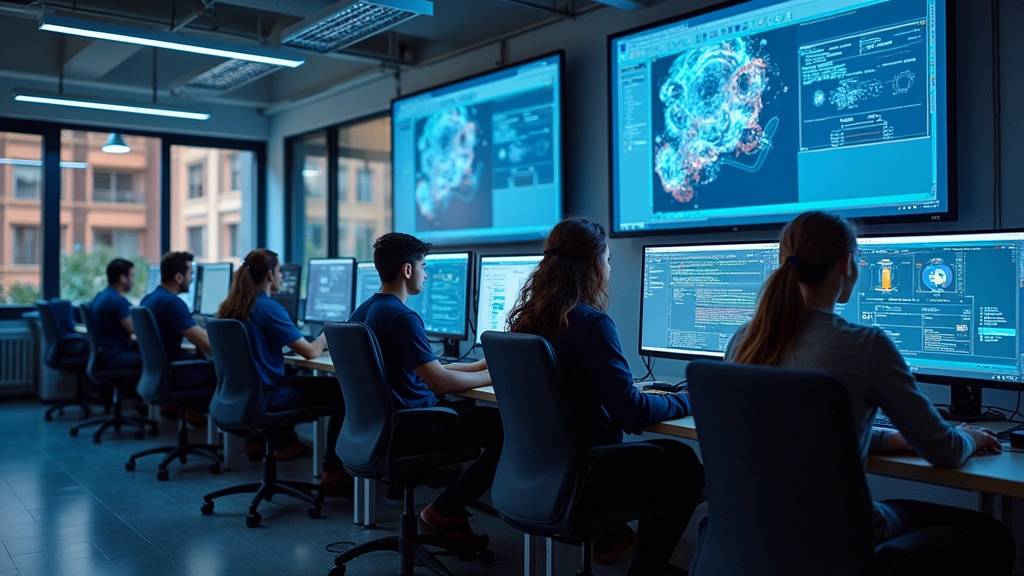
Arkansas Tech’s commitment to technological advancement manifests throughout campus in cutting-edge computing facilities and specialized laboratories. The primary computer labs distribute across multiple buildings, offering high-performance workstations capable of handling demanding software for engineering, graphics, and scientific applications. These facilities operate extended hours to accommodate diverse student schedules and project deadlines.
The Information Technology building serves as the nerve center for campus technology services, housing help desk operations, network management infrastructure, and technical support teams. Students requiring technology assistance can access knowledgeable support staff who troubleshoot hardware issues, software problems, and connectivity concerns. The IT help desk provides remote support options for students working from residence halls or off-campus locations.
Specialized labs support discipline-specific learning across engineering, nursing, and applied sciences. The nursing simulation lab features high-fidelity mannequins and realistic clinical environments allowing students to practice procedures safely before working with actual patients. Engineering labs include 3D printing facilities, robotics workstations, and collaborative design studios equipped with large-format displays and interactive whiteboards.
Wireless network coverage extends throughout campus, providing reliable connectivity in classrooms, study spaces, and outdoor areas. The university’s robust broadband infrastructure supports research activities, online coursework, and student projects requiring significant data transmission. Technology support extends to student-owned devices, with assistance available for connecting to campus networks and resolving compatibility issues.
Library Systems and Research Resources
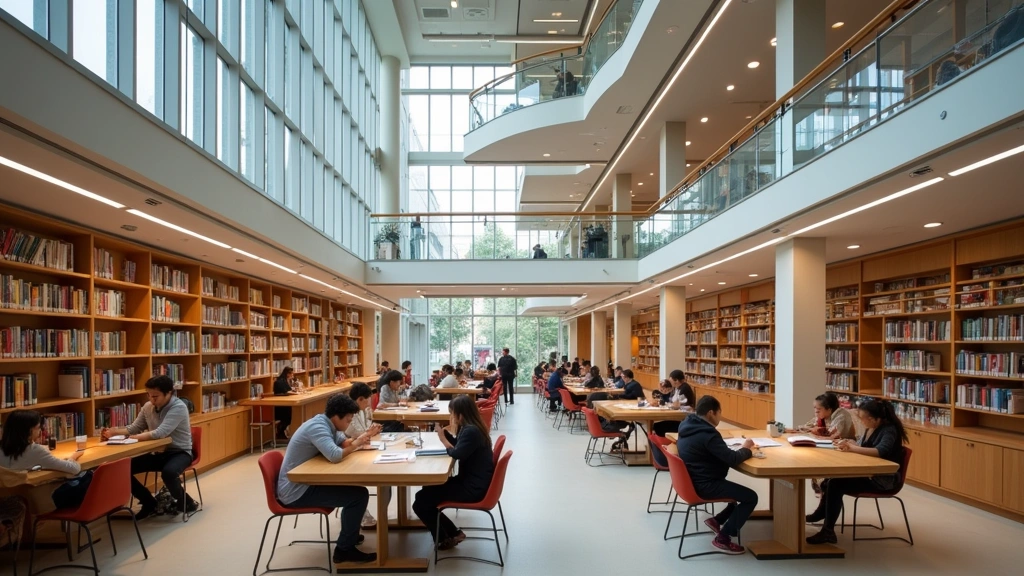
The Ross Pendergraft Library stands as the intellectual heart of Arkansas Tech’s campus, housing extensive physical and digital collections supporting academic research across all disciplines. The main library building features multiple reading rooms, quiet study areas, and collaborative spaces designed for group projects and peer learning. The architecture balances functionality with aesthetic appeal, creating an inviting atmosphere that encourages extended study sessions.
The reference desk provides research assistance from experienced librarians who guide students through database navigation, citation formatting, and source evaluation. Librarians conduct subject-specific sessions teaching discipline-appropriate research methodologies and information literacy skills essential for academic success. Appointments with subject specialists allow in-depth consultation for major research projects and thesis development.
Digital collections accessible through the library portal provide access to millions of academic journal articles, ebooks, and specialized databases. Students can search the catalog from anywhere using mobile devices or computers, with options for immediate digital access or physical checkout. Interlibrary loan services extend resource availability beyond Arkansas Tech’s collections, connecting students to materials held by partner institutions throughout the nation.
Study rooms equipped with presentation technology can be reserved for group work and collaborative projects. The library maintains extended hours during examination periods and provides 24-hour access to study spaces for serious scholars. Computer workstations throughout the library offer specialized software for data analysis, statistical computing, and academic writing.
Dining and Student Services
The Student Center anchors campus social life, featuring multiple dining venues, meeting spaces, and service offices concentrated in one convenient location. The primary dining hall offers diverse menu options accommodating various dietary preferences and cultural cuisines. Meal plans provide flexibility, allowing students to use dining credits across multiple campus venues including specialty restaurants and coffee shops.
The Student Services office coordinates housing applications, student conduct procedures, and community standards education. Career Services counselors assist with resume development, interview preparation, and job placement support. The Health and Wellness Center provides medical care, mental health counseling, and preventive health services supporting student wellbeing throughout their academic journey.
The Student Activities office organizes cultural events, lectures, concerts, and recreational activities enriching campus life beyond academics. Student organizations meet in dedicated spaces throughout campus, fostering involvement in clubs ranging from academic disciplines to cultural interests and service organizations. The Tech Pulse Hunter Blog covers campus news and highlights student achievements, keeping the community informed of important developments.
Bookstore services provide textbooks, school supplies, and branded merchandise while offering technology products and accessories. The bookstore staff assists with textbook rentals, buyback programs, and special orders for hard-to-find materials. Technology support for student devices and software licensing through the bookstore simplifies purchasing and installation processes.
Parking and Transportation
Parking infrastructure accommodates the substantial daily vehicle traffic generated by the residential campus population and commuting students. Multiple parking lots distribute across campus, with designated areas for different user categories including students, faculty, staff, and visitors. Permit systems manage parking assignments, with permit types varying based on parking location and vehicle owner status.
The parking office operates from the main administrative building, handling permit applications, violation appeals, and policy questions. Parking regulations enforce time restrictions in premium lots near academic buildings while offering unlimited parking in peripheral lots. Permit costs remain reasonable, supporting vehicle ownership while encouraging alternative transportation for short campus distances.
Shuttle services operate between residential areas and central campus during peak academic hours, reducing parking demand and promoting sustainable transportation. Walking paths and bicycle routes encourage alternative mobility, with bike racks distributed throughout campus. The relatively compact campus layout makes walking practical for most daily movements between classes and services.
Visitors utilize the visitor parking lot near the main entrance, with information stations providing direction assistance and campus maps. The transportation system balances vehicle access with pedestrian safety, creating an environment where students can navigate efficiently without automobile dependence.
FAQ
How can I access a digital version of the Arkansas Tech campus map?
The university’s official mobile application provides interactive digital campus maps with navigation features, building directories, and real-time location services. Physical maps are available at information kiosks throughout campus and from the Student Center information desk. These resources help students orient themselves and locate specific buildings during their initial campus exploration.
Where should I park as a new student?
New students receive parking permits during orientation, with assignments typically in lots designated for student vehicles. The parking office provides detailed maps showing permit parking areas and explains permit display requirements. Commuter students may qualify for different permit types with varied pricing, so discussing your situation with parking services helps identify the most suitable option.
What technology resources are available to students?
Arkansas Tech provides extensive technology support including computer labs, wireless internet, specialized software access, and technical help desk services. Students can check the IT services website for information about available resources, software licensing programs, and technology training opportunities. The Verge offers insights into current technology trends relevant to student computing needs and device selection.
How do I find specific academic buildings on campus?
The campus map identifies all academic buildings with clear location indicators and adjacent parking information. Directional signage throughout campus provides turn-by-turn guidance to major structures. Staff members in the Student Center and Information Services willingly provide directions and campus orientation to students unfamiliar with specific locations.
Are there accessible routes for students with mobility limitations?
Arkansas Tech maintains ADA-compliant pathways throughout campus, with accessible parking, building entrances, and restroom facilities. The Disability Services office provides information about accessible routes and can arrange transportation assistance for students requiring mobility support. Campus maps indicate accessible parking and building entrances, supporting independence for students with various mobility needs.
What dining options exist beyond the main dining hall?
Multiple dining venues throughout campus offer diverse cuisines and meal options. The Student Center houses specialty restaurants, coffee shops, and quick-service facilities. Meal plans provide flexibility to use dining credits across venues, accommodating various schedules and dietary preferences. The bookstore café offers additional options for students between classes.
How can I get involved in campus activities and organizations?
The Student Activities office maintains a comprehensive listing of student organizations and facilitates involvement opportunities. Club fairs during orientation introduce new students to existing organizations, while registration processes allow forming new clubs around shared interests. Involvement in campus life enhances the educational experience and builds lasting connections with fellow Trojans.