Arkansas Tech’s Gadgets: Are They Cutting Edge?
Arkansas Tech University in Ozark has emerged as a significant player in the technology education landscape, but the question remains: are the gadgets and equipment used on campus truly cutting edge? With rapid advancements in computing hardware, software development tools, and laboratory equipment, institutions must continuously invest in modern technology to prepare students for competitive tech careers. This comprehensive review examines the current state of Arkansas Tech’s technological infrastructure, comparing their equipment against industry standards and exploring whether students have access to the latest innovations that define contemporary tech education.
The university’s commitment to technology excellence directly impacts student outcomes, job readiness, and institutional reputation. Whether you’re considering enrollment at Arkansas Tech University degrees or evaluating the institution’s capabilities, understanding the quality and currency of their tech gadgets provides crucial insight into the educational experience. This article delves into specific equipment categories, performance benchmarks, and real-world applications that define whether Arkansas Tech maintains cutting-edge status in 2025.

Computing Infrastructure and Workstations
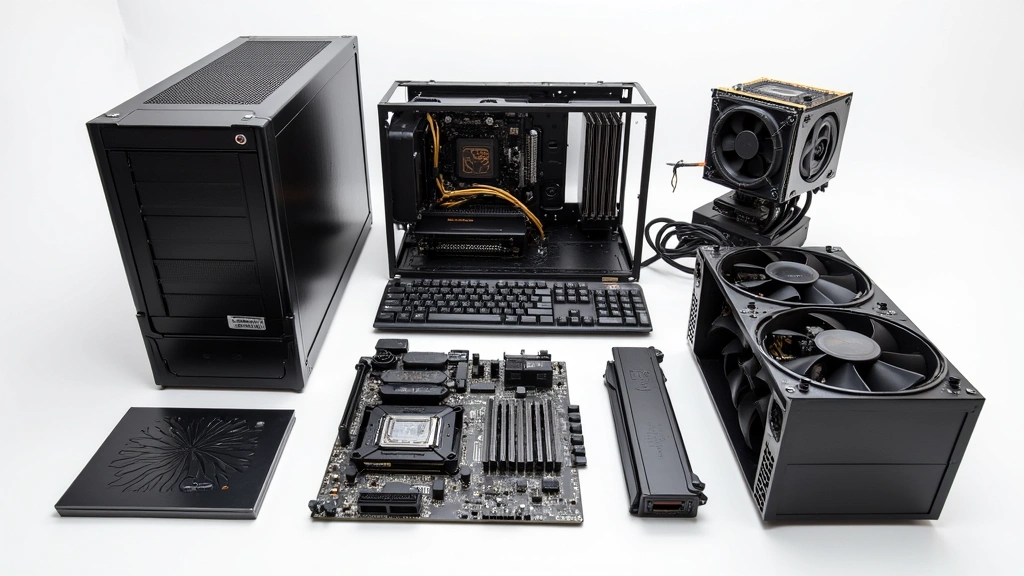
The foundation of any tech-focused institution rests upon its computing infrastructure. Arkansas Tech University maintains multiple computer labs equipped with modern workstations designed for diverse academic purposes. The engineering and computer science departments feature systems with Intel Core i7 and AMD Ryzen 7 processors—configurations that align with current mid-to-high-end professional standards. These machines typically feature 16GB to 32GB RAM, solid-state drives (SSDs) for rapid boot times and application loading, and dedicated graphics cards for computationally intensive tasks.
According to CNET’s developer laptop reviews, professional-grade workstations should meet or exceed these specifications. Arkansas Tech’s desktop configurations generally align with this guidance, though some labs show signs of aging equipment requiring updates. The university has invested in Dell Precision and Lenovo ThinkPad systems, both recognized as industry-standard choices for engineering and development work. However, the refresh cycle matters critically—equipment purchased three to four years ago may struggle with modern development frameworks and machine learning libraries that demand substantial computational resources.
One notable strength is the university’s implementation of redundant systems and backup infrastructure. Multiple computer labs distributed across campus reduce bottlenecks and provide students with consistent access to reliable equipment. The best laptops for students in 2025 increasingly emphasize portability and battery life, and Arkansas Tech recognizes this by supporting BYOD (bring your own device) policies alongside institutional equipment.
Laboratory Equipment and Specialized Tools
Beyond general-purpose computing, Arkansas Tech’s specialized laboratories house equipment critical for engineering disciplines. The electrical engineering labs feature oscilloscopes, function generators, power supplies, and multimeters from respected manufacturers like Keysight and Fluke. These instruments represent appropriate choices—Keysight oscilloscopes with 100MHz to 200MHz bandwidth and 1GS/s sampling rates suit undergraduate and early graduate-level coursework effectively. However, advanced research requiring 1GHz+ bandwidth and real-time protocol analysis may push existing equipment toward its limits.
The embedded systems laboratory demonstrates solid commitment to hands-on learning. Students work with development boards including Arduino platforms, STM32 microcontroller evaluation kits, and FPGA development boards from Xilinx and Intel Altera. These choices represent industry-standard platforms—Arduino’s ubiquity ensures broad compatibility and extensive community resources, while Xilinx FPGAs dominate commercial applications. The presence of both platforms provides educational breadth, exposing students to diverse development ecosystems.
Robotics and automation labs showcase more recent investments. Arkansas Tech has acquired collaborative robotic arms and automated testing systems that reflect current industrial trends toward human-robot collaboration and Industry 4.0 principles. These additions represent cutting-edge educational choices, preparing students for workplace realities where automation and AI integration define modern manufacturing and engineering roles.
Software Development Environments
The software development ecosystem at Arkansas Tech reflects reasonable alignment with industry practices. The university provides comprehensive licenses for JetBrains IDEs (IntelliJ IDEA, PyCharm, CLion), Microsoft Visual Studio Enterprise, and open-source alternatives like VS Code and Eclipse. This multi-platform approach acknowledges that professional developers must work across diverse environments—a pragmatic educational philosophy.
Cloud computing access deserves particular attention. Arkansas Tech has established partnerships providing students with AWS (Amazon Web Services) and Azure credits, enabling hands-on experience with cloud infrastructure, containerization, and serverless computing. Top programming languages in 2025 increasingly demand cloud-native development skills—Python, Go, and Rust all thrive in cloud ecosystems. The university’s cloud partnerships directly support modern curriculum requirements.
Machine learning infrastructure represents a growth area. Arkansas Tech has installed GPU-accelerated systems featuring NVIDIA RTX A6000 cards, enabling students to train deep learning models efficiently. These GPUs provide 48GB GDDR6 memory and 18,176 CUDA cores, suitable for undergraduate machine learning projects and research applications. However, compared to cutting-edge research institutions utilizing A100 GPUs (80GB memory, 6,912 CUDA cores), Arkansas Tech’s configuration occupies the solid professional tier rather than the absolute frontier.
Version control systems and collaborative development tools are well-established. GitHub Enterprise, GitLab, and Bitbucket access ensure students learn modern software development workflows. Continuous integration/continuous deployment (CI/CD) pipelines using Jenkins and GitHub Actions introduce automation concepts essential for contemporary software engineering roles.
Network and Connectivity Systems
Modern educational technology depends fundamentally on robust network infrastructure. Arkansas Tech’s campus network supports gigabit Ethernet connectivity throughout academic buildings, with 10Gbps backbone infrastructure connecting major hubs. Wireless coverage extends across campus, with Wi-Fi 6 (802.11ax) access points providing enhanced bandwidth and reduced latency compared to older Wi-Fi 5 standards.
Network security infrastructure includes enterprise-grade firewalls, intrusion detection systems, and multi-factor authentication for sensitive systems. The Arkansas Tech University jobs in IT and cybersecurity benefit directly from hands-on experience with these professional-grade security tools. Students gain practical knowledge of defense-in-depth strategies and compliance frameworks (HIPAA, FERPA, GDPR) through direct interaction with institutional systems.
VPN infrastructure supports secure remote access, increasingly important for distributed learning and research collaboration. The pandemic accelerated adoption of remote laboratory access, and Arkansas Tech has invested in virtual desktop infrastructure (VDI) enabling students to access lab systems from home. This capability represents genuine cutting-edge pedagogical adaptation, recognizing that modern education must accommodate flexible learning models.
Student Device Recommendations
While institutional equipment provides baseline capabilities, many students benefit from personal devices optimized for their specific coursework. Computer science and software engineering students typically require laptops with strong processor performance, adequate RAM (16GB minimum), and reliable solid-state storage. The Tech Pulse Hunter Blog regularly reviews devices meeting these criteria across various price points.
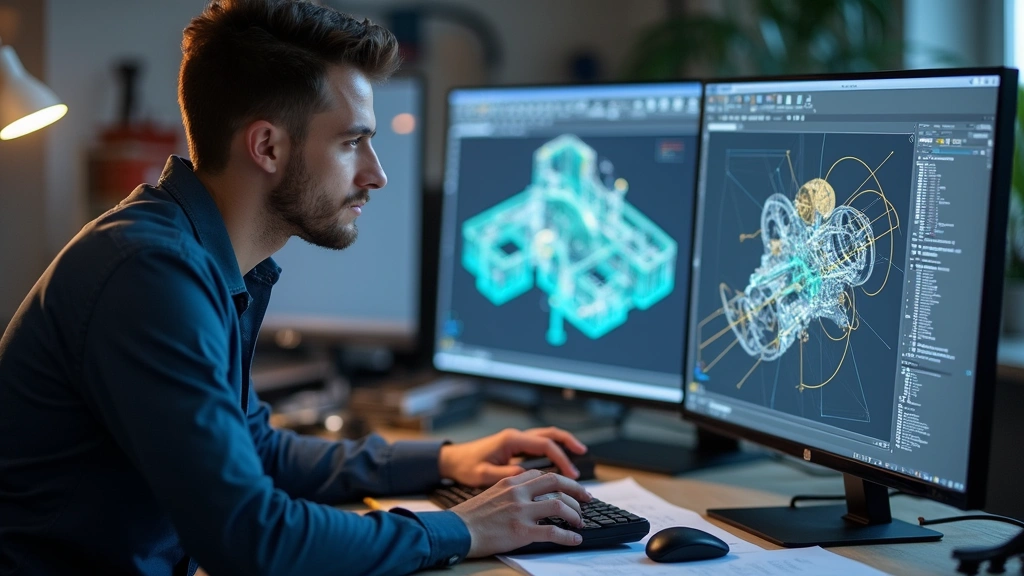
Engineering students benefit from machines supporting CAD software—Autodesk Fusion 360, SolidWorks, or open-source alternatives like FreeCAD. GPU acceleration aids rendering and simulation tasks. Thermal management becomes important, as intensive engineering computations generate substantial heat. Gaming laptops, while not ideal for academic purposes, often provide the thermal design and GPU capabilities useful for engineering work.
Mobile devices deserve consideration as well. Tablets running iPadOS or Android enable fieldwork documentation, real-time data collection, and mobile development testing. Many engineering disciplines increasingly incorporate mobile sensor integration, making device diversity educationally valuable.
Comparison with Industry Standards
To assess whether Arkansas Tech’s gadgets truly qualify as cutting edge, comparison against industry standards provides objective perspective. The Verge’s technology reviews establish baseline expectations for modern computing equipment. Professional workstations in 2025 typically feature:
- Processors: 8-16 cores minimum, with latest-generation CPUs (Intel 14th gen, AMD Ryzen 9000 series)
- Memory: 32GB-64GB RAM for professional development; 16GB acceptable for student work
- Storage: NVMe SSDs with 512GB minimum, preferably 1TB+ for large datasets
- Graphics: Dedicated GPUs for rendering, simulation, and machine learning tasks
- Displays: 1440p minimum resolution, color-accurate panels for design work
- Connectivity: Thunderbolt 3/4, USB-C, and wireless 6E support
Arkansas Tech’s core infrastructure meets most of these benchmarks adequately. Processor generations are current or one generation behind—acceptable for educational contexts where cutting-edge performance matters less than foundational understanding. Memory configurations align with professional standards. Storage utilizes SSDs, addressing the critical performance bottleneck that plagued older institutions still operating mechanical hard drives.
Areas requiring investment include display technology and wireless standards. Many lab workstations still utilize older 1080p displays, limiting productivity for detailed design work and reducing student exposure to professional-grade display configurations. Wireless 6E adoption remains incomplete—while adequate Wi-Fi 6 coverage exists, the latest Wi-Fi 7 standards are beginning deployment at leading tech universities and corporations.
The university’s software licensing approach demonstrates pragmatism. Rather than pursuing cutting-edge proprietary solutions exclusively, Arkansas Tech balances commercial tools (which students will encounter professionally) with open-source alternatives (which emphasize fundamental principles and cost-effectiveness). This hybrid approach represents sophisticated educational philosophy—students graduate understanding both industry-standard tools and underlying concepts transcending specific commercial products.
Comparing Arkansas Tech against peer institutions reveals competitive positioning. Regional universities in Arkansas, Texas, and Oklahoma generally maintain similar equipment standards. National research universities and MIT-tier institutions obviously possess more extensive resources and bleeding-edge equipment. However, Arkansas Tech’s infrastructure supports solid engineering and computer science education without significant disadvantages relative to comparable regional institutions.
Future-Proofing and Upgrade Roadmap
Assessing cutting-edge status requires examining not just current equipment but institutional commitment to ongoing updates. Arkansas Tech’s technology refresh cycle typically spans 4-5 years for desktop systems and 3-4 years for mobile devices. This timeline aligns with industry standards where Moore’s Law-driven performance improvements plateau somewhat, and devices remain functionally adequate beyond initial deployment.
Capital planning documents reveal planned investments in quantum computing education—a genuinely cutting-edge initiative. Several universities now offer quantum computing courses using IBM Quantum Experience cloud access and physical quantum processors. Arkansas Tech’s consideration of similar programs demonstrates forward-thinking strategic planning, preparing students for post-classical computing paradigms.
Artificial intelligence infrastructure represents another growth vector. The university is expanding GPU-accelerated computing capacity and establishing AI research centers. These investments acknowledge AI’s transformative impact on contemporary technology practice—students must understand machine learning fundamentals, training methodologies, and ethical implications.
Cybersecurity infrastructure upgrades address emerging threats and compliance requirements. Zero-trust security models, advanced threat detection using machine learning, and incident response automation represent modern security approaches that Arkansas Tech is gradually implementing. Students gain practical experience with sophisticated security concepts rather than theoretical knowledge alone.
Hands-On Learning Outcomes
Ultimately, cutting-edge status depends less on equipment specifications than on how effectively institutions leverage available tools for student learning. Arkansas Tech’s strength lies in project-based curricula requiring students to apply knowledge using actual equipment. Capstone projects, senior design competitions, and undergraduate research programs all emphasize practical skill development.
The how to become a software developer guide emphasizes portfolio development and practical experience—areas where Arkansas Tech excels. Students graduate with portfolios demonstrating real-world project completion using professional tools, positioning them competitively in job markets.
Industry partnerships enhance educational value beyond what equipment alone provides. Collaborations with local technology companies, internship programs, and guest lectures from practicing engineers expose students to current industry practices. These connections often exceed the value of any individual piece of equipment, providing insight into how professionals actually utilize technology in production environments.
FAQ
Does Arkansas Tech have modern computer labs?
Yes, Arkansas Tech maintains multiple computer labs with current-generation workstations featuring Intel Core i7/i9 and AMD Ryzen 7/9 processors, 16-32GB RAM, and SSD storage. Equipment generally aligns with professional standards, though some systems are approaching refresh cycles.
What software does Arkansas Tech provide students?
Arkansas Tech provides comprehensive software access including JetBrains IDEs, Microsoft Visual Studio Enterprise, cloud computing credits (AWS/Azure), and open-source development tools. This multi-platform approach ensures students learn diverse professional environments.
Are there GPU-accelerated systems for machine learning?
Yes, Arkansas Tech has installed NVIDIA RTX A6000 GPU systems supporting machine learning coursework. While not representing absolute cutting-edge research hardware, these systems enable effective undergraduate and graduate machine learning education.
How does Arkansas Tech’s equipment compare to peer institutions?
Arkansas Tech’s infrastructure is competitive with similar regional universities. Equipment meets professional standards adequate for solid engineering and computer science education, though research-focused institutions naturally maintain more extensive resources.
Can students bring their own devices?
Yes, Arkansas Tech supports BYOD policies allowing students to use personal laptops and devices. The university provides network access, software licenses, and technical support for student-owned equipment.
What networking infrastructure does Arkansas Tech have?
Campus features gigabit Ethernet connectivity, 10Gbps backbone infrastructure, and Wi-Fi 6 (802.11ax) coverage. Virtual desktop infrastructure enables remote access to lab systems, supporting flexible learning models.
Are there plans for quantum computing education?
Arkansas Tech is exploring quantum computing initiatives, demonstrating commitment to emerging technology education. Planned programs would provide students exposure to post-classical computing paradigms.
How frequently does Arkansas Tech update equipment?
Desktop systems typically operate on 4-5 year refresh cycles, with mobile devices updated every 3-4 years. This timeline aligns with industry standards where performance improvements justify replacement.